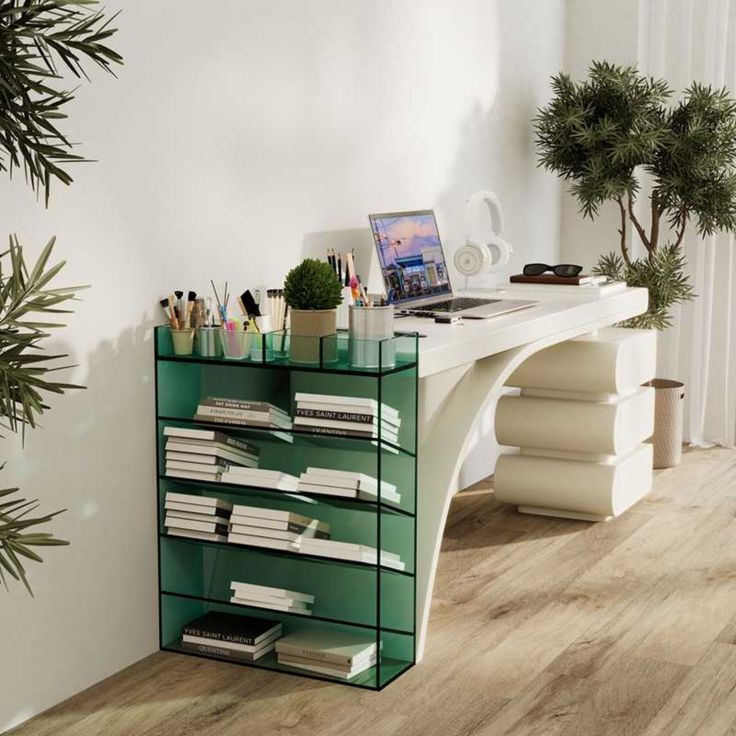
In the world of high-end furniture, the demand for innovative materials is at an all-time high. As consumers and designers alike seek luxurious and sustainable alternatives to traditional materials, synthetic materials—particularly synthetic crystals—are becoming increasingly prevalent in the design of high-end furniture. These materials offer a perfect balance of durability, aesthetic appeal, and sustainability, making them ideal for luxury furniture and decor.
However, as with any material used in high-end design, it is crucial to evaluate synthetic materials carefully to ensure they meet the desired standards of quality, performance, and sustainability. This article explores the techniques used to evaluate synthetic materials in the context of high-end furniture, with a particular focus on synthetic crystals. From assessing their durability and aesthetic properties to their environmental impact, we will cover the key factors that designers, manufacturers, and consumers should consider when choosing synthetic materials for luxury furniture.
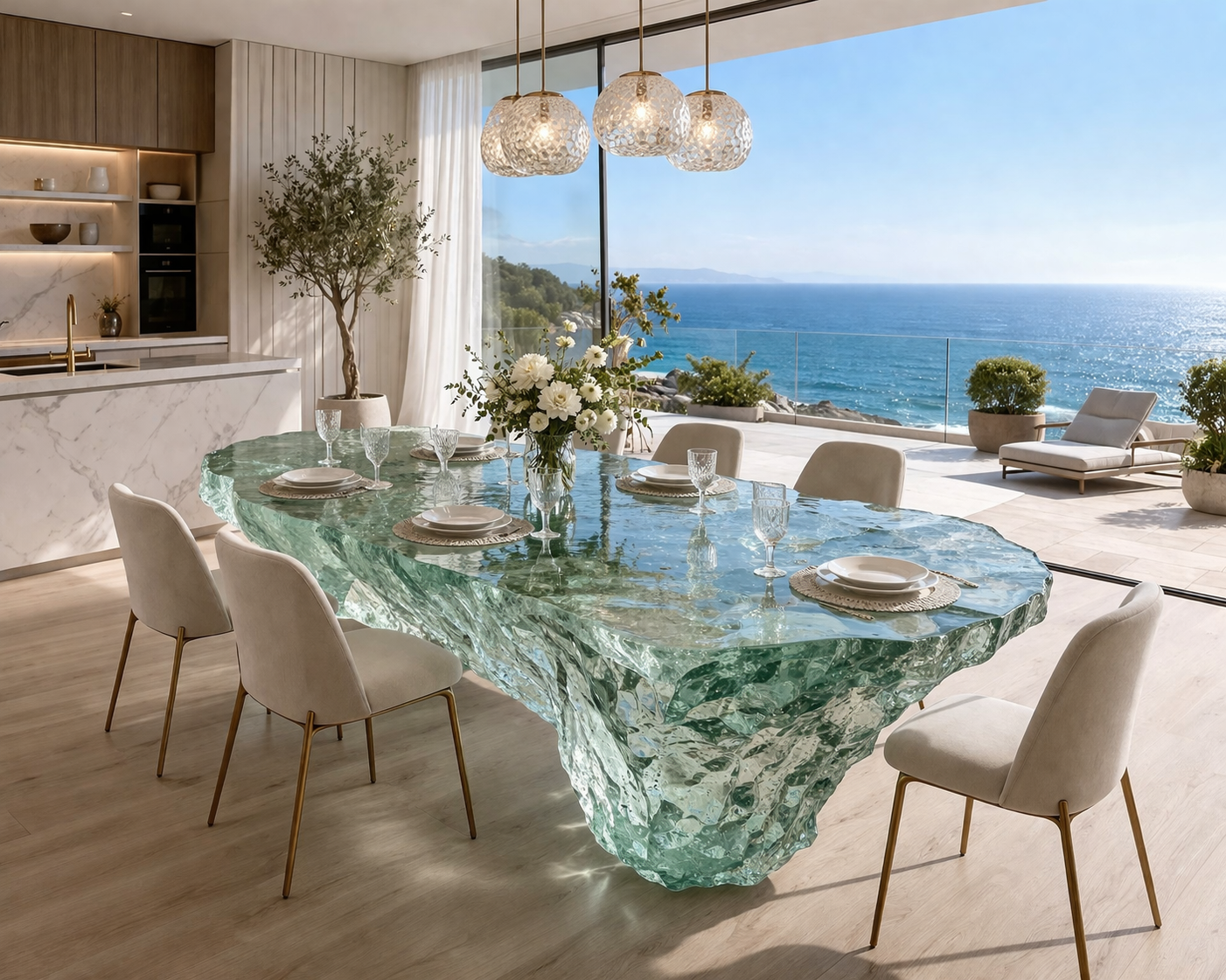
Understanding Synthetic Materials in High-End Furniture
Before diving into the evaluation techniques, it’s important to understand what synthetic materials are and why they are used in luxury furniture. Synthetic materials are man-made materials engineered to replicate or enhance the properties of natural materials such as stone, wood, or metal, but with added benefits like durability, versatility, and sustainability.
In the context of furniture, synthetic materials can be used for everything from tabletops and bases to decorative accents and lighting features. One of the most widely used synthetic materials in high-end furniture today is synthetic crystal, a material that mimics the brilliance and aesthetic appeal of natural crystal but with enhanced performance characteristics. Unlike natural crystal, which is fragile and often sourced unsustainably, synthetic crystals offer a more durable, sustainable, and customizable alternative without compromising on luxury or aesthetics.
The Importance of Evaluating Synthetic Materials
The evaluation of synthetic materials is essential for ensuring that they meet the specific needs of high-end furniture design. High-quality synthetic materials can offer significant advantages in terms of aesthetics, durability, and sustainability, but they must also meet the rigorous demands of everyday use in luxury environments. Evaluating these materials ensures that they perform well under various conditions, maintain their aesthetic appeal over time, and are produced in an environmentally responsible manner.
For interior designers, furniture manufacturers, and luxury consumers, understanding how to assess synthetic materials is crucial in making informed decisions about material selection. This process involves considering both technical properties and the material’s overall contribution to the design vision.
Key Techniques for Evaluating Synthetic Materials
When evaluating synthetic materials for high-end furniture, several key factors must be taken into consideration. These include aesthetic appeal, durability, sustainability, performance under stress, and material sourcing. Below, we explore each of these factors in more detail, with a specific focus on synthetic crystals and how to evaluate their suitability for luxury furniture.
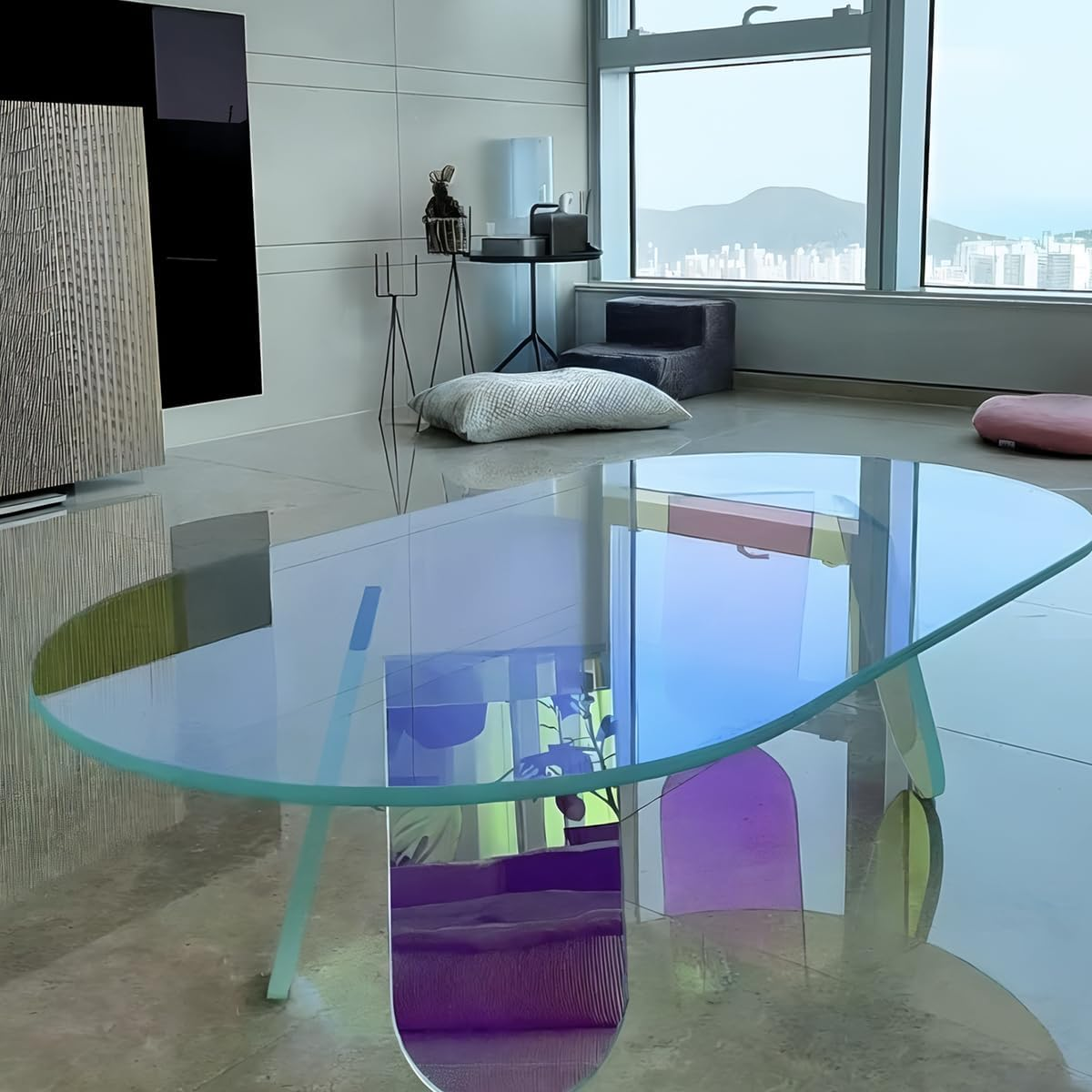
1. Aesthetic Appeal: The Visual Impact of Synthetic Crystals
One of the most important aspects of evaluating synthetic materials for high-end furniture is assessing their aesthetic appeal. The appearance of the material plays a critical role in defining the overall look and feel of the space. In high-end furniture, materials need to be visually striking, with qualities like clarity, luminosity, and depth that add to the luxury experience.
Synthetic crystals are prized for their ability to mimic the appearance of natural stones, such as quartz and diamond, while offering enhanced visual qualities. When evaluating synthetic crystals, key aesthetic factors to consider include:
Transparency and Clarity: Synthetic crystals should be clear and free from imperfections. The clearer the material, the more light can pass through it, enhancing its luminosity and brilliance.
Color and Finish: Synthetic crystals can be produced in a variety of colors and finishes, from transparent to frosted or tinted. The finish should align with the design vision, whether it’s a polished, smooth surface for a sleek modern look or a textured finish for a more organic, raw aesthetic.
Light Reflection and Refraction: Synthetic crystals should reflect and refract light in captivating ways. This is what gives the material its unique, dynamic quality, as it changes the visual experience depending on the lighting and angle.
Design Tip: When selecting synthetic crystals, consider how they interact with other materials in the space. For example, pairing synthetic crystals with metals or warm wood tones can create a stunning contrast that highlights both the natural and synthetic elements of the design.
2. Durability and Performance: Assessing Material Longevity
Durability is another critical factor when evaluating synthetic materials for high-end furniture. While luxury furniture is meant to look beautiful, it must also withstand daily use and maintain its appearance over time. For materials used in furniture, durability means resistance to scratching, chipping, and fading.
Synthetic crystals are known for their exceptional durability compared to natural crystals or glass. They are engineered to be resistant to scratches, stains, and impacts, which makes them a suitable choice for high-traffic areas and high-end furniture that must maintain its pristine appearance for years.
Key factors to evaluate when considering the durability of synthetic materials include:
Scratch Resistance: Synthetic crystals should have a high level of hardness, making them resistant to scratches from daily use. When evaluating synthetic crystal, ensure that the material has undergone testing to measure its scratch resistance.
Impact Resistance: Synthetic crystals should be able to withstand light impacts without cracking or chipping. This is especially important for furniture pieces like coffee tables or countertops that are subject to accidental bumps or drops.
UV Resistance: Over time, exposure to sunlight can cause certain materials to fade or discolor. Synthetic crystals should be UV-resistant, ensuring they maintain their visual appeal even when exposed to sunlight for extended periods.
Design Tip: When evaluating the durability of synthetic crystals, consider where the furniture will be placed. For high-traffic areas, prioritize materials that offer excellent scratch and impact resistance.
3. Sustainability and Environmental Impact
As sustainability continues to be a driving force in interior design, evaluating the environmental impact of synthetic materials is becoming increasingly important. Unlike natural materials, which are often sourced through resource-intensive and harmful extraction methods, synthetic materials like synthetic crystals can be produced using more sustainable processes.
When evaluating synthetic crystals for high-end furniture, consider the following sustainability factors:
Production Process: Look for synthetic crystals that are produced using energy-efficient and environmentally responsible manufacturing methods. Advanced technologies have made it possible to create synthetic crystals with a minimal environmental footprint.
Recyclability: Synthetic crystals should be recyclable at the end of their life cycle, reducing waste and contributing to a circular economy. This feature is especially important for environmentally conscious designers and consumers.
Material Sourcing: Choose synthetic crystals that are produced using ethical practices, ensuring that the raw materials are sourced sustainably and responsibly.
Design Tip: When working on projects with a strong sustainability focus, prioritize synthetic crystals that are fully recyclable and produced with minimal environmental impact.
4. Performance Under Stress: Testing for Structural Integrity
Furniture, particularly in high-end design, needs to withstand various forms of stress, whether from weight, pressure, or frequent use. As such, it’s essential to evaluate how synthetic materials perform under stress and strain.
For synthetic crystals, key tests to consider include:
Compression Strength: This measures the material’s ability to withstand pressure without cracking or breaking. Synthetic crystals should be able to handle the weight of objects placed on them, such as books, vases, or decorative items.
Thermal Resistance: Evaluate how synthetic crystals handle temperature fluctuations. High-end furniture may be placed in areas with varying climates, such as kitchens or sunrooms, so the material must be able to withstand heat and cold without warping or discoloring.
Structural Integrity: Synthetic crystal should maintain its integrity even when subjected to constant use. This can be assessed through rigorous testing in a controlled environment.
Design Tip: Always request test results for compression strength and thermal resistance when evaluating synthetic crystals, particularly for use in areas where the furniture will face heavy use.
5. Cost-Effectiveness and Material Sourcing
While synthetic materials like synthetic crystals are often more expensive than traditional materials, they are generally more cost-effective in the long run due to their durability and sustainability. When evaluating synthetic materials, consider not only the initial cost but also the long-term value they offer in terms of maintenance, longevity, and environmental impact.
Design Tip: Balance the luxury and aesthetic benefits of synthetic materials with your project budget, ensuring that the material choice aligns with both financial goals and design aspirations.
Conclusion: A Smart Choice for High-End Furniture
In conclusion, evaluating synthetic materials in high-end furniture is a crucial step in ensuring that luxury pieces meet the highest standards of quality, performance, and sustainability. Synthetic crystals, with their durability, visual appeal, and eco-friendly advantages, offer an exciting material choice for designers looking to elevate their creations while also making a responsible choice.
By carefully considering factors like aesthetic appeal, durability, sustainability, and performance under stress, designers and manufacturers can confidently incorporate synthetic materials into their luxury furniture collections. The key is to understand how these materials perform in real-world conditions and how they contribute to the overall design vision.
As synthetic materials continue to evolve, the future of high-end furniture design will undoubtedly see more innovation and sophistication. How will you incorporate these materials into your next project?
READ MORE:
- Materiali Sintetici nel Design di Lusso: Confronto tra Cristallo e Altri Materiali
- Come i Designer di Interni Possono Utilizzare il Cristallo Sintetico per Spazi Esclusivi
- Sostenibilità nei Mobili di Lusso: I Benefici del Cristallo Sintetico
- L'Arte e il Lusso: Creazione di Opere d'Arte in Cristallo Sintetico
- Il Design di Interni con Mobili in Cristallo Sintetico di Alta Gamma
- Interior Designers'Guide to Using Synthetic Crystals in High-End Spaces
- Sustainability in High-End Furniture: The Benefits of Synthetic Crystals
- The Intersection of Art and Luxury: Crafting Crystal Art Pieces
- Elevating Interior Design with Premium Synthetic Crystal Furniture


