In today’s rapidly evolving design landscape, furniture is no longer judged solely by its function. It has become a statement of identity, a reflection of lifestyle, and increasingly, a strategic investment in both residential and commercial environments. Among the most transformative forces driving this shift is the emergence of high-end materials, particularly synthetic crystal. Once reserved for niche luxury applications, synthetic crystal is now redefining how we perceive value in office and home furniture.
This evolution is not accidental. It is the result of converging demands for aesthetics, durability, sustainability, and brand differentiation. As designers, architects, and business owners seek materials that can deliver on all fronts, synthetic crystal is stepping into the spotlight with remarkable clarity both literally and figuratively.
The Shift from Utility to Experiential Value
Traditional furniture value has long been anchored in durability and cost efficiency. While these factors remain relevant, they are no longer sufficient. Modern consumers and businesses are placing increasing emphasis on experiential value how a space feels, how it communicates, and how it enhances daily interaction.
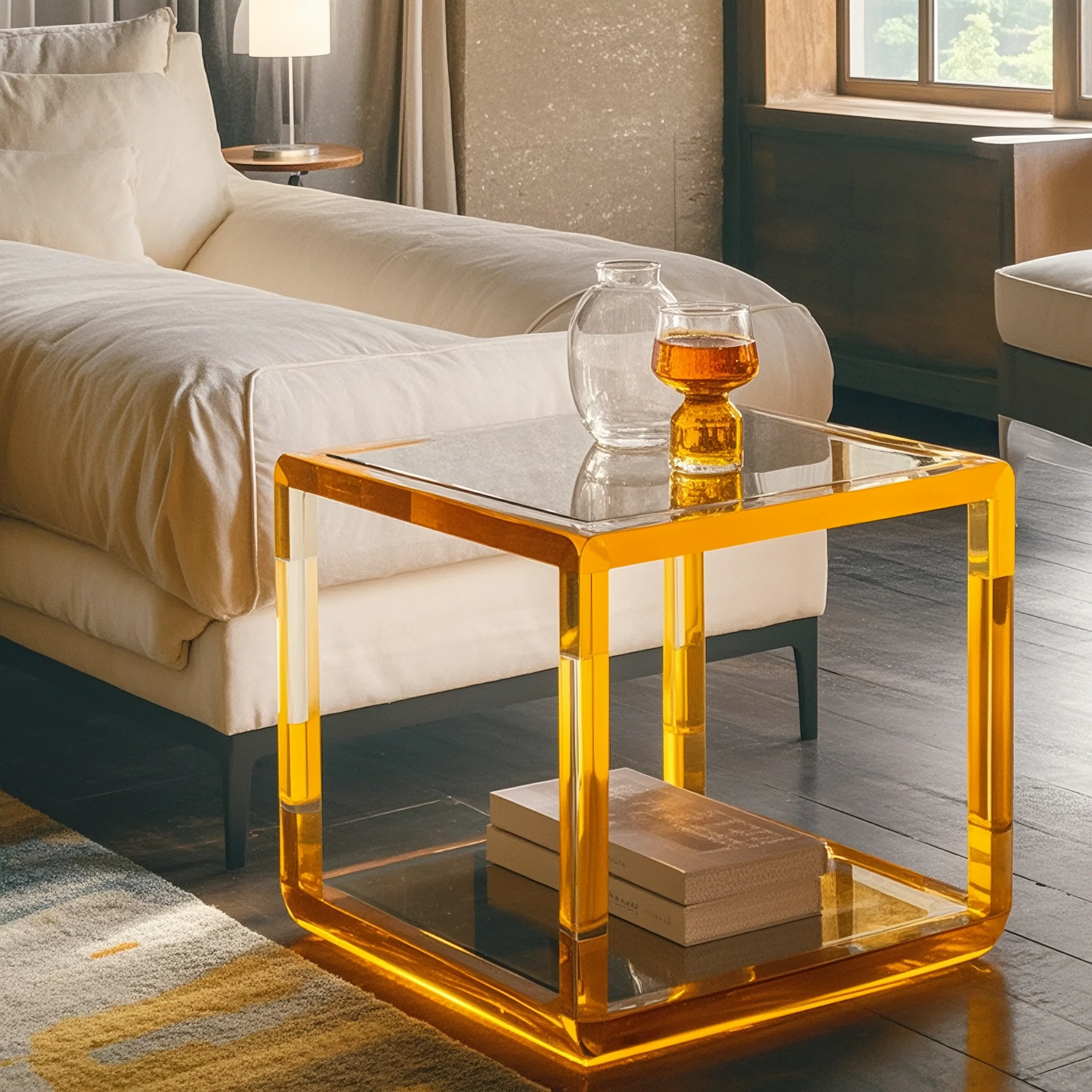
Synthetic crystal introduces a new dimension to this equation. Its optical clarity, light diffusion properties, and sculptural potential allow furniture to transcend utility and become immersive design elements. A desk, conference table, or reception counter made with synthetic crystal does more than serve a function; it shapes perception, elevates ambiance, and creates a memorable visual narrative.
In corporate settings, this translates into stronger brand identity. In residential spaces, it becomes a symbol of refined taste and forward-thinking design.
What Makes Synthetic Crystal a Game-Changer
Synthetic crystal is engineered to replicate and often surpass the qualities of natural crystal. Through advanced manufacturing processes, it achieves exceptional transparency, structural integrity, and design flexibility.
Unlike traditional materials such as wood, metal, or glass, synthetic crystal offers a unique combination of benefits:
First, it delivers superior visual impact. Its ability to refract and reflect light creates dynamic surfaces that change throughout the day, enhancing spatial depth and atmosphere.
Second, it provides enhanced durability. High-quality synthetic crystal is resistant to scratches, temperature variations, and environmental wear, making it suitable for both residential and high-traffic commercial environments.
Third, it supports customization at scale. Designers can mold, carve, and integrate synthetic crystal into complex forms that would be difficult or impossible with natural materials. This opens the door to bespoke furniture solutions tailored to specific brand or lifestyle needs.
Finally, it aligns with sustainability trends. Many synthetic crystal materials are produced with controlled processes that reduce waste and allow for recycling or reuse, addressing growing concerns about environmental impact.
Redefining Office Spaces Through Material Innovation
The modern office is undergoing a profound transformation. Hybrid work models, employee well-being, and brand storytelling are reshaping how workplaces are designed. Furniture plays a critical role in this transformation, and materials like synthetic crystal are enabling new possibilities.
Reception areas, for instance, are no longer just functional entry points. They are brand showcases. A reception desk crafted from synthetic crystal can communicate innovation, transparency, and sophistication within seconds of a visitor’s arrival.
Conference rooms benefit from the material’s ability to create focal points. A crystal-integrated table can anchor the space, reflecting light in a way that enhances engagement and focus. When combined with smart lighting systems, these surfaces can even adapt to different meeting modes, from formal presentations to collaborative sessions.
Executive offices, too, are embracing this material shift. Leaders are increasingly seeking environments that reflect vision and authority without relying on outdated symbols of power. Synthetic crystal furniture achieves this balance by combining modern elegance with cutting-edge materiality.
Elevating Residential Interiors with Statement Pieces
In the home, furniture is deeply personal. It reflects individual taste, lifestyle, and aspirations. Synthetic crystal is uniquely positioned to meet the demands of homeowners who want more than conventional design.
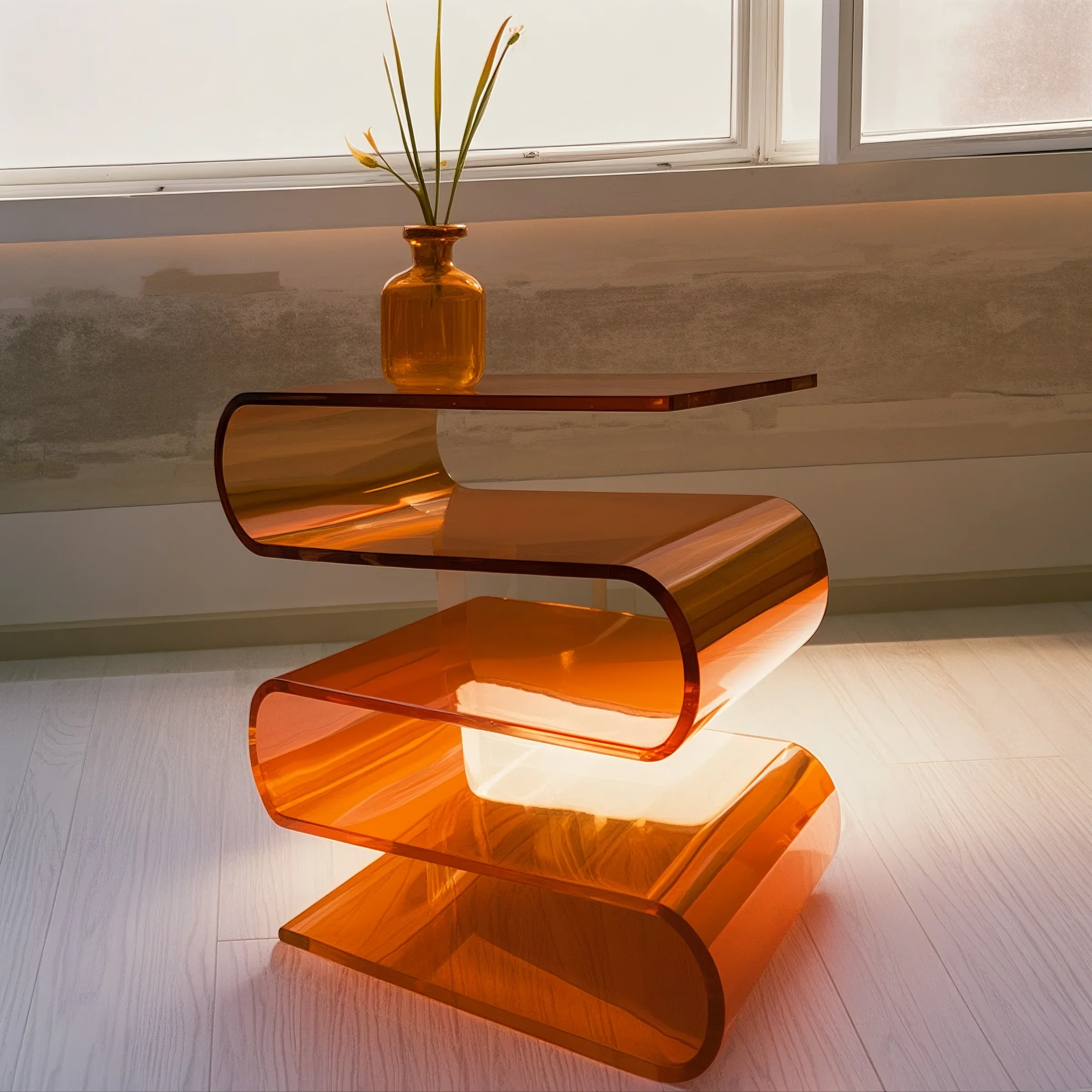
Dining tables with crystal elements create a sense of occasion, turning everyday meals into elevated experiences. Coffee tables become conversation pieces, capturing attention through their interplay of light and form. Even storage units and shelving systems can be transformed into artistic installations.
One of the most compelling aspects of synthetic crystal in residential design is its versatility. It can seamlessly integrate into a wide range of styles, from minimalist and contemporary to luxurious and eclectic. Its neutral yet striking appearance allows it to complement other materials while still standing out.
Moreover, its durability makes it practical for everyday use. Unlike delicate natural crystal, synthetic variants are engineered to withstand the demands of modern living without compromising their visual appeal.
The Intersection of Technology and Craftsmanship
The rise of synthetic crystal in furniture design is closely tied to advancements in technology. Precision manufacturing techniques, including CNC machining and advanced casting methods, enable designers to achieve levels of detail and consistency that were previously unattainable.
At the same time, craftsmanship remains essential. The finishing, polishing, and assembly of synthetic crystal components require skilled expertise to ensure that each piece meets the highest standards of quality and aesthetics.
This intersection of technology and craftsmanship is what sets high-end synthetic crystal furniture apart. It is not mass-produced in the traditional sense; rather, it is carefully engineered and refined to deliver both performance and beauty.
A New Standard of Luxury
Luxury is evolving. It is no longer defined solely by rarity or price but by innovation, personalization, and meaningful design. Synthetic crystal embodies this new definition.
It offers exclusivity through customization, allowing clients to create furniture that is truly unique. It delivers innovation through its material properties and design possibilities. And it provides meaningful value by enhancing both the functionality and emotional impact of a space.
For businesses, investing in such furniture is not just about aesthetics. It is about creating environments that inspire employees, impress clients, and reinforce brand values. For homeowners, it is about living in spaces that reflect their identity and elevate their everyday experiences.
Market Trends and Future Outlook
The global furniture market is increasingly influenced by high-end materials and bespoke design solutions. As consumers become more design-conscious and environmentally aware, the demand for innovative materials like synthetic crystal is expected to grow.
Architects and designers are already exploring new applications, from integrated lighting systems within crystal structures to hybrid materials that combine crystal with metal or wood for enhanced functionality and visual contrast.
In addition, the rise of smart homes and intelligent workspaces presents new opportunities. Synthetic crystal can be integrated with sensors, lighting, and digital interfaces, transforming furniture into interactive elements within a connected environment.
This convergence of material innovation and digital technology is likely to define the next generation of furniture design.
Why It Matters for Your Business or Brand
For companies operating in the furniture industry, embracing materials like synthetic crystal is not just a trend; it is a strategic move. It positions your brand at the forefront of innovation and differentiates your offerings in a competitive market.
For architects and interior designers, it expands the creative toolkit, enabling the realization of bold and distinctive concepts. For end-users, it represents an opportunity to invest in furniture that delivers long-term value, both aesthetically and functionally.
The key is to approach this material not as a novelty but as a core component of design strategy. When used thoughtfully, synthetic crystal can transform spaces in ways that traditional materials simply cannot achieve.
Conclusion
The rise of synthetic crystal marks a pivotal moment in the evolution of furniture design. It challenges conventional notions of value, introduces new possibilities for creativity, and aligns with the demands of modern living and working environments.
As the boundaries between function, art, and technology continue to blur, materials like synthetic crystal will play an increasingly important role in shaping the spaces we inhabit. They offer a glimpse into a future where furniture is not just something we use, but something we experience.
And as more forward-thinking brands and designers embrace this material revolution, the real question is no longer whether synthetic crystal will redefine furniture value but how far it will push the boundaries of what we thought was possible.


