In today’s intensely competitive global furniture market, the line between commodity and luxury is not defined solely by price. It is defined by perception, differentiation, and the ability to create emotional and experiential value. For manufacturers and brands, especially those operating in high-end segments such as synthetic crystal furniture, the challenge is no longer just about producing quality products. It is about transforming those products into symbols of innovation, identity, and aspiration.
The reality is stark. A table, a desk, or a cabinet can easily become a commodity when it competes only on cost, material, and basic functionality. But the same product, when strategically positioned, designed, and communicated, can command premium pricing, attract global clientele, and build long-term brand equity. The transition from commodity to luxury is not accidental. It requires a deliberate, multi-layered strategy.
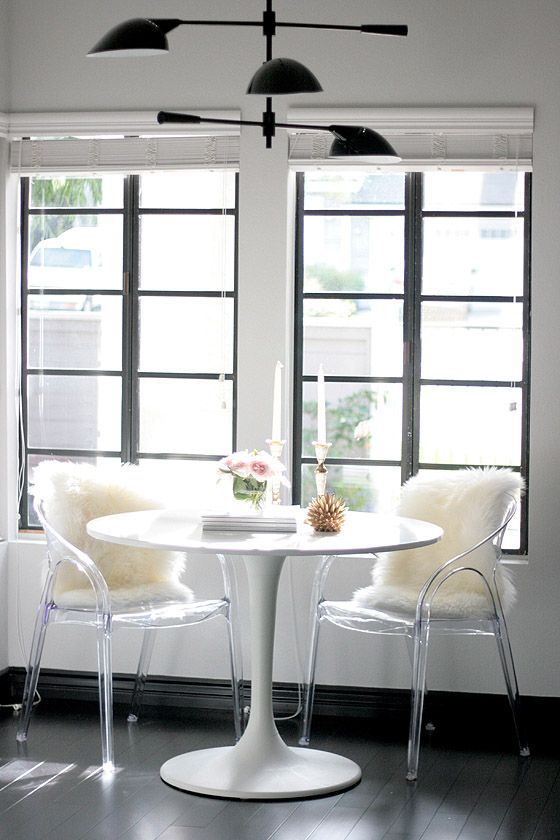
Understanding the Commodity Trap
Before discussing differentiation, it is important to understand why so many furniture products fall into the commodity category. Globalization has made manufacturing more accessible, supply chains more efficient, and competition more intense. As a result, similar designs, materials, and production techniques are widely replicated across markets.
When buyers perceive products as interchangeable, purchasing decisions are driven primarily by price and delivery time. This creates a race to the bottom, eroding margins and limiting opportunities for brand development.
For companies specializing in advanced materials like synthetic crystal, this is both a risk and an opportunity. While imitation is inevitable, true differentiation lies in how the material is utilized, presented, and integrated into a broader value proposition.
Redefining Value Beyond Function
Luxury in furniture today is no longer about ornamentation alone. It is about creating a holistic value system that combines aesthetics, innovation, performance, and storytelling.
Synthetic crystal offers a powerful foundation for this transformation. Its clarity, light interaction, and sculptural versatility enable designs that are visually striking and emotionally engaging. But material alone is not enough. The key is to translate these properties into meaningful benefits for the end user.
For example, in a corporate environment, a synthetic crystal conference table is not just a surface for meetings. It becomes a centerpiece that reflects transparency, innovation, and forward-thinking leadership. In a residential setting, a crystal-accented dining table transforms everyday meals into curated experiences.
By shifting the narrative from what the product is to what the product represents, brands can elevate their offerings from functional objects to lifestyle statements.
Strategic Design as a Differentiation Engine
Design is one of the most powerful tools for escaping commoditization. However, effective design goes beyond aesthetics. It must integrate form, function, and brand identity.
For high-end synthetic crystal furniture, this means leveraging the material’s unique properties to create distinctive visual signatures. Light diffusion, refraction, and layering can be used to produce dynamic surfaces that change with the environment. This creates a sense of movement and depth that traditional materials cannot easily replicate.
Customization is another critical factor. Global clients increasingly seek products that reflect their specific needs and identities. Offering modular designs, bespoke configurations, and collaborative design processes can significantly enhance perceived value.
Moreover, design should consider context. Office furniture must align with brand positioning and workplace culture, while residential pieces should resonate with personal taste and lifestyle. Understanding these nuances allows brands to create products that feel intentional rather than generic.
Material Innovation as Brand Identity
In the luxury segment, materials are not just components; they are part of the brand story. Synthetic crystal, when positioned correctly, can become a defining element of a company’s identity.
To achieve this, brands must educate the market. Many buyers may not fully understand the advantages of synthetic crystal over traditional materials. Clear communication about its durability, sustainability, and design flexibility is essential.
Transparency in sourcing and production also plays a role. As sustainability becomes a global priority, demonstrating responsible manufacturing practices can enhance brand credibility and appeal.
In addition, innovation should be continuous. Integrating synthetic crystal with other materials such as metal, wood, or smart technologies can create hybrid solutions that further differentiate the product line.
Crafting a Compelling Brand Narrative
Luxury is as much about storytelling as it is about product quality. A compelling brand narrative can transform perception and justify premium pricing.
For companies in the synthetic crystal furniture space, the narrative can revolve around innovation, craftsmanship, and the fusion of technology and art. Highlighting the design process, the precision of manufacturing, and the expertise behind each piece can create a sense of authenticity and exclusivity.
Visual storytelling is particularly important. High-quality imagery, videos, and immersive digital experiences can showcase the unique qualities of synthetic crystal in ways that words alone cannot.
Consistency across all touchpoints is crucial. From website content to social media presence to showroom experiences, every interaction should reinforce the brand’s positioning as a luxury innovator.
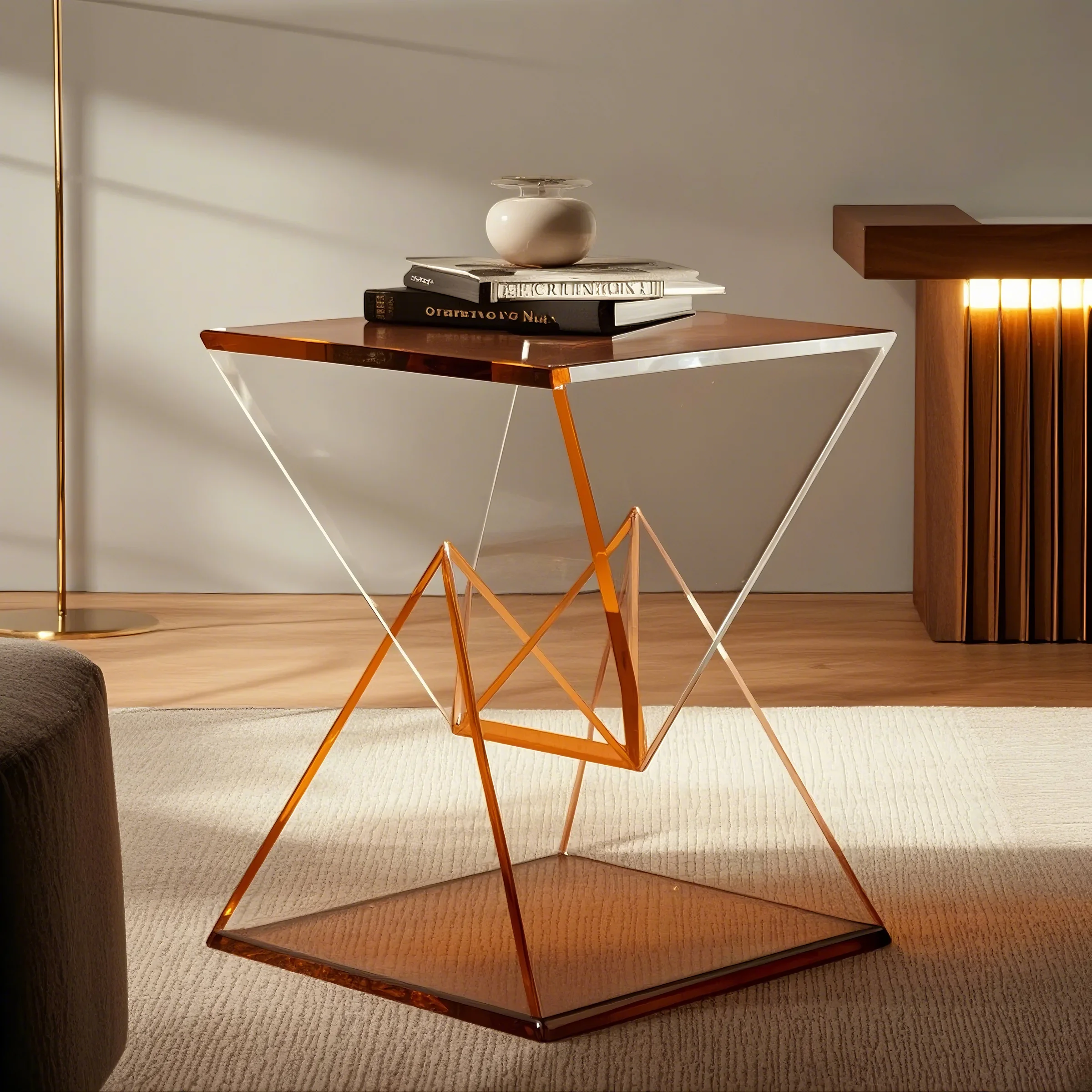
Targeting the Right Global Markets
Not all markets perceive luxury in the same way. Cultural preferences, economic conditions, and design trends vary significantly across regions. A successful global strategy requires localization without losing brand identity.
In mature markets such as North America and Europe, there is a strong emphasis on design innovation and sustainability. In emerging markets, luxury may be more closely associated with visual impact and status.
Understanding these differences allows brands to tailor their offerings and messaging accordingly. For example, highlighting the technological aspects of synthetic crystal may resonate more in innovation-driven markets, while emphasizing its aesthetic brilliance may be more effective in markets that value visual expression.
Partnerships with local designers, architects, and distributors can also facilitate market entry and enhance credibility.
Pricing Strategy and Perceived Value
Pricing is a critical component of differentiation. Luxury products must command premium prices, but those prices must be justified by perceived value.
This requires a careful balance. Pricing too low can undermine the perception of luxury, while pricing too high without clear differentiation can deter potential buyers.
Value-based pricing is often the most effective approach. Instead of focusing on production costs, brands should consider the overall experience they provide, including design, customization, service, and brand prestige.
Offering tiered product lines can also help capture different segments without diluting the brand. Entry-level luxury products can introduce new customers to the brand, while high-end bespoke pieces reinforce exclusivity.
Enhancing Customer Experience
In the luxury market, the customer experience is as important as the product itself. From initial inquiry to post-purchase support, every interaction should reflect professionalism, attention to detail, and a commitment to excellence.
Digital tools can enhance this experience. Virtual showrooms, 3D visualization, and augmented reality allow clients to explore products in their own environments before making a purchase decision.
Personalized service is equally important. Dedicated account managers, design consultations, and after-sales support can create long-term relationships and encourage repeat business.
For B2B clients such as developers, architects, and corporate buyers, reliability and efficiency are key. Meeting deadlines, maintaining quality standards, and providing clear communication can significantly impact brand reputation.
Leveraging Innovation for Future Growth
The future of furniture lies at the intersection of material innovation, digital technology, and evolving consumer expectations. Synthetic crystal is well-positioned to play a central role in this evolution.
Integration with smart technologies is one promising direction. Furniture that incorporates lighting systems, sensors, or interactive elements can create new user experiences and open up additional revenue streams.
Sustainability will also continue to shape the market. Developing eco-friendly production processes and recyclable materials can enhance brand appeal and meet regulatory requirements.
Continuous investment in research and development is essential. Staying ahead of trends and anticipating customer needs can ensure long-term competitiveness.
Conclusion
The journey from commodity to luxury is not a single step but a strategic transformation. It requires a deep understanding of market dynamics, a commitment to innovation, and a clear vision of brand identity.
For companies specializing in synthetic crystal furniture, the opportunity is significant. By leveraging the unique properties of the material, investing in design and storytelling, and delivering exceptional customer experiences, it is possible to redefine value and stand out in global markets.
In a world where products can be easily replicated but meaning cannot, the brands that succeed will be those that turn materials into narratives, objects into experiences, and transactions into lasting impressions and the real question is, will your products remain just another option in the market, or will they become the standard others aspire to follow?


