The global furniture industry is undergoing a profound transformation. What buyers expect today is fundamentally different from what defined purchasing decisions even five years ago. Whether in office environments shaped by hybrid work or in homes that now serve multiple functions, furniture is no longer just about filling space. It is about enabling experiences, expressing identity, and delivering long-term value.
For manufacturers and brands, especially those operating in premium segments such as synthetic crystal furniture, this shift presents both a challenge and an opportunity. The companies that succeed will be those that understand not just what buyers say they want, but what truly drives their decisions beneath the surface and then translate those insights into product strategy.
The End of Pure Functionality
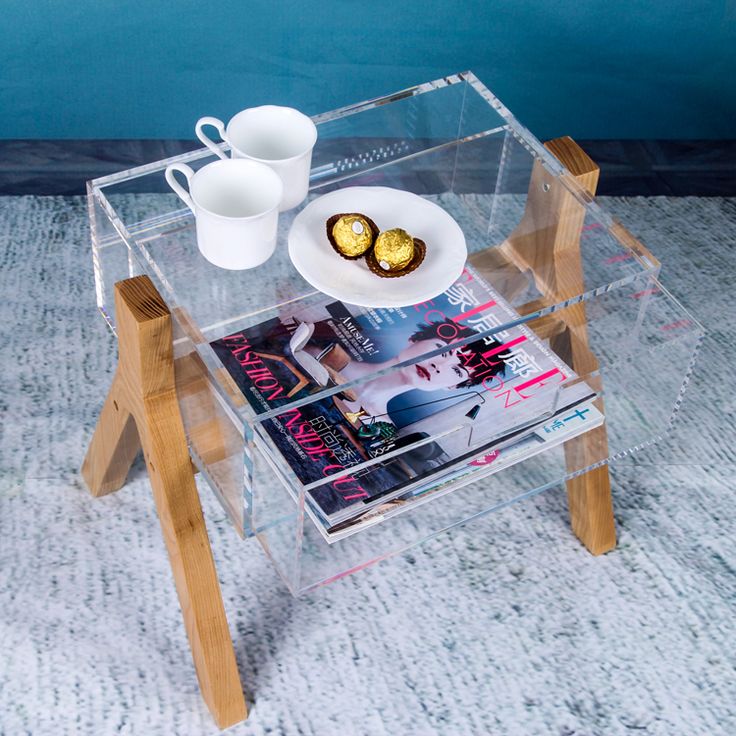
Functionality is no longer a differentiator. It is the baseline. Every desk must support work, every chair must provide comfort, and every table must serve its intended purpose. What separates products today is everything beyond that baseline.
Buyers are asking deeper questions. How does this piece enhance my environment? How does it reflect my brand or personality? Will it still feel relevant in five years? Does it create a sense of pride or inspiration?
This shift is particularly evident in both high-end residential and commercial spaces. A workspace is no longer just efficient; it must be engaging. A home is no longer just comfortable; it must be expressive. Furniture has become part of a larger narrative.
For companies working with advanced materials like synthetic crystal, this is a critical moment. The ability to go beyond function and deliver emotional and experiential value is where true differentiation begins.
Aesthetic Impact Is Now a Core Requirement
Visual appeal has moved from being a secondary consideration to a primary driver of purchasing decisions. In the age of social media, digital presentations, and brand-conscious environments, how a space looks is as important as how it works.
Buyers are increasingly drawn to materials and designs that stand out. Synthetic crystal, with its clarity, light interaction, and sculptural qualities, naturally aligns with this demand. It offers something that traditional materials often cannot a sense of depth, brilliance, and visual dynamism.
In office settings, this translates into statement pieces that communicate innovation and professionalism. A reception desk or conference table made with synthetic crystal becomes a visual anchor, reinforcing brand identity the moment someone enters the space.
In homes, the same principle applies. Buyers are not just purchasing furniture; they are curating environments. A crystal-accented dining table or coffee table becomes a centerpiece that elevates the entire room.
To adapt, product lines must prioritize design-led thinking. This means investing in form, proportion, and material expression as much as in structural integrity.
Customization Is No Longer Optional
One of the clearest signals from today’s buyers is the demand for personalization. Standardized products are increasingly perceived as generic, especially in the premium segment.
Clients want furniture that fits their specific space, aligns with their aesthetic preferences, and reflects their identity. This is true for both B2B and B2C markets. Architects and designers seek flexibility to realize their vision, while end-users want pieces that feel uniquely theirs.
Synthetic crystal provides a strong advantage here due to its adaptability in form and finish. It can be molded, layered, and combined with other materials to create highly customized solutions.
To respond effectively, companies should rethink their product strategy. Instead of offering fixed designs, consider modular systems, configurable elements, and collaborative design processes. The goal is to move from selling products to delivering solutions.
Durability and Long-Term Value Matter More Than Ever
While aesthetics and customization are critical, buyers are equally focused on longevity. The concept of value has shifted from initial cost to total lifecycle benefit.
High-end buyers, in particular, are willing to invest more upfront if the product offers durability, resilience, and timeless design. They want assurance that their investment will maintain its performance and appeal over time.
Synthetic crystal, when engineered correctly, meets these expectations. It offers resistance to wear, stability under varying conditions, and the ability to retain its visual quality. However, these advantages must be clearly communicated.
Brands need to emphasize not just how their products look, but how they perform over time. Certifications, testing data, and real-world case studies can reinforce this message and build trust.
Sustainability Is a Deciding Factor
Sustainability is no longer a niche concern. It is a mainstream expectation. Buyers across global markets are increasingly evaluating products based on their environmental impact.
This includes material sourcing, manufacturing processes, and end-of-life considerations. For many clients, especially in corporate and large-scale projects, sustainability is tied directly to brand reputation and regulatory requirements.
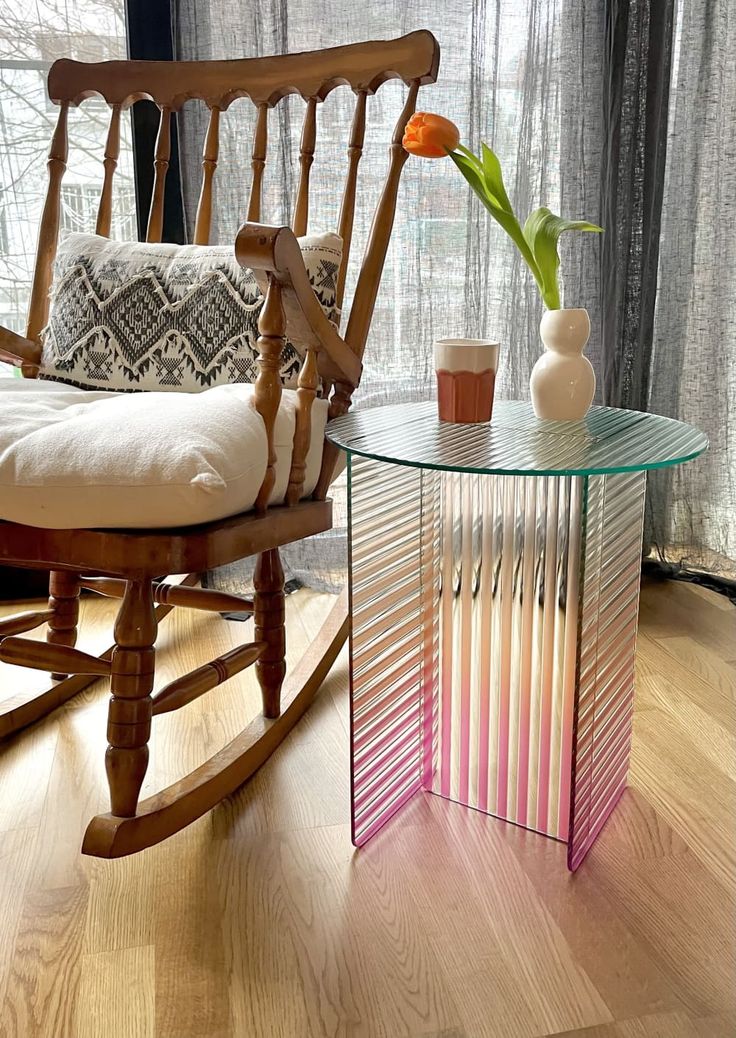
Synthetic crystal has the potential to align with these priorities, particularly when produced through controlled, efficient processes that minimize waste. The ability to recycle or repurpose materials can further enhance its appeal.
However, sustainability must be more than a claim. It requires transparency. Providing clear information about production methods, environmental impact, and certifications can differentiate a brand in a crowded market.
Integration with Technology and Modern Lifestyles
The way people live and work has changed dramatically, and furniture must adapt accordingly. Technology is now an integral part of daily life, and buyers expect their environments to support this seamlessly.
In offices, this means furniture that accommodates connectivity, collaboration, and flexibility. In homes, it means pieces that support multifunctional living, from remote work to entertainment.
There is growing interest in furniture that integrates with technology, whether through built-in lighting, charging solutions, or interactive features. Synthetic crystal, with its ability to interact with light, offers unique opportunities in this space.
For example, integrating LED systems within crystal structures can create dynamic lighting effects that enhance both functionality and ambiance. This kind of innovation not only meets practical needs but also elevates the overall user experience.
The Importance of Brand Story and Trust
Today’s buyers are not just purchasing products; they are buying into brands. Trust, credibility, and storytelling play a significant role in decision-making.
A strong brand narrative can transform how a product is perceived. For companies specializing in synthetic crystal furniture, this narrative can center on innovation, craftsmanship, and the fusion of technology and design.
Buyers want to understand the story behind the product. How is it made? What expertise is involved? What makes it different? Answering these questions clearly and consistently can build emotional connection and justify premium positioning.
Digital presence is particularly important. LinkedIn, in this context, is not just a marketing channel but a platform for thought leadership. Sharing insights, case studies, and behind-the-scenes content can position a brand as an industry authority.
Speed, Reliability, and Service Are Competitive Advantages
Beyond the product itself, the purchasing experience plays a crucial role. Buyers expect efficiency, transparency, and reliability throughout the process.
This is especially important in B2B contexts, where delays or inconsistencies can have significant consequences. Meeting deadlines, maintaining quality standards, and providing clear communication are essential.
Service is another key differentiator. Offering design support, technical guidance, and after-sales service can enhance customer satisfaction and build long-term relationships.
In the luxury segment, attention to detail is critical. Every interaction should reflect the same level of quality as the product itself.
How to Adapt Your Product Line Strategically
Understanding what buyers want is only the first step. The real challenge lies in translating these insights into actionable strategies.
First, shift from product-centric to user-centric design. Start with the needs, behaviors, and aspirations of your target audience, and design solutions around them.
Second, invest in material innovation. Leverage the unique properties of synthetic crystal to create products that are not only functional but also visually and experientially distinctive.
Third, build flexibility into your offerings. Modular designs, customization options, and collaborative processes can meet diverse client needs without compromising efficiency.
Fourth, strengthen your brand narrative. Communicate clearly what sets your products apart and why they matter.
Finally, enhance the overall customer experience. From initial engagement to final delivery, every step should reinforce your brand’s commitment to quality and professionalism.
Conclusion
The expectations of today’s furniture buyers are more complex, more demanding, and more opportunity-rich than ever before. They are looking for products that combine beauty, performance, sustainability, and meaning.
For companies in the high-end synthetic crystal furniture space, this is a chance to lead rather than follow. By understanding these evolving demands and adapting product lines accordingly, brands can move beyond competition based on price and into a space defined by innovation and value.
In a market where buyers are no longer satisfied with what furniture does but are deeply influenced by what it represents, the real question is not whether you can meet expectations, but whether you can redefine them before someone else does.


