In the global furniture industry, the difference between interest and purchase is often decided in seconds. Buyers today are exposed to countless options, both online and offline, and their expectations are shaped by high-quality visuals, immersive experiences, and increasingly sophisticated design standards. In this environment, conversion is no longer driven by price or specifications alone. It is driven by perception, emotional impact, and the ability to communicate value instantly.
For brands operating in premium segments, particularly those specializing in high-end synthetic crystal furniture, the opportunity is significant. When leveraged correctly, visual presentation and material choice can dramatically shorten decision cycles, increase perceived value, and ultimately close deals faster.
The Psychology Behind Faster Conversions
Before diving into strategy, it is important to understand how modern buyers make decisions. Research and real-world sales behavior consistently show that purchasing is largely emotional first and rational second. Buyers respond to what they see and feel before they evaluate technical details.
In furniture sales, this means that the initial visual impression carries disproportionate weight. A product that immediately communicates quality, innovation, and uniqueness has a far higher chance of moving forward in the decision process.
This is where many brands fall short. They rely on standard product images, generic showroom layouts, or technical descriptions that fail to create an emotional connection. As a result, even high-quality products can struggle to convert.
Visual Presentation as a Conversion Tool
Visual presentation is not decoration. It is strategy. It directly influences how buyers perceive value, quality, and brand positioning.
High-converting visual presentation starts with clarity and consistency. Every image, render, or physical display should communicate a unified message about the brand and the product. Lighting, composition, and context must be carefully controlled.
For synthetic crystal furniture, this becomes even more critical. The material’s defining characteristics light refraction, transparency, and depth can only be fully appreciated when presented correctly. Poor lighting or low-quality visuals can completely diminish its impact.
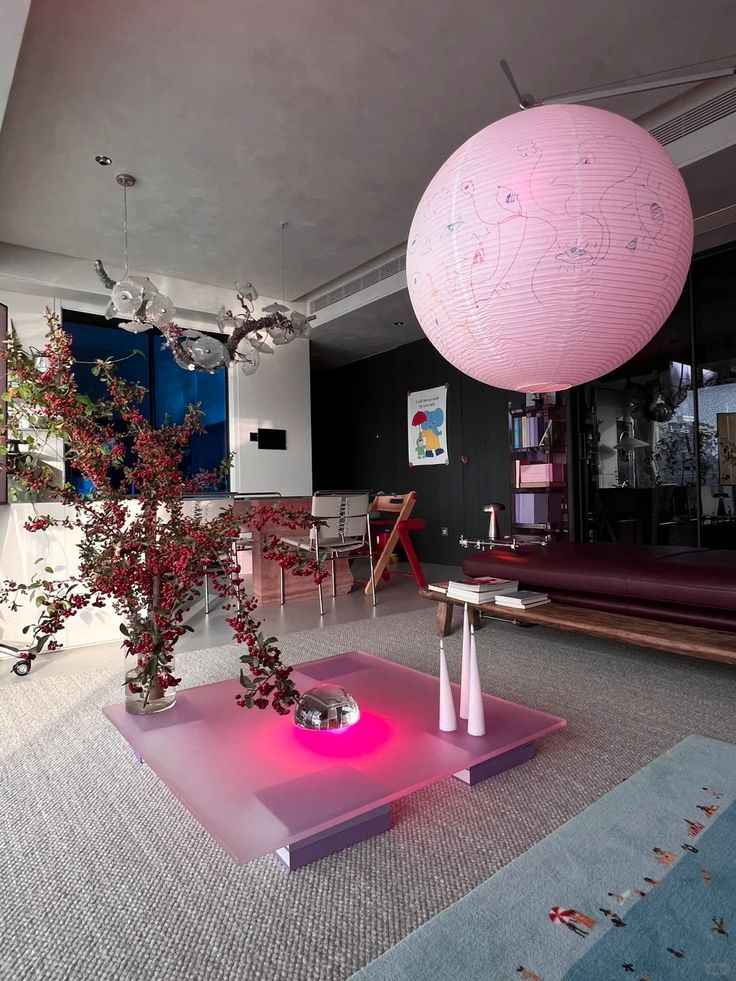
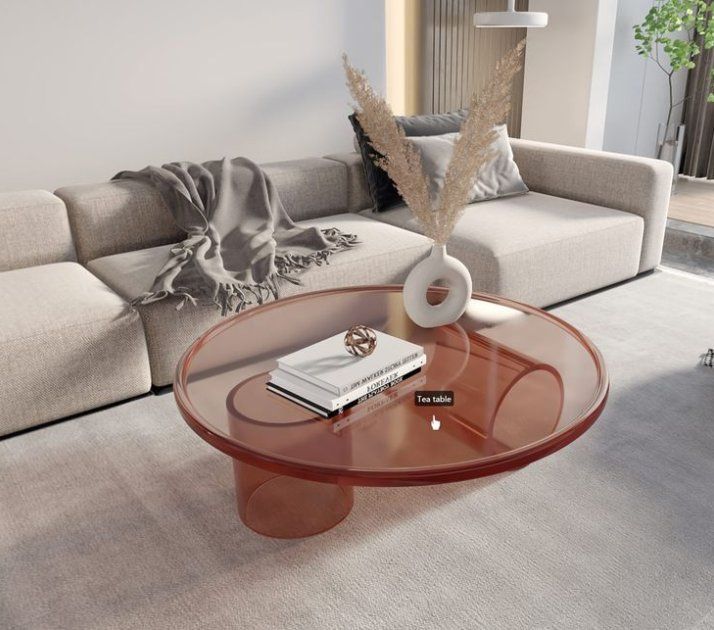
Professional photography and high-end rendering are essential. Close-up shots that highlight texture and material quality should be combined with wide-angle lifestyle images that show the product in context. In office settings, this might mean showcasing a crystal conference table within a modern, high-end workspace. In residential contexts, it could involve placing a crystal coffee table in a carefully curated living room.
Video content is equally powerful. Movement allows buyers to see how light interacts with the material, creating a dynamic experience that static images cannot replicate.
The Role of Showrooms and Digital Experiences
Physical showrooms remain important, but their role has evolved. They are no longer just places to display products; they are environments designed to create experiences.
For high-end materials like synthetic crystal, experiential presentation is key. Strategic lighting can enhance brilliance and depth. Minimalist layouts can draw attention to signature pieces. Interactive elements, such as adjustable lighting or modular displays, can engage buyers and encourage exploration.
At the same time, digital experiences are becoming equally influential. Many purchasing decisions now begin online, and in some cases, are completed without a physical visit.
Virtual showrooms, 3D configurators, and augmented reality tools allow buyers to visualize products in their own spaces. This reduces uncertainty and accelerates decision-making. For B2B clients, such tools can also streamline internal approval processes by providing clear, realistic representations.
Material Choice as a Silent Salesperson
While visual presentation attracts attention, material choice sustains it and drives conviction. The materials used in furniture communicate quality, durability, and brand positioning without a single word.
Synthetic crystal, in particular, functions as a powerful silent salesperson. Its visual clarity and interaction with light immediately signal innovation and luxury. Unlike traditional materials, it creates a sense of uniqueness that is difficult to replicate.
However, simply using a premium material is not enough. The way it is integrated into the design determines its effectiveness. Clean lines, precise finishes, and thoughtful combinations with other materials such as metal or wood can amplify its impact.
Buyers also associate material with performance. They want to know that what looks premium will also last. This is where communication becomes critical. Clearly explaining the durability, resistance, and long-term stability of synthetic crystal can remove hesitation and build confidence.
Creating Instant Perceived Value
One of the most effective ways to boost conversion is to increase perceived value at first glance. When buyers believe a product is worth more, they are more likely to engage seriously and move toward purchase.
Visual presentation and material choice work together to achieve this. A well-lit, beautifully staged product made from a distinctive material like synthetic crystal can immediately position itself in the premium category.
Context also plays a role. Placing products in aspirational environments offices with strong brand identity, homes with refined design language helps buyers envision the lifestyle or image associated with the product.
Details matter. Precision in edges, seamless joints, and flawless finishes all contribute to the perception of quality. These are often subconscious signals, but they significantly influence decision-making.
Reducing Decision Friction
A major barrier to conversion is uncertainty. Buyers hesitate when they are unsure about fit, quality, or long-term value.
Effective visual presentation reduces this friction. Clear images, multiple angles, and contextual shots answer questions before they are asked. Digital tools that allow customization or visualization further eliminate doubt.
Material choice also plays a role here. Premium, distinctive materials can simplify decision-making by standing out clearly from alternatives. Instead of comparing multiple similar options, buyers can quickly identify a product as different and superior.
Providing supporting information such as case studies, installation photos, and client testimonials can reinforce confidence and accelerate the process.
Aligning with Buyer Identity and Brand
In both B2B and B2C markets, buyers are increasingly making decisions based on identity. Companies choose furniture that reflects their brand values. Individuals choose pieces that express their lifestyle.
Visual presentation must align with this. The way products are shown should resonate with the target audience’s aspirations. For corporate clients, this might mean emphasizing innovation, transparency, and professionalism. For residential buyers, it could focus on elegance, comfort, and uniqueness.
Synthetic crystal is particularly effective in this context because it naturally conveys modernity and forward-thinking design. When positioned correctly, it can help buyers feel that they are making a progressive and sophisticated choice.
Speeding Up the Sales Cycle
When visual presentation and material choice are optimized, the entire sales cycle becomes more efficient. Buyers move from awareness to interest to decision more quickly because fewer barriers exist.
Sales teams benefit as well. High-quality visuals and distinctive materials make it easier to communicate value, reducing the need for lengthy explanations. Meetings become more focused, and objections are easier to address.
In global markets, where time zones, communication gaps, and logistical complexities can slow down deals, this efficiency is particularly valuable.
Practical Steps to Implement
To translate these insights into action, companies should start by auditing their current presentation. Are product images truly showcasing material quality? Do showrooms highlight key features effectively? Are digital tools supporting or hindering the buying process?
Investing in professional visual assets is one of the highest-return decisions a brand can make. This includes photography, video, and 3D visualization.
At the same time, product development should prioritize material expression. Instead of treating materials as secondary, they should be central to design decisions.
Training sales teams to leverage these assets is equally important. They should understand how to use visuals and material stories to guide conversations and influence perception.
Conclusion
In a market where attention is limited and competition is intense, conversion is won or lost in the details that buyers see and feel first. Visual presentation and material choice are no longer supporting elements; they are central drivers of sales performance.
For brands working with high-end synthetic crystal furniture, the advantage is clear. When the brilliance of the material is matched with strategic presentation, products do more than attract attention they create desire, build confidence, and accelerate decisions.
And in a world where buyers are constantly searching for something that stands out instantly, the real question is not whether your products are good enough, but whether they are presented in a way that makes them impossible to ignore.


