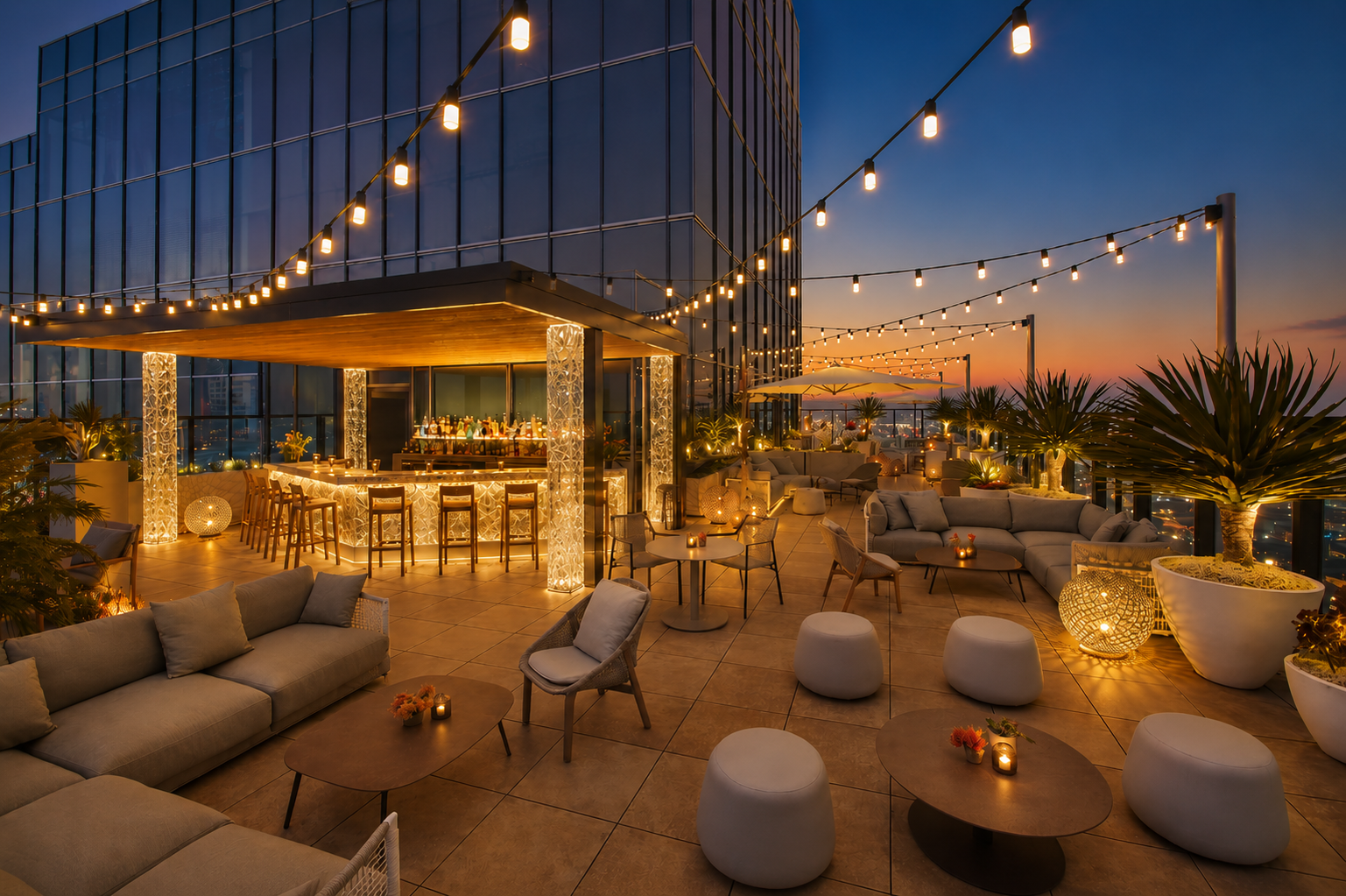
In a competitive commercial environment, a brand is no longer defined only by its logo, advertising language, product catalog, or digital presence. Customers, employees, investors, and business partners now evaluate a company through every physical touchpoint they experience. A hotel lobby, retail flagship, showroom, office reception area, restaurant, clinic, gallery, or luxury sales center silently communicates what the brand believes, how carefully it serves people, and whether it deserves trust. In this context, high-end materials are not decorative extras. They are strategic brand assets.
Premium materials influence brand image because they make abstract values visible. A brand may claim to be refined, reliable, sustainable, innovative, or human-centered, but the commercial space must prove it. Marble, architectural glass, stainless steel, brass, engineered stone, FSC-certified wood, low-VOC finishes, acoustic textiles, terrazzo, premium acrylic, solid-surface materials, and high-performance ceramics each send a signal. Their weight, texture, reflectivity, durability, acoustic behavior, maintenance quality, and environmental credentials shape how people interpret the brand before a salesperson or receptionist says a word.
McKinsey’s research on design value found that top-quartile design performers achieved revenue growth 32 percentage points higher and total returns to shareholders 56 percentage points higher than industry peers over a five-year period. The report also argues that strong design works across physical, service, and digital settings, which is especially relevant for commercial interiors where brand experience becomes tangible.
1. Premium materials make brand positioning immediately believable
The first task of a commercial space is to reduce uncertainty. When a visitor enters a high-end law firm, private clinic, luxury showroom, boutique hotel, jewelry store, or corporate headquarters, they begin forming judgments within seconds. They ask, consciously or unconsciously: Is this company competent? Is it stable? Is it worth the price? Does it understand quality? Can I trust it?
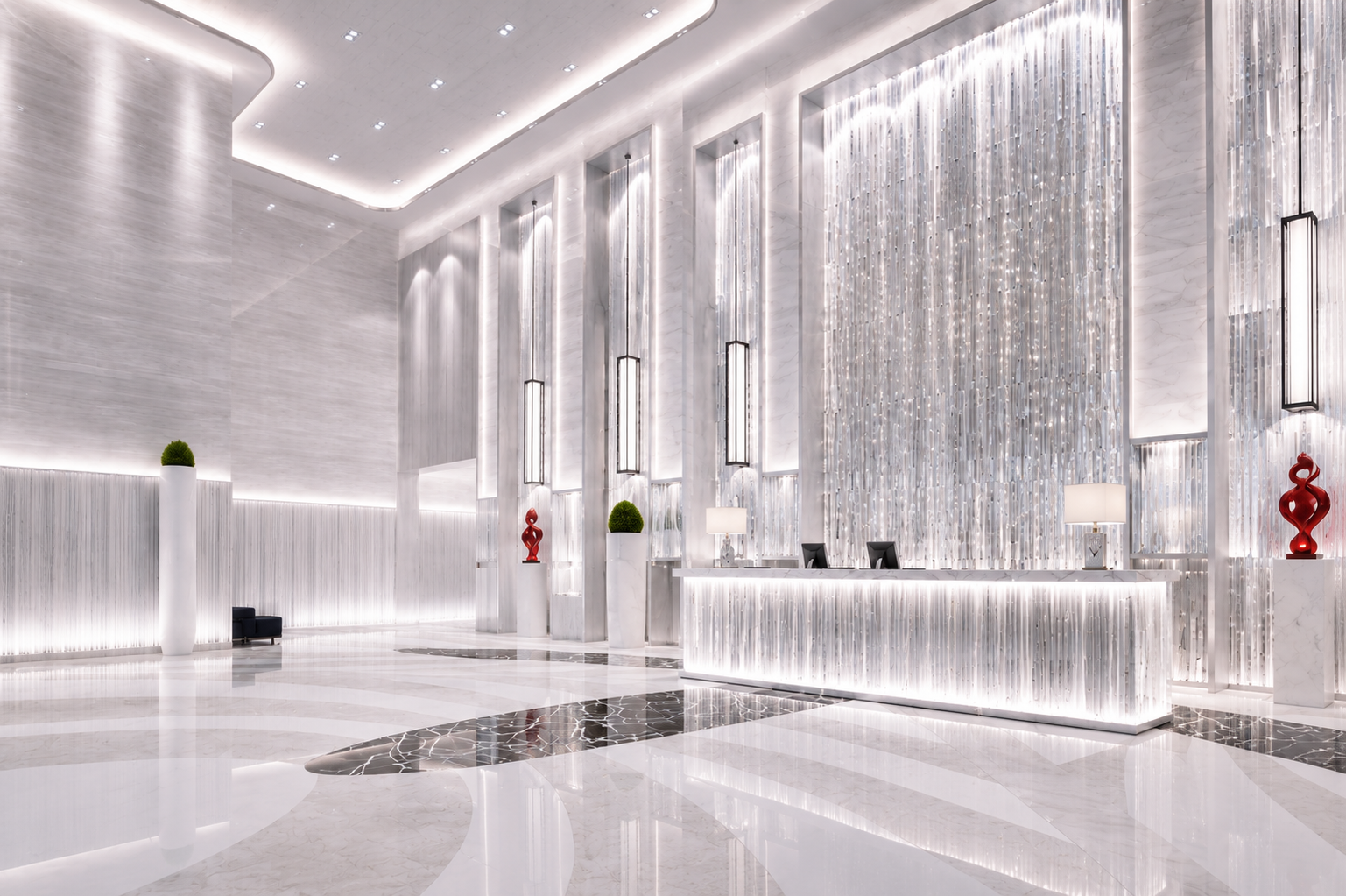
Materials answer those questions faster than written claims. A reception desk made with book-matched stone, brushed metal details, and seamless lighting does more than look attractive. It establishes seriousness. A transparent acrylic display system in a luxury retail environment can communicate precision, lightness, and contemporary taste. A warm timber wall in a private banking lounge may create a sense of discretion and permanence. A polished terrazzo floor in a design studio can suggest creativity and craft without appearing excessive.
This is why premium materials are especially important in businesses where value is partly intangible. Consulting firms sell expertise. Healthcare clinics sell confidence. Hospitality brands sell atmosphere. Luxury retailers sell aspiration. Commercial developers sell future value. In each case, customers cannot fully evaluate the service before purchase. The physical environment becomes evidence.
Deloitte’s Global Powers of Luxury Goods 2023 report notes that luxury brands have traditionally represented the pinnacle of craftsmanship and exclusivity, while also using technology and new experience models to make shopping more distinctive and enjoyable. In physical spaces, materials are central to that distinctiveness because they let customers feel the difference between ordinary and premium positioning.
For example, a premium watch retailer using mineral glass, dark brushed metal, leather wall panels, and precise display lighting creates a controlled environment that mirrors the engineering of the products. A wellness clinic using low-glare stone, antimicrobial surfaces, soft acoustic panels, and natural wood makes medical expertise feel calmer and more personal. A corporate office using high-performance glass partitions, refined joinery, and durable flooring shows that the company values transparency, order, and long-term thinking.
The key is alignment. Expensive materials alone do not create a strong brand image. They must match the brand’s promise. A technology company may benefit more from translucent acrylic, aluminum, glass, and modular surfaces than from heavy classical marble. A heritage hotel may need timber, stone, bronze, and handmade ceramic details to communicate continuity. A children’s education brand should not look overly cold or luxurious; it may need durable, safe, tactile, colorful, and easy-clean premium materials that express care rather than status.
When material choices are consistent with positioning, the space becomes believable. Customers do not feel that the brand is performing luxury; they feel that quality is built into the brand’s operating system.
2. Premium materials improve perceived value and justify premium pricing
Brand image and pricing power are closely connected. Customers are more willing to accept a higher price when the environment supports the value story. In commercial interiors, premium materials help translate cost into perceived worth.
This is particularly clear in retail, hospitality, restaurants, medical aesthetics, real estate sales centers, and professional service environments. A customer who enters a showroom with thin laminate counters, visible wear, poor lighting, and noisy flooring may question why the product or service is expensive. The same offering presented through stone, glass, refined acrylic displays, metal trims, soft-touch seating, and carefully detailed lighting feels more credible at a premium price point.
The psychology is simple: people use environmental cues as shortcuts. Heavy materials suggest permanence. Smooth surfaces suggest precision. Natural variation in stone or wood suggests uniqueness. Clear acrylic and glass suggest openness and modernity. Soft acoustics suggest privacy. Well-detailed junctions suggest discipline. When these cues work together, they raise perceived value before any sales conversation begins.
Bain & Company and Altagamma’s Luxury Study reported that overall luxury spending reached about €1.48 trillion globally in 2024, while noting that brands need reinvention to fully benefit from long-term growth. In a more selective luxury market, physical spaces must work harder to prove value, not merely display products.
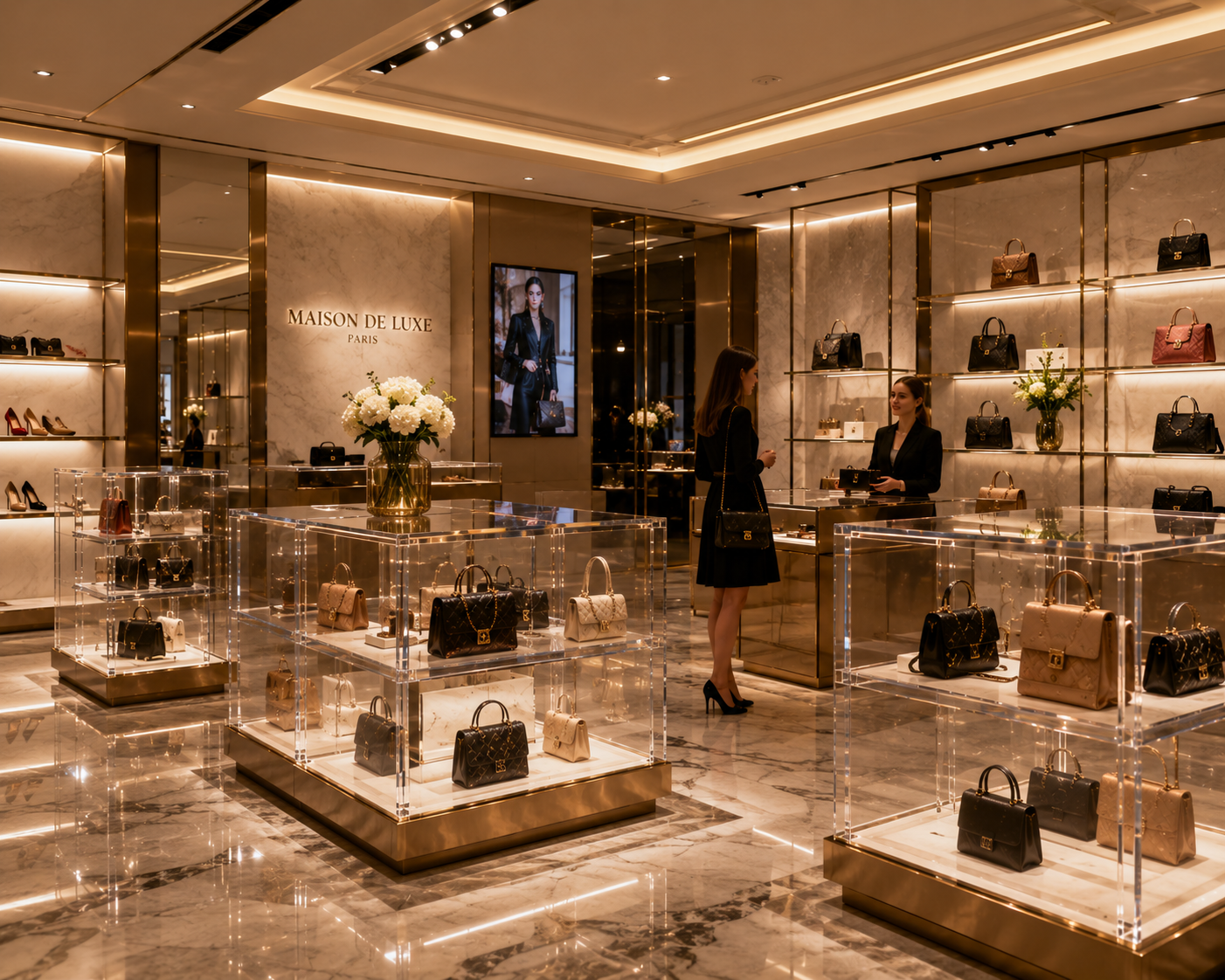
In practical terms, this means a commercial space should not only look expensive. It should explain why the brand deserves a premium. A luxury furniture showroom can use premium acrylic plinths to make products appear weightless and collectible. A boutique hotel can use natural stone in check-in areas but switch to warmer wood and textiles in guest lounges to balance prestige with comfort. A jewelry store can use dark lacquer, glass, and directional lighting to create contrast, making gemstones appear more vivid. A high-end gym can use anti-slip large-format tiles, metal mesh, acoustic baffles, and durable solid-surface counters to communicate both performance and hygiene.
Premium materials also support pricing because they age better. A commercial space with low-quality finishes often looks tired quickly, which weakens the brand and increases renovation frequency. Durable materials such as sintered stone, architectural metal, high-pressure compact surfaces, engineered quartz, premium acrylic, and commercial-grade timber veneers can preserve a refined appearance under heavy use. In high-traffic environments, long-term visual stability is part of brand discipline.
The best commercial brands treat material durability as a customer-facing promise. They understand that scratches, stains, loose edges, yellowing plastics, noisy floors, and cheap hardware are not merely maintenance issues. They are brand messages. Every visible defect tells the visitor that the company may tolerate compromise. Conversely, a space that remains crisp after years of use communicates reliability.
3. Premium materials create memorable sensory experiences
A brand becomes stronger when people remember it clearly. In physical commercial spaces, memory is not built only through graphics or slogans. It is built through sensory experience: touch, sound, light, temperature, movement, scent, and spatial rhythm. Premium materials allow a brand to design these sensory signals with precision.
A marble counter feels cool and substantial. Brushed brass catches light warmly. Acrylic can create luminous transparency. Timber softens a room emotionally. Acoustic fabric reduces stress by absorbing noise. Textured ceramic adds depth without visual clutter. Glass can make a space feel open, democratic, and clean. Leather can suggest intimacy and exclusivity. These sensations help visitors attach feelings to the brand.
Gensler’s Design Forecast 2024 frames design as a tool for transforming challenges into positive change across the built environment. While the report covers many sectors, its relevance to commercial spaces is clear: design is no longer just about visual style; it is about shaping how people experience workplaces, cities, lifestyle environments, and service spaces.
In real business settings, sensory design can influence customer behavior. A premium bakery may use natural stone counters, warm metal shelving, handmade tiles, and open display glass to make freshness and craft visible. A luxury car showroom may combine polished concrete, metallic wall systems, glass partitions, and soft lounge furniture to balance engineering with lifestyle. A private members’ club may use velvet, timber, stone fireplaces, and dimmable lighting to create a sense of belonging and ritual.
Materials also help brands create “signature moments.” A hotel may become known for a dramatic stone staircase. A retail flagship may be remembered for a transparent acrylic installation. A headquarters may use a sculptural reception wall made of layered wood or metal to express innovation. A restaurant may use a hand-finished bar counter as the emotional center of the space. These features become photographic assets, social media content, and word-of-mouth triggers.
However, sensory richness must be controlled. Too many premium materials can make a space feel chaotic or artificial. A strong brand image usually depends on a disciplined material palette: one dominant material, one supporting texture, one accent finish, and one lighting strategy. For example, a minimalist luxury showroom might combine matte stone flooring, clear acrylic displays, brushed stainless steel, and soft wall lighting. A wellness brand might combine limewash walls, oak, woven acoustic panels, and warm stone. The restraint makes the brand feel confident.
Premium materials also influence sound, which is often overlooked. In restaurants, offices, clinics, and retail stores, excessive noise can make a space feel cheap or stressful even when it looks beautiful. Acoustic panels, upholstered surfaces, timber slats, carpets, curtains, and textured wall systems can reduce harsh reverberation. A quieter environment makes customers stay longer, speak more comfortably, and perceive the brand as more considerate.
The sensory dimension of materials matters because people may forget a brochure, but they remember how a place made them feel.
4. Premium sustainable materials strengthen trust and modern brand responsibility
Today, high-end brand image is not only about luxury. It is also about responsibility. Customers, tenants, employees, and investors increasingly expect commercial spaces to demonstrate environmental awareness. Premium materials can support this expectation when they are responsibly sourced, durable, low-emission, recyclable, or certified.
Sustainability has moved from a niche preference to a mainstream value signal. PwC’s 2024 Voice of the Consumer Survey, based on more than 20,000 consumers across 31 countries and territories, found that 80% of consumers said they were willing to pay more for sustainably produced or sourced goods, with an average stated premium of 9.7%. PwC also reported that 85% of consumers said they had experienced disruptive effects of climate change in daily life.
McKinsey and NielsenIQ also reported that 78% of U.S. consumers said a sustainable lifestyle was important to them, while more than 60% of respondents in a McKinsey U.S. consumer sentiment survey said they would pay more for sustainable packaging.
For commercial interiors, this means material choices can either strengthen or weaken trust. A brand that claims sustainability but uses disposable displays, poor-quality plastics, high-VOC coatings, and short-life decorative finishes risks being perceived as superficial. A brand that uses recycled metal, certified timber, low-VOC paint, durable acrylic, modular fixtures, energy-efficient lighting, and repairable furniture can make sustainability visible and credible.
The most persuasive sustainable commercial spaces are specific. They do not rely on vague “green” language. They show proof through material labels, supplier transparency, environmental product declarations, LEED or WELL-aligned choices, and visible durability. For example, a retail store can explain that its display units are modular and reusable across seasons. A corporate office can specify that its carpets contain recycled content and its wood is responsibly certified. A hotel can choose stone, ceramic, and metal finishes that last for decades rather than trendy surfaces that require frequent replacement.
Sustainability also contributes to premium perception because waste now feels outdated. In many markets, a space that looks luxurious but environmentally careless may appear disconnected from modern values. High-end brands increasingly need to express refinement and responsibility at the same time.
This does not mean every material must look rustic or “eco.” Premium sustainability can be elegant. Recycled glass can look jewel-like. Reclaimed timber can feel rich and architectural. Low-carbon concrete can support a minimalist industrial identity. Acrylic displays can be designed for long-term reuse rather than single-campaign disposal. High-quality metal can be refinished instead of replaced. The point is not to make sustainability decorative, but to make it operational.
For business owners, sustainable premium materials also reduce reputational risk. Greenwashing concerns are real, and customers are becoming more alert to unsupported claims. A commercial space that embodies sustainability through measurable material decisions gives the brand a stronger foundation for communication.
5. Premium materials support employee pride, productivity, and workplace culture
Commercial space is not only for customers. Offices, studios, headquarters, clinics, hotels, restaurants, and showrooms are also workplaces. The materials used in these environments influence how employees feel about the organization and how confidently they represent the brand.
A poorly finished workplace can quietly damage culture. Employees may interpret cheap materials, bad acoustics, poor lighting, uncomfortable surfaces, and worn-out furniture as signs that the company does not care about quality or people. By contrast, a well-designed workplace with durable, healthy, and refined materials can create pride. Staff members become more willing to invite clients, take ownership of the space, and align their behavior with the brand’s standards.
CBRE’s 2024 Americas Office Occupier Sentiment Survey found that about 80% of organizations had a return-to-office policy, yet only 17% actively enforced those policies. The survey also found a gap between employer expectations and employee behavior, with many organizations wanting more in-office attendance. In that context, the quality of the physical workplace matters because employees need a reason to believe the office is worth the commute.
Premium materials can help make the workplace a brand experience rather than a compulsory location. A company that wants to express innovation may use transparent partitions, modular furniture systems, writable glass, acoustic pods, and refined technical surfaces. A law firm may use stone, timber, leather, and controlled lighting to express discretion and authority. A creative agency may use exposed structure, colorful acoustic materials, recycled plastics, and flexible display systems to express experimentation. A luxury brand headquarters may use the same materials found in its stores so employees feel connected to the customer-facing identity.
Health-related material choices are especially important. Harvard T.H. Chan School of Public Health’s COGfx research found that cognitive function test scores doubled in simulated green building environments with enhanced ventilation compared with conventional building environments. The research program also highlights the relationship between indoor air quality, cognitive function, and human performance.
Although ventilation is not a “material” in the narrow sense, material selection affects indoor environmental quality. Low-VOC paints, adhesives, sealants, flooring, composite wood, and furniture can support healthier air. Acoustic materials reduce stress. Anti-glare surfaces improve visual comfort. Easy-clean counters and antimicrobial surfaces support hygiene. In commercial spaces where people spend long hours, these choices influence not only comfort but also brand credibility.
A brand that invests in healthy, durable, and beautiful materials sends a strong internal message: quality starts here. Employees who work in such environments are more likely to feel that the company’s external promises are authentic. This alignment between internal culture and external image is essential. Customers can often sense when a brand’s front-stage luxury is not supported by back-stage standards.
6. Premium materials increase long-term asset value and brand consistency
Brand image is not built in one opening week. It is built through repeated impressions over months and years. This is where premium materials offer a major commercial advantage: they protect consistency.
Cheap finishes may look acceptable on day one, but commercial spaces are demanding. Floors face foot traffic. Counters face impact. Displays are moved. Walls are touched. Chairs are dragged. Cleaning chemicals are used daily. Sunlight changes color. Moisture tests joints. In high-traffic environments, low-quality materials deteriorate quickly. Once deterioration becomes visible, the brand image declines.
Premium materials help resist that decline. Sintered stone resists stains and heat. High-quality acrylic keeps displays crisp and transparent when properly specified and maintained. Stainless steel and aluminum provide durability in high-contact areas. Engineered quartz offers consistency for counters. Porcelain slabs provide large-scale visual impact with strong performance. Commercial-grade timber veneers and laminates can balance warmth with stability. Premium acoustic materials maintain comfort in busy spaces. These choices reduce the risk that the environment will contradict the brand promise.
There is also a real estate value dimension. CBRE’s analysis of approximately 20,000 U.S. office buildings found that LEED-certified buildings had average rents 31% higher than non-LEED-certified buildings. After accounting for factors such as location, age, size, renovation history, and amenities, LEED-certified buildings still commanded an average rent premium of 3.7%.
This data does not mean certification alone creates brand value, nor does it mean every premium material automatically increases rent. But it does show that the market recognizes quality, performance, and environmental responsiveness. For commercial landlords, developers, franchise operators, and brand owners, better material standards can support stronger positioning, tenant attraction, and long-term competitiveness.
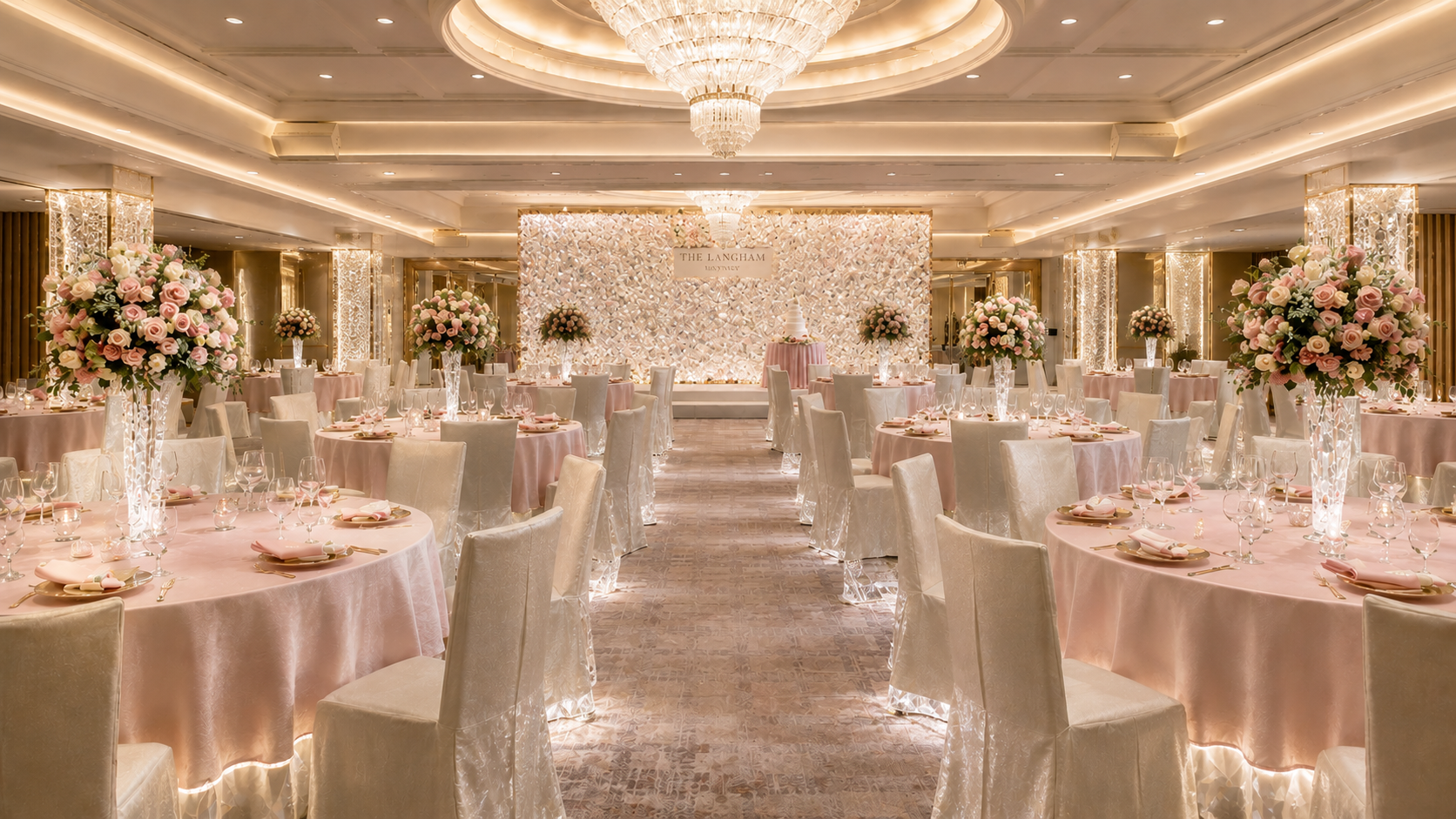
Brand consistency is especially important for companies with multiple locations. A chain restaurant, clinic network, retail brand, coworking operator, or hotel group must create a recognizable experience without making every branch feel identical. Premium materials can provide that balance. A brand might standardize its acrylic display language, counter surface, lighting temperature, door handles, wall texture, or flooring type while adapting layout and local details for each site. This creates familiarity without monotony.
Material specifications also help control execution quality. Clear standards for thickness, finish, edge detail, reflectivity, fire rating, cleanability, VOC levels, slip resistance, and maintenance procedures prevent the brand image from depending entirely on local contractors. In this sense, premium materials are part of brand governance.
The strongest commercial spaces are not those that simply spend more. They are those that choose materials with strategic intent. Every surface should answer a brand question: Does this material express who we are? Does it improve the customer experience? Does it support employee behavior? Does it last? Does it photograph well? Does it meet sustainability expectations? Does it justify our price? Does it still look good after five years?
When the answer is yes, materials become more than finishes. They become brand infrastructure.
Conclusion
High-end materials help commercial spaces elevate brand image because they turn brand promises into physical evidence. They make positioning believable, support premium pricing, create sensory memory, strengthen sustainability credibility, improve employee pride, and protect long-term consistency. In a market where customers compare brands instantly and experiences are shared publicly, the quality of a physical space can either reinforce or weaken everything a company says about itself.
The most effective commercial interiors do not use premium materials randomly. They use them with discipline. A luxury brand may need stone, metal, glass, and precise lighting. A wellness brand may need natural textures, healthy finishes, acoustic softness, and warm surfaces. A technology brand may need transparency, modularity, refined acrylic, and high-performance materials. A hospitality brand may need durable elegance that feels personal rather than staged.
Ultimately, premium materials are powerful because people believe what they can see, touch, hear, and feel. A brand that invests in material quality is not simply decorating a space. It is shaping trust, memory, and perceived value at the exact moment when people are deciding what the brand means.