These characteristics become commercially valuable when they are translated into practical customer benefits. Acrylic furniture can make rooms feel more open, preserve architectural views, create luxury lighting effects, and support customized dimensions, colors, finishes, and functions. Its compatibility with marble, metal, wood, leather, fabric, and illumination also allows brands to develop recognizable collections for different customer groups.
Original design is essential for avoiding price-based competition. Signature shapes, coordinated product families, mixed materials, and controlled customization can increase product recognition and reduce direct comparison with generic alternatives.
Manufacturing quality creates an additional competitive barrier. Material purity, cutting accuracy, edge polishing, clean bonding, controlled forming, structural engineering, quality inspection, packaging, and installation all influence customer trust.
Long-term competitiveness depends on combining these capabilities with professional service, brand storytelling, visual presentation, design ownership, market partnerships, and after-sales support. When developed as a complete system, acrylic furniture becomes not only a product, but also a platform for premium positioning and sustainable growth.
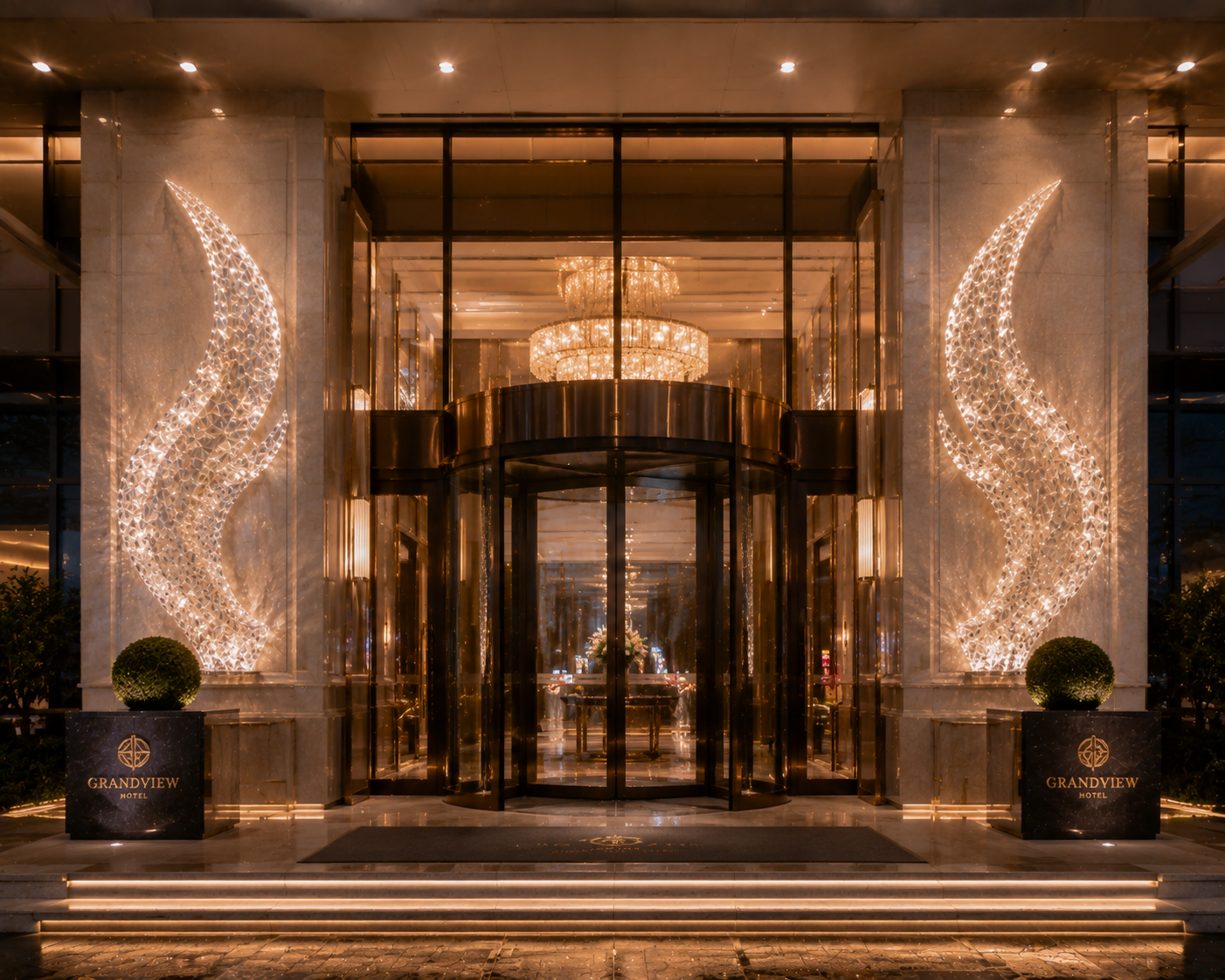
Competition in the furniture industry is becoming increasingly intense.
Manufacturers face pressure from rising material costs, rapidly changing design trends, global supply chains, low-cost competitors, and customers who expect more personalized products. At the same time, digital platforms have made it easier for buyers to compare prices, styles, dimensions, and suppliers.
In this environment, companies that depend only on basic manufacturing capability often find it difficult to maintain strong margins.
A table made from conventional materials may look similar to hundreds of other tables. A chair may be copied quickly. A cabinet may be compared mainly by size, finish, and price. When products lack distinctive characteristics, customers have little reason to remain loyal to one supplier.
Synthetic crystal acrylic furniture offers a different competitive path.
Its transparency, optical depth, sculptural flexibility, and relationship with light allow companies to create products that are visually different from traditional wood, metal, stone, and upholstered furniture. When acrylic is processed with precision, it can appear modern, artistic, luxurious, and technically advanced.
These qualities give manufacturers and brands an opportunity to compete through material identity rather than price alone.
However, using acrylic does not automatically create competitiveness.
Low-quality transparent furniture can look inexpensive, temporary, or poorly constructed. The material must be selected carefully, designed intelligently, processed accurately, and presented professionally. Only then can its distinctive qualities become commercial advantages.
The strongest market position is created when material, design, manufacturing, service, and branding work together.
Synthetic crystal acrylic furniture can help a company enter premium residential markets, luxury hospitality projects, retail environments, galleries, offices, exhibitions, and customized commercial projects. It can also support stronger storytelling, greater product recognition, and more flexible customization.
This article examines how companies can use this distinctive material to create stronger market competitiveness.
1. Material Differentiation as a Competitive Starting Point
Material is one of the first elements customers notice when evaluating furniture.
It influences appearance, texture, weight, durability, maintenance, price, and emotional response. It also affects how easily a product can be compared with competing products.
Furniture made from common materials often enters highly competitive categories.
Wood tables compete with many other wood tables. Metal shelving is compared with similar metal systems. Glass coffee tables are compared through dimensions, thickness, and price. Even well-made products can become difficult to differentiate if the material and form are familiar.
Synthetic crystal acrylic creates a different visual category.
It is transparent or translucent, but it does not behave exactly like glass. It can be thick, curved, colored, bonded, layered, engraved, illuminated, or combined with other materials. It can appear almost invisible from one angle and highly sculptural from another.
This unusual visual character helps products attract attention.
Acrylic furniture can occupy space without creating the same visual heaviness as solid furniture. A clear table allows the floor and surrounding objects to remain visible. A transparent chair adds function without adding a large block of color. A crystal-like console can reflect light and create depth while preserving the architecture behind it.
These characteristics are valuable in contemporary interiors, where openness and visual balance are increasingly important.
Material differentiation also helps reduce direct price comparison.
A standard wooden side table may be compared with many similar products. A custom acrylic side table with a thick polished base, curved structure, and special tint is more difficult to compare directly.
The customer begins to evaluate design, finish, originality, and emotional value rather than only material cost.
This shift is commercially important.
Price competition is usually strongest when products appear interchangeable. When buyers believe that several suppliers can provide the same result, they often choose the lowest quotation.
Distinctive materials reduce this sense of interchangeability.
Acrylic can also help a brand develop a recognizable identity.
Some furniture companies are known for natural wood craftsmanship. Others are associated with metal structures, upholstered comfort, or stone surfaces. A brand that specializes in high-quality synthetic crystal acrylic can occupy a more focused position.
This specialization can make the company easier to remember.
It can also support stronger professional credibility. Interior designers, retailers, and project clients may approach the company specifically for transparent furniture, complex acrylic structures, or custom display solutions.
Material expertise becomes part of the brand promise.
However, specialization should not mean limitation.
Acrylic works well with many other materials. It can be combined with marble, stainless steel, brass, timber, leather, fabric, glass, and lighting systems. This compatibility allows companies to develop broad product collections while maintaining a consistent material identity.
For example, a dining table may use an acrylic base with a stone top. A chair may combine clear acrylic with leather upholstery. A cabinet may use acrylic doors with metal details. A console may use tinted acrylic and brushed brass.
These combinations create both familiarity and distinction.
Customers recognize the traditional materials, but the acrylic introduces something unexpected.
This balance can make products easier to accept in premium markets.
Material differentiation is therefore not simply a visual strategy. It influences pricing, customer memory, market positioning, product development, and brand recognition.
For companies seeking stronger competitiveness, the key is not only to use acrylic.
The key is to use it in a way that competitors cannot easily reproduce.
2. Transforming Material Features into Customer Value
Customers do not buy material characteristics in isolation.
They buy the benefits, experiences, and results those characteristics create.
Transparency, for example, is not valuable only because customers can see through the furniture. It becomes valuable when it makes a room feel larger, preserves views, reduces visual congestion, or highlights surrounding architecture.
Acrylic furniture becomes commercially successful when technical features are translated into meaningful customer value.
The first important feature is visual lightness.
A clear or lightly tinted acrylic table can provide a functional surface without making the room feel crowded. This is especially useful in apartments, boutique hotels, luxury bedrooms, dressing rooms, retail stores, and compact offices.
For residential customers, the benefit is a more open and comfortable environment.
For designers, the benefit is greater freedom to arrange furniture without blocking sight lines.
For hotel and retail clients, the benefit is better use of limited space.
The second feature is optical depth.
Thick acrylic can create a crystal-like effect. Light enters the material, gathers around polished edges, and produces reflections that change according to the viewing angle.
This effect creates emotional value.
The furniture can feel more refined, luxurious, and artistic. It becomes more than a practical object. It becomes part of the room’s visual experience.
Customers may be willing to pay more because the product creates a stronger emotional response.
The third feature is flexibility of form.
Acrylic can be cut, bent, bonded, machined, engraved, layered, and polished. It can be formed into clean geometric shapes or soft continuous curves.
This allows designers to create furniture for specific concepts.
A luxury residence may require a minimal transparent console. A hotel may need a curved bench inspired by water. A jewelry store may need custom pedestals designed around particular products.
The material supports both standardized products and one-off projects.
The fourth feature is color flexibility.
Clear acrylic is the most recognizable option, but tinted acrylic can create stronger differentiation. Smoke gray, bronze, blue, amber, rose, black, champagne, and custom translucent colors can help brands develop distinctive collections.
Color changes the emotional quality of the furniture.
Clear acrylic feels clean and adaptable. Bronze may feel warm and sophisticated. Gray may feel architectural. Blue may suggest technology or water. Amber can create a softer and more decorative atmosphere.
This flexibility allows the same material to enter different market segments.
The fifth feature is compatibility with light.
Acrylic can interact strongly with natural and artificial lighting. Polished edges can glow. Frosted surfaces can diffuse light. Embedded lighting can turn a table, display, or cabinet into an illuminated object.
This is especially valuable in hospitality, retail, exhibitions, and entertainment spaces.
Lighting increases visibility and creates stronger visual identity.
A retail display may attract attention from a distance. A hotel bar may change character in the evening. A reception desk may become a recognizable brand feature.
The sixth feature is relative weight compared with glass.
Acrylic can create transparent forms with less weight than equivalent glass structures. This may simplify handling, installation, and certain design applications.
It can also reduce some safety concerns associated with fragile glass, although the correct material and engineering must still be selected for each use.
The seventh feature is customization.
High-end buyers increasingly want products that fit specific spaces. Acrylic can be produced in custom sizes, shapes, colors, and finishes.
The commercial benefit is significant.
Customized furniture is less likely to be compared only by price. The supplier becomes involved in problem-solving, design development, and technical coordination.
This deeper relationship increases customer trust and strengthens the supplier’s position.
To communicate these benefits successfully, companies should avoid describing acrylic only through technical language.
Customers may not care about processing methods until they understand the result.
Instead of saying only that the product uses thick cast acrylic, the company can explain that the thickness creates greater optical depth, stronger light reflection, and a more substantial luxury appearance.
Instead of describing a polished edge only as a production detail, the brand can show how it creates a clean crystal-like line.
Instead of saying that the product is customizable, the company can demonstrate how a custom dimension solves a specific interior problem.
Features become competitive advantages only when customers understand their value.
.png)
3. Design Innovation and Product Recognition
Distinctive material creates opportunity, but design determines whether that opportunity becomes a recognizable product.
Many companies use acrylic only to reproduce familiar furniture forms. They make simple clear boxes, standard tables, basic chairs, or glass-like shelves.
These products may be functional, but they do not fully use the material’s potential.
If the design looks generic, competition will eventually return to price.
Strong market competitiveness requires original design.
Acrylic should be treated as a design medium rather than a substitute for glass or another transparent material.
Its ability to bend, layer, bond, and create optical depth should influence the form of the product.
For example, a table can use curved acrylic to create a continuous flowing base. A chair can use transparency to make its structure appear lighter. A cabinet can combine clear, frosted, and colored sections. A bench can use thick acrylic blocks that resemble ice or crystal.
These designs create stronger visual memory.
Product recognition is essential in a crowded market.
Customers may see hundreds of furniture images online. If a product does not have a distinctive shape, material combination, or visual detail, it may be forgotten quickly.
A signature design language helps a brand become recognizable.
This language may be based on particular curves, edge details, thicknesses, colors, joints, or mixed-material combinations.
For example, a brand may become known for thick transparent bases with softly rounded corners. Another may use smoke-colored acrylic with brushed metal. Another may specialize in sculptural illuminated furniture.
Consistency across products strengthens recognition.
Collections are especially useful.
Instead of creating unrelated individual pieces, a company can develop coordinated product families. A collection may include a dining table, coffee table, side table, console, chair, bench, and shelf.
The pieces may share the same geometry, tint, edge profile, or construction method.
Collections create several commercial advantages.
They make marketing more coherent. They allow designers to specify multiple products from one brand. They encourage customers to purchase coordinated pieces. They also support showroom presentation and visual storytelling.
Design innovation can also improve functionality.
Acrylic furniture does not need to be purely decorative. It can include storage, lighting, cable management, adjustable components, modular structures, and integrated display functions.
A transparent desk may include hidden cable channels. A retail pedestal may include lighting and secure access. A cabinet may combine clear doors with concealed storage. A table may use removable tops or replaceable components.
These features increase practical value while maintaining a clean appearance.
Mixed materials provide another path to innovation.
Acrylic alone can sometimes feel cold or visually light. Combining it with warm or solid materials creates contrast.
Acrylic and wood can balance transparency with natural warmth. Acrylic and marble can combine visual lightness with luxury. Acrylic and metal can create precision and glamour. Acrylic and upholstery can balance hard surfaces with comfort.
The strongest combinations are not random.
They should support the design concept and target market.
A luxury hotel may prefer bronze acrylic with brass and velvet. A modern office may use clear acrylic with stainless steel. A residential collection may combine acrylic with walnut and fabric.
Each combination creates a different market position.
Customization can also be structured as part of design strategy.
Fully custom products can be expensive and difficult to scale. A more efficient model is controlled customization.
The company may offer a standard design with optional sizes, colors, thicknesses, hardware, and finishes.
This allows customers to personalize the product while the manufacturer maintains production efficiency.
Design ownership creates long-term value.
When a company develops original products, it creates assets that can generate repeated sales. Successful designs can become signature pieces, support international distribution, and increase brand recognition.
This is different from contract manufacturing, where value ends when the customer’s order is completed.
Original design allows the company to build intellectual and commercial value over time.
4. Manufacturing Quality as a Market Barrier
The premium appearance of synthetic crystal acrylic furniture depends heavily on manufacturing quality.
Transparent material reveals mistakes.
Scratches, bubbles, cloudy areas, uneven edges, inaccurate joints, excess adhesive, and distorted surfaces can be seen easily. A small defect may affect the perception of the entire product.
This makes production quality a major competitive barrier.
The first step is material selection.
High-quality acrylic should offer good optical clarity, consistent color, stable thickness, and reliable processing performance. Poor material may appear yellow, blue, cloudy, or uneven.
In thick sections, small differences become more noticeable.
The material must also be suitable for cutting, polishing, bending, and bonding. Internal stress can create cracks or distortion during production.
The second step is cutting and machining.
Dimensions must be accurate. Edges must be straight. Holes and channels must be positioned correctly.
Poor cutting creates problems during assembly and increases finishing time.
CNC equipment can improve precision, but machinery alone does not guarantee quality. Programming, tooling, speed, temperature, and operator experience all matter.
The third step is edge finishing.
A premium acrylic edge should appear smooth, bright, and consistent. It should reflect light cleanly without rough areas, waves, or burn marks.
Finishing may involve machining, sanding, mechanical polishing, diamond polishing, flame polishing, or hand work.
Different products require different methods.
The fourth step is bonding.
Transparent furniture often depends on chemically bonded joints. These joints should be structurally strong and visually discreet.
Poor bonding can create bubbles, white marks, misalignment, or visible adhesive.
Clean bonding requires accurate surfaces, controlled application, suitable environmental conditions, and skilled workers.
The fifth step is bending and forming.
Acrylic must be heated evenly and cooled correctly. If it is underheated, it may crack or resist shaping. If it is overheated, it may bubble, distort, or lose optical quality.
Thick material requires especially careful temperature control.
The sixth step is structural engineering.
Furniture that appears visually light must still support real loads. Tables must remain stable. Chairs must manage repeated use. Shelves must resist bending. Large structures must remain aligned.
Designers and manufacturers must consider material thickness, span, load distribution, joint location, and reinforcement.
In some cases, hidden metal structures may be necessary.
The challenge is to improve strength without damaging the transparent appearance.
The seventh step is assembly.
Hardware must be selected carefully. Incorrect fasteners or inserts can create stress and lead to cracking. Metal finishes should also coordinate with the product design.
Every connection should feel stable and precise.
The eighth step is quality control.
Finished products should be inspected under strong lighting from multiple angles. Surfaces, edges, joints, dimensions, stability, hardware, and protective films should all be checked.
Quality standards should be documented.
A company should define what level of scratch, bubble, color variation, or dimensional tolerance is acceptable.
Without clear standards, quality depends too heavily on individual judgment.
The ninth step is packaging.
A perfect product can lose its commercial value if it arrives damaged.
Acrylic surfaces require protective films, soft wrapping, reinforced corners, internal supports, and careful handling instructions. Large pieces may require custom crates.
Packaging should be designed according to the product structure and transport method.
The tenth step is installation.
Large furniture may need to pass through narrow doors, elevators, or stairways. The project team must understand access conditions before production.
Some pieces may need to be assembled on site.
Professional installation reduces damage and ensures that the final result matches the design.
Manufacturing quality creates competitiveness because it is difficult to copy quickly.
A competitor may imitate the shape of a table, but reproducing the same clarity, edge finish, bonding quality, structural stability, packaging, and service is more difficult.
This complete production system becomes a protective barrier around the brand.
5. Expanding into High-Value Markets
Synthetic crystal acrylic furniture can serve many market segments, but the commercial value differs significantly between them.
Companies should identify where their capabilities create the strongest advantage.
The first high-value market is luxury residential design.
Affluent homeowners and interior designers often seek furniture that feels distinctive, customized, and visually light. Acrylic tables, consoles, chairs, benches, and cabinets can support contemporary interiors without blocking artwork, views, or decorative materials.
Residential customers often value emotion and individuality.
They may pay more for custom dimensions, special colors, thick material, and refined detailing.
The second market is hospitality.
Boutique hotels, luxury resorts, restaurants, private clubs, and lounges need furniture that creates memorable experiences.
Acrylic can be used in lobbies, guest rooms, bars, restaurants, spas, and entertainment areas.
Its interaction with lighting is especially valuable in hospitality projects.
A transparent table may feel calm during the day and dramatic at night. An illuminated acrylic bar can become a signature feature. Custom furniture can help a hotel develop a recognizable identity.
The third market is luxury retail.
Jewelry, watches, fashion, cosmetics, and lifestyle products require carefully controlled presentation.
Transparent furniture allows merchandise to remain the visual focus.
Acrylic pedestals, shelves, counters, display cases, and decorative structures can make products appear elevated, illuminated, or suspended.
Retail projects often require precise customization, strict color control, integrated lighting, secure access, and rapid installation.
Suppliers with strong project management can create significant value in this market.
The fourth market is galleries, museums, and exhibitions.
Transparent pedestals and display systems can support artwork without creating visual competition.
Clarity, precision, stability, and protection are especially important.
These clients may require custom dimensions, low-visibility joints, specialized cases, and careful installation.
The fifth market is corporate and office design.
Technology, design, media, finance, and creative companies often want interiors that communicate innovation and openness.
Acrylic reception desks, meeting tables, shelving, partitions, and display units can support this identity.
The sixth market is events and temporary installations.
Fashion shows, product launches, exhibitions, weddings, and brand activations often use transparent furniture because it works with many themes and lighting conditions.
However, products for this market may require modular design, rapid assembly, and repeated transportation.
The seventh market is designer collaboration.
Furniture brands can work with architects, interior designers, artists, and product designers to create limited collections or project-specific pieces.
These collaborations increase visibility and strengthen brand credibility.
They also help companies move from manufacturing identity toward design identity.
The eighth market is international distribution.
Acrylic furniture has broad visual appeal, but export success requires strong packaging, documentation, quality consistency, and communication.
Companies should select markets according to their strengths.
A business with strong customization may focus on designers and projects. A company with scalable production may develop collections for distributors. A supplier with advanced retail experience may work with international brands and contractors.
Market expansion should not be based only on selling more units.
The goal should be to enter segments where the company’s material expertise, design, and service justify stronger pricing.
.png)
6. Building Sustainable Competitive Advantage
A distinctive product can attract attention, but long-term competitiveness requires a complete business system.
The first element is consistency.
Customers must receive the same level of clarity, finish, structure, and service across multiple orders. One excellent sample is not enough.
Consistency builds trust.
The second element is professional service.
Sales teams should understand materials, manufacturing, dimensions, structural limits, installation, and maintenance.
They should be able to guide customers rather than simply provide quotations.
For project clients, communication is especially important.
Drawings, samples, schedules, approvals, and changes must be managed carefully.
The third element is brand storytelling.
Many acrylic furniture companies show finished products but do not explain the value behind them.
Customers may see a transparent table without understanding the material quality, polishing process, bonding difficulty, or customization.
Strong content can reveal this value.
Brands can show material inspection, cutting, edge finishing, bonding, forming, assembly, packaging, and installation. They can explain how the design solves a spatial problem or creates a lighting effect.
This helps customers understand premium pricing.
The fourth element is visual presentation.
Transparent furniture is difficult to photograph.
Poor lighting can make the product disappear or look inexpensive. Professional photography should show thickness, edge quality, reflection, and the relationship with the surrounding space.
Videos are also valuable because they show how the product changes from different angles.
The fifth element is design ownership.
Original products create long-term assets. They can support distribution, repeated sales, licensing, and stronger market recognition.
Companies should document designs, protect intellectual property where appropriate, and continue developing recognizable collections.
The sixth element is customer relationships.
Interior designers, architects, hotel groups, retailers, distributors, and project contractors can become long-term partners.
A supplier that consistently solves problems and delivers reliable quality becomes difficult to replace.
The seventh element is data.
Companies should track which products, sizes, colors, markets, and customer groups perform best.
This information can improve product development, inventory, marketing, and pricing.
The eighth element is after-sales support.
Customers need cleaning instructions, maintenance advice, spare components, and restoration options.
Acrylic surfaces can be sensitive to scratches, so responsible care information is essential.
Professional after-sales service protects the product’s appearance and the brand’s reputation.
The ninth element is sustainability.
Brands should avoid unsupported environmental claims. Instead, they can focus on practical improvements such as long product life, efficient cutting, waste reduction, repairability, replaceable components, and responsible material handling.
Durability is an important part of sustainable value.
A well-designed product that remains desirable for many years is more valuable than a low-cost product that is replaced quickly.
The tenth element is continuous innovation.
Competitors will eventually copy successful shapes and colors. Companies must continue exploring new combinations, structures, finishes, lighting systems, and production methods.
Innovation should not be random.
It should respond to customer needs and market opportunities.
The strongest competitive advantage is created when all of these elements work together.
A competitor may copy one table. It is much harder to copy a complete system of material expertise, manufacturing quality, original design, professional service, customer trust, and brand recognition.
Conclusion
Synthetic crystal acrylic furniture offers companies a powerful way to strengthen market competitiveness through distinctive material value.
Its transparency, optical depth, light interaction, color flexibility, and sculptural possibilities allow brands to create products that stand apart from conventional furniture.
However, the material alone is not enough.
Competitiveness is created when acrylic is transformed through intelligent design, precise manufacturing, targeted market positioning, and professional communication.
Material differentiation helps reduce direct price comparison.
Design innovation creates product recognition.
Manufacturing quality builds trust and creates barriers to imitation.
Customization allows suppliers to solve specific customer and project needs.
High-value markets provide opportunities for stronger margins and long-term partnerships.
Brand storytelling helps customers understand why premium acrylic furniture is worth more.
The greatest commercial opportunity is not simply to produce transparent furniture.
It is to build a recognizable system around the material.
This system should include carefully selected raw materials, original design, reliable production standards, strong packaging, professional installation, after-sales service, and clear brand identity.
When these elements are combined successfully, synthetic crystal acrylic furniture becomes more than a product category.
It becomes a competitive platform.
It allows manufacturers to move away from low-price competition. It gives designers greater creative freedom. It helps project owners create distinctive interiors. It gives customers access to furniture that feels modern, artistic, personalized, and memorable.
In an increasingly crowded furniture market, difference creates attention, but consistent value creates lasting success.
Synthetic crystal acrylic provides the difference.
Design, craftsmanship, service, and branding turn that difference into market competitiveness.
READ MORE:
- From Functional Furniture to Art Installation: How Transparent Materials Elevate Hotel Brand Recognition
- How Can One Transparent Piece of Furniture Activate Hotel Corners and Transitional Spaces?
- Luxury Without Excess: How Resin and Synthetic Crystal Create a Premium Furniture Aesthetic
- Transparency, Refraction and Light: How Synthetic Crystal Furniture Adds Depth to Hotel Interiors
- Hotel Corridors Should Never Be Boring: How Transparent Furniture Creates a Distinctive Spatial Memory
- Why Is Transparent Furniture Becoming an Important Trend in Modern Luxury Design?
- Synthetic Crystal Acrylic Furniture: A Key Element in Creating Differentiated Experiences for High-End Projects
- From Material Selection to Brand Upgrading: An Analysis of the Commercial Value of Synthetic Crystal Acrylic Furniture
- Synthetic Crystal Acrylic Furniture: Why Are More High-End Buyers Willing to Pay for “Quality and Texture”?


