Price conversations become difficult when a salesperson has only one explanation: “It is a luxury product.” Customers hear that phrase everywhere, from fashion and hotels to appliances and home accessories. On its own, it does not explain why one piece of furniture costs significantly more than another.
For premium synthetic crystal furniture, dealers have a stronger story available. The value can be explained through visible material volume, precise fabrication, polishing time, joint quality, customization, design complexity, mixed-material integration, and production consistency. These are concrete reasons customers can see, touch, and understand.
1. Replace Prestige Claims With Observable Details
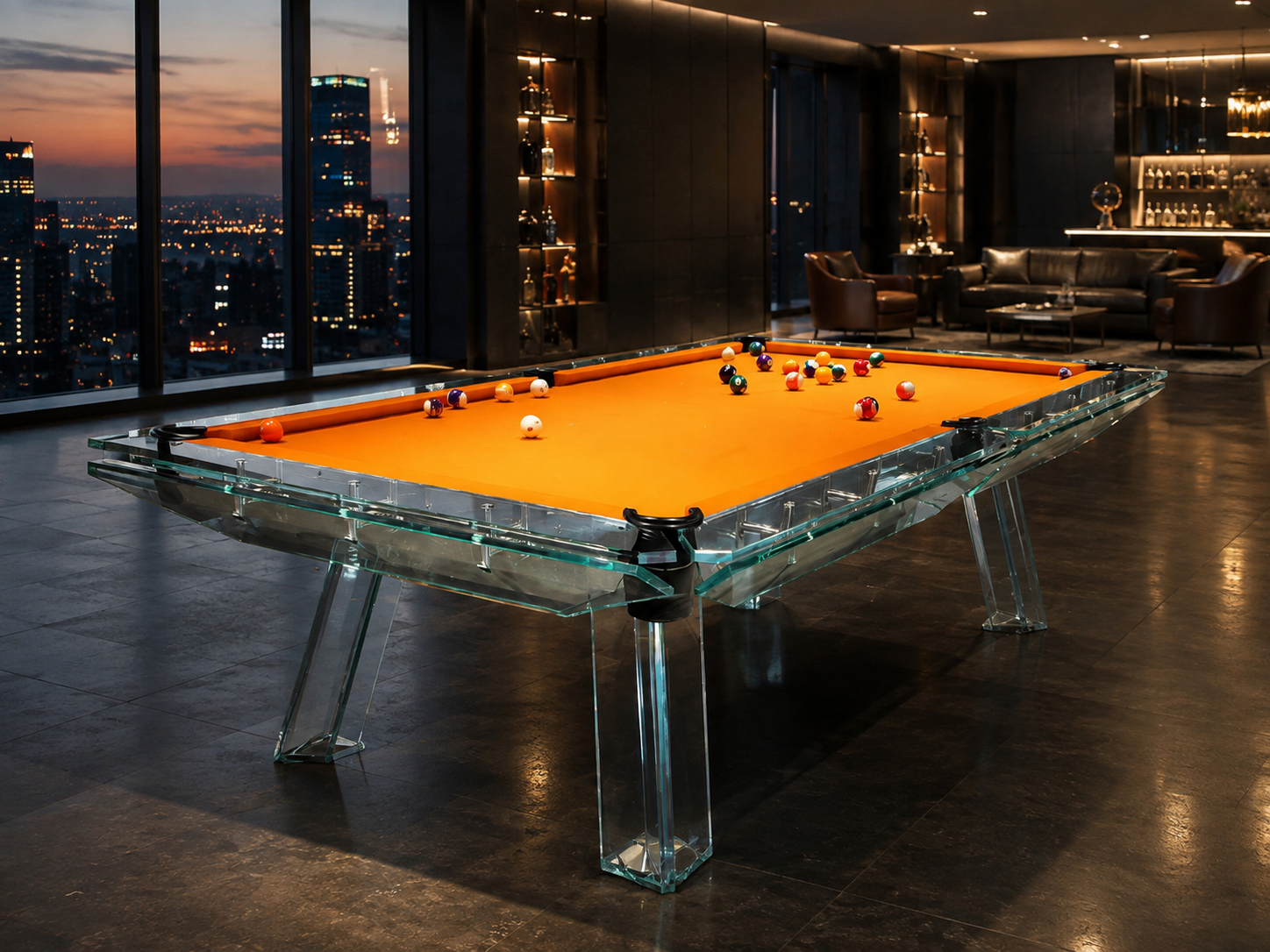
Instead of telling a customer that a console is high-end, point out what makes it difficult to produce. Show the thickness of the material, the clarity of the polished edge, the accuracy of the joints, and the way the hardware has been integrated.
Specificity builds credibility. A customer may not understand every technical process, but they can recognize when a salesperson is describing something real rather than repeating marketing language.
The strongest price explanation begins with the product itself. If the customer can see the evidence, the conversation feels educational rather than defensive.
2. Explain Material Volume in Visual Terms
Transparent furniture often hides its own material quantity because the eye sees through it. A thick leg or substantial top may look visually light even though it uses significantly more material than a thinner construction.
Dealers can make this easier to understand by drawing attention to edge depth and component thickness. The goal is not to discuss kilograms of material unless the customer asks. The goal is to show that visual lightness does not mean minimal substance.
In synthetic crystal pieces, this contrast between transparent appearance and physical mass can become an important part of the value story.
3. Translate Finishing Time Into What the Customer Sees
Customers do not buy polishing hours. They buy the result of those hours. Salespeople should therefore connect process to appearance.
For example, rather than saying, “This requires extensive polishing,” explain that the edge is refined so it remains clear, smooth, and visually consistent under strong light. Instead of saying, “The joint takes longer,” explain that the connection is prepared carefully so the piece does not look mechanically assembled.
The technical process matters because of the visible benefit it creates. That is the bridge between manufacturing language and customer language.
4. Customization Is Valuable When It Solves a Real Problem
Customization should not be presented as an abstract premium feature. It is valuable because it helps the customer achieve a better fit, proportion, function, or visual relationship within a specific interior.
A dealer can explain that dimensions may be adjusted for a sofa height, a corridor width, a wall composition, or a hospitality layout. Mixed materials can be coordinated with stone, metal finishes, timber tones, or surrounding furniture.
This makes customization feel practical and personal rather than simply expensive.
5. Design Complexity Should Be Explained Through Consequences
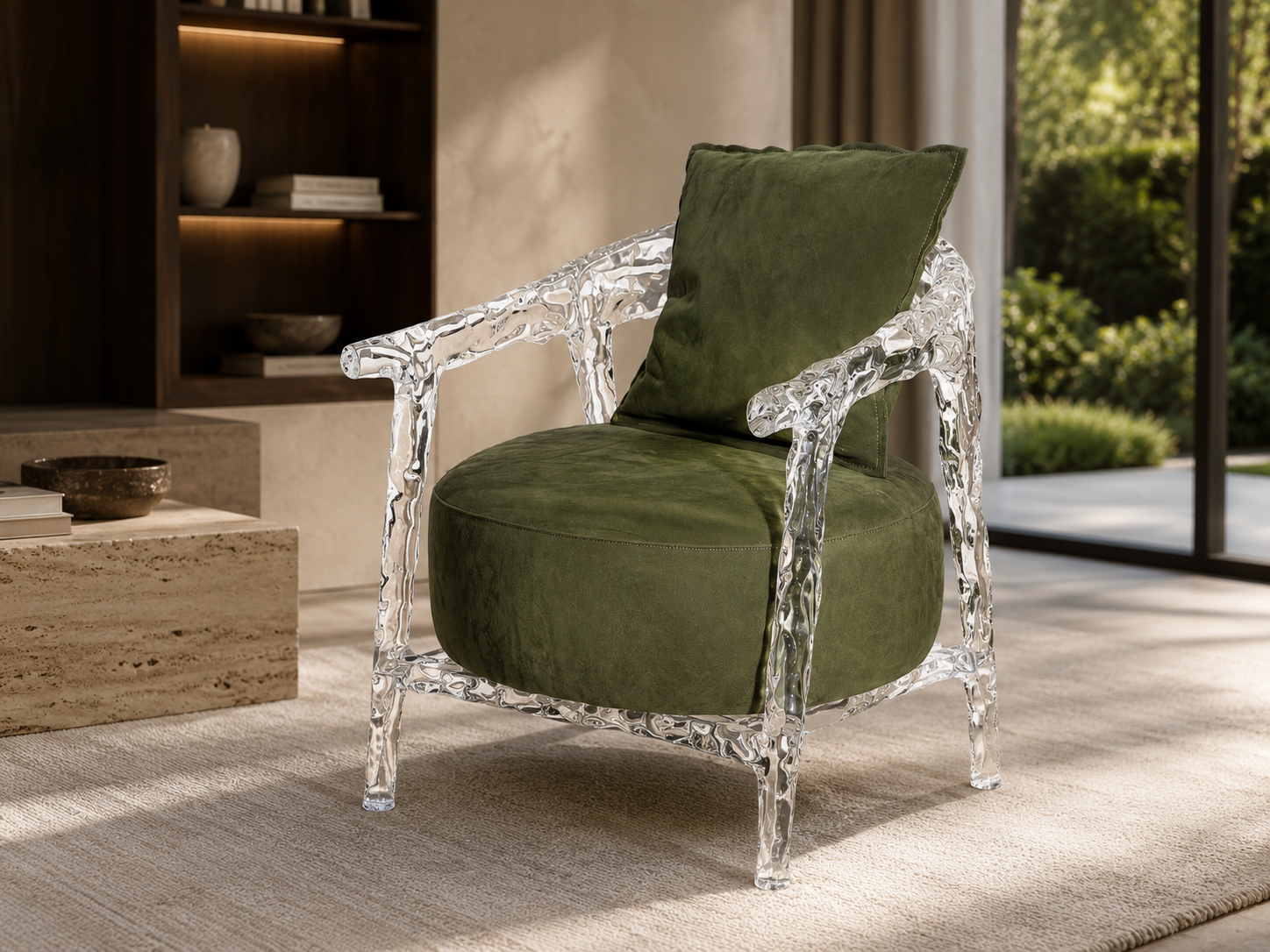
A customer may look at two tables of similar size and wonder why one costs more. The answer may lie in curves, concealed hardware, angled connections, thicker sections, shaped components, or difficult finishing details.
Dealers should focus on the consequences of those choices. A curved component may require more machining and hand finishing. A concealed joint may need tighter alignment. A sculptural base may require additional fixtures and assembly control.
When the customer understands that complexity changes how the piece must be made, the price difference becomes easier to accept.
6. Mixed Materials Create Value When They Are Integrated Well
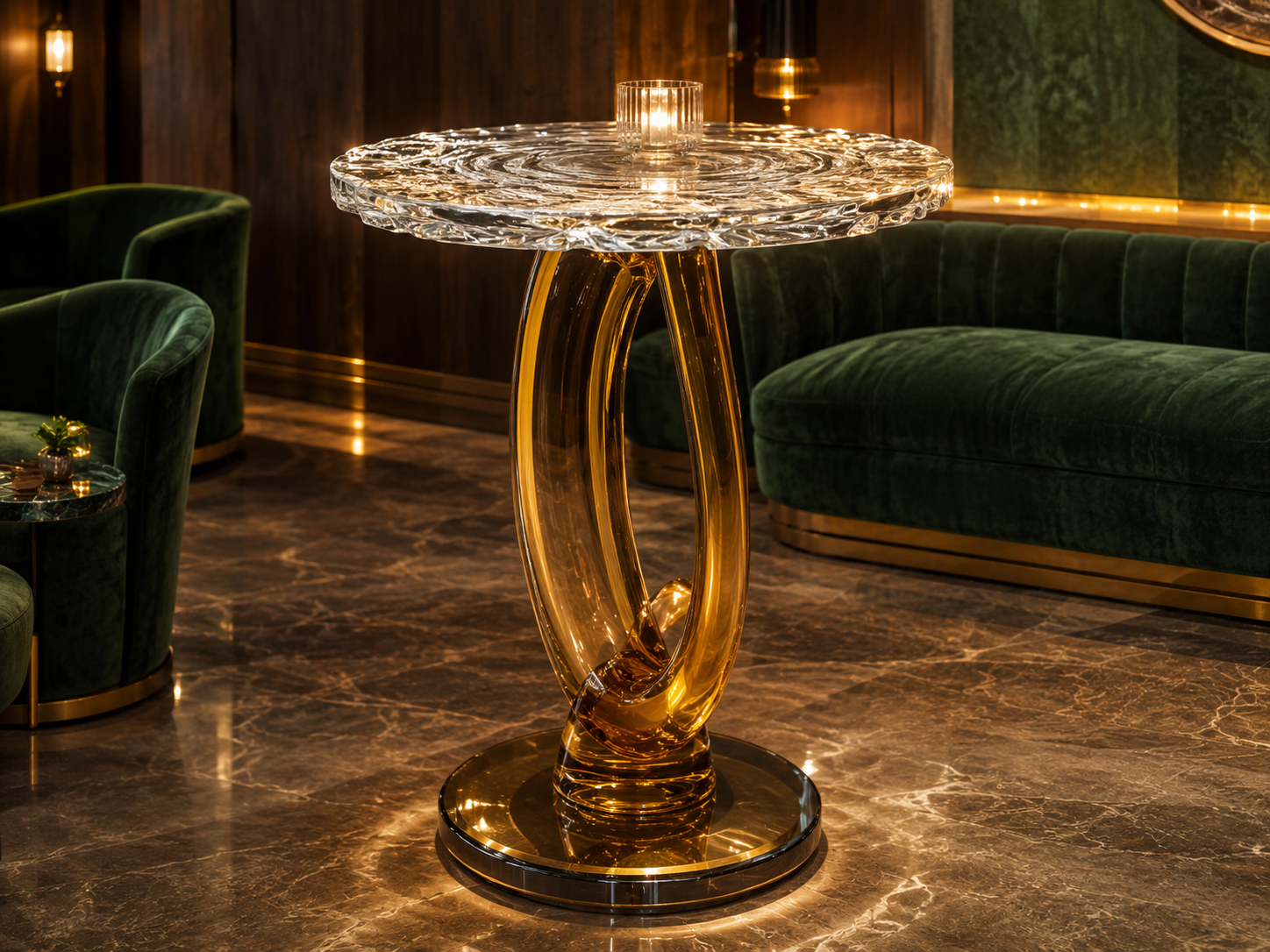
Marble, metal, wood, and transparent components can create a richer product, but sellers should avoid simply listing expensive materials. Customers respond more strongly to the quality of integration.
Point out how the metal sits flush with the clear surface, how the marble proportion balances the transparent base, or how a wood tone warms the overall composition. These details explain why the product feels resolved.
For premium synthetic crystal furniture, the relationship between materials often communicates more value than the materials considered separately.
7. Production Consistency Matters to Serious Buyers
Residential customers may focus on one piece, but designers, dealers, and project buyers often need repeatability. If ten or fifty units are ordered, they expect the same dimensions, finish level, hardware position, and visual character across the batch.
Consistency requires process control, inspection, and defined standards. Dealers serving project clients should make this capability part of the price conversation.
A lower-priced supplier may be able to produce one acceptable sample. The more important question for a project is whether the same result can be repeated across the entire order.
8. Stability and Confidence Are Part of Perceived Value
Transparent furniture can look visually delicate. When a customer touches the piece and finds that it feels stable, substantial, and carefully balanced, that physical experience supports the price.
Sales teams should encourage customers to interact with display pieces. Let them feel the edge finish, see the material depth from the side, and experience how the product behaves under normal use.
Premium value is easier to communicate when the customer experiences it directly rather than only hearing a description.
9. Avoid Overloading the Customer With Technical Language
A sales explanation can fail in two ways: it can be too vague, or it can be too technical. Dealers need enough detail to sound credible without turning the conversation into a manufacturing seminar.
A useful structure is simple: identify a visible feature, explain what makes it difficult to produce, and connect that difficulty to a benefit the customer can appreciate.
For example: “This edge is unusually deep, so it takes more finishing to keep it optically clean. That is why the piece keeps a crisp, jewel-like appearance even under strong showroom lighting.” The customer understands both the process and the result.
10. Sell the Difference, Not the Label
Premium pricing becomes easier to defend when a dealer can explain specific differences between products. Compare proportion, thickness, finishing, joint execution, customization range, mixed-material integration, and consistency. These are meaningful distinctions.
A customer does not need to become a manufacturing expert. They only need enough evidence to feel that the price is connected to real decisions and real work.
This approach also protects trust. If every product is described with the same words—luxury, exclusive, premium, exceptional—those words lose power. Concrete details remain persuasive because they can be verified.
11. Build a Short Sales Story Around Three Proof Points
Dealers can simplify the conversation by choosing three proof points for each product. One might be material presence, one craftsmanship detail, and one customization or project capability.
For a console, the story could focus on the deep transparent legs, the precision of the polished joints, and the ability to coordinate a metal finish with the client’s interior. For a dining table, it might focus on the substantial base, balanced engineering, and repeatable dimensions for a project.
This gives the salesperson a memorable structure while keeping the explanation customer-friendly.
12. Price Confidence Comes From Product Knowledge
Salespeople often become uncomfortable with premium prices when they do not fully understand why the product costs what it does. Better product education can change that.
Dealers should know which details require the most labor, which options increase cost, which customizations are practical, and which design features produce the greatest visual difference. When the salesperson understands these trade-offs, the price conversation becomes more confident and more honest.
Synthetic crystal furniture does not need to be sold through vague prestige. It can be sold through visible craftsmanship, thoughtful design, controlled production, and the ability to adapt to demanding interiors. Those are reasons customers can evaluate for themselves.
The most effective dealer never asks a customer to pay more simply because a product belongs to a premium category. They help the customer see exactly where the difference lives—in the proportion, the edge, the joint, the finish, the integration, and the consistency. Once those details are visible, price stops being an isolated number and becomes part of the product story. The next time a customer asks, “Why does this cost more?”, the best answer may be sitting right in front of them—if your showroom team knows exactly where to point.


