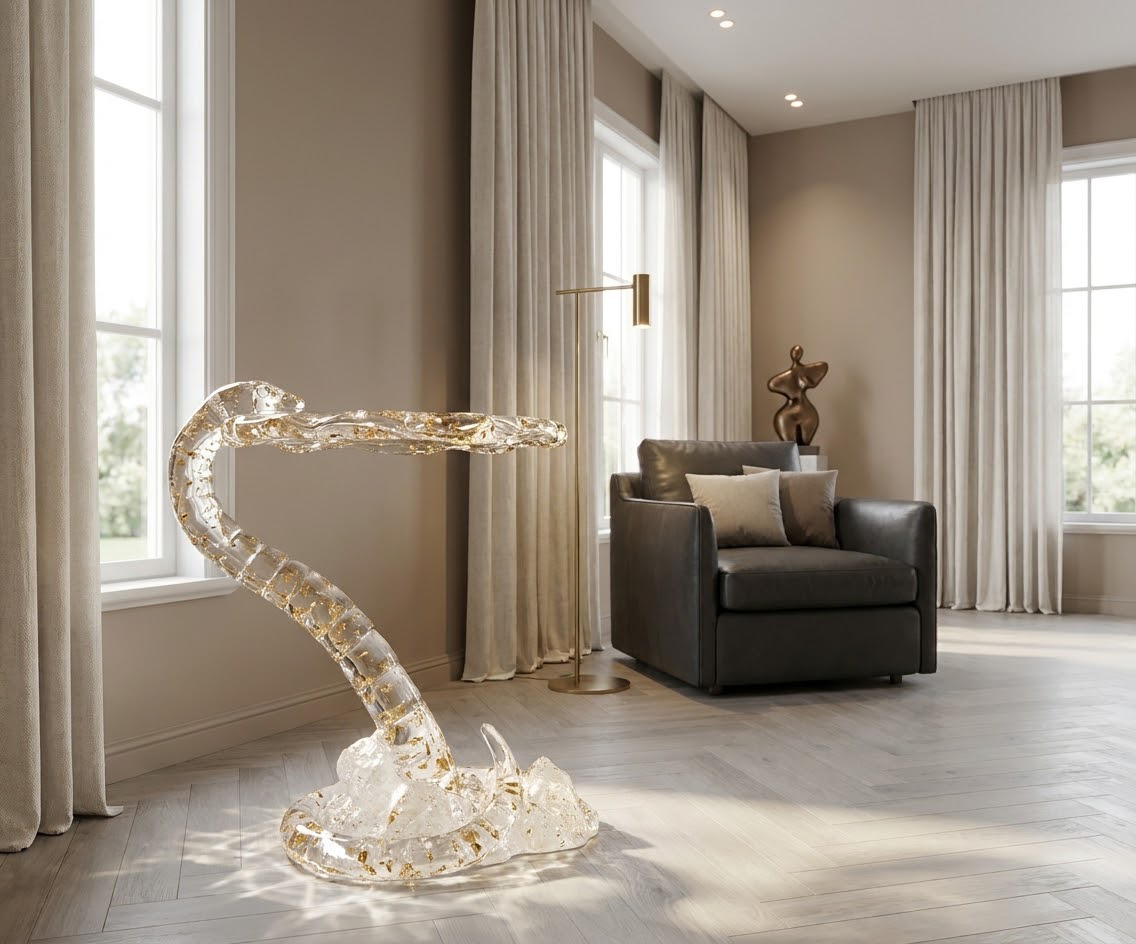
Premium transparent furniture has become a cornerstone of modern luxury interior design, with synthetic crystal furniture leading the trend for its unique blend of aesthetics and durability. Whether you’re an interior designer working on a high-end residential project, a hotel procurement manager sourcing fixtures for a luxury property, or a custom furniture manufacturer expanding your product line, selecting the right transparent material is critical to balancing form, function, and longevity.
This guide breaks down the three most popular transparent furniture materials—glass, acrylic, and synthetic crystal—comparing their properties, use cases, and customization options to help you make informed decisions for your next premium project.
1. Core Material Property Comparison: Glass, Acrylic, and Synthetic Crystal
1.1 Optical Clarity and Visual Performance
The visual appeal of transparent decorative furniture depends heavily on optical clarity of transparent materials, which varies significantly across the three materials.
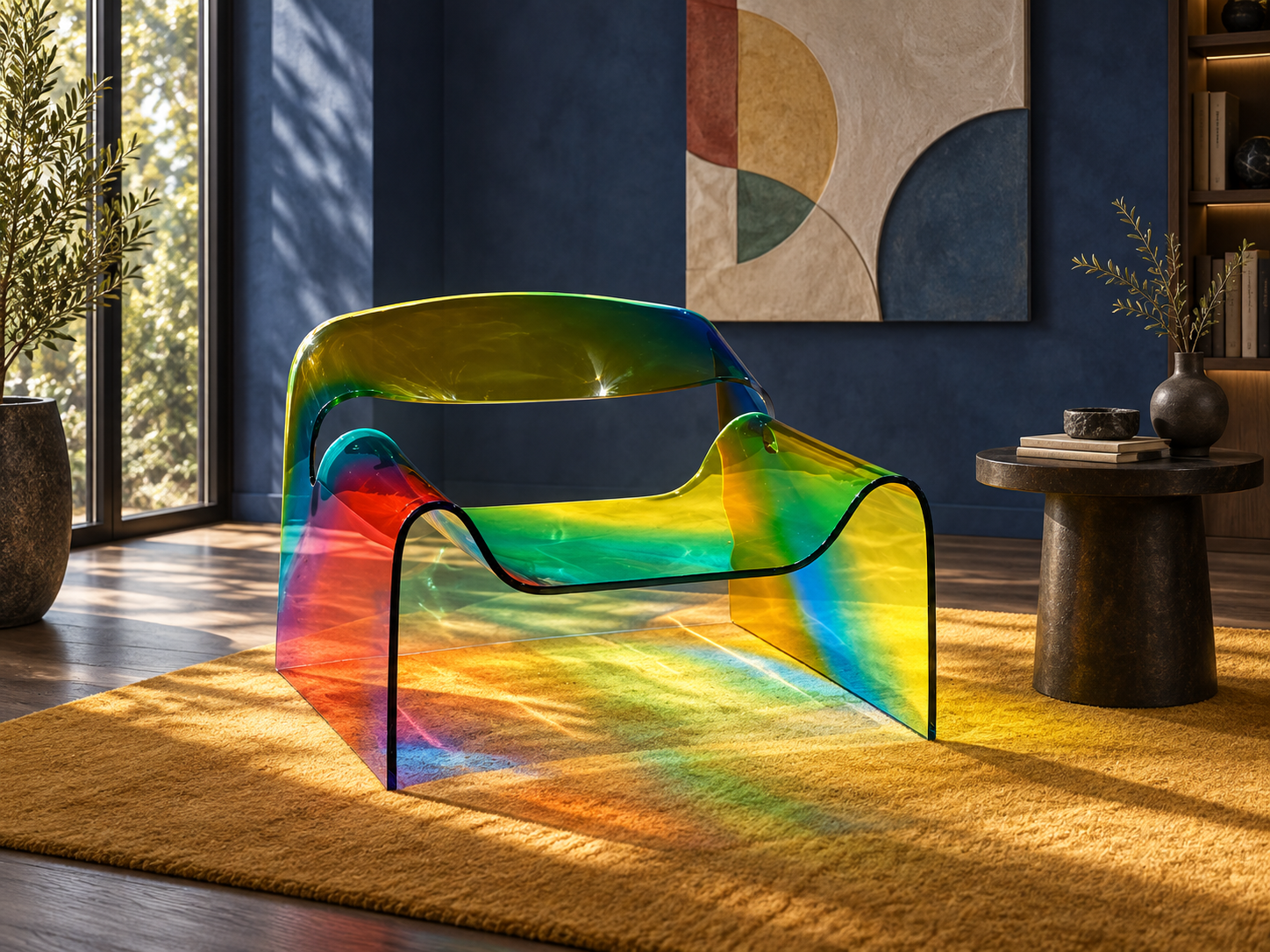
Glass: Offers 92% light transmittance, with a crisp, refractive quality that creates subtle rainbow effects in direct light. It is prone to green tinting at thicker edges, which can detract from minimalist design goals.
Acrylic (Lucite): Boasts 93% light transmittance, with no edge tinting even in high-thickness acrylic structure designs. Its lightweight, soft glow makes it a versatile choice for acrylic furniture and decor in bright, open spaces.
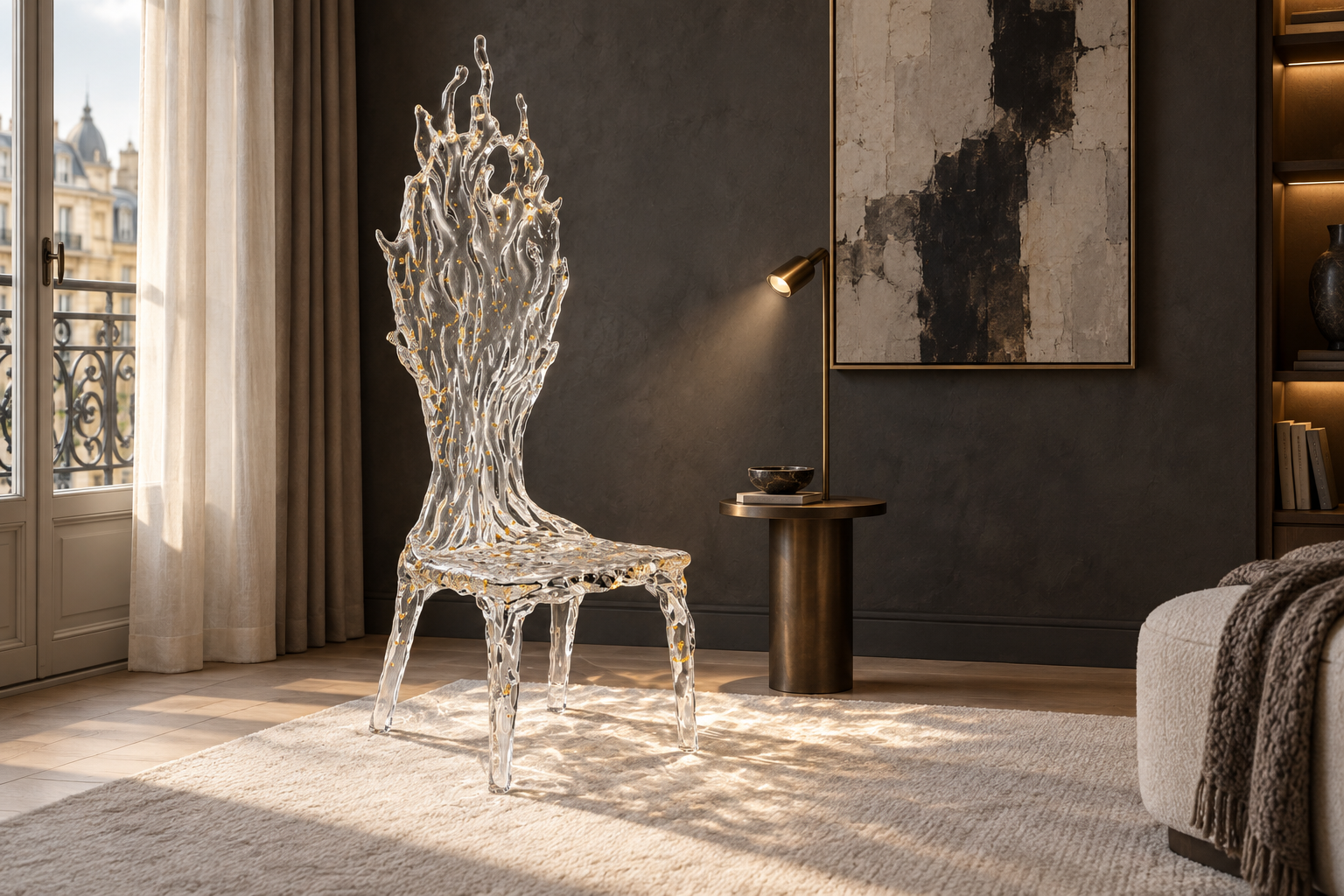
Synthetic Crystal: Delivers 95%+ light transmittance, with a refractive index of 1.54 (nearly identical to natural crystal) that creates a luxurious, sparkling effect. It is the top choice for high-end pieces like synthetic crystal chandeliers and high-end crystal pool tables.
1.2 Durability and Maintenance Requirements
For commercial and high-traffic projects, durability and maintenance are non-negotiable factors for modern design furniture.
Glass: Highly scratch-resistant but brittle—impact from heavy objects can cause shattering, which poses safety risks in public spaces. It requires frequent cleaning to remove smudges and water stains.
Acrylic: 17 times more impact-resistant than glass, making it ideal for acrylic chairs and stools in family homes or busy hospitality venues. It is prone to surface scratches, though minor scratches can be buffed out with polishing compounds.
Synthetic Crystal: Combines the scratch resistance of glass (6H surface hardness) with the impact resistance of acrylic, thanks to the mechanical strength of synthetic crystal materials. It resists yellowing from UV exposure for 10+ years, reducing long-term maintenance costs for commercial properties.
2. Application Scenarios for Different Transparent Furniture Materials
2.1 Residential Premium Interior Design Use Cases
For luxury residential projects, designer transparent furniture must balance aesthetic appeal with everyday practicality for families and homeowners.
Living Rooms: A transparent coffee table made of acrylic works well for small urban apartments, as it creates a sense of visual space. For high-end villas, a synthetic crystal table with hand-polished edges adds a focal point of luxury.
Dining Areas: Glass transparent dining tables are a classic choice for formal dining rooms, while acrylic bar counters are popular for open-concept kitchen and entertainment spaces.
Entryways: A transparent design console table in synthetic crystal creates an elegant first impression, paired with a matching synthetic crystal chandelier overhead.
2.2 Commercial and Hospitality Project Applications
Synthetic crystal furniture for commercial projects is increasingly preferred by hotel designers and commercial space design and decoration companies for its combination of luxury and durability.
Luxury Hotels: Lobby seating areas often feature acrylic chairs and stools paired with synthetic crystal coffee tables, as they withstand heavy guest traffic while maintaining a premium look.
High-End Restaurants: Catering enterprises and chain catering groups use transparent dining tables in glass or synthetic crystal to create an open, upscale dining atmosphere.
Retail Spaces: High-end furniture brands and enterprises display acrylic piano accessories and custom synthetic crystal furniture pieces to showcase craftsmanship and draw in premium customers.
3. Advantages of Transparent Furniture in Interior Design
3.1 Visual Space Expansion and Light Flow Enhancement
The biggest advantage of transparent furniture in interior design is its ability to make small or crowded spaces feel larger and brighter.
Space Optimization: Unlike solid wood or metal furniture, transparent pieces do not block sight lines, making rooms feel more open. This is especially valuable for urban apartments and compact hotel rooms.
Light Distribution: Transparent materials allow natural and artificial light to pass through unobstructed, reducing the need for extra lighting fixtures and lowering energy costs.
Design Versatility: Transparent decorative furniture pairs seamlessly with any design style, from minimalist Scandinavian to maximalist Art Deco, without clashing with existing decor.
3.2 Aesthetic Flexibility and Custom Design Potential
Custom design furniture made from transparent materials offers unmatched creative freedom for architects and interior designers.
Shape Customization: Acrylic and synthetic crystal can be molded into almost any shape, from curved acrylic bar counters to sculptural synthetic crystal tables, enabling fully bespoke designs.
Color and Finish Options: Manufacturers can add tinted pigments, embedded decorative elements (like gold leaf or natural stones), or high-gloss finish on transparent surfaces to match project design briefs.
Size Adaptability: Furniture size and shape customization allows pieces to fit perfectly into unique spaces, such as irregularly shaped hotel lobbies or custom residential stairwell landings.
4. Customization Capabilities for Premium Transparent Furniture
4.1 Custom Furniture Design and Development Process
Working with a reliable custom furniture manufacturer ensures that your transparent furniture pieces meet exact design and quality specifications. The standard development process includes:
Design Consultation: The manufacturer collaborates with custom furniture designers and clients to finalize material selection, dimensions, and finish details.
Prototype Creation: A small-scale or full prototype is produced to test structural integrity and visual effect before mass production.
Production and Finishing: Pieces are cut, molded, and treated with furniture edge processing and polishing technology to achieve a flawless, seamless look.
Quality Inspection: Final products undergo testing for optical clarity, impact resistance, and dimensional accuracy before delivery.
4.2 Advanced Processing Technologies for Transparent Materials
The quality of premium transparent furniture depends heavily on fine processing technology of acrylic materials and synthetic crystal.
High-Thickness Bonding: For pieces like high-end crystal pool tables, manufacturers use seamless bonding technology to join thick material slabs without visible glue lines, preserving optical clarity.
Edge Polishing: Diamond polishing creates a crystal-clear, smooth edge that enhances the material’s refractive quality, a key feature of luxury synthetic crystal furniture.
Surface Treatment: Anti-scratch coatings and UV-resistant treatments extend the lifespan of pieces intended for high-traffic commercial spaces.
5. Cost and ROI Analysis for Different Material Choices
5.1 Upfront Cost Comparison
The initial cost of transparent furniture varies widely based on material, complexity, and customization level.
Glass: The most budget-friendly option, with basic glass tables costing 30-50% less than equivalent synthetic crystal pieces. However, custom cut or tempered glass can raise costs significantly.
Acrylic: Mid-range pricing, with acrylic furniture and decor costing 20-30% less than synthetic crystal. Standard acrylic sheet thickness of 20-30mm is ideal for most residential pieces.
Synthetic Crystal: The highest upfront cost, driven by its superior optical properties and complex manufacturing process. It is typically chosen for high-budget luxury projects where aesthetic impact is a top priority.
5.2 Long-Term Value and Lifespan
For B2B buyers like high-end hotel groups and commercial engineering furniture project companies, long-term ROI is often more important than initial cost.
Glass: Has a 15-20 year lifespan if well-maintained, but carries a high replacement risk due to breakage. For hotels, this can lead to unexpected maintenance costs and guest safety concerns.
Acrylic: Lasts 10-15 years, but may develop surface scratches or slight yellowing over time in sun-exposed areas. It is best for low-traffic residential or boutique commercial spaces.
Synthetic Crystal: Offers a 20+ year lifespan with minimal maintenance, thanks to its scratch resistance and UV stability. For luxury hotel custom furniture solutions, it delivers the highest long-term value by reducing replacement and upkeep costs.
6. How to Select the Right Material for Your Project
6.1 Key Decision Factors for Project Stakeholders
Different stakeholders prioritize different factors when selecting transparent furniture materials.
Interior Designers and Architects: Focus on aesthetic alignment with the project design brief, customization flexibility, and material visual quality.
Hotel Procurement Managers and Commercial Clients: Prioritize durability, maintenance costs, safety compliance, and bulk pricing from custom furniture manufacturers.
High-End Residential Clients: Value luxury feel, uniqueness, and long-term investment value for their homes.
6.2 Recommended Material Choices by Project Type
Use these guidelines to match materials to your specific project needs:
Small Residential Apartments: Acrylic furniture is ideal for its lightweight, space-enhancing effect and budget-friendly pricing. Popular pieces include transparent coffee tables and acrylic chairs and stools.
Luxury Residential Villas: Synthetic crystal furniture for modern interiors adds a high-end touch, with statement pieces like synthetic crystal dining tables and custom synthetic crystal furniture accents.
Boutique Hotels and Restaurants: A mix of glass and acrylic works well for balanced cost and durability, with synthetic crystal accent pieces in high-visibility areas like lobbies and private dining rooms.
Large-Scale Commercial and Hospitality Projects: Synthetic crystal furniture for commercial projects is the top choice for high-traffic areas, paired with acrylic furniture for architects and interior designers working on flexible, design-forward spaces.
For architecture and interior design firms, hotel and commercial space designers, and high-end furniture brands and enterprises, partnering with an experienced custom furniture manufacturer is key to ensuring high-quality, on-spec transparent furniture that meets both aesthetic and functional requirements. Whether you opt for classic glass, versatile acrylic, or luxurious synthetic crystal, the right material choice will elevate your project and deliver lasting value.
READ MORE:
- From Dimensions to Structure: Balancing Design Ambition and Practical Performance in Custom Furniture
- Beyond Conventional Geometry: Unlocking Creative Possibilities with Transparent Furniture Design
- Designing for Spatial Flow: The Role of Transparent Furniture in Open-Plan Interiors
- Reducing Risk in Premium Furniture Projects: From Technical Assessment and Sample Approval to Production Inspection
- How to Conduct a Design Feasibility Review for Custom Synthetic Crystal Seating
- The Most Expensive Part of a Synthetic Crystal Chair Project Isn’t the Material
- You’re Not Buying Synthetic Crystal Chairs — You’re Buying Design Certainty
- How a 5-Star Hotel Cut Rework by 40% With Synthetic Crystal Solutions
- Premium Space Design Doesn’t Rely on Price—It Rests on Synthetic Crystal Application


