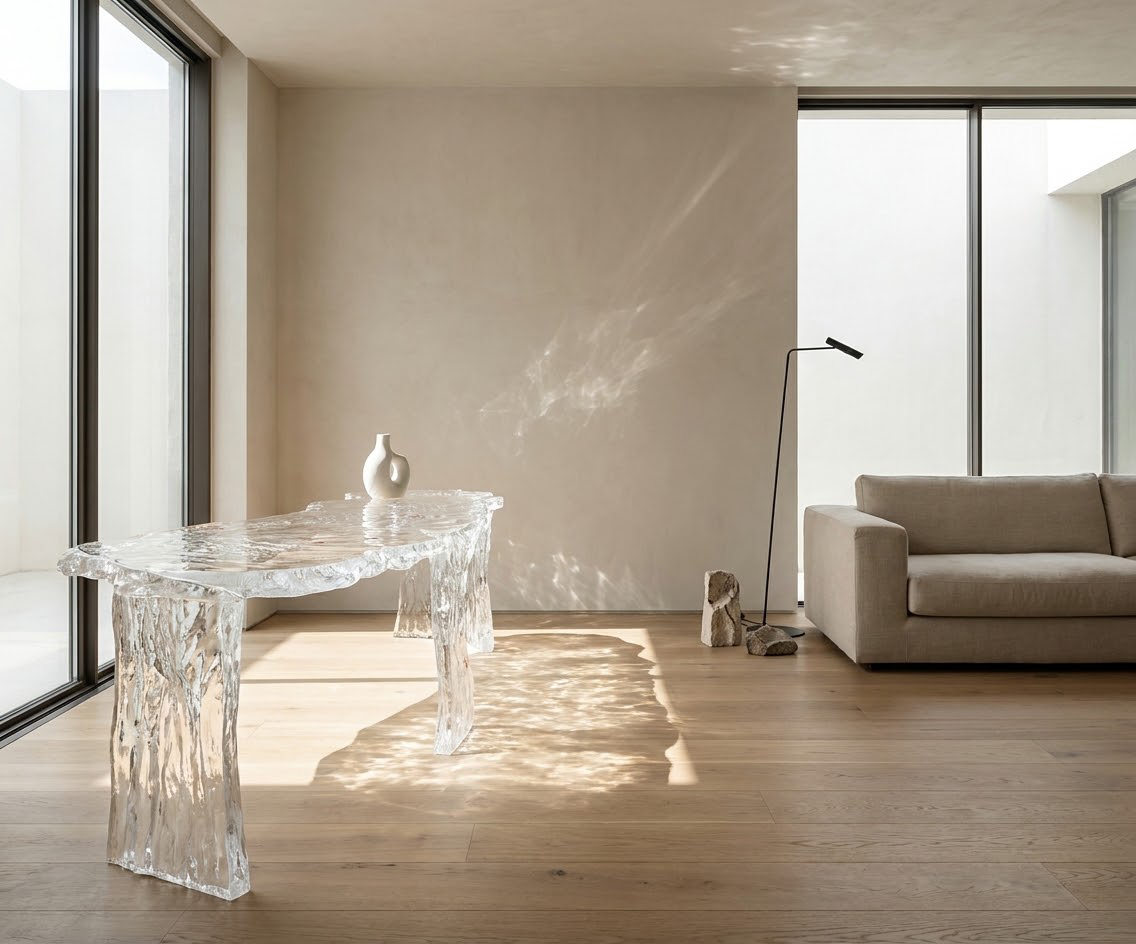
Synthetic crystal furniture is redefining modern interior aesthetics by breaking the boundaries of traditional solid furniture forms. As a fast-growing segment of modern design furniture, these transparent pieces blend artistic expression and functional practicality, offering unprecedented design freedom for interior designers, architects, and commercial space owners alike. This guide explores the full potential of transparent furniture, from residential applications to custom solutions for high-end commercial projects.
1. The Evolution and Material Advantages of Transparent Furniture
Transparent furniture has evolved from a niche design trend to a mainstream choice for contemporary spaces. Early versions relied on basic glass designs, but modern iterations leverage advanced materials like acrylic, organic glass furniture, and transparent resin furniture to deliver both beauty and durability.
1.1 Core Material Properties of Synthetic Crystal Furniture
Synthetic crystal materials combine the optical clarity of natural crystal with the practicality of engineered polymers. Key performance metrics include:
Optical clarity of transparent materials: Up to 92% light transmittance, exceeding that of ordinary glass
Mechanical strength of synthetic crystal materials: 15-20 times the impact resistance of glass, reducing breakage risk
Weather resistance: Stable performance across -40°C to 80°C temperature range, suitable for diverse environments
Lightweight nature: Half the weight of glass, simplifying installation and transportation
These properties make synthetic crystal furniture a versatile option for both residential and commercial use. Unlike fragile natural crystal, these materials can be molded into complex shapes without losing structural integrity.
1.2 Why Transparent Furniture Outperforms Traditional Solid Furniture
The advantages of transparent furniture in interior design extend far beyond visual appeal. For small spaces, transparent pieces create an illusion of expanded area by allowing light to pass through unobstructed.
Key functional benefits include:
Visual space expansion: Eliminates visual bulk, making rooms feel larger
Design versatility: Complements any color palette or design style
Easy maintenance: Non-porous surface resists stains and moisture
Sustainability: Many acrylic materials are 100% recyclable
For interior designers working with compact urban apartments or open-concept offices, these benefits solve common design challenges. Transparent decorative furniture acts as a "visual bridge" between different functional zones without breaking visual continuity.
2. Diverse Product Categories of High-End Transparent Furniture
High-end transparent furniture encompasses far more than just tables and chairs. Today, custom furniture designers are expanding product lines to include everything from decorative accents to statement pieces that define entire rooms.
2.1 Core Furniture Pieces for Residential and Commercial Use
The most popular transparent furniture categories serve both functional and decorative purposes. For residential spaces, pieces like transparent coffee tables and dining tables add a sleek, modern touch. For commercial spaces, acrylic bar counters and stools create a welcoming, open atmosphere.
Popular product lines include:
Tables: transparent coffee table, synthetic crystal table, transparent dining table, transparent design console table
Seating: acrylic chairs and stools, custom acrylic dining chairs
Decorative pieces: synthetic crystal chandelier, transparent display stands
Specialty items: high-end crystal billiard table, acrylic piano accessories
Each category caters to different design needs, from minimalist residential interiors to luxury retail spaces. Designer transparent coffee tables and decorative furniture are particularly popular among clients seeking a balance of style and functionality.
2.2 Customized Solutions for Specialized Scenarios
Beyond standard pieces, custom synthetic crystal furniture addresses unique project requirements. For luxury hotels, custom reception desks and lobby installations create memorable first impressions. For high-end residences, custom dining tables and bar counters become focal points of social spaces.
Common custom applications:
Luxury hotel lobbies: Custom-shaped reception desks with integrated LED lighting
Retail flagship stores: Transparent display shelves for luxury goods
Private villas: Custom crystal dining tables for 10-20 guests
Art galleries: Transparent display plinths that don't distract from artwork
A reliable custom furniture manufacturer can turn even the most ambitious design concepts into tangible, high-quality pieces. These custom design furniture solutions cater to the specific needs of each project.
3. Transparent Furniture in Modern Interior Design Applications
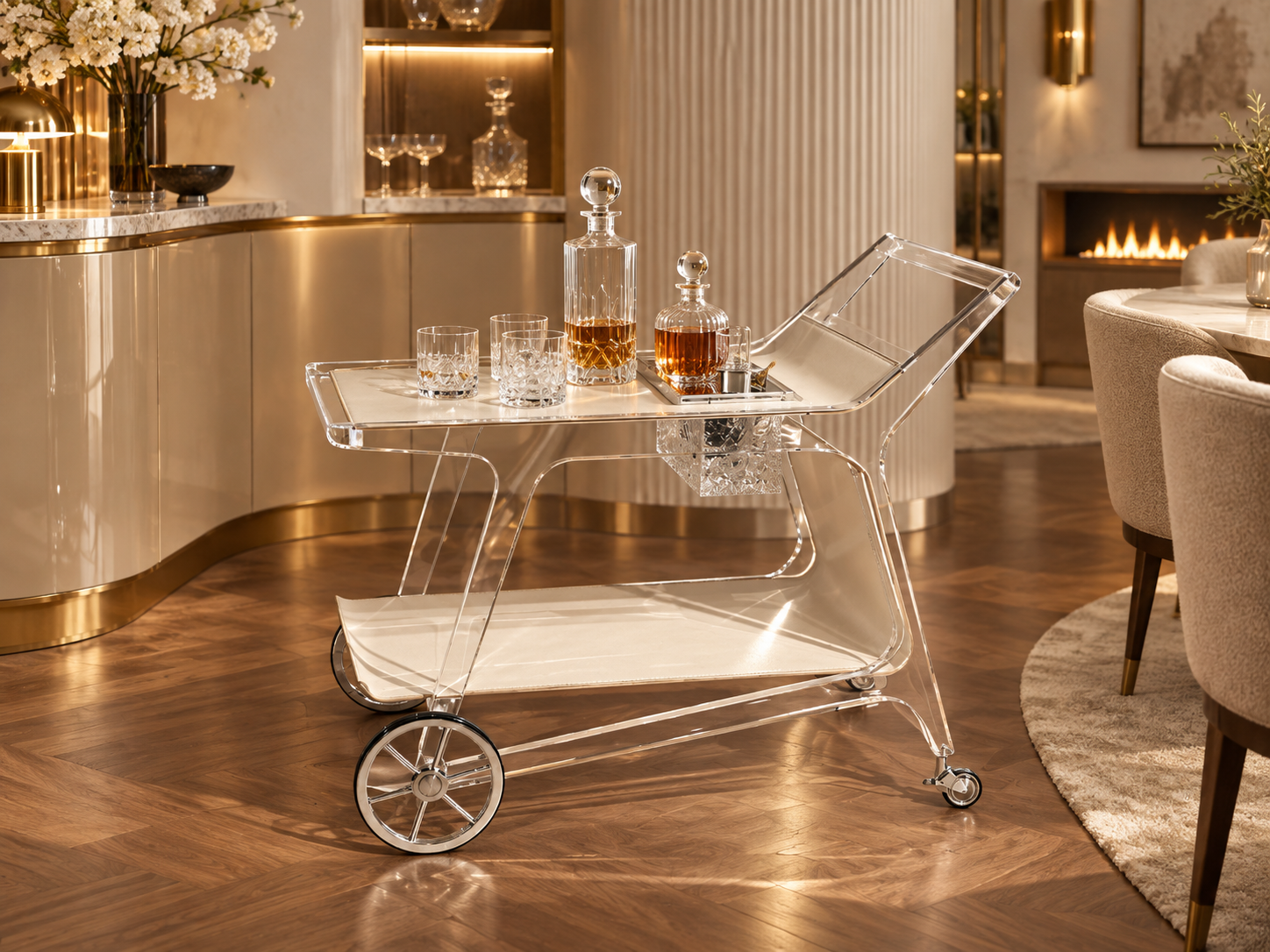
Synthetic crystal furniture for modern interior spaces adapts seamlessly to diverse design styles, from minimalist Scandinavian to bold contemporary. Its neutral, light-transmitting nature makes it a versatile choice for any design scheme.
3.1 Residential Space Optimization for Homes and Luxury Residences
In residential design, transparent furniture solves common space challenges. For small urban apartments, a transparent coffee table makes the living room feel larger and airier. For open-concept homes, acrylic chairs and stools maintain visual flow between kitchen, dining, and living areas.
Design tips for residential use:
Pair transparent pieces with textured rugs or curtains to add warmth
Use a transparent design console table in narrow entryways to avoid crowding
Combine with metal or wood accents to add visual contrast
Choose high-gloss finish on transparent surfaces for a premium look
For high-end villas and penthouses, synthetic crystal chandeliers and dining tables add a sense of luxury without overwhelming the space. These pieces work particularly well in spaces with floor-to-ceiling windows, as they don't block natural light.
3.2 Commercial Space Design for Retail, Hospitality, and Office Spaces
Commercial spaces benefit greatly from the versatility of transparent furniture. For retail stores, transparent display shelves let products take center stage. For restaurants, acrylic tables create a clean, modern dining experience.
Commercial application scenarios:
Luxury retail: Transparent display cases for jewelry, watches, and cosmetics
Restaurants and cafes: Acrylic tables and chairs that are easy to clean and maintain
Office spaces: Transparent conference tables and acrylic chairs for a modern, collaborative feel
Art galleries: Transparent display plinths that don't compete with artwork
Catering enterprises and chain catering groups often choose acrylic furniture for its durability and easy maintenance. Commercial space design and decoration companies frequently recommend these pieces for projects requiring both style and practicality.
4. Custom Solutions for Commercial Engineering Projects
Synthetic crystal furniture for commercial engineering projects requires specialized expertise in large-scale production, quality consistency, and project management. From hotels to office buildings, these projects demand furniture that meets strict quality standards while aligning with the project's design vision.
4.1 Luxury Hotel Custom Furniture Solutions
Luxury hotel custom furniture solutions balance aesthetic appeal with durability and compliance with hospitality industry standards. High-end hotel groups work closely with custom furniture manufacturers to create pieces that reflect their brand identity while withstanding heavy use.
Key considerations for hotel projects:
Durability: High-thickness acrylic structure for long-term wear resistance
Safety: Rounded edges and shatter-resistant materials
Brand consistency: Custom colors and shapes that match the hotel's design language
Maintenance: Easy-to-clean surfaces that maintain their appearance over time
Hotel procurement managers and hotel designers prioritize suppliers that can deliver consistent quality across hundreds of pieces. From lobby furniture to guest room accents, every piece must meet the hotel's luxury standards.
4.2 Collaboration with Architects and Design Professionals
Custom acrylic furniture for architects and interior designers requires close collaboration between design teams and manufacturing experts. Architects and interior designers often have highly specific design visions that require custom furniture design and development expertise to bring to life.
Benefits of working with an experienced manufacturer:
Design feasibility assessment: Evaluation of design concepts for structural soundness
Material selection: Guidance on the best transparent materials for each application
Prototype development: Creation of samples for design approval before full production
Project management: Timely delivery and installation coordination
Architecture and interior design firms, as well as commercial engineering furniture project companies, rely on manufacturers with advanced fine processing technology of acrylic materials. These capabilities ensure that even the most complex designs are executed with precision.
5. Manufacturing Technology and Quality Standards of Premium Transparent Furniture
The quality of high-end transparent furniture depends heavily on manufacturing technology and craftsmanship. From material selection to final finishing, every step impacts the final product's appearance, durability, and safety.
5.1 Key Processing Technologies and Craftsmanship
Advanced manufacturing techniques transform raw acrylic sheets into finished furniture pieces. Key processes include cutting, shaping, polishing, and assembly.
Core manufacturing technologies:
Acrylic sheet thickness selection: Ranging from 10mm for decorative pieces to 100mm+ for structural components
Furniture edge processing and polishing technology: Diamond polishing for crystal-clear, seamless edges
Thermoforming: Heating and shaping acrylic into curved or organic forms
Bonding: Chemical bonding techniques that create invisible joints
High-thickness acrylic structure requires specialized equipment and skilled craftsmen. The fine processing technology of acrylic materials determines the final product's optical clarity and structural integrity. Furniture size and shape customization options are nearly limitless with modern manufacturing techniques.
5.2 Quality Control and Safety Standards
Premium transparent furniture must meet strict quality and safety standards, from material testing to final inspection.
Quality control measures:
Optical clarity testing: Ensuring no bubbles, discoloration, or imperfections
Structural integrity testing: Weight-bearing and impact resistance tests
Safety testing: Edge smoothness and stability testing
Finish inspection: Verification of high-gloss finish on transparent surfaces
Reputable manufacturers adhere to international quality management systems to ensure consistent quality across every piece. This is especially important for commercial projects where consistency across hundreds of identical pieces is required.
6. Future Trends and Selection Guide for Transparent Furniture Design
The application of transparent materials in furniture design continues to evolve as new materials and technologies emerge. From smart integrated features to sustainable material innovations, the future of transparent furniture looks bright.
6.1 Emerging Design Trends and Innovations
Current trends in transparent furniture design push the boundaries of what's possible with these materials. Designers are experimenting with new forms, colors, and integrated technologies.
Emerging trends to watch:
Integrated LED lighting: LED strips embedded within acrylic furniture for ambient lighting
Sustainable materials: Bio-based acrylics made from renewable resources
Mixed-material designs: Combinations of acrylic with wood, metal, or stone
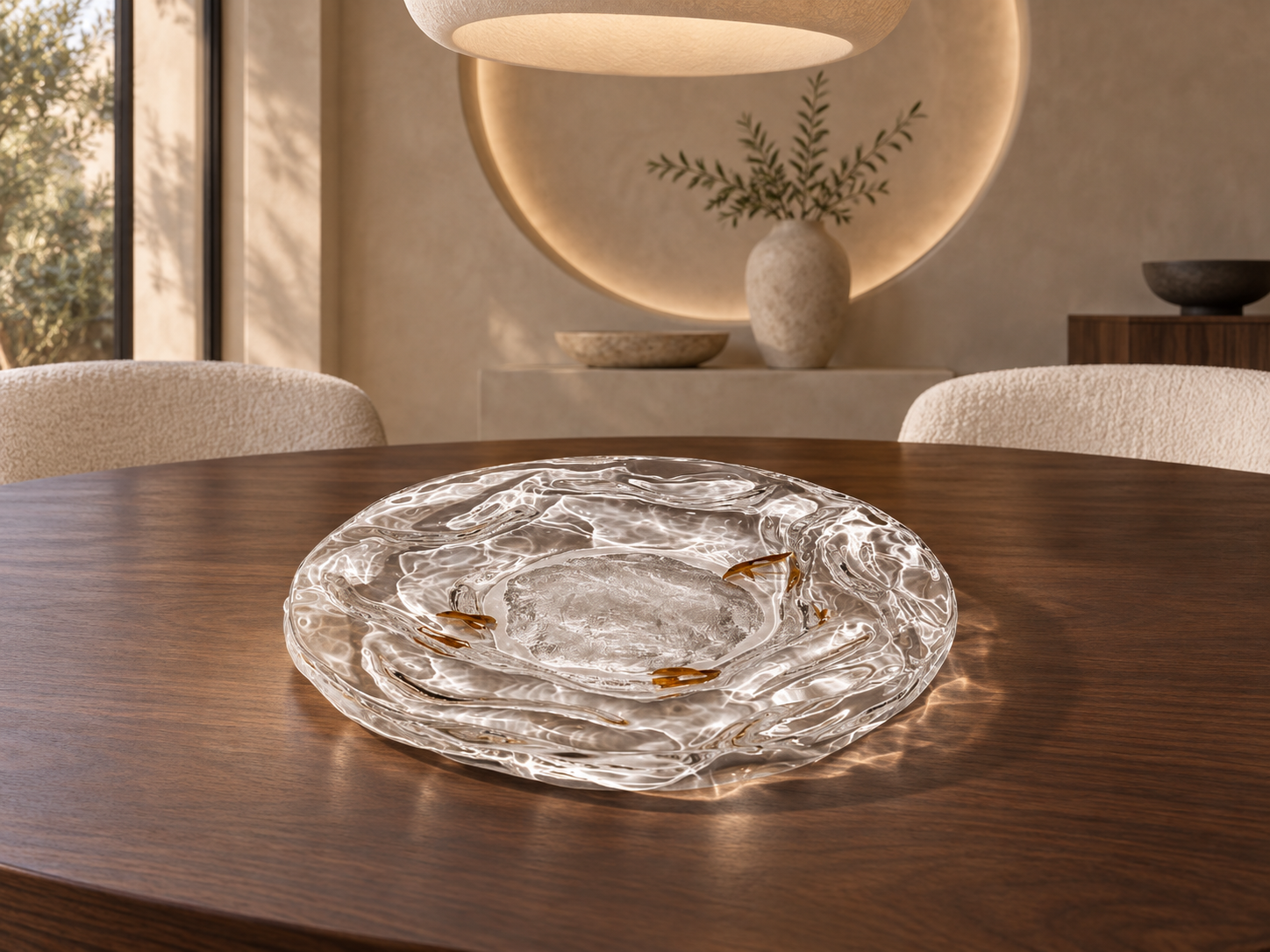
Organic shapes: Fluid, sculptural forms that blur the line between furniture and art
High-end furniture brands and enterprises are investing in research and development to stay
READ MORE:
- From Dimensions to Structure: Balancing Design Ambition and Practical Performance in Custom Furniture
- Glass, Acrylic, or Synthetic Crystal? Choosing the Right Transparent Material for Premium Furniture Projects
- Designing for Spatial Flow: The Role of Transparent Furniture in Open-Plan Interiors
- Reducing Risk in Premium Furniture Projects: From Technical Assessment and Sample Approval to Production Inspection
- How to Conduct a Design Feasibility Review for Custom Synthetic Crystal Seating
- The Most Expensive Part of a Synthetic Crystal Chair Project Isn’t the Material
- You’re Not Buying Synthetic Crystal Chairs — You’re Buying Design Certainty
- How a 5-Star Hotel Cut Rework by 40% With Synthetic Crystal Solutions
- Premium Space Design Doesn’t Rely on Price—It Rests on Synthetic Crystal Application


