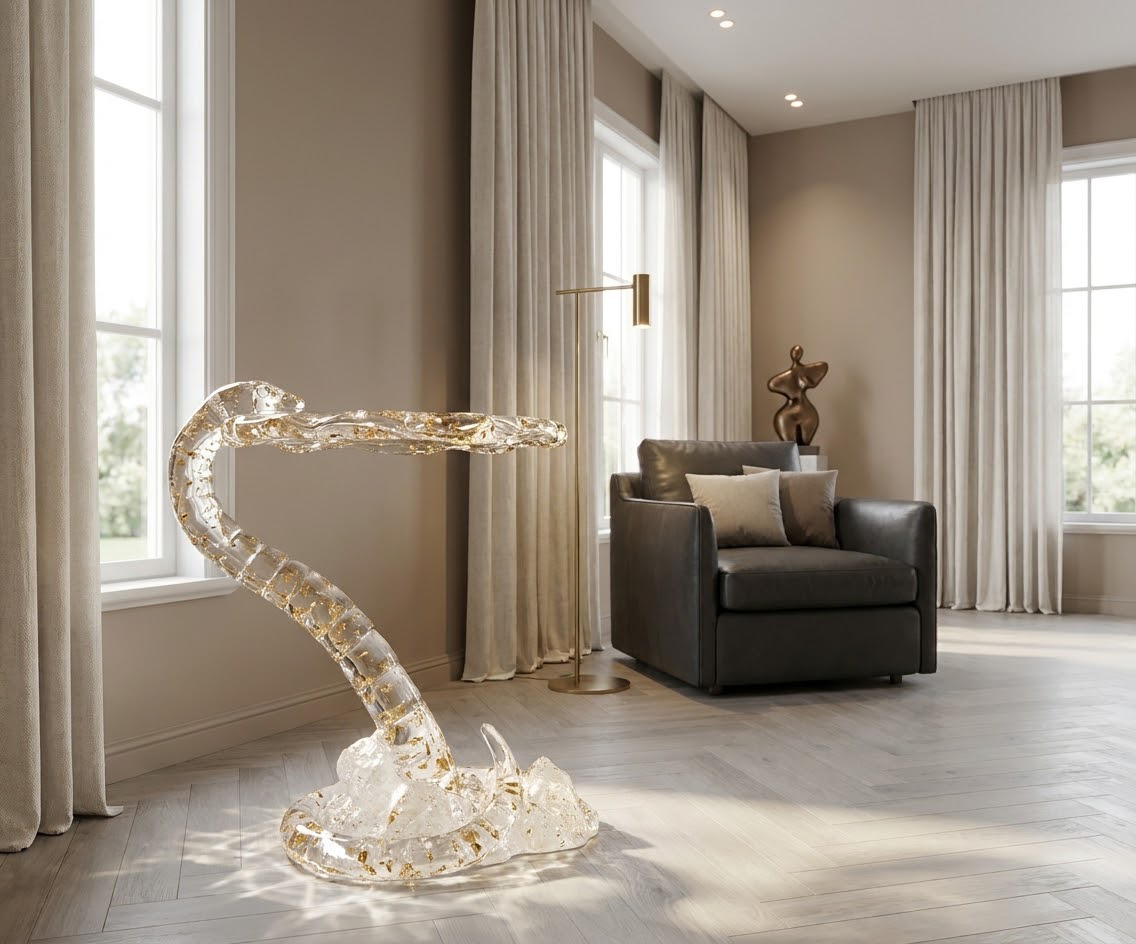
Synthetic crystal furniture has redefined modern interior aesthetics, blending ethereal transparency with structural integrity to meet the demands of both visionary designers and practical B2B buyers. As spaces grow more curated and performance expectations rise, the line between decorative art and functional furniture continues to blur—especially for high-end transparent furniture pieces built to last. This guide explores how custom acrylic furniture and decor balances bold design ambition with real-world durability, from residential living rooms to luxury hospitality projects.
1. The Evolution of Transparent Furniture in Modern Design
1.1 From Novelty to Staple: How Acrylic Furniture Shaped Contemporary Interiors
What began as a mid-century experimental material has become a cornerstone of luxury design.
Acrylic furniture—also called lucite furniture or transparent resin furniture—offers a lightness that wood and metal cannot match.
Key milestones in transparent furniture’s rise include:
1960s: First use of acrylic in high-end residential decor, driven by space-age design trends
1990s: Adoption by boutique hotels as a way to make small lobbies feel more open
2020s: Surge in custom synthetic crystal furniture for commercial and hospitality projects
Today, interior designers and architects regularly specify transparent decorative furniture to open up floor plans and reflect natural light.
For modern design furniture collections, transparency is no longer a gimmick—it is a core design language.
1.2 Why Synthetic Crystal Furniture Resonates With Today’s Design Professionals
Designers are drawn to synthetic crystal materials for their versatility and visual softness.
Unlike glass, acrylic is lighter, more impact-resistant, and easier to shape into custom forms.
Core reasons for the material’s popularity among design teams:
It visually recedes, letting architectural details or artwork take center stage
It works across minimalist, maximalist, and transitional design styles
It can be tinted, textured, or embedded with decorative elements for one-of-a-kind pieces
Custom furniture designers often use high-thickness acrylic structure to create sculptural pieces that feel both delicate and substantial.
For architecture and interior design firms, this flexibility makes the material a go-to for signature statement pieces.
2. Core Advantages of Transparent Furniture in Interior Design
2.1 Spatial and Visual Benefits for Residential and Commercial Spaces
One of the biggest advantages of transparent furniture in interior design is its ability to make small spaces feel larger.
This is especially valuable for urban apartments, compact hotel rooms, and cozy restaurant booths.
Spatial benefits include:
Unobstructed sightlines that make rooms feel more open and airy
Light reflection that brightens dim corners and reduces the need for extra lighting
Visual lightness that prevents heavy furniture from overwhelming a room
Synthetic crystal furniture for modern interior spaces often pairs with natural materials like wood and stone to create balance.
The contrast between warm textures and cool transparency adds depth without clutter.
2.2 Durability and Maintenance Benefits for High-Traffic Environments
Many buyers assume transparent furniture is fragile—but high-quality acrylic is surprisingly tough.
Commercial-grade acrylic sheets offer excellent impact resistance and long-term clarity.
Performance benefits for high-traffic spaces:
Up to 17 times the impact resistance of glass, reducing breakage risks in busy venues
UV-stabilized formulations that resist yellowing even with prolonged sun exposure
Easy cleaning with mild soap and water, ideal for hotels and restaurants
The mechanical strength of synthetic crystal materials makes it suitable for daily use in lobbies, bars, and dining areas.
For hotel procurement managers, this durability translates to lower replacement costs over time.
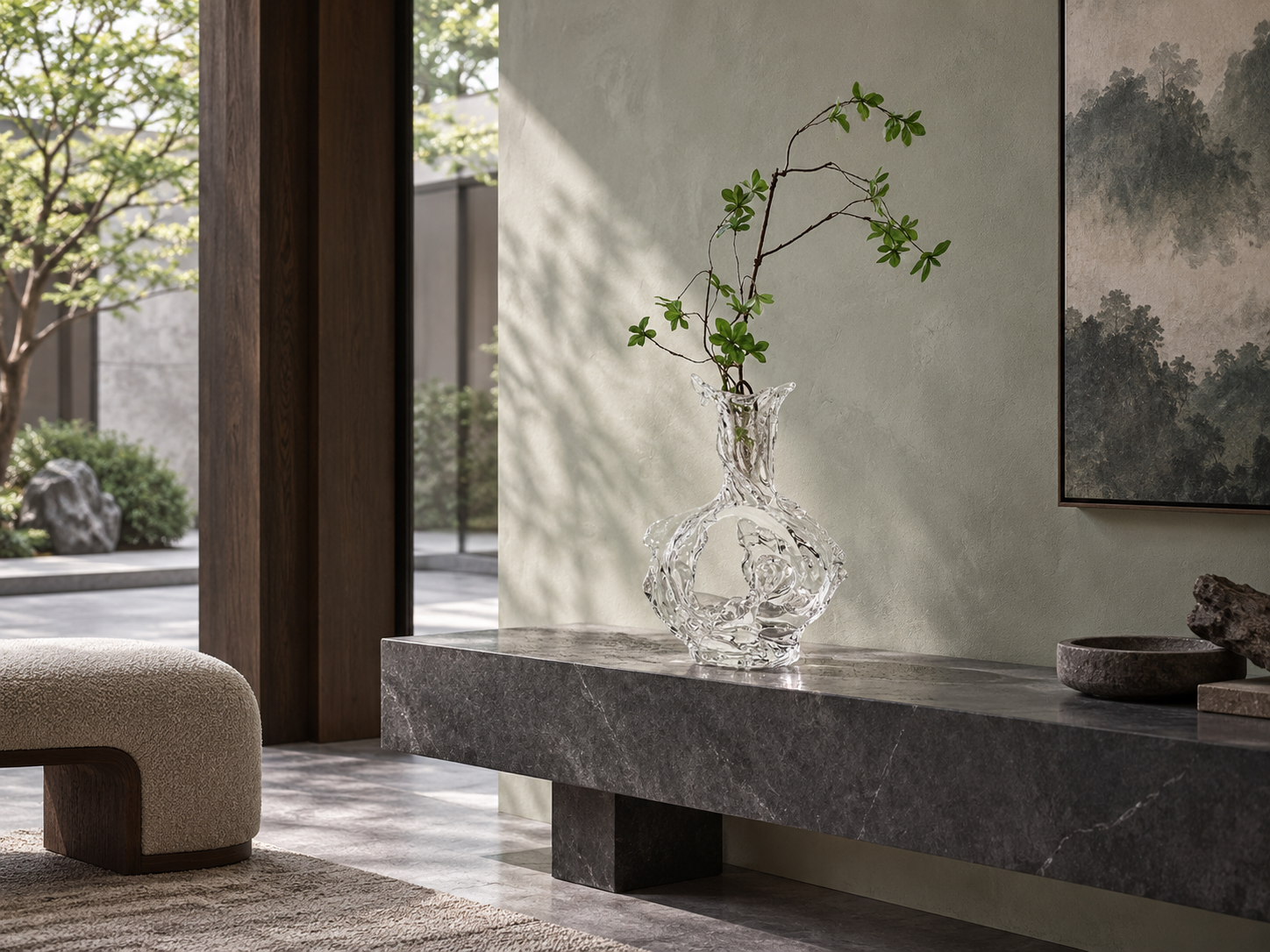
3. Key Product Categories: From Statement Pieces to Functional Essentials
3.1 Seating, Tables, and Everyday Functional Furniture
Custom acrylic furniture spans every product category, from small accent pieces to full dining sets.
Each category balances design flair with ergonomic and structural requirements.
Popular functional product lines include:
Transparent coffee table designs with sculpted bases for living rooms and lounge areas
Acrylic chairs and stools for dining spaces, bar areas, and office meeting rooms
Transparent dining table options with custom dimensions for residential and hospitality use
Acrylic bar counter installations for hotels, nightclubs, and upscale restaurants
Designer transparent coffee tables and decorative furniture remain top sellers for both residential and commercial clients.
Many pieces feature custom furniture size and shape adjustments to fit exact space requirements.
3.2 High-End Decorative and Specialty Custom Pieces
For luxury projects, synthetic crystal furniture goes beyond basic functionality to become wearable art for the home.
These pieces often involve complex craftsmanship and premium materials.
Specialty product offerings include:
High-end crystal billiard tables for luxury game rooms and private clubs
Synthetic crystal chandelier installations that double as lighting and sculpture
Transparent design console table pieces for entryways and gallery spaces
Acrylic piano accessories for music rooms and luxury hotel suites
Custom synthetic crystal furniture built to match unique architectural details
These pieces require advanced fine processing technology of acrylic materials to achieve flawless results.
High-end furniture brands and enterprises often partner with specialized manufacturers for these custom commissions.
4. Material Science and Craftsmanship: What Defines Quality
4.1 Critical Material Specifications for Performance and Clarity
Not all transparent furniture is created equal—material quality directly impacts both appearance and longevity.
Understanding key specifications helps buyers evaluate product quality.
Essential material parameters to review:
Acrylic sheet thickness: Typically 20mm to 100mm for structural pieces, with thicker sheets for heavy-use items
Optical clarity of transparent materials: Premium grades offer 92% light transmission, matching glass clarity
Mechanical strength of synthetic crystal materials: Tensile strength of 70-80 MPa for structural stability
UV resistance: Stabilized formulations prevent yellowing for 10+ years in indoor environments
High-thickness acrylic structure is especially important for large pieces like dining tables and bar counters.
Thinner materials may warp or flex under weight, compromising both safety and aesthetics.
4.2 Advanced Manufacturing and Finishing Techniques
The beauty of custom acrylic furniture lies in the precision of its craftsmanship.
Poorly finished edges or visible seams can ruin even the most elegant design.
Key manufacturing processes for premium pieces:
Furniture edge processing and polishing technology: Diamond-polished edges for glass-like clarity and smoothness
High-gloss finish on transparent surfaces: Buffing and sealing to resist scratches and maintain shine
Seamless bonding: Chemical welding techniques that create invisible joints for large structures
Custom furniture design and development: 3D modeling and prototyping to test form and function before production
Commercial engineering furniture project companies rely on these processes to deliver consistent, high-quality results at scale.
For large orders, precision manufacturing ensures every piece matches the approved design exactly.
5. Custom Solutions for B2B and Commercial Projects
5.1 Luxury Hotel Custom Furniture Solutions
Hospitality projects demand furniture that looks stunning, withstands heavy use, and aligns with brand identity.
Custom synthetic crystal furniture helps hotels create memorable, Instagram-worthy spaces.
Key hospitality applications include:
Lobby seating and accent tables that create a welcoming, upscale first impression
Restaurant and bar furniture that balances elegance with durability for daily service
Suite-level statement pieces that elevate the luxury guest experience
Event space furniture that can be reconfigured for different functions
Luxury hotel custom furniture solutions often involve close collaboration between hotel designers and manufacturing teams.
Custom furniture manufacturer for high-end projects teams can adapt designs to meet specific brand standards and budget requirements.
5.2 Custom Acrylic Furniture for Architects and Interior Designers
Design professionals need manufacturing partners who can translate creative visions into tangible, code-compliant pieces.
The right manufacturer acts as an extension of the design team.
Benefits of partnering with a specialized custom manufacturer:
Access to advanced material options, including tinted, textured, and embedded acrylic
Engineering support to ensure structural safety and compliance with building codes
Rapid prototyping to test designs before full production
Scalable production for both small boutique projects and large commercial rollouts
Custom acrylic furniture for architects and interior designers often includes custom furniture size and shape adjustments to fit unique architectural constraints.
Catering enterprises and chain catering groups also benefit from this flexibility when rolling out consistent designs across multiple locations.

6. Balancing Ambition and Practicality: Best Practices for Success
6.1 How to Align Design Vision With Performance Requirements
The biggest challenge in custom transparent furniture is pushing creative boundaries without sacrificing functionality.
Successful projects balance bold ideas with real-world use cases.
Strategies for balancing design and performance:
Define use cases early: Is the piece purely decorative, or will it see daily heavy use?
Consult engineers during the design phase to identify potential structural issues
Test material options for clarity, durability, and maintenance requirements before final selection
Set realistic budgets that account for specialized craftsmanship and premium materials
Synthetic crystal furniture for commercial engineering projects requires extra attention to safety standards and durability.
Working with experienced manufacturers helps avoid costly design flaws and production delays.
6.2 Selecting the Right Manufacturing Partner for Your Project
The quality of your final product depends heavily on the expertise of your manufacturing partner.
Not all custom furniture makers have the equipment and experience to work with high-end acrylic.
What to look for in a manufacturer:
Proven portfolio of commercial and hospitality transparent furniture projects
In-house engineering and design support teams
Advanced polishing, bonding, and fabrication equipment
Clear communication and project management processes
Compliance with international safety and quality standards
Hotel and commercial space designers, as well as commercial space design and decoration companies, should prioritize manufacturers with relevant industry experience.
The right partner will help you navigate tradeoffs, optimize designs for production, and deliver pieces that exceed expectations.
For anyone investing in custom synthetic crystal furniture, the goal is simple: pieces that spark joy and admiration while standing up to years of use.
By understanding material properties, manufacturing processes, and project-specific needs, you can create transparent furniture that is both artistically bold and practically unbeatable.
READ MORE:
- Beyond Conventional Geometry: Unlocking Creative Possibilities with Transparent Furniture Design
- Glass, Acrylic, or Synthetic Crystal? Choosing the Right Transparent Material for Premium Furniture Projects
- Designing for Spatial Flow: The Role of Transparent Furniture in Open-Plan Interiors
- Reducing Risk in Premium Furniture Projects: From Technical Assessment and Sample Approval to Production Inspection
- How to Conduct a Design Feasibility Review for Custom Synthetic Crystal Seating
- The Most Expensive Part of a Synthetic Crystal Chair Project Isn’t the Material
- You’re Not Buying Synthetic Crystal Chairs — You’re Buying Design Certainty
- How a 5-Star Hotel Cut Rework by 40% With Synthetic Crystal Solutions
- Premium Space Design Doesn’t Rely on Price—It Rests on Synthetic Crystal Application


