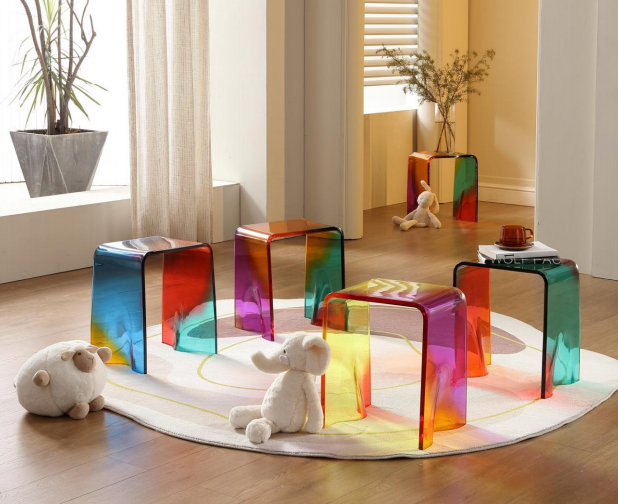
Premium synthetic crystal furniture, also known as transparent furniture or acrylic furniture, has become a staple in high-end interior design. Its sleek,
For interior designers, architects, and hotel procurement managers, delivering flawless execution of these pieces is critical to project success.
This guide breaks down risk mitigation strategies across technical assessment, sample approval, and production inspection for high-end transparent furniture.
1. Technical Assessment: Foundation of Acrylic Furniture and Decor
Technical assessment is the first line of defense against costly project failures for acrylic furniture and decor projects.
It ensures materials, materials, design feasibility, and structural integrity before production begins, saving time and resources down the line.
1.1 Material Performance Verification for Synthetic Crystal Furniture
Material quality directly impacts the longevity and aesthetic appeal of synthetic crystal furniture.
Cutting corners on raw materials leads to yellowing, cracking, or optical defects that ruin premium projects.
Key material checks include:
Optical transparency of transparent materials: Premium grades offer 92% light transmission, matching glass clarity without brittleness.
Mechanical strength of synthetic crystal materials: High-impact acrylic resists 10x the impact of glass, critical for high-traffic commercial spaces.
Acrylic sheet thickness: Load-bearing pieces require 20–50mm thick sheets for structural stability, depending on span and load requirements.
UV resistance: Outdoor or sun-exposed pieces need UV-stabilized formulations to prevent yellowing over 10+ years of use.
For custom synthetic crystal furniture, material certification is non-negotiable.
Reputable custom furniture manufacturer partners provide material test reports from third-party labs.
1.2 Structural Feasibility Analysis for Modern Design Furniture
Even the most creative modern design furniture concept fails if structurally unsound.
Technical teams evaluate design intent against real-world use cases.
Critical structural checks include:
High-thickness acrylic structure validation for cantilevered or large-span pieces
Load-bearing capacity testing for seating, tables, and display units
Joint and connection point stress analysis for assembled furniture
Thermal expansion coefficient calculation for temperature-variable environments
This step is especially vital for acrylic furniture customized for architects and interior designers working on complex commercial builds.
It aligns creative vision with practical safety and durability requirements.
2. Sample Approval: Ensuring Design Accuracy of Designer Transparent Furniture
Sample approval bridges the gap between digital designs and physical reality for designer transparent furniture.
It allows stakeholders to validate aesthetics, craftsmanship, and fit before full production.
2.1 Aesthetic and Craftsmanship Validation of Transparent Decorative Furniture
The visual quality of transparent decorative furniture defines its premium value.
Even minor flaws become highly visible in clear materials, so sample inspection must be rigorous.
Key aesthetic checkpoints include:
High-gloss finish on transparent surfaces: Mirror-like polish with no scratches, haze, or flow marks
Furniture edge processing and polishing process: Diamond-polished edges with crystal-clear, no chips or uneven surfaces
Color consistency: Custom tinted or colored acrylic pieces must match approved color swatches under natural and artificial lighting
Surface uniformity: No bubbles, impurities, or discoloration across the entire piece
For designer transparent coffee tables and decorative furniture, even 0.1mm surface defects are visible to the naked eye.
Premium manufacturers use cleanroom polishing to achieve flawless results.
2.2 Dimensional and Functional Testing of Custom Design Furniture
Custom design furniture must fit perfectly within its intended space and perform as expected.
Dimensional accuracy and functional performance are verified during sample stage.
Critical testing items include:
Furniture size and shape customization accuracy: ±1mm tolerance for premium pieces, verified with 3D scanning
Load testing: Weight capacity testing for seating, tables, and storage units per industry standards
Assembly compatibility: Pre-drilled holes and connection points align perfectly for on-site installation
Stability testing: Wobble and tip-resistance testing for freestanding pieces
For luxury hotel custom furniture solutions, sample approval often involves on-site fit testing in mock guest rooms or public spaces.
This ensures pieces integrate seamlessly with existing interior design schemes.
3. Production Inspection: Quality Control for High-End Transparent Furniture
Production inspection maintains consistent quality across full runs of high-end transparent furniture.
It catches defects early, reducing rework and delivery delays for large orders.
3.1 In-Process Quality Checks for Organic Glass Furniture
In-process checks happen at key production stops catch issues before they become costly defects in organic glass furniture.
They cover every stage from cutting to final assembly.
Core in-process inspection points:
Raw material batch verification: Confirming material grade and thickness match approved sample specifications
Cutting and forming accuracy: CNC cutting tolerance checks after laser cutting or thermoforming processes
Fine processing technology of acrylic materials: Edge polishing, edge, and joint bonding quality checks
Surface protection: Protective film application to prevent scratches during handling and assembly
Commercial engineering furniture project companies rely on these checks to deliver consistent quality across large commercial orders.
Synthetic crystal furniture for commercial engineering projects requires zero-defect rates below 0.5% defect rate.
3.2 Final Pre-Shipment Inspection of Transparent Resin Furniture
Final pre-shipment inspection is the last quality gate before transparent resin furniture leaves the factory.
It validates that every piece meets all approved sample standards and packaging protects fragile transparent pieces.
Final inspection checklist:
Full visual inspection under 1000lux lighting to detect surface defects
Dimensional verification against approved drawings
Function and stability re-testing for 10% of production units
Packaging inspection: Foam padding, wooden crating, and shock-absorbent materials for safe transport
For high-end hotel groups and catering enterprises and chain catering groups, third-party inspection reports are often required.
These independent verification ensures brand standards across multiple project timelines and quality standards.
4. Application Advantages of Synthetic Crystal Furniture in Different Scenarios
Synthetic crystal furniture offers unique benefits across residential, commercial, and hospitality spaces.
Understanding these use cases helps stakeholders select the right pieces for their projects.
4.1 Advantages of Transparent Furniture in Interior Design
The advantages of transparent furniture in interior design go far beyond aesthetic appeal.
They solve common design challenges while elevating space perception and versatility.
Key design benefits include:
Space optimization: Clear pieces visually expand small spaces by not blocking light or sightlines
Versatility: Matches any design styles from minimalist to maximalist, blending with existing decor
Light manipulation: Refracts and reflects light to brighten dim spaces and create visual interest
Timeless appeal: Transparent designs outlast trend cycles, reducing long-term replacement costs
Synthetic crystal furniture for modern interior spaces is particularly popular for urban apartments and small commercial venues.
It creates a sense of openness without sacrificing functionality.
4.2 Commercial and Hospitality Application Value
For commercial and hospitality projects, transparent resin furniture delivers both style and durability.
It meets the demands of high-traffic spaces while maintaining a luxury aesthetic.
Top commercial use cases include:
Luxury hotel lobbies: Synthetic crystal chandeliers and transparent design console tables create grand first impressions
Restaurant and bar spaces: Acrylic bar counters and transparent dining tables withstand spills and are easy to clean
Retail displays: Clear display tables and acrylic chairs and stools highlight products without distracting from them
High-end residential amenities: High-end crystal billiard tables and acrylic piano accessories elevate luxury common areas
Hotel and commercial space designers work closely with custom furniture designers to create bespoke pieces.
These pieces align with brand identity while meeting commercial durability requirements.
5. Customization Capabilities for Target Client Groups
Premium transparent furniture customization caters to diverse client needs across design, from individual designers to large enterprise clients.
Tailored solutions address specific project requirements and brand standards.
5.1 Solutions for Architecture and Interior Design Firms
Architecture and interior design firms require flexible, design-forward furniture that matches their creative vision.
Custom manufacturers support these clients with end-to-end design collaboration.
Core service offerings for design professionals:
Custom furniture design and development: Co-creation from concept sketch to final production
Material and finish customization: Custom colors, textures, and integrated lighting, and embedded decorative elements
3D rendering and prototyping: Fast turnaround on design visualization before production
Project management support: Dedicated account managers for large-scale projects
Acrylic furniture customized for architects and interior designers often includes custom synthetic crystal furniture pieces.
These one-of-a-kind pieces become focal points in high-end residential and commercial projects.
5.2 Enterprise and Hospitality Enterprise Solutions
High-end furniture brands and enterprises, high-end hotel groups, and commercial space design and decoration companies need scalable, consistent solutions.
Custom manufacturers deliver volume production without sacrificing quality.
Enterprise-level service features:
Bulk production capacity: 100+ unit runs with consistent quality across all pieces
Brand compliance: Adherence to brand guidelines and material standards
Supply chain transparency: Full traceability from raw material to finished product
After-sales support: Warranty, replacement parts, and maintenance guidance
Luxury hotel custom furniture solutions often include custom synthetic crystal furniture for guest rooms, lobbies, and dining areas.
Hotel procurement managers work directly with manufacturers to ensure on-time delivery and brand consistency.
6. Risk Mitigation Best Practices for Premium Furniture Projects
A proactive risk mitigation strategy prevents costly mistakes and delays in premium furniture projects.
Following best practices ensure successful outcomes for all stakeholders.
6.1 End-to-End Project Management Framework
Structured project management reduces miscommunication and delays across the entire furniture production lifecycle.
It aligns all stakeholders from design to delivery.
Key project management steps:
Clear milestone setting: Define timelines, quality standards, and approval workflows at project kickoff
Regular progress updates: Weekly reports with photos and inspection results
Change order process: Formal change requests and approval process for design or specification changes
Contingency planning: 10-15% buffer time for custom or complex projects
Commercial engineering furniture project companies rely on these frameworks to deliver on tight deadlines.
They ensure transparent communication between clients and production teams.
6.2 Partner Selection Criteria for Reliable Custom Furniture Manufacturers
Choosing the right custom furniture manufacturer is the single most important risk mitigation step.
The wrong partner leads to quality issues, delays, and cost overruns.
Critical partner selection criteria:
10+ years of experience in premium transparent furniture production
In-house technical team with material testing and quality control labs
Portfolio of completed high-end hotel and commercial project references
ISO 9001 quality management certification and material safety certifications
Transparent pricing and detailed production timelines
By vetting partners thoroughly, clients reduce project risks and ensure long-term success.
Premium furniture projects require partners that understand the unique requirements of transparent materials in furniture design.
READ MORE:
- From Dimensions to Structure: Balancing Design Ambition and Practical Performance in Custom Furniture
- Beyond Conventional Geometry: Unlocking Creative Possibilities with Transparent Furniture Design
- Glass, Acrylic, or Synthetic Crystal? Choosing the Right Transparent Material for Premium Furniture Projects
- Designing for Spatial Flow: The Role of Transparent Furniture in Open-Plan Interiors
- How to Conduct a Design Feasibility Review for Custom Synthetic Crystal Seating
- The Most Expensive Part of a Synthetic Crystal Chair Project Isn’t the Material
- You’re Not Buying Synthetic Crystal Chairs — You’re Buying Design Certainty
- How a 5-Star Hotel Cut Rework by 40% With Synthetic Crystal Solutions
- Premium Space Design Doesn’t Rely on Price—It Rests on Synthetic Crystal Application


