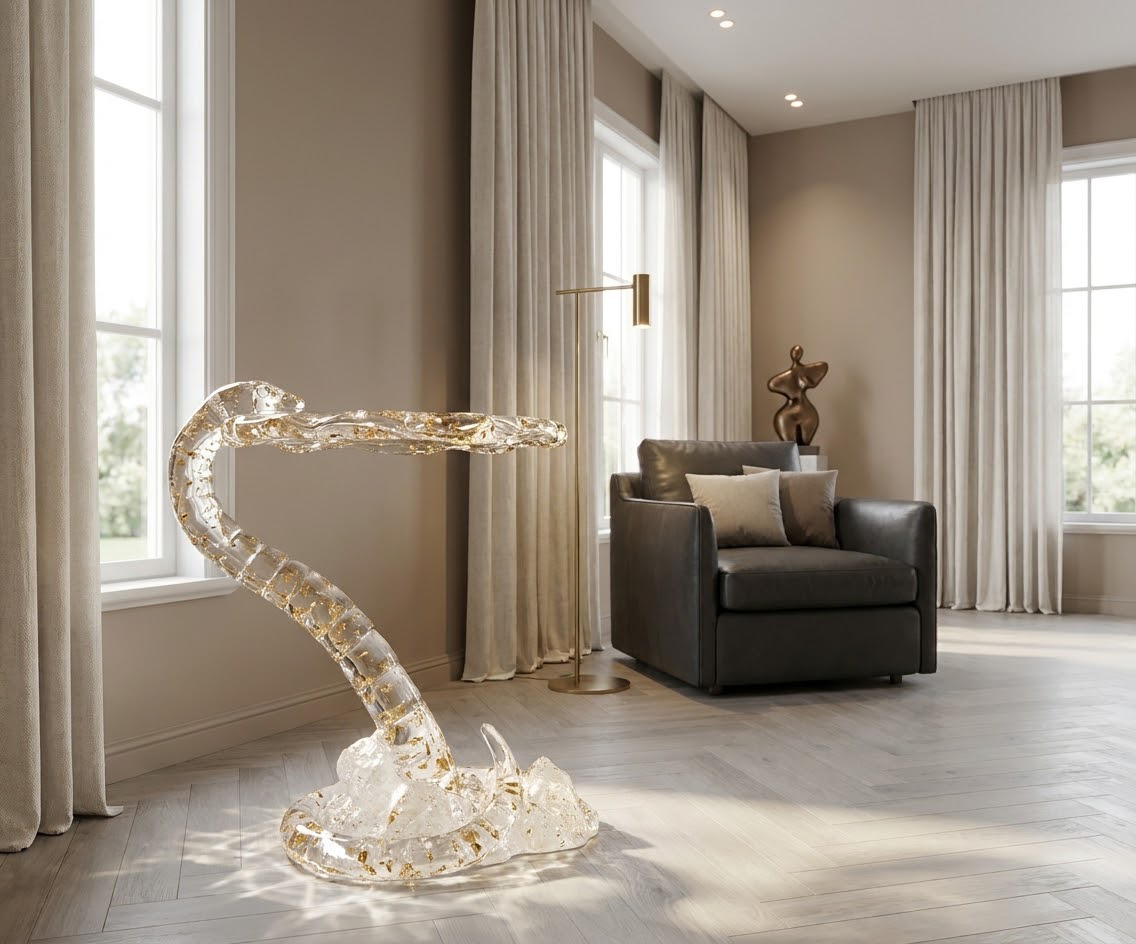
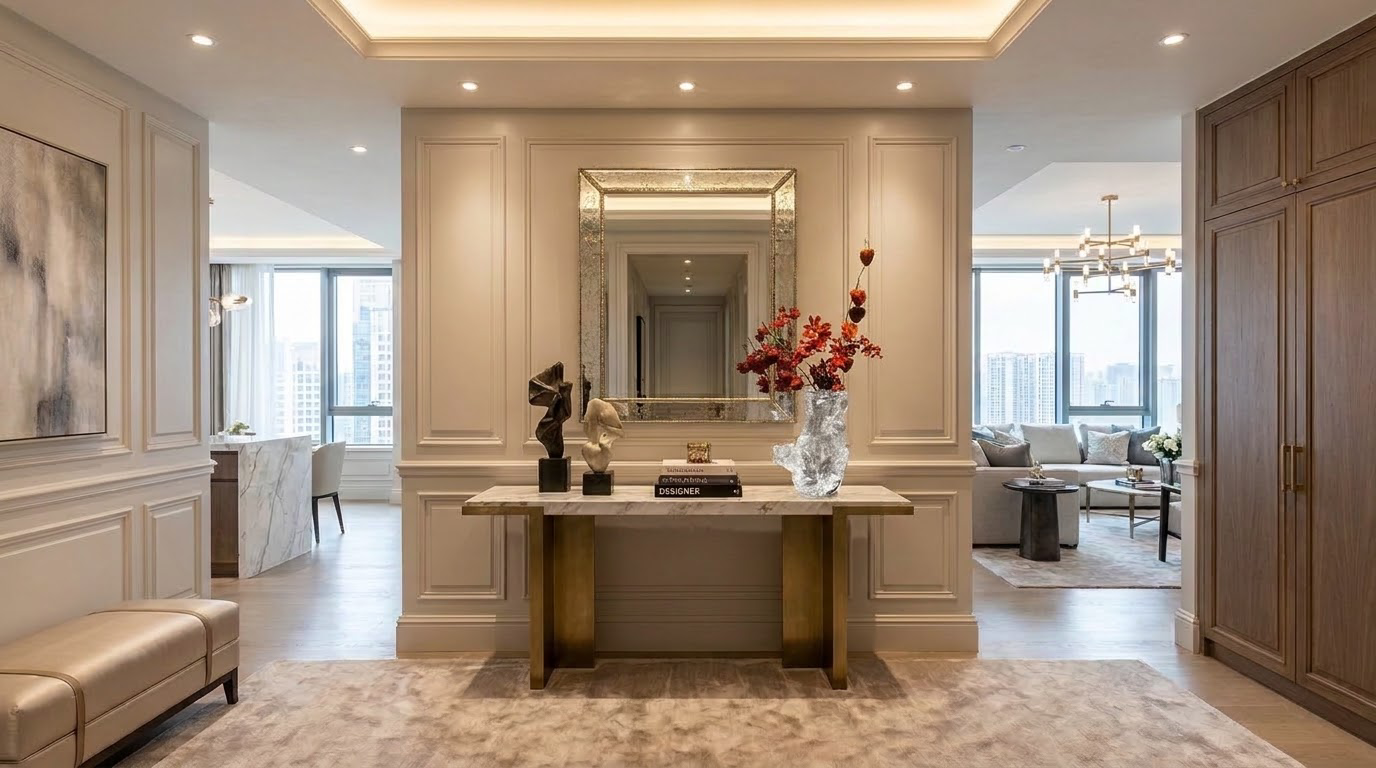
For interior designers working on high-end residential and commercial projects, synthetic crystal furniture has emerged as a transformative material category that bridges artistic expression and functional practicality. Unlike traditional solid wood or metal furniture, artificial crystal furniture introduces light transmission, refractive texture, and sculptural form that redefine spatial hierarchy. This guide breaks down the systematic composition logic of integrating these pieces into luxury interiors, from material selection to spatial narrative building.
1. Material Foundation: Why Synthetic Crystal Furniture Redefines Luxury Interior Standards
The rise of synthetic crystal furniture in high-end design is not a passing trend, but a material innovation driven by advances in manufacturing technology and evolving luxury aesthetics. Unlike natural crystal, which has inherent impurities and size limitations, engineered crystal furniture offers consistent quality and customizable forms that align with modern design demands.
1.1 Core Material Properties of High-Purity Optical-Grade Material
The premium tier of synthetic crystal furniture relies on high-purity optical-grade material, which undergoes 12+ stages of purification and precision casting to achieve 99.9% light transmittance. This material grade eliminates the cloudiness or internal streaks common in lower-quality acrylic or resin alternatives.
Key performance metrics include:
Light transmittance rate of 92-95%, comparable to high-end optical lenses
High surface hardness reaching 6-7 on the Mohs scale, resisting daily scratches
UV resistance rating of 98%, preventing yellowing after 10+ years of indoor use
Temperature resistance range of -30°C to 80°C, suitable for most indoor environments
1.2 Comparison Between Synthetic and Natural Crystal Furniture
While natural crystal carries geological rarity value, it presents significant limitations for large-scale furniture production. Synthetic variants solve these pain points while retaining the luxurious visual appeal of crystal.
Core advantages for design applications:
Customizable dimensions: synthetic crystal tables can be cast in single slabs up to 3 meters long, impossible with natural crystal
Consistent color and clarity: no natural inclusions or color variations across large furniture pieces
Structural stability: engineered molecular structure reduces brittleness, making synthetic crystal chairs safe for daily use
Cost predictability: pricing is based on size and craftsmanship, not unpredictable natural stone market fluctuations
2. Furniture Composition Logic: Establishing Visual Coherence Across Spaces
Cohesive spatial design language relies on consistent material grammar, proportional harmony, and intentional visual flow. Synthetic crystal furniture acts as a unifying element that connects different functional zones without creating visual heaviness.
2.1 Proportional Matching Rules for Different Space Scales
The size of synthetic crystal furniture must be calibrated to room dimensions to avoid overwhelming or underwhelming the space. Interior designers follow established proportional frameworks to achieve balanced composition.
Standard proportional guidelines:
For living rooms under 30 sqm: select a synthetic crystal table with a top surface no larger than 1.8m x 0.9m
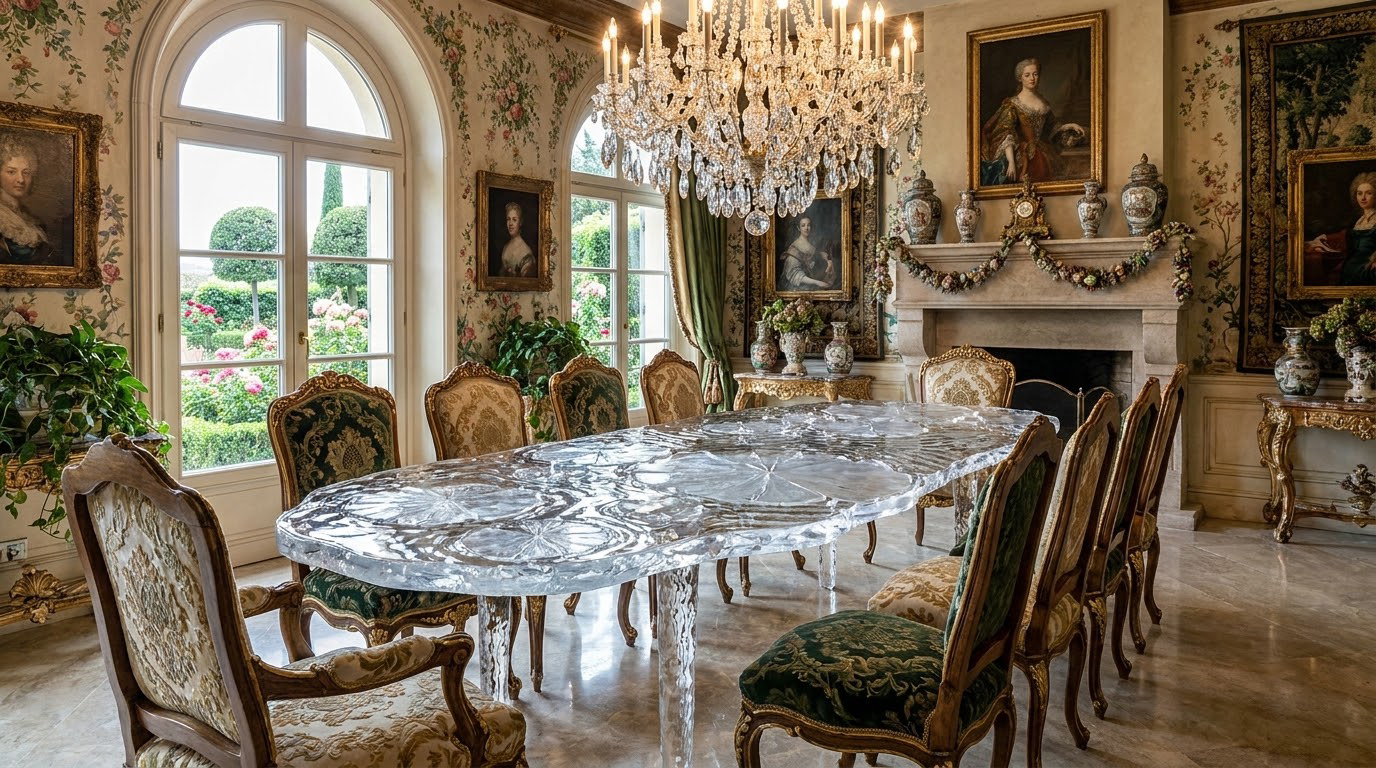
For dining rooms seating 6-8 people: opt for a 2.2m-2.4m long crystal dining table with 12-15cm thickness
For bedroom accent pieces: pair a crystal side table (40cm diameter) with a synthetic crystal chair for reading nooks
For lobby spaces over 50 sqm: use sculptural crystal furniture as focal points, occupying 8-12% of total floor area
2.2 Material Layering Strategies with Complementary Finishes
Synthetic crystal furniture works best when paired with contrasting materials that highlight its transparent properties. The layering logic follows the principle of "transparent base + textured accent + soft buffer" to create depth.
Recommended material pairings:
Warm wood tones: walnut or oak bases for crystal tables add organic warmth and visual grounding
Brushed metal: brass or brushed nickel hardware complements crystal's cool luminosity
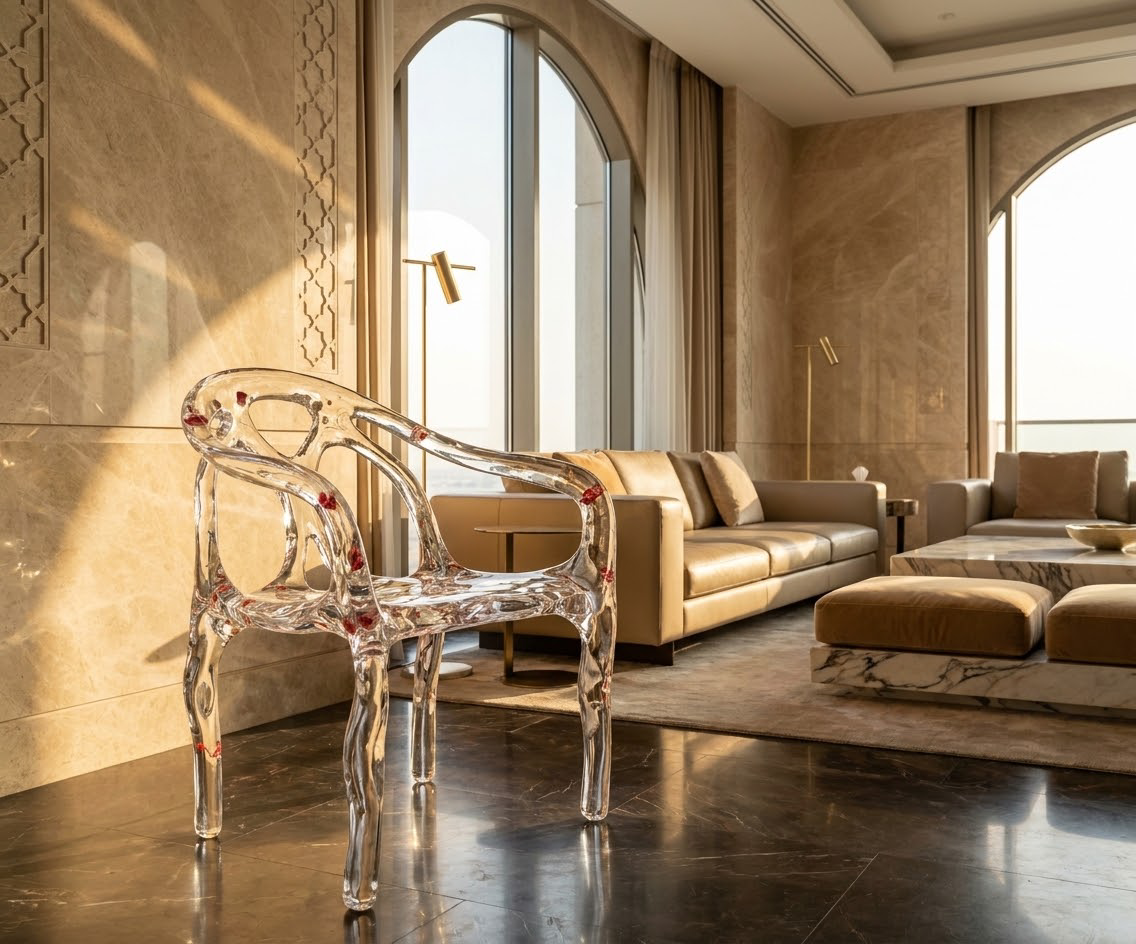
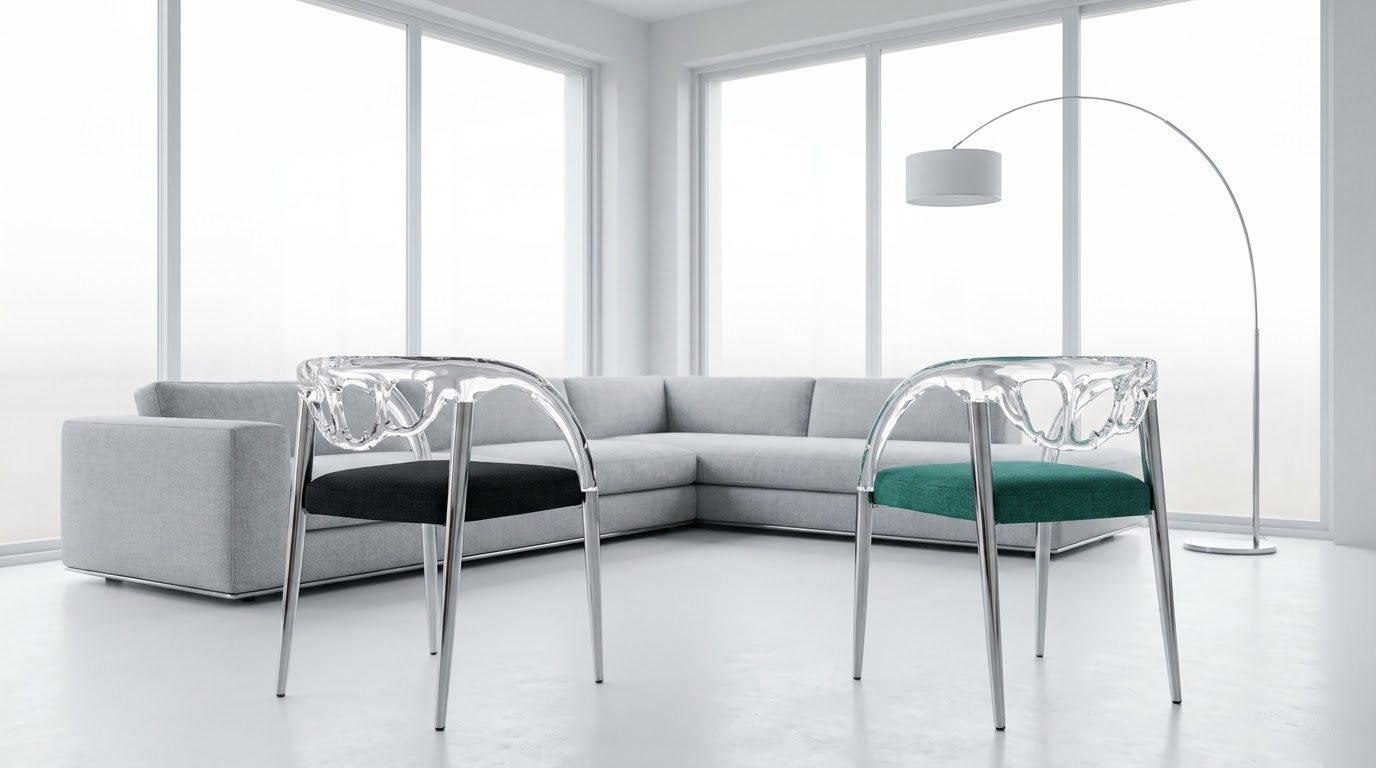
Textile softening: velvet or linen upholstery on synthetic crystal chair frames balances hard material edges
Stone surfaces: marble or travertine flooring creates subtle textural contrast with smooth crystal finishes
3. Application Scenarios: Tailoring Crystal Furniture to Project Types
Different project types demand different approaches to integrating synthetic crystal furniture. Residential projects prioritize warmth and livability, while commercial spaces focus on brand expression and durability.
3.1 Residential Luxury Projects: Balancing Opulence and Livability
In high-end residential interiors, artificial crystal furniture serves as statement pieces that elevate everyday living spaces without feeling like museum exhibits. The key is strategic placement in high-visibility, low-abrasion zones.
Common residential applications:
Living room focal point: a sculptural synthetic crystal coffee table paired with neutral sofas
Dining room centerpiece: a rectangular crystal dining table with upholstered dining chairs
Master bedroom accent: a crystal vanity table paired with a sleek synthetic crystal chair
Entryway statement: a console table with crystal base and marble top for first-impression impact
3.2 Commercial and Hospitality Spaces: Durability and Brand Expression
For commercial projects, high surface hardness of premium synthetic crystal becomes a critical functional requirement, as these spaces experience higher foot traffic and frequent use. Designers leverage crystal's luxurious appearance to reinforce brand positioning.
Key commercial use cases:
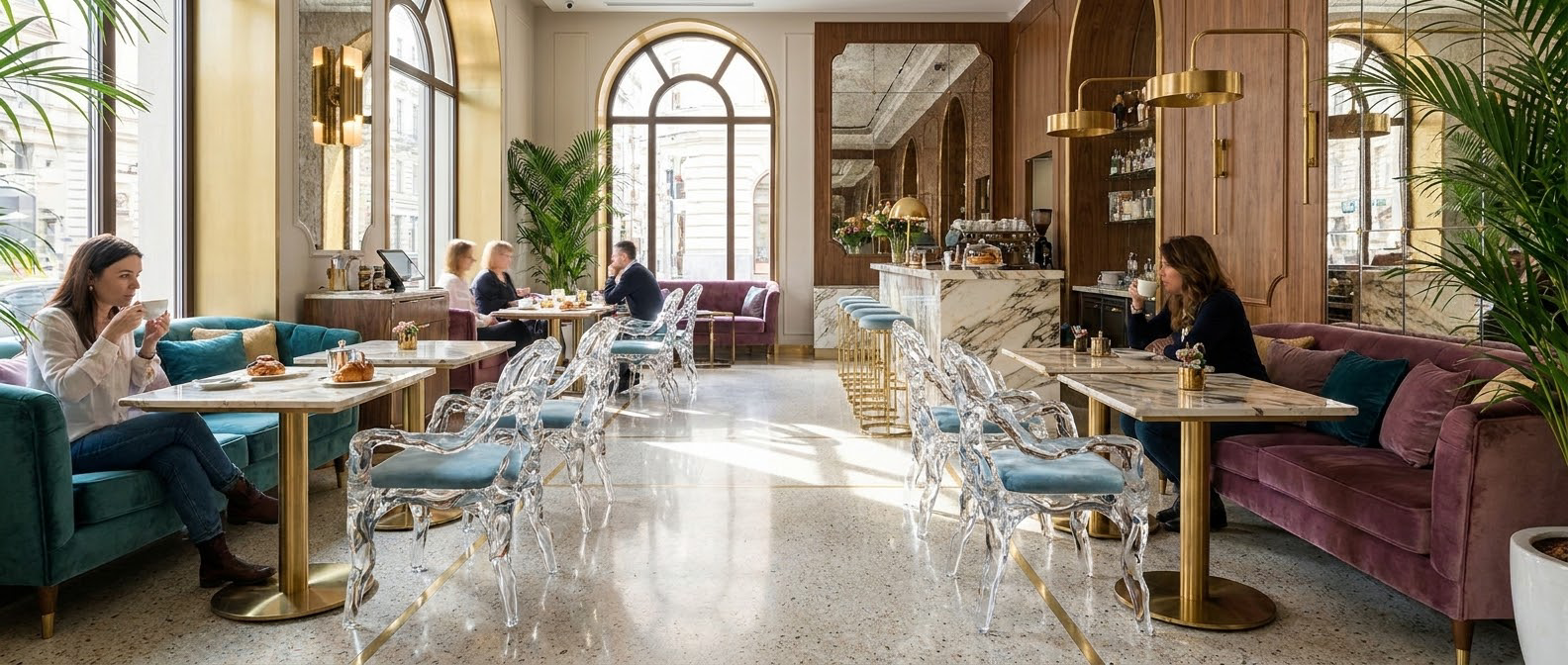
Hotel lobbies: large-scale crystal reception desks or seating installations
High-end retail: display tables and seating for luxury boutiques
Corporate executive offices: conference tables and guest seating for C-suite spaces
Fine dining restaurants: feature tables for private dining rooms
4. Design Narrative Building: Creating Unified Spatial Language
Synthetic crystal furniture is more than functional decor—it is a narrative tool that ties together thematic concepts across entire projects. When used consistently, it creates a recognizable design signature that elevates the work of interior designers.
4.1 Thematic Consistency Across Functional Zones
A cohesive spatial language requires repeating material motifs, even as furniture forms change between rooms. Synthetic crystal furniture provides a common material thread that connects living, dining, working, and resting zones.
Strategies for thematic consistency:
Repeat the same crystal edge finish (beveled, rounded, or faceted) across all pieces
Use matching metal hardware finishes for all crystal furniture in the project
Maintain consistent crystal thickness ratios (e.g., 10cm for tables, 5cm for chair frames)
Incorporate subtle color tinting (champagne, smoke gray, or ice blue) aligned with the project's color palette
4.2 Light Interaction as a Design Element
One unique advantage of synthetic crystal furniture made from high-purity optical-grade material is its ability to manipulate light. Designers can use this property to create dynamic visual effects that change throughout the day.
Light design integration techniques:
Position crystal tables near windows to refract natural light and create rainbow prisms on walls
Install recessed LED lighting under crystal table bases for ambient evening glow
Use backlighting for wall-mounted crystal decor pieces to enhance transparency
Pair crystal seating with floor lamps that cast patterned light through the material
5. Practical Implementation Guide for Interior Designers
Successfully integrating synthetic crystal furniture into high-end projects requires attention to sourcing, customization, installation, and maintenance. Interior designers who master these practical details deliver better outcomes for their clients.
5.1 Sourcing and Customization Best Practices
Not all synthetic crystal furniture is created equal. Quality varies significantly between manufacturers, and custom projects require careful specification to ensure the final product meets design intent.
Critical specification checklist:
Confirm material grade: specify high-purity optical-grade material to avoid low-quality resin alternatives
Request material samples: verify clarity, color consistency, and edge finish in person
Clarify craftsmanship: hand-polished edges achieve higher clarity than machine-cut edges
Confirm lead times: custom synthetic crystal tables typically require 4-8 weeks for production
Discuss installation requirements: large crystal pieces require professional delivery and placement
5.2 Maintenance and Long-Term Durability
While high surface hardness provides excellent scratch resistance, synthetic crystal furniture still requires proper care to maintain its appearance over decades of use. Designers should provide clear maintenance guidelines to clients.
Essential maintenance tips:
Clean with microfiber cloths and mild, non-abrasive glass cleaners
Avoid placing hot objects directly on crystal surfaces (use coasters or trivets)
For floor-placed pieces, use felt pads under bases to prevent scratching during movement
Periodically apply a specialized crystal polish to restore luster
For outdoor-adjacent pieces, confirm UV resistance rating to prevent yellowing
In conclusion, synthetic crystal furniture offers interior designers a powerful material palette to build cohesive, memorable, and luxurious spatial design language. By understanding material properties, following composition logic, tailoring applications to project types, building narrative consistency, and mastering implementation details, designers can elevate their work to new levels of sophistication. As manufacturing technology continues to advance, the possibilities for custom artificial crystal furniture will only expand, opening new creative avenues for high-end interior design.
READ MORE:
- How Interior Developers Formulate Custom Design Strategies for Synthetic Crystal Furniture
- Synthetic Crystal Furniture: Material Contrast and Spatial Composition with Matte Finishes and Natural Textures
- Synthetic Crystal Furniture: Collaborative Design of Functional Zoning and Furniture Configuration in Multi-Functional Interior Spaces
- Synthetic Crystal Furniture Color Design Strategies: Build Visual Harmony via Material Tones
- Il costo di una sedia in cristallo sintetico non è il prezzo d’acquisto: ecco cosa incide davvero sul costo totale del progetto
- Come un hotel 5 stelle ha risolto i problemi di realizzazione del suo pezzo iconico con cristallo sintetico
- Come abbiamo realizzato 20 sedie in cristallo sintetico dal design curvo per un hotel boutique di lusso rispettando tempi e qualità
- Non vendiamo solo cristallo sintetico: aiutiamo i progetti di lusso a trasformare il concept in realtà senza perdere l’intento di design
- Il cristallo sintetico è davvero adatto a tutti i progetti di arredamento per hotel?


