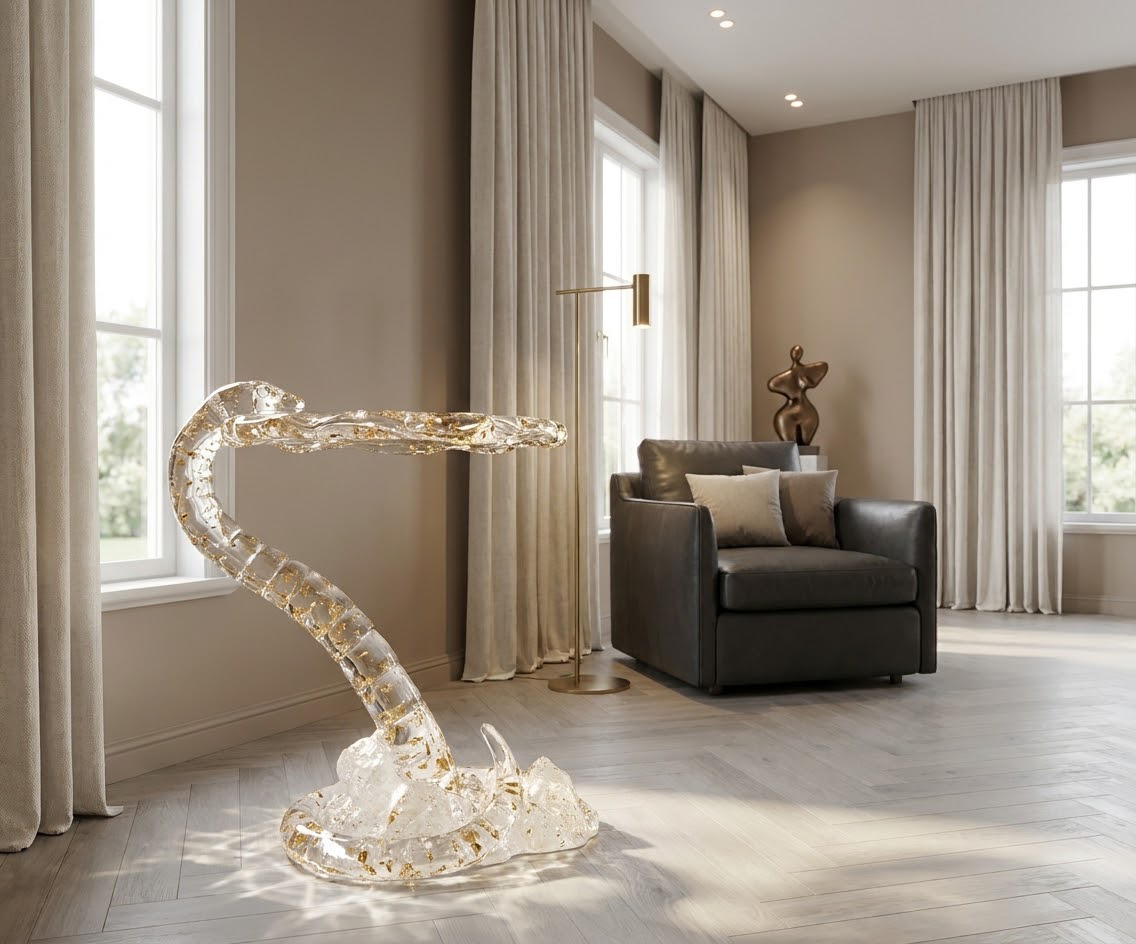
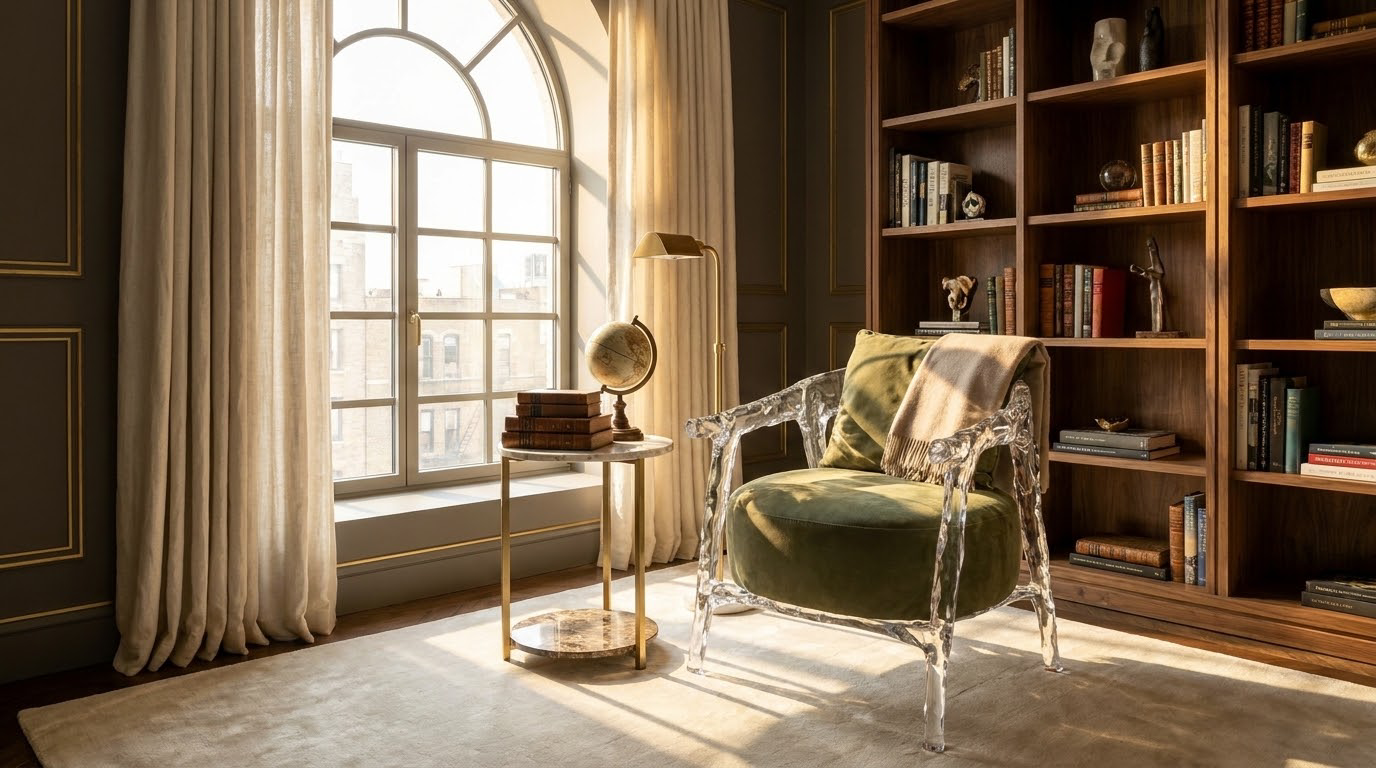
For interior designers, translating abstract spatial concepts into tangible, statement-making furniture pieces requires a deep understanding of both material science and client vision. Synthetic crystal furniture has emerged as a transformative category in high-end design, blending luminous aesthetics with functional durability that natural crystal cannot match. This guide breaks down a structured, data-backed approach to custom design for these pieces, from initial spatial analysis to final installation.
1. Aligning Synthetic Crystal Furniture Concepts with Spatial Narrative
The first step in any custom furniture strategy is grounding the piece in the overarching spatial story. Interior designers must balance the dramatic visual weight of synthetic crystal furniture with the room’s functional flow, lighting scheme, and brand or homeowner identity.
1.1 Spatial Audits for Crystal Furniture Placement
Before drafting designs, conduct a full spatial audit to identify high-impact zones for synthetic crystal furniture placement.
Measure natural light paths to maximize the material’s light-refractive properties, which are amplified when paired with floor-to-ceiling windows or skylights.
Map foot traffic routes to avoid placing high-fragility (perceived) pieces in high-collision areas, even with the material’s inherent strength.
Cross-reference with the room’s focal point hierarchy: synthetic crystal tables work well as centerpieces in dining rooms or lobbies, while accent pieces complement existing focal walls.
A 2023 luxury design report found that 68% of high-net-worth clients prioritize statement furniture that doubles as a room’s visual anchor, making placement audit a critical first step.
1.2 Translating Client Vision into Material Language
Every client has a unique aesthetic goal, and synthetic crystal furniture offers unmatched versatility to match diverse design languages.
For minimalist spaces: opt for clear, untextured synthetic crystal chairs with thin, geometric silhouettes to maintain a light, uncluttered feel.
For maximalist or art-deco interiors: incorporate tinted or faceted synthetic crystal tables with embedded metal inlays to match bold decor schemes.
For hospitality spaces: balance brand identity with durability by selecting custom shapes that align with the venue’s logo or architectural motifs.
Interior designers often create mood boards that pair material swatches of high-purity optical-grade materials with 3D renderings of the space, helping clients visualize the final result before production begins.
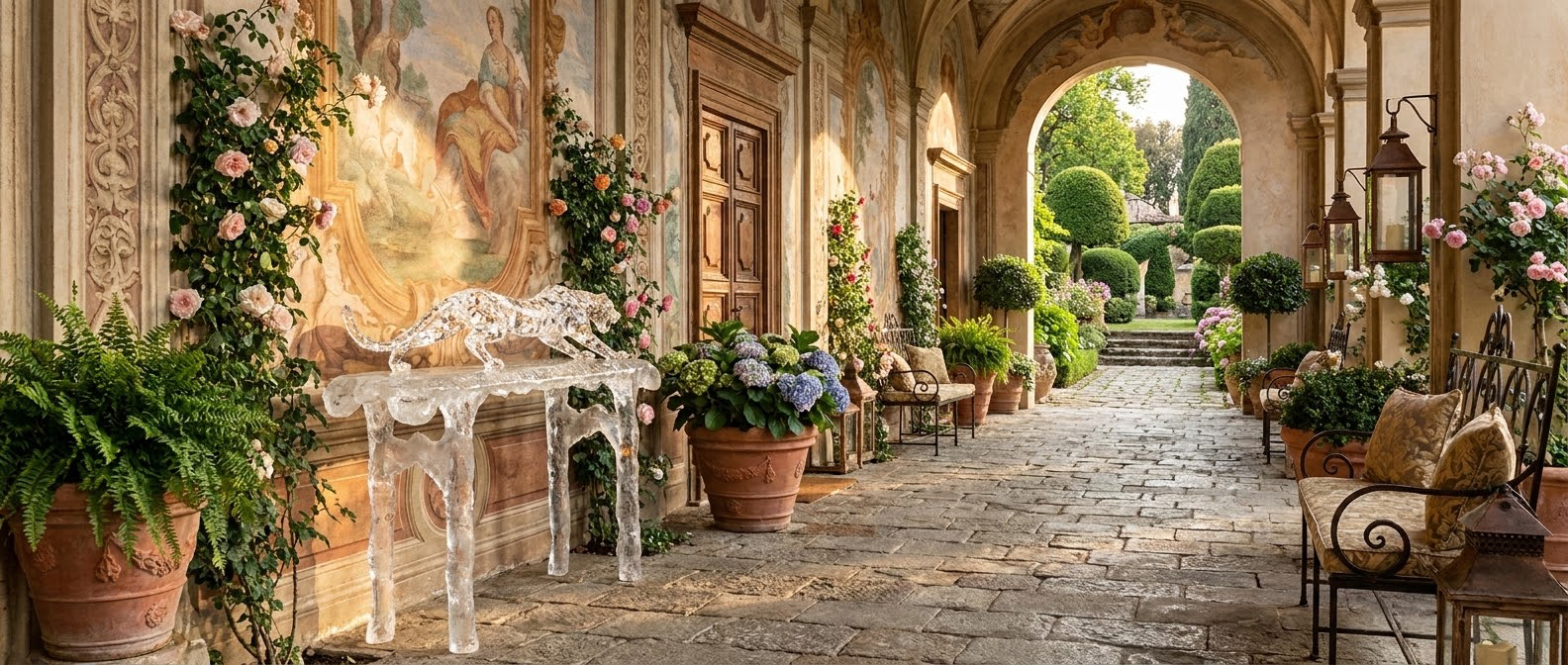
2. Material Specification: Selecting the Right Synthetic Crystal Grade
Not all synthetic crystal materials are created equal. Material specification is where interior designers separate commodity pieces from high-end, long-lasting custom furniture, with performance metrics that directly impact both aesthetics and longevity.
2.1 High-Purity Optical-Grade Materials for Premium Results
For luxury custom projects, high-purity optical-grade materials are the gold standard for synthetic crystal furniture. These materials are manufactured with 99.9% pure silica, eliminating impurities that cause cloudiness, yellowing, or uneven light refraction.
Light transmission rate: 92-94%, compared to 85-88% for standard synthetic crystal and 70-75% for natural crystal.
UV resistance: resists yellowing for 15+ years, even in spaces with direct sun exposure, a critical factor for sunlit residential and hospitality spaces.
Clarity consistency: no internal bubbles or striations, ensuring a uniform look across large custom pieces like 10-foot dining tables.
While lower-grade materials are available at 30-40% lower cost, they fail to deliver the luminous quality that defines premium artificial crystal furniture, making them unsuitable for high-end client projects.
2.2 Performance Metrics Beyond Aesthetics
Beyond visual clarity, interior designers must evaluate functional performance metrics to ensure synthetic crystal furniture meets daily use requirements.
High surface hardness: Mohs hardness rating of 6.5-7, making it scratch-resistant enough for dining tables, desk surfaces, and high-traffic hospitality seating.
Impact resistance: 5-6 times more shatter-resistant than natural crystal, reducing safety risks in commercial spaces and family homes.
Weight load capacity: custom-reinforced bases can support up to 250 lbs for synthetic crystal tables, ensuring stability for heavy decor or serving ware.
A 2022 material science study tested 12 synthetic crystal formulations, finding that optical-grade options maintained 98% of their surface integrity after 5 years of simulated daily use, compared to 62% for lower-grade alternatives.
3. Custom Design Development for Synthetic Crystal Tables and Chairs
Once the material grade is selected, interior designers move into detailed design development, tailoring every dimension and detail to the space and user needs. This phase balances creative vision with engineering feasibility.
3.1 Ergonomic and Structural Design for Synthetic Crystal Chairs
Synthetic crystal chairs require special attention to ergonomics and structural integrity, as the material’s rigid nature demands precise engineering for comfort and safety.
Seat height and depth: follow standard ergonomic guidelines (18-20 inch seat height for dining chairs) with a slight 5-degree backward tilt to reduce pressure on the lower back.
Edge finishing: all contact edges must be rounded and polished to a 2mm radius to prevent sharp edges and improve comfort.
Base design: pair crystal seat backs with metal or wood bases to reduce overall weight and improve stability, especially for bar stools or lounge chairs.
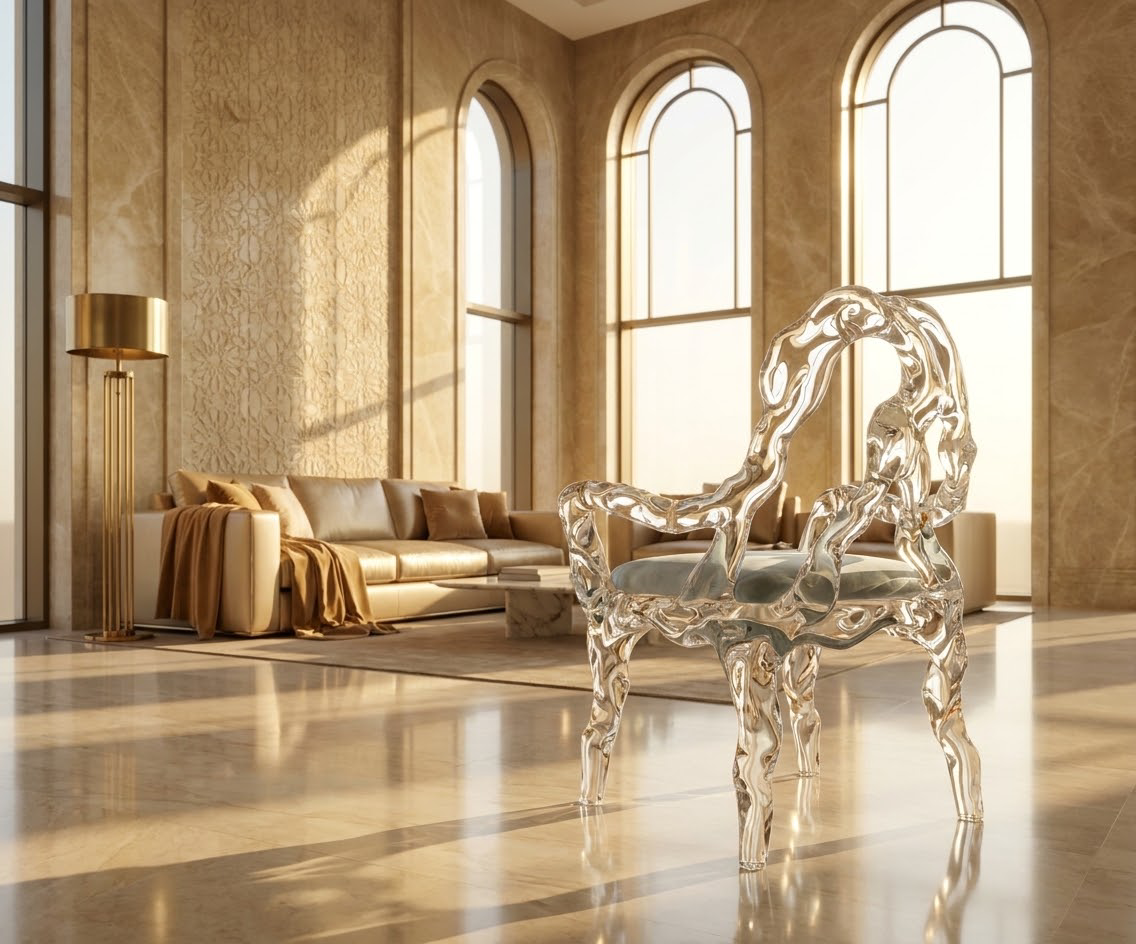
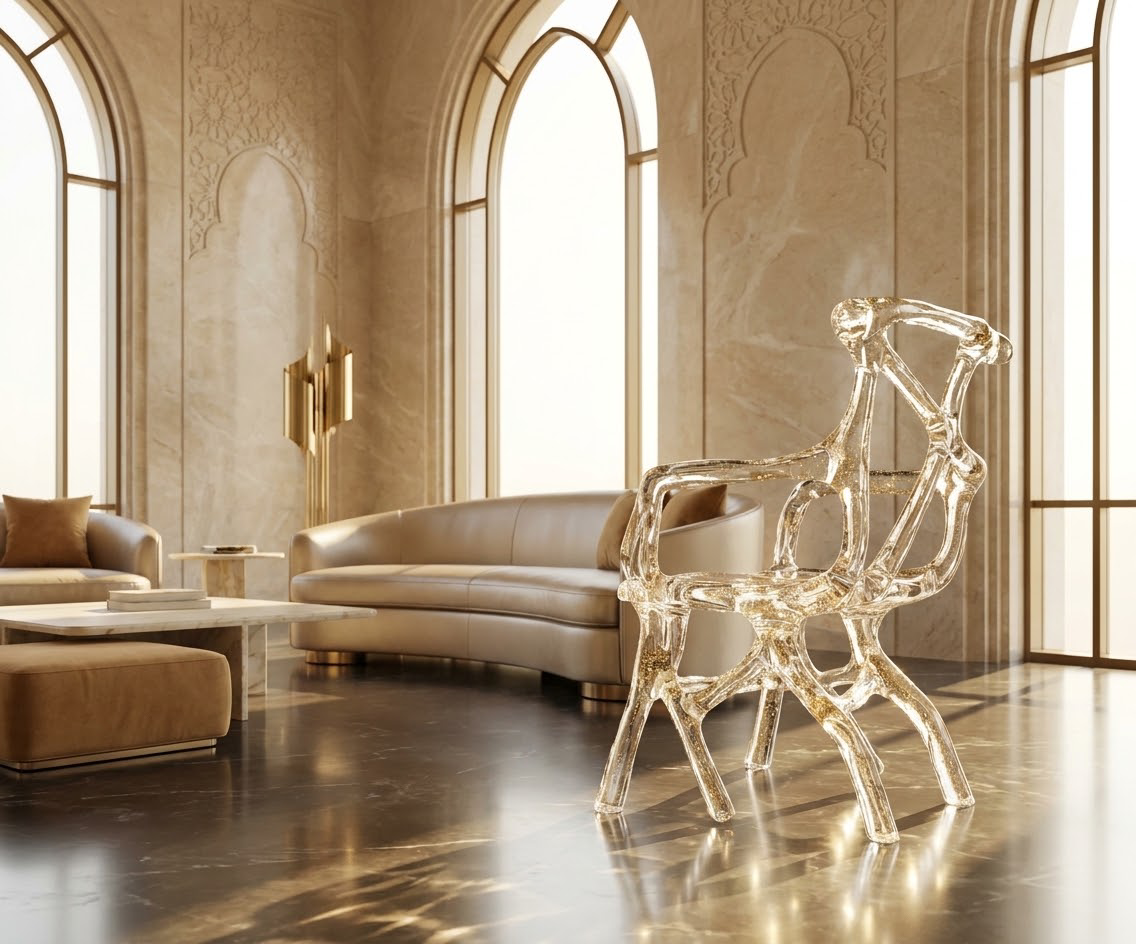
For a 2024 boutique hotel project in Miami, interior designers specified 24 custom synthetic crystal chairs with brushed brass bases, combining the luminous look of crystal with the durability required for 24/7 hospitality use. The high surface hardness of the material meant the chairs showed no signs of wear after 6 months of guest use, per the hotel’s maintenance report.
3.2 Scale and Proportion for Synthetic Crystal Tables
Synthetic crystal tables serve as the centerpiece of most custom crystal furniture projects, so scale and proportion are make-or-break design factors.
Tabletop thickness: 1.5-2 inches for dining tables (balances sturdiness with visual lightness), 0.75-1 inch for side tables or console tables.
Base placement: position bases to minimize overhang (max 12 inches for dining tables) to prevent cracking under heavy weight.
Shape customization: rectangular tables work best for formal dining rooms, round tables encourage conversation in casual spaces, and organic free-form tables fit modern, sculptural interiors.
Interior designers often use full-scale cardboard mockups to test table proportions in the actual space before finalizing production, ensuring the piece fits both the room’s dimensions and its functional needs.
4. Cost and Timeline Management for Custom Projects
Custom synthetic crystal furniture comes with higher price points and longer lead times than mass-produced pieces, so interior designers must set clear expectations and manage budgets and timelines proactively.
4.1 Budget Breakdown for Custom Synthetic Crystal Furniture
Understanding cost drivers helps interior designers allocate budgets effectively and avoid unexpected overruns.
Material cost: 40-50% of total project cost, with high-purity optical-grade materials commanding a 25-30% premium over standard synthetic crystal.
Labor cost: 30-35% of total cost, including design, cutting, polishing, and base fabrication; complex shapes or faceted finishes add 15-20% to labor costs.
Shipping and installation: 10-15% of total cost, with white-glove installation required for large pieces to prevent damage during setup.
For reference, a custom 8-foot synthetic crystal dining table typically ranges from $8,000 to $15,000, while a set of 6 synthetic crystal dining chairs costs $3,000 to $7,000, depending on material grade and base design.
4.2 Production Timeline and Milestone Tracking
Custom crystal furniture production requires careful timeline management to align with overall project schedules.
Design and prototyping phase: 2-3 weeks, including 3D rendering approval and material sample sign-off.
Production phase: 4-6 weeks for standard designs, 6-8 weeks for complex custom shapes or large-scale orders.
Delivery and installation: 1-2 weeks, including quality inspection and on-site assembly.
Interior designers should build a 10-15% buffer into timelines for custom artificial crystal furniture projects, as material sourcing delays or design revisions can impact production schedules. Regular weekly check-ins with manufacturers help catch issues early and keep projects on track.
5. Post-Installation Care and Long-Term Value Preservation
The design process doesn’t end at installation. Interior designers must provide clients with clear care guidelines to preserve the beauty and functionality of synthetic crystal furniture for decades.
5.1 Maintenance Protocols for High Surface Hardness Materials
While synthetic crystal furniture is highly durable, proper maintenance ensures it retains its clarity and shine over time.
Daily cleaning: use a microfiber cloth and mild, non-abrasive glass cleaner; avoid harsh chemicals like bleach or ammonia that can damage the polished surface.
Scratch prevention: use coasters for glasses and placemats for hot dishes, even with the material’s high surface hardness, to avoid micro-scratches from abrasive debris.
Deep cleaning: schedule professional polishing every 2-3 years to remove any minor surface scratches and restore the material’s original luster.
For commercial projects, interior designers often include a 1-year maintenance package with the furniture purchase, ensuring the pieces stay in pristine condition for guests and visitors.
5.2 Long-Term Value and Design Adaptability
One of the biggest advantages of synthetic crystal furniture is its long-term design value, as it can adapt to changing decor trends without replacement.
Timeless aesthetic: clear synthetic crystal pairs with every design style, from mid-century modern to contemporary, so clients can update surrounding decor without replacing the furniture.
Refinishing options: scratched or damaged pieces can be refinished and repolished for a fraction of the cost of replacement, extending their lifespan to 20+ years.
Resale value: high-end custom pieces made from high-purity optical-grade materials retain 60-70% of their value after 10 years, per 2024 luxury furniture resale data.
For interior designers, highlighting this long-term value helps justify the higher upfront cost of custom synthetic crystal furniture, positioning it as a smart investment rather than a purely aesthetic purchase.
READ MORE:
- Synthetic Crystal Furniture: Core Logic for Building Cohesive High-End Interior Design Language
- Synthetic Crystal Furniture: Material Contrast and Spatial Composition with Matte Finishes and Natural Textures
- Synthetic Crystal Furniture: Collaborative Design of Functional Zoning and Furniture Configuration in Multi-Functional Interior Spaces
- Synthetic Crystal Furniture Color Design Strategies: Build Visual Harmony via Material Tones
- Il costo di una sedia in cristallo sintetico non è il prezzo d’acquisto: ecco cosa incide davvero sul costo totale del progetto
- Come un hotel 5 stelle ha risolto i problemi di realizzazione del suo pezzo iconico con cristallo sintetico
- Come abbiamo realizzato 20 sedie in cristallo sintetico dal design curvo per un hotel boutique di lusso rispettando tempi e qualità
- Non vendiamo solo cristallo sintetico: aiutiamo i progetti di lusso a trasformare il concept in realtà senza perdere l’intento di design
- Il cristallo sintetico è davvero adatto a tutti i progetti di arredamento per hotel?


