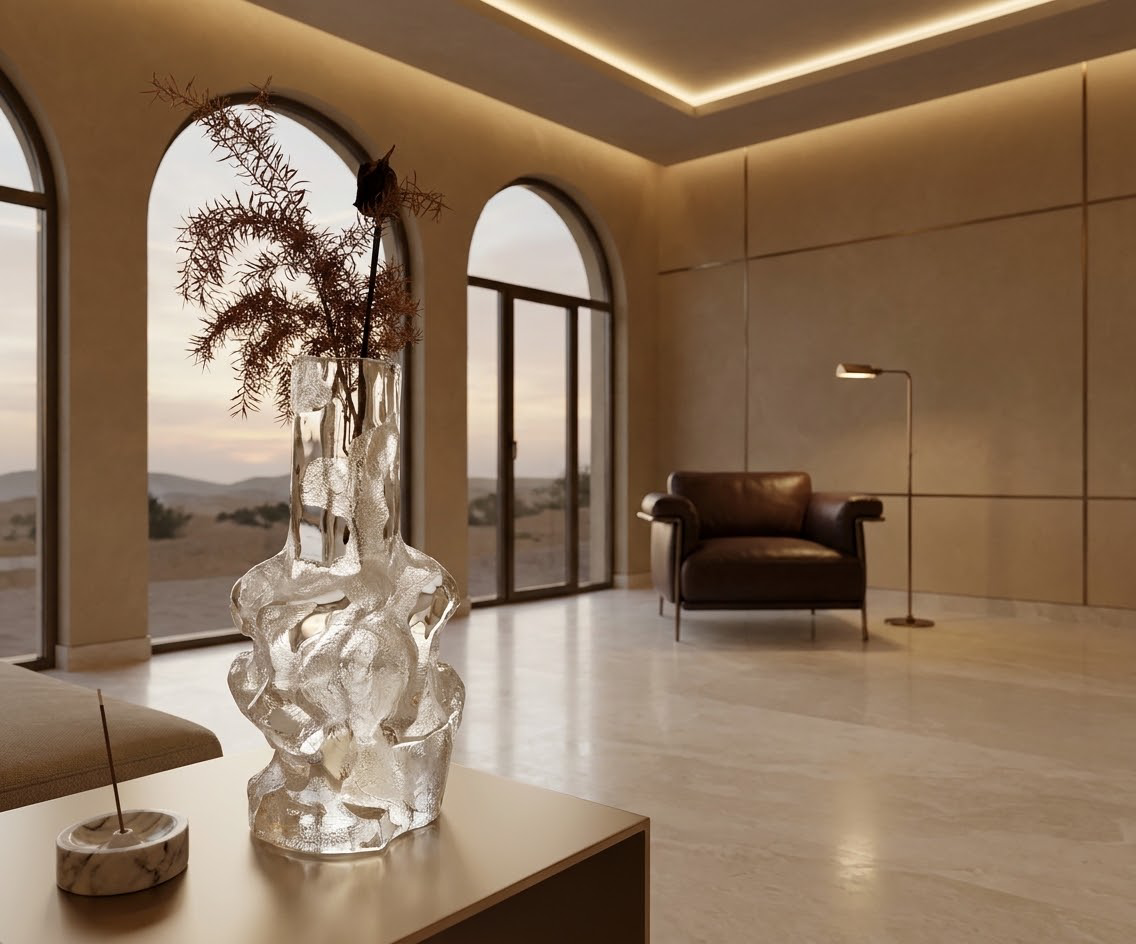
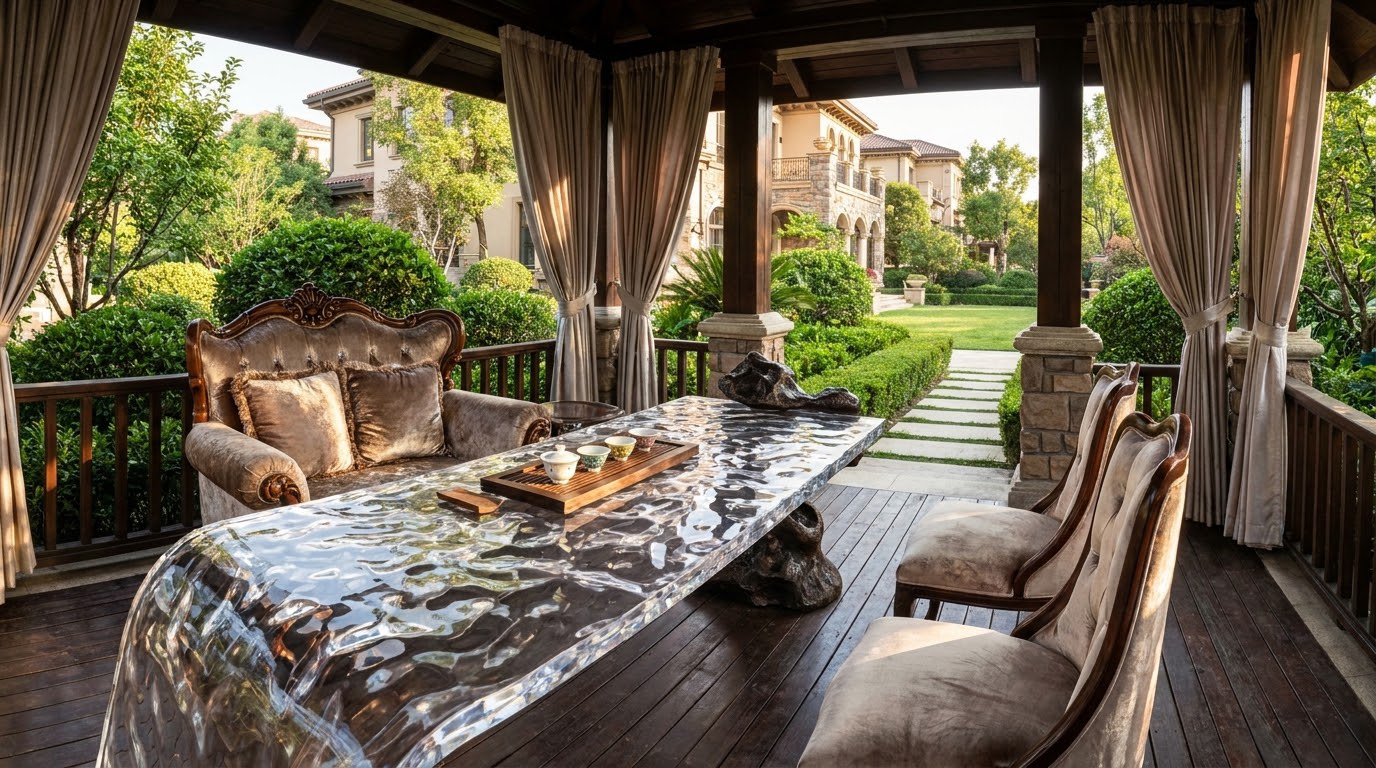
Synthetic crystal furniture has emerged as a transformative element in modern interior design, redefining how material contrast shapes spatial hierarchy. For interior designers balancing luxury aesthetics with functional practicality, these pieces offer unique opportunities to create visual depth without overwhelming a space. This guide breaks down how artificial crystal furniture interacts with matte surfaces and natural textures to build layered, sophisticated environments.
The Material Foundation of Synthetic Crystal Furniture
Core Properties of High-Purity Optical-Grade Material
At the heart of premium synthetic crystal furniture lies high-purity optical-grade material, engineered for exceptional clarity and structural stability. Unlike traditional glass, this material undergoes specialized curing processes that enhance its refractive index, creating the luminous quality associated with natural crystal at a more accessible price point.
Key material properties include:
92% light transmittance, matching the clarity of high-grade natural quartz
High surface hardness rating of 6.5 on the Mohs scale, resisting scratches from daily use
UV-stabilized formulation that prevents yellowing over 10+ years of indoor use
Non-porous surface that repels stains and requires minimal maintenance
Performance Advantages Over Natural Crystal Alternatives
While natural crystal furniture carries a premium price tag, synthetic crystal furniture delivers comparable aesthetic value with improved functional performance. Interior designers often specify these pieces for high-traffic spaces where natural crystal would be too fragile or costly to maintain.
Performance benefits include:
30% higher impact resistance than natural crystal of the same thickness
Consistent color and clarity across large production runs, eliminating natural inclusions
Customizable shaping that allows for intricate designs not feasible with natural stone
Lower environmental impact compared to mined crystal, with 40% less carbon footprint per piece
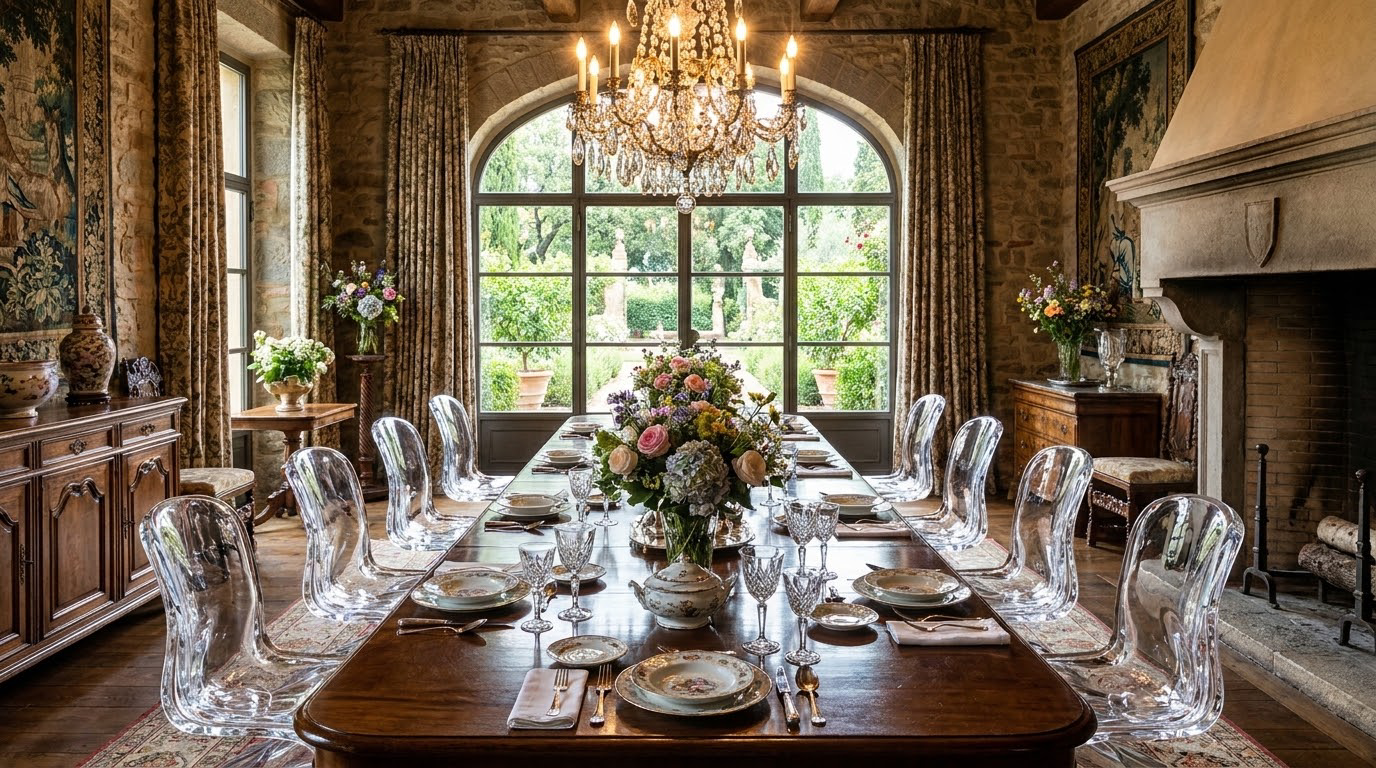
Matte Finish Pairing Strategies for Visual Contrast
How Matte Surfaces Amplify Crystal Luminosity
Matte finishes act as the perfect visual counterpoint to synthetic crystal furniture, creating a push-pull dynamic that draws the eye to key design elements. The low light reflectivity of matte surfaces makes the luminous quality of crystal appear more pronounced, creating natural focal points in a room.
Effective pairing techniques include:
Matte black base cabinets paired with a synthetic crystal table for dramatic high-contrast effect
Matte white walls behind synthetic crystal chair groupings to enhance light diffusion
Matte linen upholstery on seating frames to soften the hard edges of crystal elements
Matte concrete flooring to ground floating crystal furniture pieces in industrial spaces
Balancing Gloss and Texture in Modern Interiors
The key to successful integration of synthetic crystal furniture with matte finishes is proportional balance, a principle top interior designers apply to avoid visual imbalance. Too much crystal can make a space feel cold and sterile, while too much matte can feel flat and uninspired.
Recommended balance ratios include:
20-30% crystal surface area relative to total matte surface area in a room
1:3 ratio of glossy crystal elements to matte textured elements for optimal depth
Alternating material layers: matte base, crystal accent, matte soft furnishing, crystal decor
Limiting crystal furniture to 1-2 statement pieces per 100 square feet of space
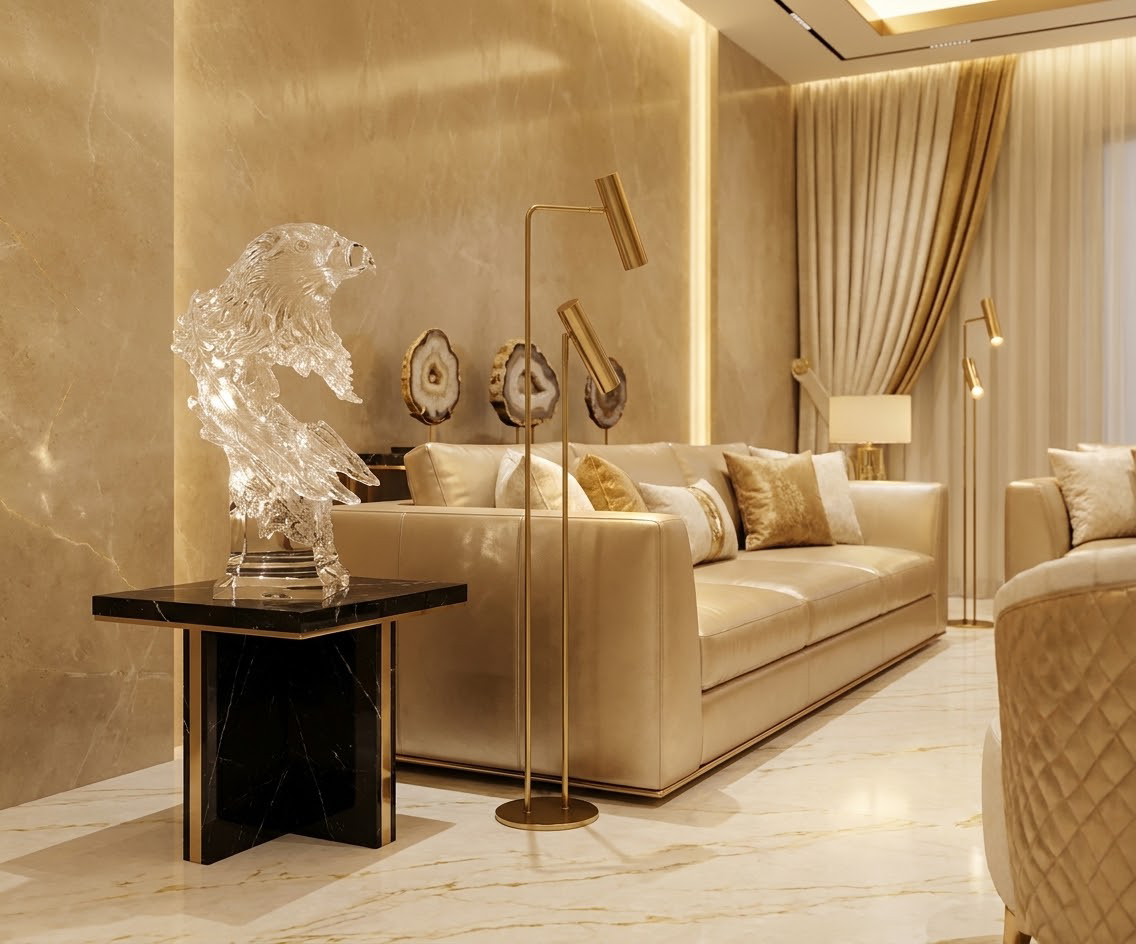
Natural Texture Integration for Spatial Depth
Complementing Crystal with Organic Wood and Stone Textures
Natural textures bring warmth and organic character to synthetic crystal furniture, preventing spaces from feeling overly clinical or modern. Wood grain, stone veining, and plant fibers create a visual bridge between the sleek, manufactured quality of crystal and the lived-in comfort of residential spaces.
Top natural texture pairings include:
Reclaimed oak dining bases paired with synthetic crystal table tops for rustic-modern fusion
Travertine accent walls behind crystal seating arrangements to add earthy depth
Jute area rugs under crystal furniture to soften sound and add tactile texture
Live-edge wood shelves with crystal decor pieces for organic contrast
Creating Layered Visual Hierarchy Through Material Stacking
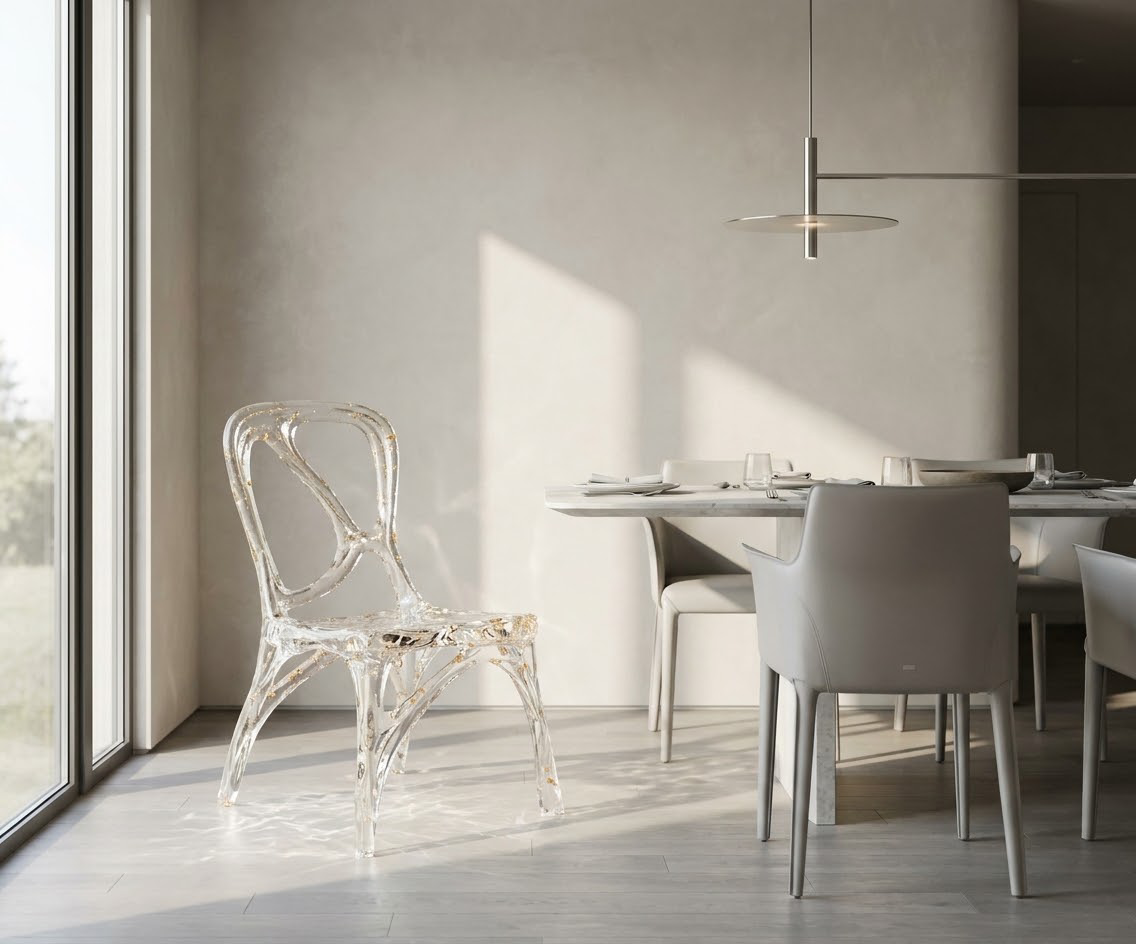
Spatial composition relies on layered visual hierarchy, and synthetic crystal furniture excels at creating transparent layers that add depth without blocking sightlines. Interior designers use this property to make small spaces feel larger while maintaining clear functional zones.
Layering techniques include:
Foreground: synthetic crystal chair with transparent frame to maintain open sightlines
Midground: matte finish sofa with textured throw pillows for visual weight
Background: natural stone accent wall with subtle veining for depth
Accent layer: crystal pendant lights that tie foreground and background elements together
Practical Application Guidelines for Interior Designers
Space-Specific Recommendations for Residential and Commercial Projects
Different spaces require different approaches to integrating synthetic crystal furniture, based on traffic levels, functional needs, and design goals. Interior designers can use these guidelines to select the right pieces for each project type.
Space-specific recommendations:
Living rooms: Synthetic crystal coffee tables paired with matte leather sofas and wool area rugs
Dining rooms: Synthetic crystal table with matte black metal legs and upholstered dining chairs
Home offices: Synthetic crystal desk with matte white cabinetry and natural wood shelving
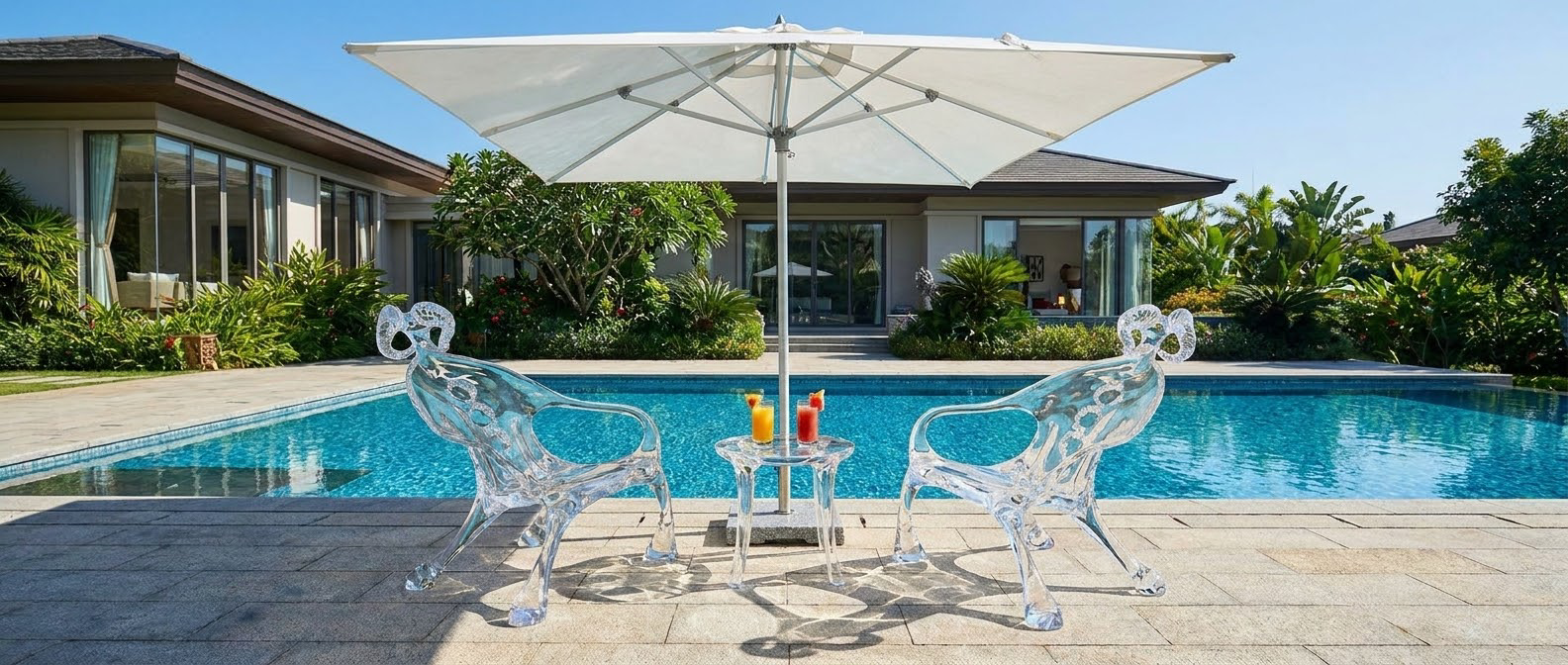
Hospitality lobbies: Large synthetic crystal chair groupings with matte concrete floors and plant installations
Maintenance and Longevity Considerations for Client Projects
While synthetic crystal furniture offers high surface hardness and durability, proper maintenance ensures pieces retain their clarity and beauty for years. Designers should educate clients on care practices to protect their investment.
Key maintenance tips:
Clean with microfiber cloths and non-abrasive glass cleaners to avoid surface scratches
Use coasters and placemats on synthetic crystal table surfaces to prevent etching from acidic liquids
Avoid placing heavy sharp objects directly on crystal surfaces, despite high surface hardness ratings
Polish with specialized crystal polish every 6-12 months to restore original luster
Future Trends in Synthetic Crystal Furniture Design
Emerging Material Innovations and Customization Options
The synthetic crystal furniture industry continues to evolve, with new high-purity optical-grade material formulations expanding design possibilities. Interior designers now have access to custom color tints, textured surfaces, and integrated lighting options that were unavailable just a few years ago.
Emerging innovation trends:
Color-tinted crystal furniture in soft blues, greens, and amber tones for personalized design
Textured crystal surfaces that diffuse light differently than traditional clear options
Integrated LED lighting within crystal furniture bases for ambient glow effects
3D-printed crystal composite structures that allow for complex geometric shapes
Growing Demand for Sustainable Luxury Design Solutions
As sustainability becomes a core priority for luxury clients, synthetic crystal furniture is gaining traction as an eco-friendly alternative to mined natural crystal and rare stone materials. Manufacturers are increasingly using recycled raw materials and low-energy production processes.
Sustainability drivers include:
70% of high-end interior designers now prioritize sustainable material options for client projects 【外链建议:2024 luxury design sustainability report - market research firm】
Recycled content formulations that reduce raw material consumption by 45%
Local production facilities that cut transportation emissions by 60% for regional markets
End-of-life recycling programs that allow old crystal furniture to be melted down and reformed
In conclusion, synthetic crystal furniture offers interior designers a versatile tool for creating sophisticated, layered spaces through material contrast. When paired thoughtfully with matte finishes and natural textures, these pieces add luminosity, depth, and modern luxury to any environment. As material technology continues to advance, the design possibilities will only expand, making artificial crystal furniture a staple in high-end interior design for years to come.
READ MORE:
- Synthetic Crystal Furniture: Core Logic for Building Cohesive High-End Interior Design Language
- How Interior Developers Formulate Custom Design Strategies for Synthetic Crystal Furniture
- Synthetic Crystal Furniture: Collaborative Design of Functional Zoning and Furniture Configuration in Multi-Functional Interior Spaces
- Synthetic Crystal Furniture Color Design Strategies: Build Visual Harmony via Material Tones
- Il costo di una sedia in cristallo sintetico non è il prezzo d’acquisto: ecco cosa incide davvero sul costo totale del progetto
- Come un hotel 5 stelle ha risolto i problemi di realizzazione del suo pezzo iconico con cristallo sintetico
- Come abbiamo realizzato 20 sedie in cristallo sintetico dal design curvo per un hotel boutique di lusso rispettando tempi e qualità
- Non vendiamo solo cristallo sintetico: aiutiamo i progetti di lusso a trasformare il concept in realtà senza perdere l’intento di design
- Il cristallo sintetico è davvero adatto a tutti i progetti di arredamento per hotel?


