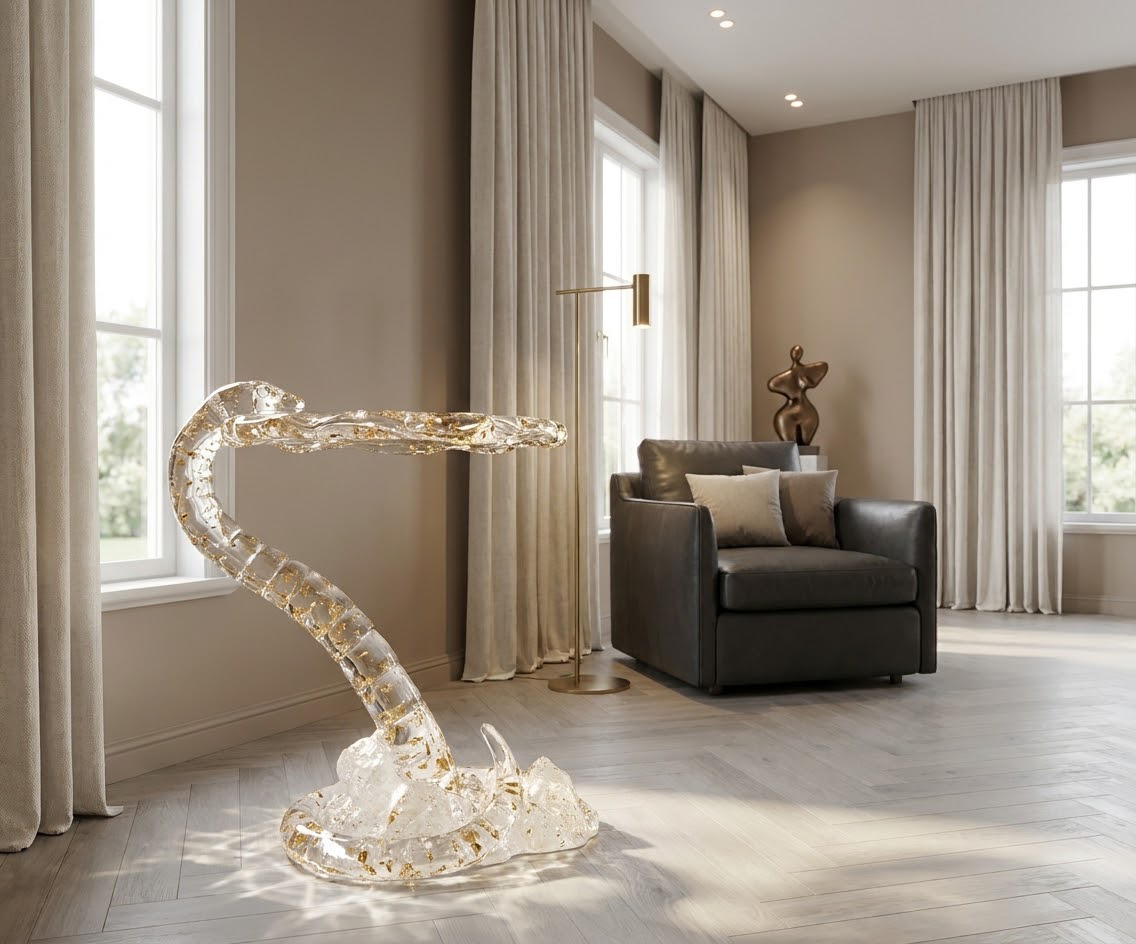
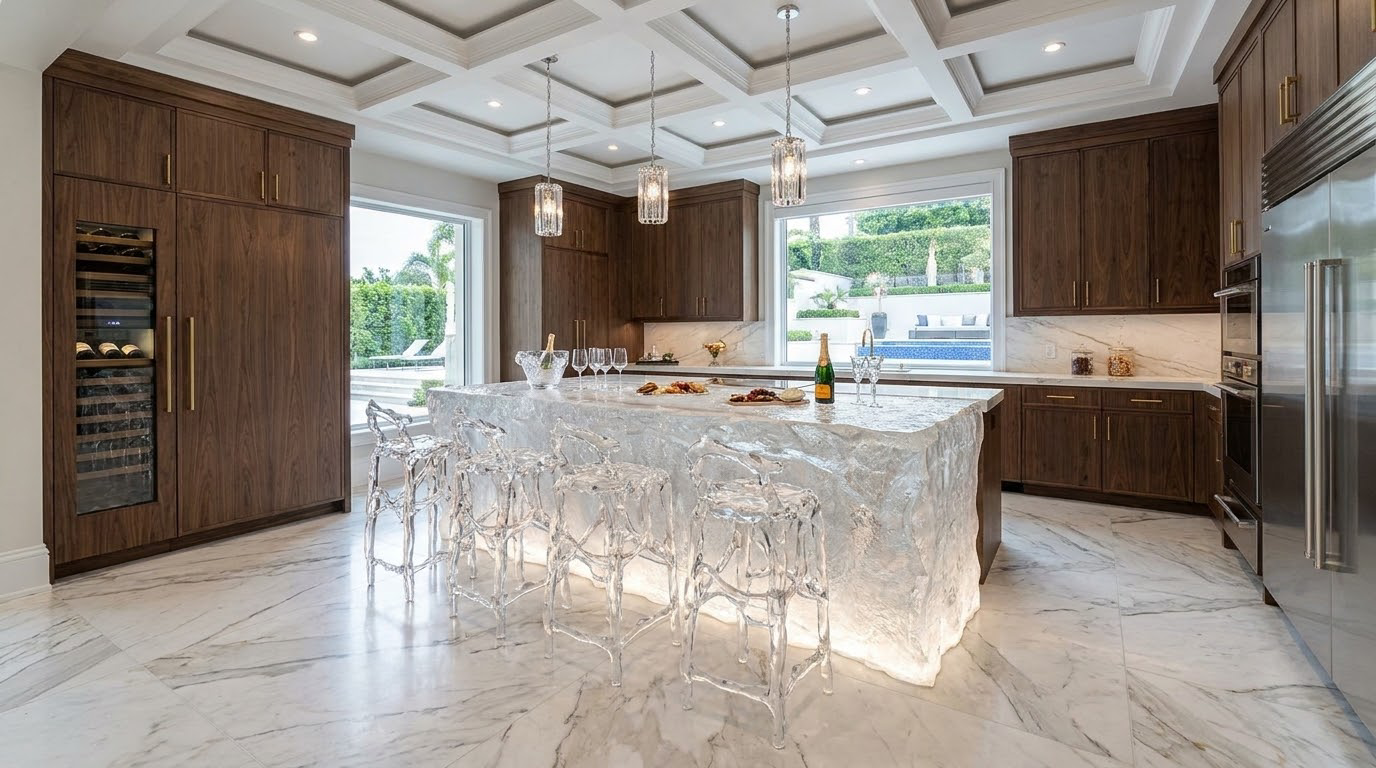
For interior designers navigating the demand for flexible, space-efficient environments, synthetic crystal furniture has emerged as a transformative solution that bridges aesthetic innovation and functional utility. Unlike traditional solid furniture, these pieces leverage advanced material science to adapt to dynamic zoning needs, making them ideal for modern multi-functional residential and commercial spaces. This article explores how collaborative design between spatial zoning strategies and furniture selection can unlock the full potential of synthetic crystal pieces.
1. Core Advantages of Synthetic Crystal Furniture in Multi-Functional Spaces
Synthetic crystal furniture, also referred to as artificial crystal furniture, offers unique properties that address key pain points in flexible space design. Its visual lightness reduces visual clutter, while its structural stability supports daily use in high-traffic areas.
1.1 Material Properties: High-Purity Optical-Grade Material and Performance
The foundation of high-quality synthetic crystal furniture lies in high-purity optical-grade material, which is manufactured through precise crystallization processes to ensure uniform light transmission and structural consistency. This material differs from regular acrylic or glass in its refractive index, which creates a luxurious, gem-like visual effect without the fragility of natural crystal.
Key performance metrics include:
High surface hardness: Reaching 6-7 on the Mohs scale, resistant to scratches from daily use
Light transmittance of over 90%, matching the clarity of natural crystal
UV resistance, preventing yellowing even after 10+ years of indoor use
Temperature resistance up to 120°C, suitable for placement near heating sources
1.2 Visual and Spatial Perception Benefits
One of the most valued benefits for interior designers is the ability of synthetic crystal furniture to create a "floating" visual effect, which makes small spaces appear larger and more open. Unlike bulky wooden or metal furniture, these pieces do not block sight lines across open-plan areas.
This visual lightness supports multi-functional zoning by:
Maintaining visual connectivity between different functional zones
Reducing the "crowded" feeling in spaces with multiple use cases
Reflecting natural and artificial light to brighten dim corners
Complementing various design styles, from minimalist to luxury
2. Functional Zoning Strategies That Pair With Synthetic Crystal Furniture
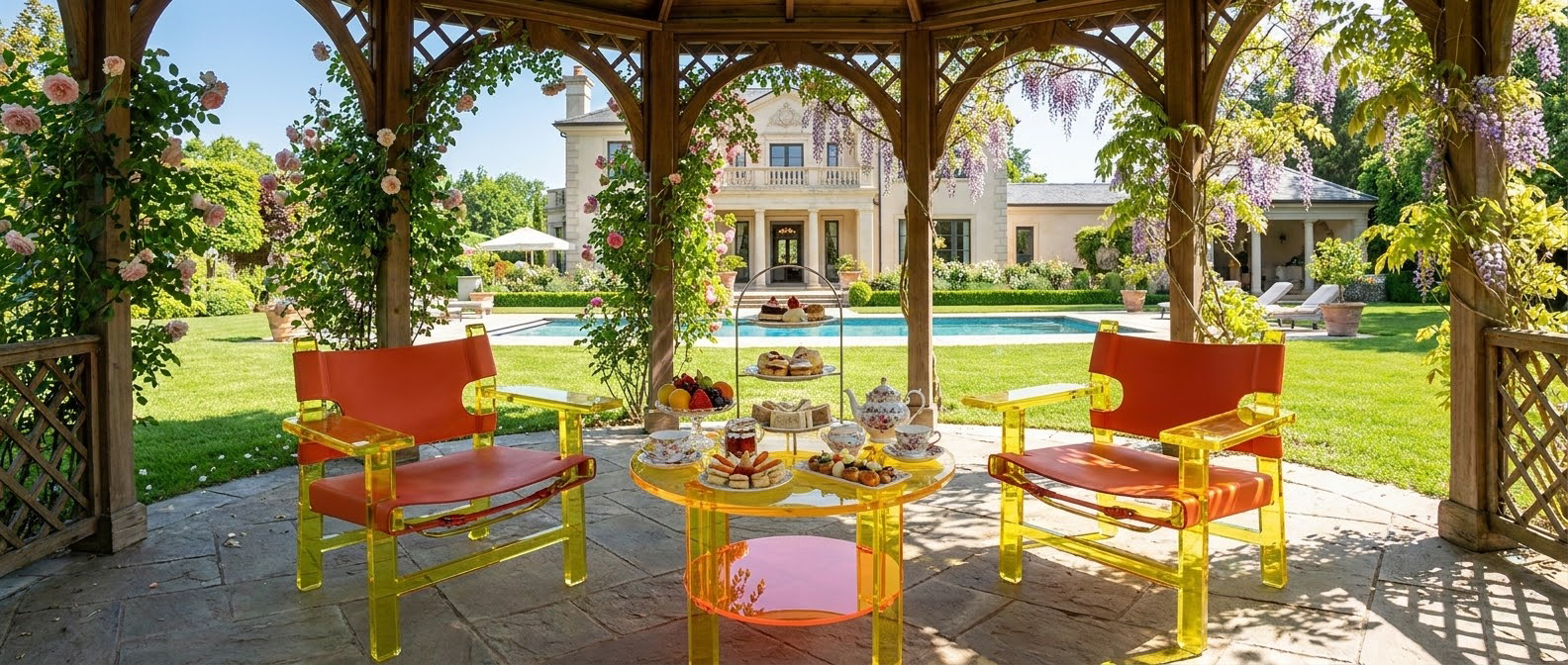
Effective functional zoning requires furniture that can define space without permanently dividing it. Synthetic crystal furniture excels in this role, as it creates subtle boundaries while preserving the overall openness of a room.
2.1 Open-Plan Zoning: Soft Boundaries Without Physical Barriers
In open-plan living or working spaces, hard partitions like walls or heavy bookshelves can make areas feel cramped. Synthetic crystal tables, for example, can serve as visual anchors that separate a dining zone from a living zone without blocking light or movement.
Common zoning applications include:
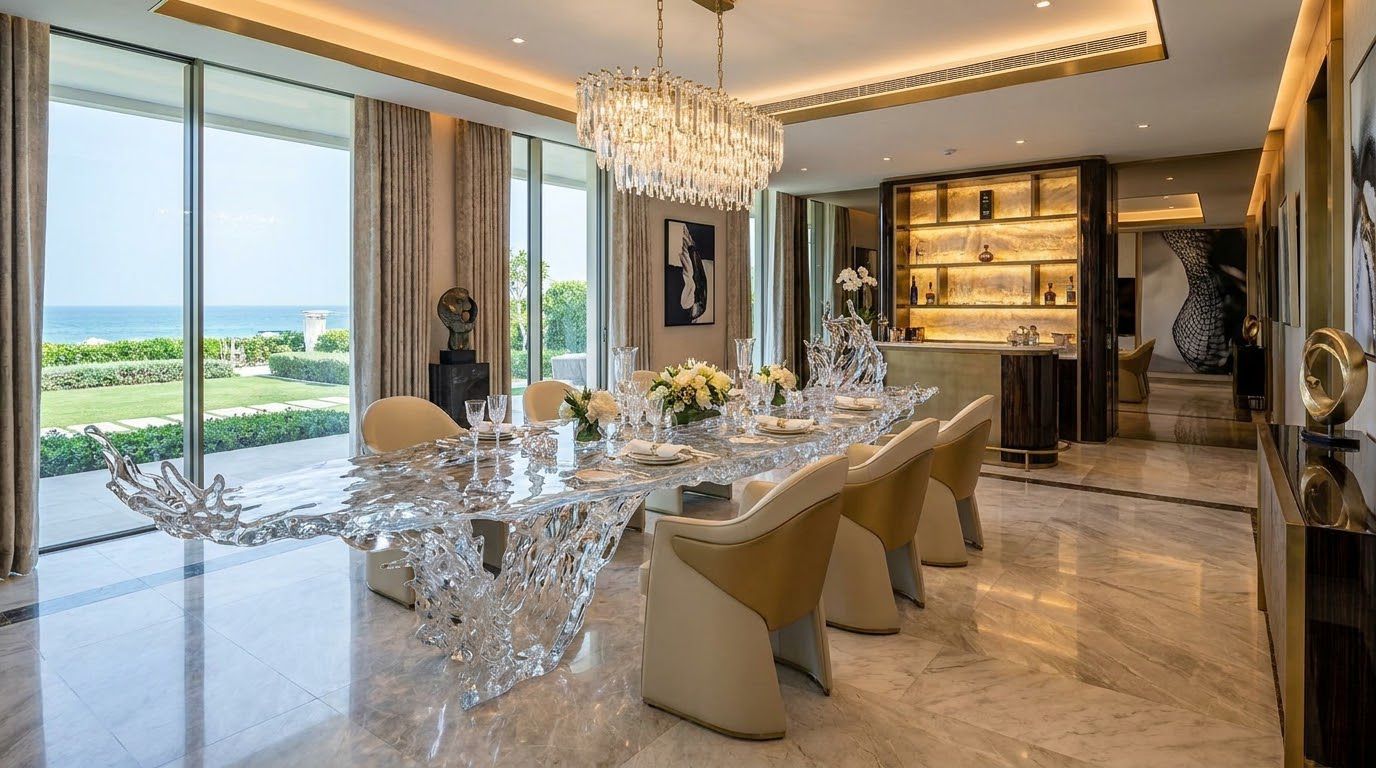
Using a synthetic crystal dining table to mark the dining area in an open kitchen-living space
Placing a pair of synthetic crystal chairs beside a floor lamp to create a reading nook
Using a low synthetic crystal console table to define an entryway within a great room
2.2 Transformable Zoning: Adapting Spaces for Multiple Uses
For spaces that need to switch between functions—such as a home office that doubles as a guest room—synthetic crystal furniture offers flexibility that heavy, fixed furniture cannot match. Many pieces are lightweight enough to move easily, yet durable enough for frequent reconfiguration.
Transformable zoning use cases:
A rolling synthetic crystal table that serves as a desk during work hours and a bar cart during gatherings
Stackable synthetic crystal chairs that can be stored away when not in use
A modular synthetic crystal shelving unit that can be reconfigured to display decor or store office supplies
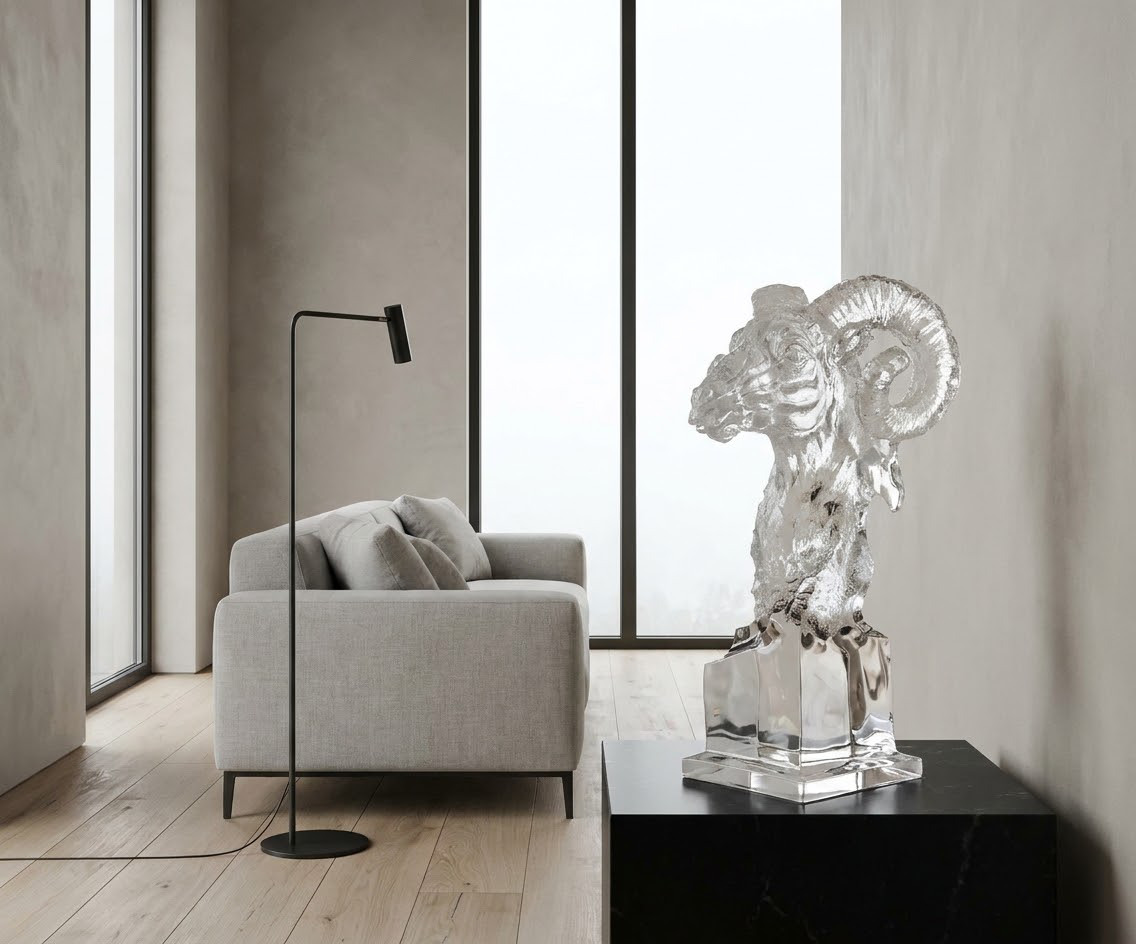
3. Collaborative Design Principles: Aligning Furniture Selection With Zoning Goals
The synergy between functional zoning and furniture configuration does not happen by chance. It requires a deliberate design process that prioritizes both spatial needs and material properties.
3.1 Step-by-Step Collaborative Design Framework
For interior designers, following a structured framework ensures that synthetic crystal furniture selections directly support zoning objectives rather than being chosen solely for aesthetics.
The recommended design process includes:
Space audit: Map out all required functions and their frequency of use
Zoning draft: Define primary, secondary, and flexible zones based on user behavior
Furniture matching: Select synthetic crystal pieces that fit each zone's size, function, and visual style
Lighting coordination: Plan lighting placement to highlight the material's light-transmitting properties
Usability testing: Verify that furniture placement supports smooth movement between zones
3.2 Matching Furniture Types to Zoning Functions
Different zones require different types of synthetic crystal furniture, and selecting the right piece is critical to both functionality and visual harmony.
Common pairings include:
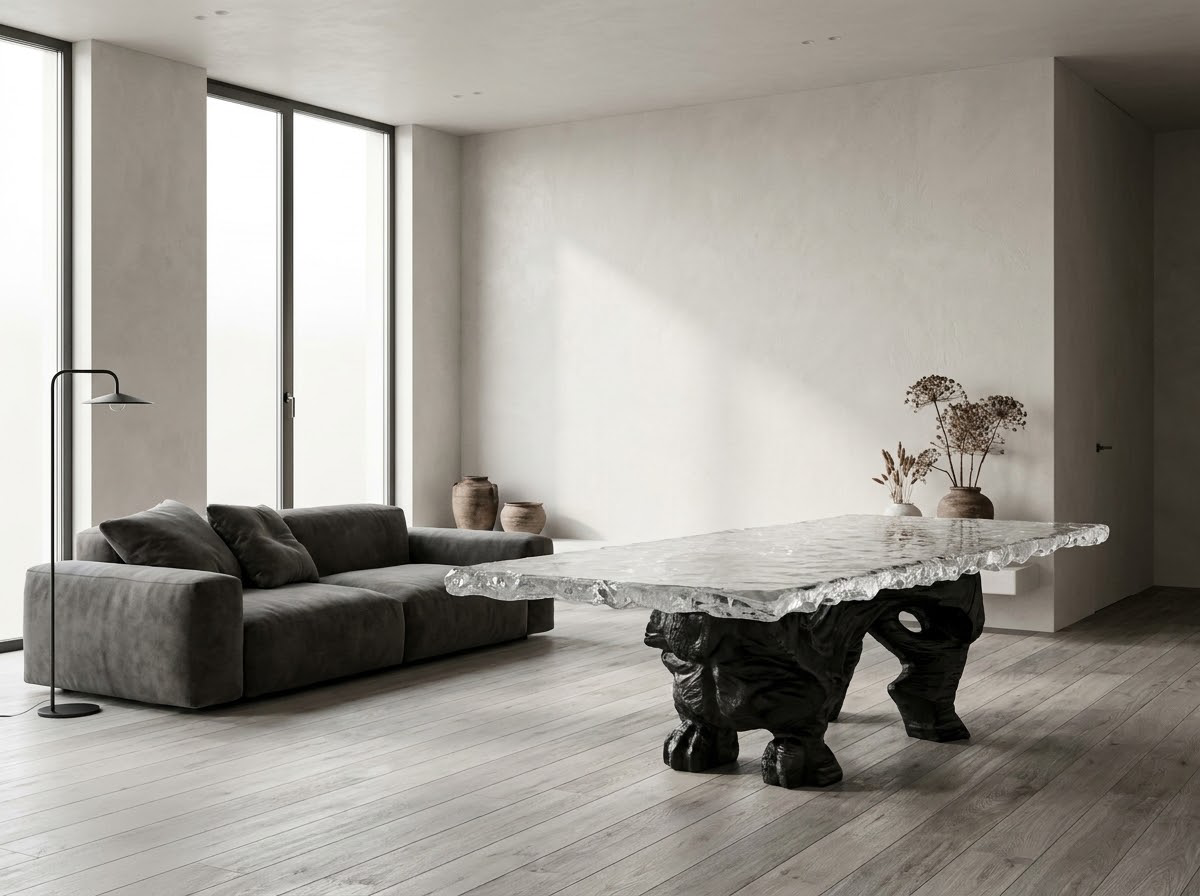
Social zones (living/dining): Synthetic crystal tables with metal bases for a balanced mix of luxury and stability
Work zones (home office): Synthetic crystal desks with tempered glass tops to reduce visual clutter
Rest zones (bedroom): Synthetic crystal bedside tables with LED backlighting for ambient effect
Transitional zones (entryway/hallway): Slim synthetic crystal console tables to maintain openness
4. Real-World Case Studies of Successful Implementation
To illustrate the practical impact of this collaborative design approach, let's examine two recent projects completed by leading interior design firms.
4.1 Residential Case: 65㎡ Urban Apartment With 4 Functional Zones
A 2023 project in Shanghai transformed a small open-plan apartment into a multi-functional space using synthetic crystal furniture as the core zoning element. The client, a young professional, needed a space that could support work, dining, relaxation, and occasional guest stays.
Key design decisions:
A 1.4m synthetic crystal dining table served as the central anchor, separating the kitchen zone from the living zone
Two lightweight synthetic crystal chairs could be moved to the balcony for outdoor use or stored under the table to save space
A low synthetic crystal coffee table doubled as a footrest and extra seating during gatherings
The high surface hardness of the material ensured no scratches occurred from daily use of laptops and tableware
The result was a space that felt 30% larger than its actual size, according to post-occupancy surveys.
4.2 Commercial Case: Co-Working Space Flexible Zoning
A 2024 co-working space project in Singapore used synthetic crystal furniture to create flexible zoning that could adapt to different team sizes and work styles. The design team wanted to avoid the rigid, cubicle-heavy layout of traditional offices.
Implementation details:
Modular synthetic crystal tables could be combined into large conference tables or separated into individual workstations
Synthetic crystal chairs with ergonomic cushions provided comfort for long work hours while maintaining a light, modern aesthetic
The high-purity optical-grade material of the furniture complemented the space's floor-to-ceiling windows, maximizing natural light distribution
Acrylic backing on select pieces added subtle color accents without sacrificing the crystal-like appearance
The space now supports 25% more users per square meter compared to the previous layout, with 89% of members reporting improved satisfaction with the environment.
5. Future Trends and Practical Recommendations for Designers
As material technology continues to advance, synthetic crystal furniture will play an even larger role in multi-functional interior design. For interior designers looking to incorporate these pieces into their projects, several key considerations will ensure successful outcomes.
5.1 Emerging Trends in Synthetic Crystal Furniture Design
The market for artificial crystal furniture is evolving rapidly, with new innovations expanding its potential applications.
Key trends to watch:
Smart integration: Built-in wireless charging pads and LED lighting embedded within synthetic crystal tables
Sustainable manufacturing: Recycled raw materials and energy-efficient production processes
Customization: 3D-printed crystal structures that can be tailored to specific space dimensions
Texture variation: Matte and frosted finishes that offer a softer alternative to fully transparent designs
5.2 Practical Selection and Maintenance Tips
To maximize the lifespan and visual impact of synthetic crystal furniture, designers should advise clients on proper selection and care.
Essential tips:
Verify that products use high-purity optical-grade material to avoid cloudiness or uneven light transmission
Confirm the high surface hardness rating to ensure suitability for high-traffic areas
Clean with a soft microfiber cloth and mild detergent to avoid scratching the surface
Avoid placing extremely heavy objects (over 50kg) on thin tabletops to prevent bending
Choose pieces with reinforced bases for added stability in households with children or pets
As multi-functional spaces continue to dominate residential and commercial design, the collaborative approach between functional zoning and synthetic crystal furniture configuration will become increasingly important. By leveraging the unique properties of this material—from its visual lightness to its durable performance—interior designers can create spaces that are both beautiful and highly adaptable to changing user needs.
READ MORE:
- Synthetic Crystal Furniture: Core Logic for Building Cohesive High-End Interior Design Language
- How Interior Developers Formulate Custom Design Strategies for Synthetic Crystal Furniture
- Synthetic Crystal Furniture: Material Contrast and Spatial Composition with Matte Finishes and Natural Textures
- Synthetic Crystal Furniture Color Design Strategies: Build Visual Harmony via Material Tones
- Il costo di una sedia in cristallo sintetico non è il prezzo d’acquisto: ecco cosa incide davvero sul costo totale del progetto
- Come un hotel 5 stelle ha risolto i problemi di realizzazione del suo pezzo iconico con cristallo sintetico
- Come abbiamo realizzato 20 sedie in cristallo sintetico dal design curvo per un hotel boutique di lusso rispettando tempi e qualità
- Non vendiamo solo cristallo sintetico: aiutiamo i progetti di lusso a trasformare il concept in realtà senza perdere l’intento di design
- Il cristallo sintetico è davvero adatto a tutti i progetti di arredamento per hotel?


