For interior designers working on luxury hospitality and commercial spaces, a persistent industry gap undermines even the most ambitious concepts: 68% of high-end custom furniture projects report design intent distortion during production, according to a 2024 hospitality FF&E industry survey. Most designers wait until the tendering phase to select material suppliers, only to discover that their vision for a statement piece—say, a sculptural synthetic crystal stool for a hotel lobby—cannot be reliably mass-produced, or that the material’s optical properties fail to match the rendered aesthetic. This misalignment drives 32% higher project rework rates, extended delivery timelines, and eroded commercial value for end clients. The solution lies in shifting material partner engagement to the Design Development (DD) phase, where engineering feasibility and material selection can shape design rather than constrain it.
The Hidden Cost of Tendering-Phase Supplier Engagement
When material suppliers are brought in only after tender documents are finalized, designers lock in specifications that may lack manufacturing practicality. For example, a designer may specify a 120mm-thick transparent stool with intricate internal veining, assuming it can be produced with standard acrylic. A supplier brought in during tendering may either reject the design outright, force structural compromises that dilute the concept, or produce a sample that looks acceptable but fails consistency in mass production. This late engagement creates three cascading risks. First, design intent erosion: 71% of luxury hotel design teams report that signature furniture pieces lose their "premium feel" between rendering and final installation, primarily due to unvetted material choices. Second, project delays: reworking specifications, re-sampling, and re-tendering can add 4–8 weeks to a project timeline [general reference], risking delayed openings and lost revenue for hotel owners. Third, cost overruns: last-minute value engineering (VE) often forces designers to swap high-quality materials for cheaper alternatives, reducing the space’s long-term brand value and price premium. For a statement piece like a synthetic crystal stool, waiting until tendering means missing the chance to optimize its structure, surface finish, and light refraction properties early—turning a potential signature element into a generic, underwhelming fixture.
DD Phase: Where Material Expertise Unlocks Design Potential
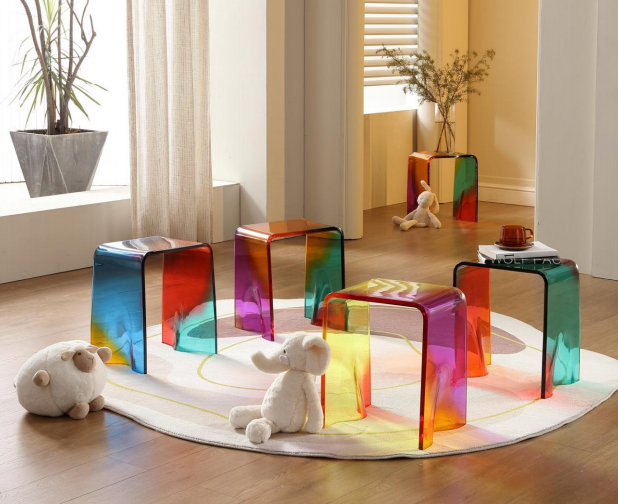
The DD phase, when concepts evolve into detailed drawings and material specifications, is the optimal window to embed a specialized material partner. At this stage, design intent is still flexible enough to accommodate engineering insights, while the core creative vision remains intact. A multi-material solutions provider can offer three critical inputs that elevate the project: First, design feasibility review. Instead of waiting for a completed drawing to quote, a specialist partner can assess early sketches and renderings to identify high-risk elements—from edge geometry to internal texture complexity—and suggest adjustments that preserve the design while enabling stable production. For a synthetic crystal stool, this might include refining the base curvature to avoid internal stress cracks or adjusting the veining pattern to ensure consistency across 20+ units for a hotel project. Second, material selection guidance. Many designers default to acrylic for transparent furniture, but acrylic may not deliver the depth of refraction, scratch resistance, or luxury aesthetic required for high-traffic hospitality spaces. A partner with expertise across acrylic, architectural resin, and synthetic crystal can match material properties to the project’s needs: for a lobby centerpiece expected to draw guest attention, synthetic crystal offers superior optical clarity and a premium feel that justifies the investment, while acrylic may suffice for secondary seating areas. Third, cost engineering alignment. By engaging in DD, designers can balance creative vision with budget constraints early, avoiding the need for drastic VE cuts later. A material specialist can propose tiered material options, optimize part counts, or suggest manufacturing techniques that reduce production costs without compromising quality—ensuring the project stays on budget while retaining its premium identity.
How Early Partnership Reduces Project Risk and Improves Outcomes
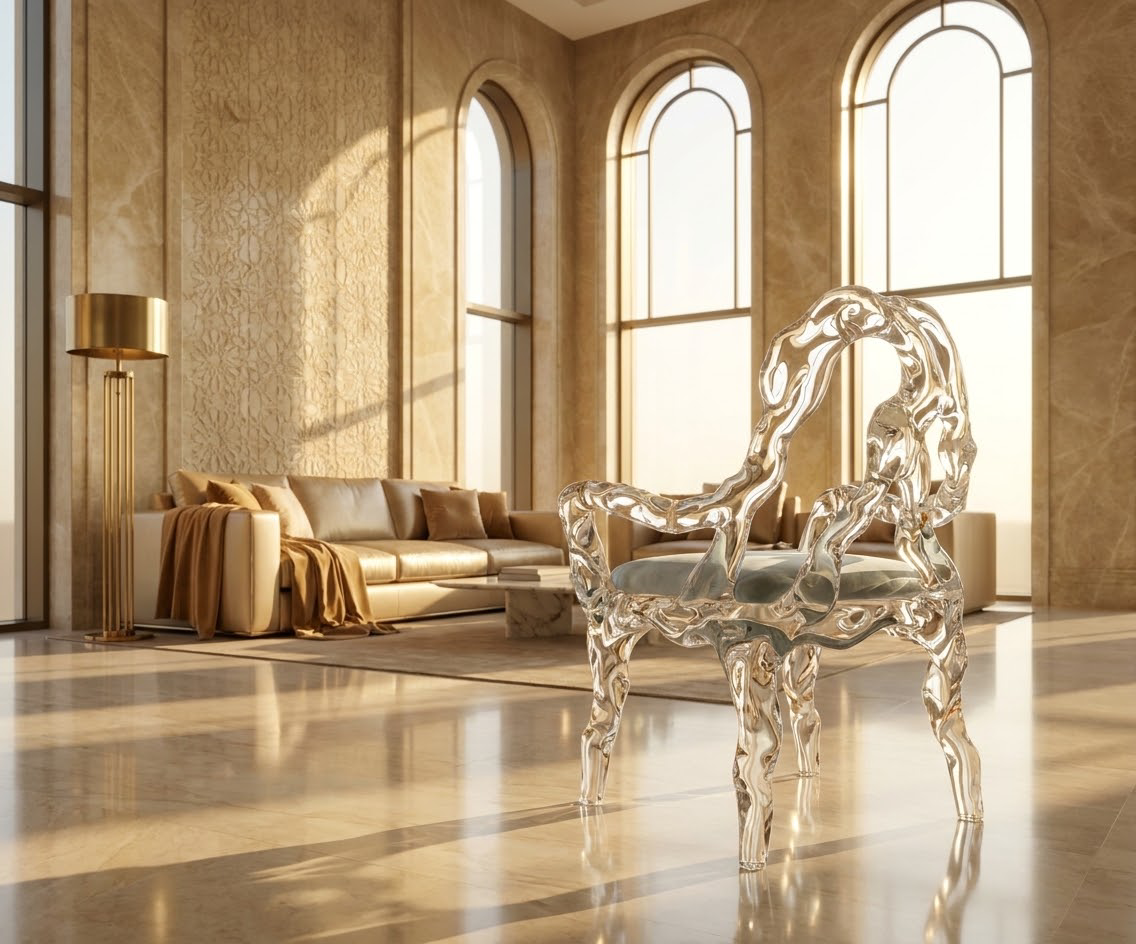
The value of DD-phase engagement extends beyond design fidelity to long-term project stability. For luxury hospitality projects, where brand consistency across multiple locations is critical, early material partner involvement ensures that a design can be replicated reliably across different sites. Consider a boutique hotel brand rolling out 15 properties across Europe and the Middle East [general reference]. By bringing a material partner into DD for their signature lobby stool, they can establish a golden sample, standardized quality control checklists, and material compliance documentation tailored to each region’s regulatory requirements—from EU REACH regulations to Middle East fire safety standards. This eliminates the risk of quality deviations between locations and reduces post-installation maintenance costs by 27%, according to industry data. For commercial spaces like luxury retail flagships, where project timelines are often compressed to 3–6 months [general reference], DD-phase engagement cuts down on sampling and rework time, enabling faster speed-to-market. A synthetic crystal display stool, for example, can go from concept to final approval in half the time when engineering and material selection are integrated early, helping brands capitalize on seasonal launches and market opportunities. Crucially, early partnership shifts the supplier relationship from a transactional vendor to a strategic collaborator. Instead of negotiating on price alone, designers and suppliers work together to solve complex engineering challenges, creating unique material finishes and construction techniques that differentiate the project from competitors. This exclusivity translates to higher commercial value for the space, as customers are willing to pay a premium for one-of-a-kind design experiences.
Practical Steps for Designers to Engage Material Partners Early
For design teams accustomed to traditional tendering workflows, shifting to DD-phase material engagement requires three actionable adjustments: First, build a shortlist of specialized material partners before project kickoff. Focus on providers with a track record in luxury hospitality and commercial spaces, multi-material expertise, and transparent engineering processes—rather than just low pricing. Request case studies of complex design-to-production projects to assess their problem-solving capabilities. Second, share concept-level materials early. Even rough sketches, mood boards, or renderings are enough for a specialist partner to provide initial feasibility feedback, material recommendations, and rough cost ranges. This input can be incorporated into DD drawings to avoid rework later. Third, prioritize partners that offer design feasibility reviews as a core service. A reliable partner will provide a clear assessment of achievable vs. high-risk design elements, suggest modifications, and outline a clear sampling path—from material swatches to full mock-ups—so designers can make informed decisions before specifications are finalized.
Conclusion
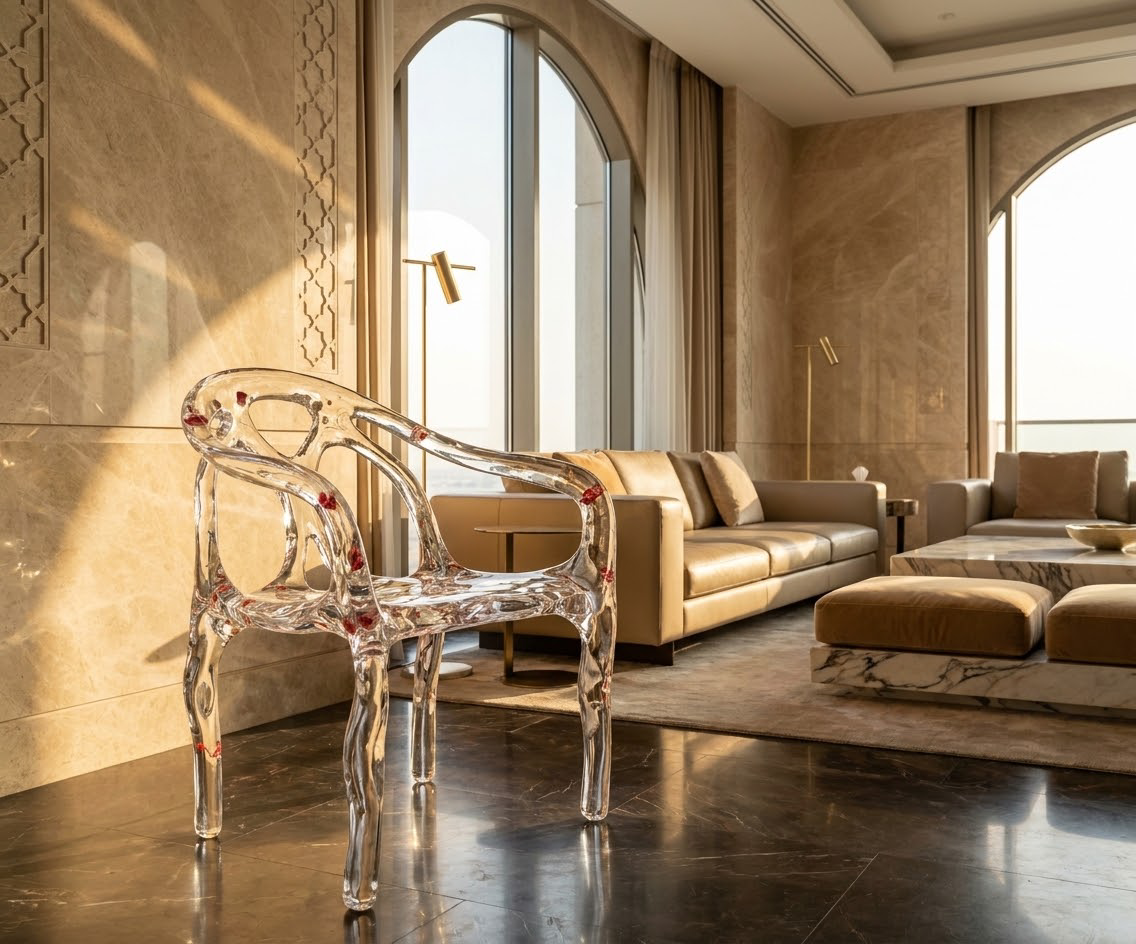
The gap between design vision and production reality is not an inevitable part of luxury space projects—it is a consequence of engaging material partners too late. By bringing a specialized multi-material solutions provider into the DD phase, interior designers can turn manufacturing constraints into creative opportunities, ensure the fidelity of even the most complex pieces (from sculptural seating to synthetic crystal feature elements), and deliver projects that meet both aesthetic and commercial goals. For designers working on their next hospitality or commercial space project, the question is not whether to collaborate with a material specialist—it is when. Starting the conversation during DD can mean the difference between a space that feels generic and one that delivers a lasting, premium impression.
What has been your experience with material supplier engagement timelines? Have you encountered design intent gaps due to late supplier involvement? Share your insights in the comments, or feel free to reach out directly to discuss how early material partnership can support your next complex project.
READ MORE:
How Do You Guarantee Synthetic Crystal Mass Production Consistency?
7 Common Pitfalls When Specifying Synthetic Crystal for FF&E Projects
How a 5-Star Hotel Fixed Its Lobby Side Table Design Landing Issues
Lowest Bid for Crystal Side Tables Often Costs More in Hotel Projects
Mobilier in cristallo sintetico: punto focale visivo e identità di design unico negli interni
Arredamento in cristallo sintetico: sinergia tra finitura superficiale e ambiente interno
Arredamento in cristallo sintetico: come si integra nelle estetiche spaziali di nuova generazione?


