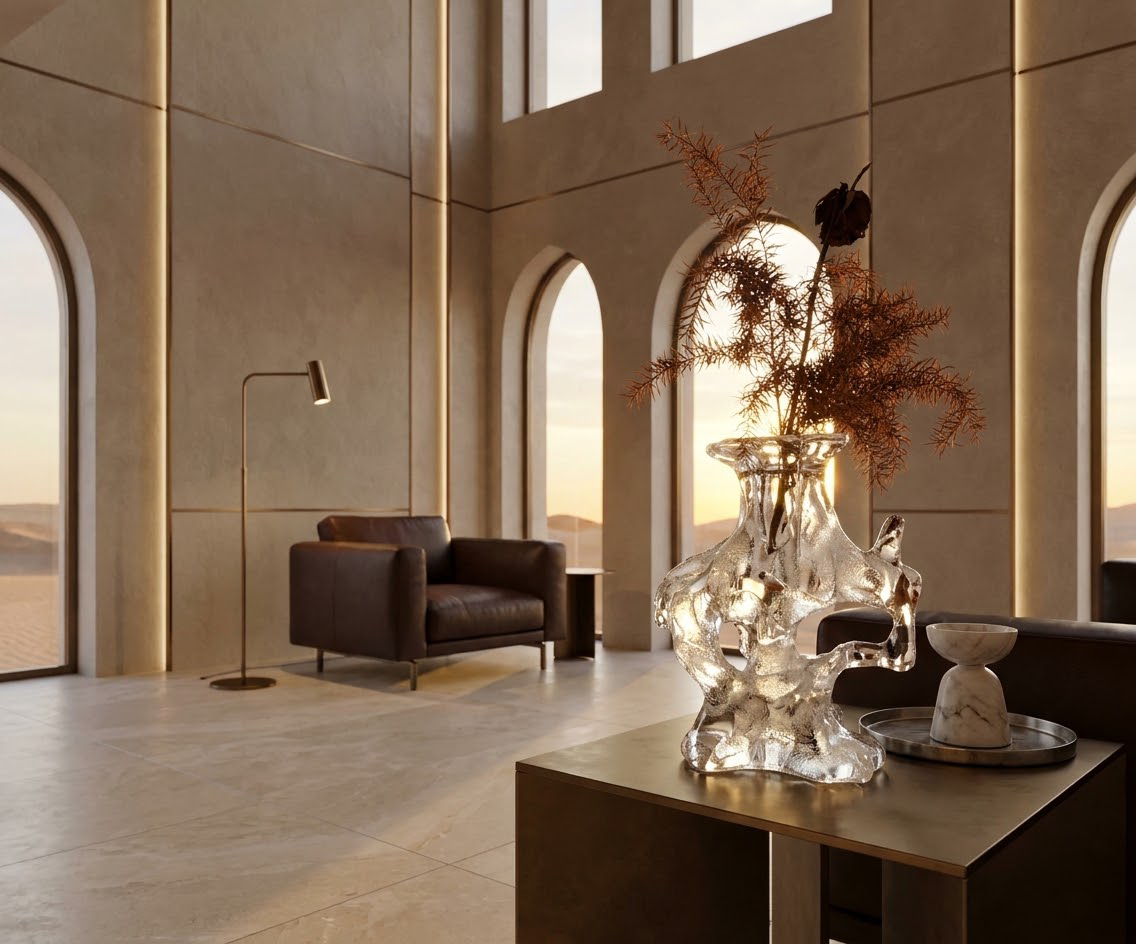
In luxury hotel FF&E procurement, the allure of the lowest bid for signature pieces like synthetic crystal side tables often masks far larger financial and operational risks down the line. For interior designers shaping high-end hospitality spaces, selecting a supplier based solely on upfront pricing can derail design intent, extend timelines, and erode the premium value of a property—turning a seemingly cost-effective choice into one of the most expensive decisions in a project.
The "Low Bid Premium": How Upfront Savings Become Hidden Costs
At first glance, a 20-30% lower quote for custom side tables may look like a win for project budgets, but industry data consistently shows that low-bid specialty furniture suppliers typically pass 40-60% of unplanned costs back to project teams through rework, delays, and quality failures. These costs rarely appear on initial price sheets: they emerge as design revisions forced by limited manufacturing capability, repeated sample rounds that fail to match renderings, and on-site installation issues that require last-minute modifications.
For synthetic crystal pieces, this risk is amplified. The material’s unique optical clarity, edge polish, and structural tolerance requirements demand specialized engineering and quality control—capabilities many low-cost suppliers lack. A 2023 hospitality procurement survey found that 68% of luxury hotel projects that chose the cheapest bid for transparent decorative furniture reported at least one full rework cycle, with average cost overruns of 52% above the original quote. For a 50-room boutique hotel outfitting lobby and suite side tables, that can translate to tens of thousands of dollars in unplanned expenses, not to mention delayed opening dates that cost thousands more in lost revenue per day.
Design Intent Erosion: When "Cost-Cutting" Dilutes Space Value
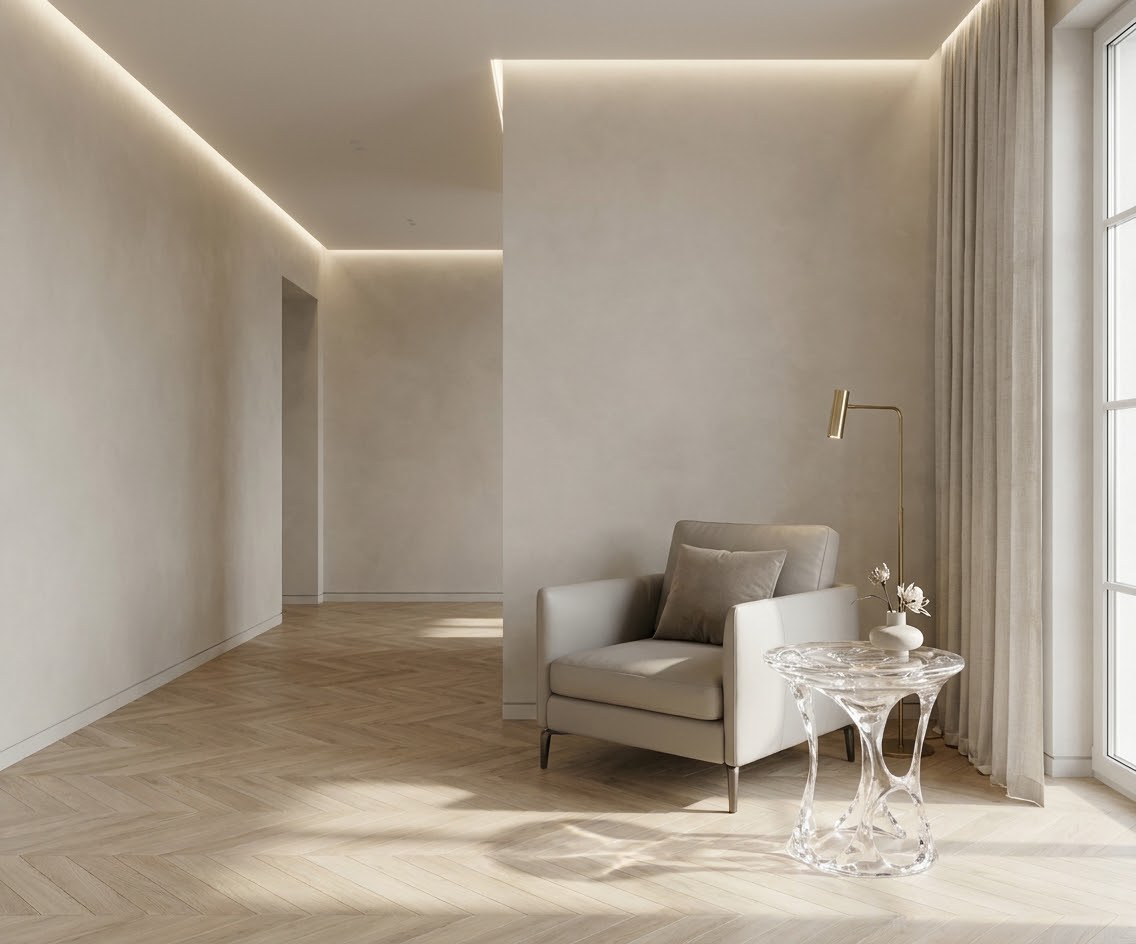
For interior designers, the greatest risk of low-bid suppliers is not just financial—it is the gradual erosion of design intent that undermines a space’s premium positioning. Many low-cost manufacturers lack the engineering expertise to translate complex design concepts into production-ready processes, leading to incremental compromises: thinner material slabs to reduce raw material costs, simplified edge profiles to speed up manufacturing, or inconsistent surface finishes that make pieces look "cheap" compared to initial renderings.
This is where synthetic crystal’s unique characteristics become a double-edged sword. When manufactured to precise standards, it delivers a luminous, high-end aesthetic that elevates lobby and lounge spaces, justifying premium room rates and brand positioning. When produced with cut corners, however, it can appear cloudy, uneven, or indistinguishable from standard acrylic—erasing the design differentiation that justified specifying the material in the first place. A 2022 luxury hotel guest experience study found that properties with visibly low-quality decorative fixtures saw a 12% lower average daily rate compared to competitors with consistent, high-end design execution, even when core amenities were identical.
The Multi-Material Solution: Moving Beyond "Single-Material Bidding"
The root of the low-bid problem is that many procurement processes treat side tables as commodity products, evaluating them solely on per-unit price rather than total project value. For complex hospitality spaces, the right approach is to partner with suppliers that offer end-to-end engineering support across material systems—helping teams select the right material for each application, validate design feasibility early, and ensure consistent quality from sample through mass production.
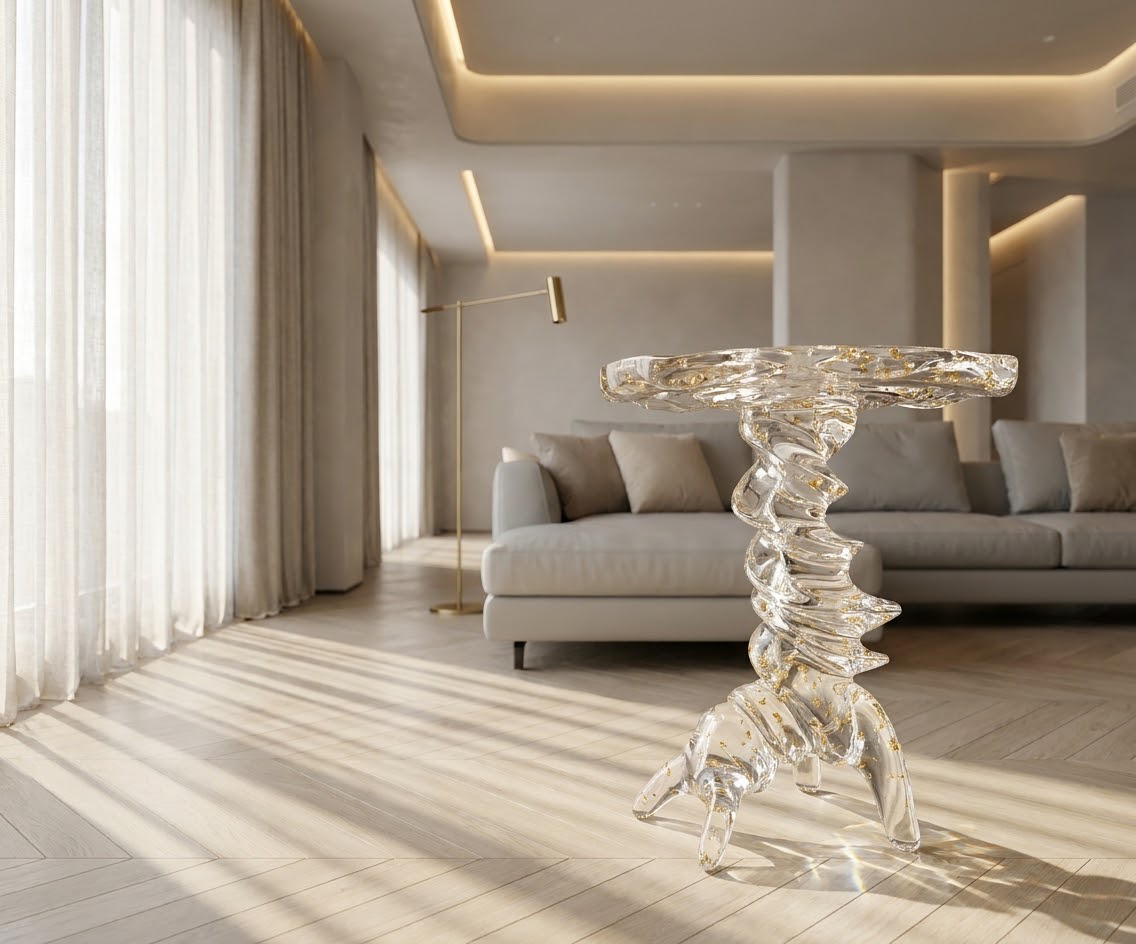
For example, a synthetic crystal may be the perfect choice for a lobby signature piece where visual impact is critical, while architectural resin may be more practical for high-traffic suite side tables that require greater scratch resistance. A supplier with multi-material expertise can guide these decisions during the design development phase, avoiding costly value engineering revisions later and ensuring every piece aligns with both aesthetic and functional requirements. This approach also reduces coordination risk: working with a single partner for multiple transparent material components eliminates the communication gaps that often cause delays when managing multiple specialized vendors.
Practical Guidance for Design Teams: Evaluating Bids Beyond Price
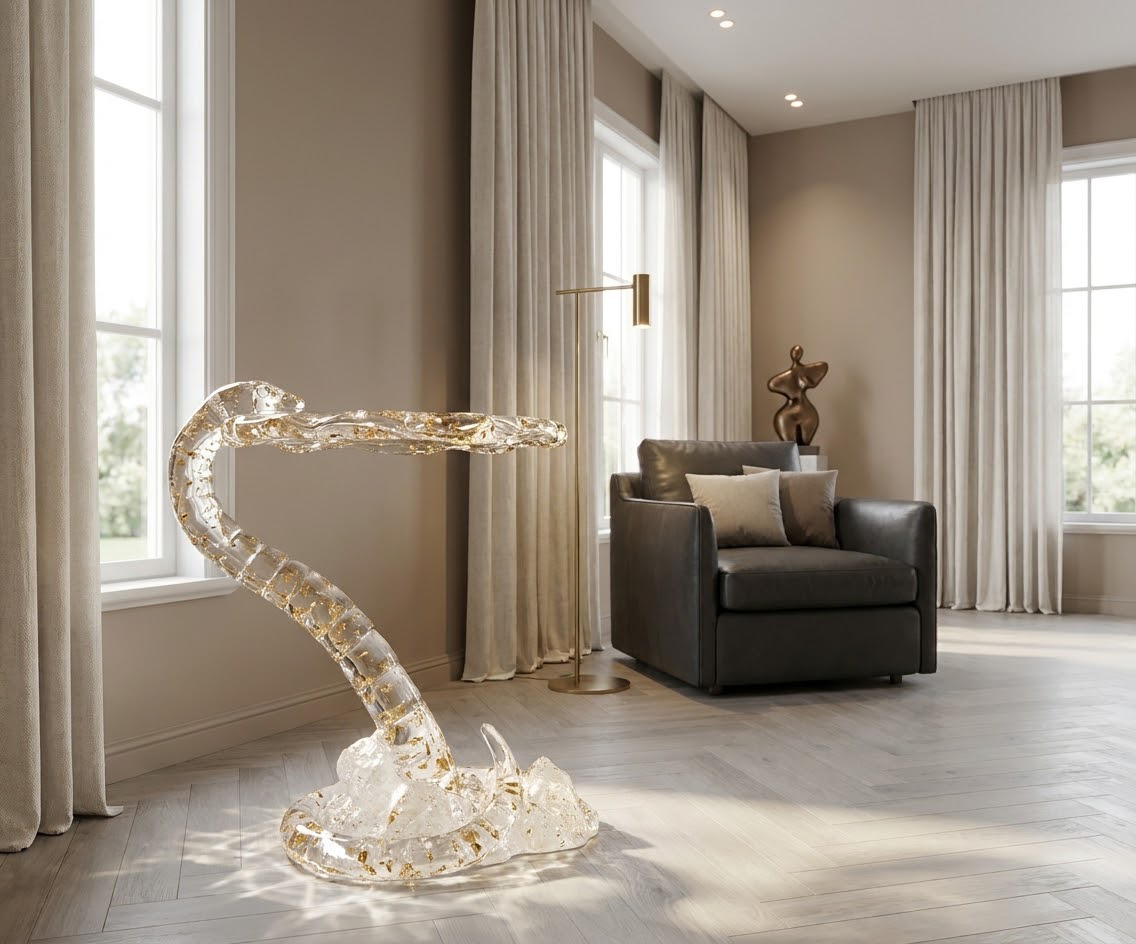
To avoid the low-bid trap, interior designers and procurement teams should shift evaluation criteria from upfront cost to total project value, focusing on three key areas: First, assess engineering and design support capabilities. A reliable supplier should provide design feasibility reviews within 48 hours of receiving renderings or sketches, outlining potential production risks, material recommendations, and cost tradeoffs before a formal quote is even issued. This early input prevents costly design revisions later and ensures the final product matches the initial vision. Second, validate quality control processes. Look for suppliers with documented golden sample approval workflows, critical-to-quality checklists tailored to transparent materials, and third-party testing capabilities aligned with project-specific compliance requirements. For synthetic crystal components, this should include standards for clarity, color consistency, edge polish, and structural load capacity. Third, evaluate total project cost, not just unit price. Factor in sample rounds, rework risk, lead time reliability, packaging for international shipping, and post-delivery support. A supplier that charges 15% more upfront but eliminates rework, reduces lead times by 30%, and guarantees design consistency will almost always deliver better long-term value for luxury hotel projects.
For interior designers working on high-end hospitality projects, the choice of a side table supplier is never just a purchasing decision—it is a choice that impacts design integrity, project timelines, and the overall premium value of the space. While the lowest bid for synthetic crystal side tables may look attractive on paper, the hidden costs of rework, delays, and design dilution often make it the most expensive option in the long run.
By prioritizing engineering expertise, multi-material capability, and proven quality consistency over upfront price, design teams can ensure their vision is delivered reliably—creating spaces that not only look exceptional on opening day but also maintain their premium appeal for years to come. What has your team experienced with low-bid specialty furniture suppliers? Share your insights in the comments, or reach out to discuss how to align material selection with your project’s design and budget goals.
READ MORE:
- How Do You Guarantee Synthetic Crystal Mass Production Consistency?
- 7 Common Pitfalls When Specifying Synthetic Crystal for FF&E Projects
- How a 5-Star Hotel Fixed Its Lobby Side Table Design Landing Issues
- The Best Time to Involve a Material Partner Is Not During Tendering—It’s in DD Phase
- Mobilier in cristallo sintetico: punto focale visivo e identità di design unico negli interni
- Arredamento in cristallo sintetico: innovazione trasversale tra design del prodotto, estetica architettonica e creazione artistica
- Arredamento in cristallo sintetico: potenziale nell'arte interna contemporanea da funzionale a collezione
- Arredamento in cristallo sintetico: sinergia tra finitura superficiale e ambiente interno
- Arredamento in cristallo sintetico: come si integra nelle estetiche spaziali di nuova generazione?


