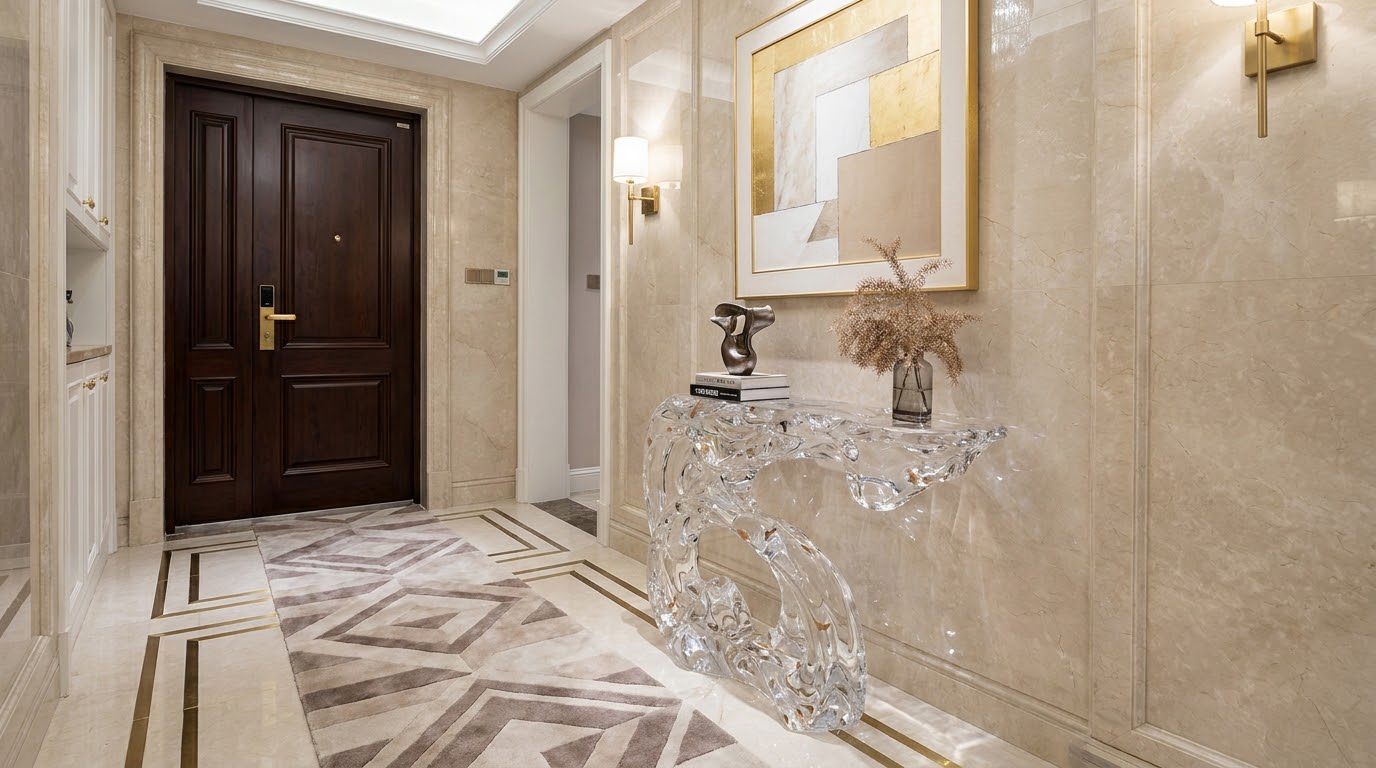
For interior designers specializing in luxury hospitality, few frustrations match the gap between a photorealistic render and a finished lobby installation. A 2023 industry survey of high-end hotel design teams found that 68% of signature furniture pieces required at least one round of rework during mock-up, with material mismatch and structural instability being the top two causes. When a 5-star urban hotel approached ZYRA last year, its lobby side table project was stuck in exactly this cycle: three prototype rounds had failed to match the design’s intended luminous, high-end finish, and the project was at risk of delaying the hotel’s soft opening. The core issue? The initial specification of standard acrylic could not deliver the depth and refraction the design team had envisioned, leading the team to explore synthetic crystal as a higher-performance alternative.
The Hidden Gap Between Design Intent and Material Reality
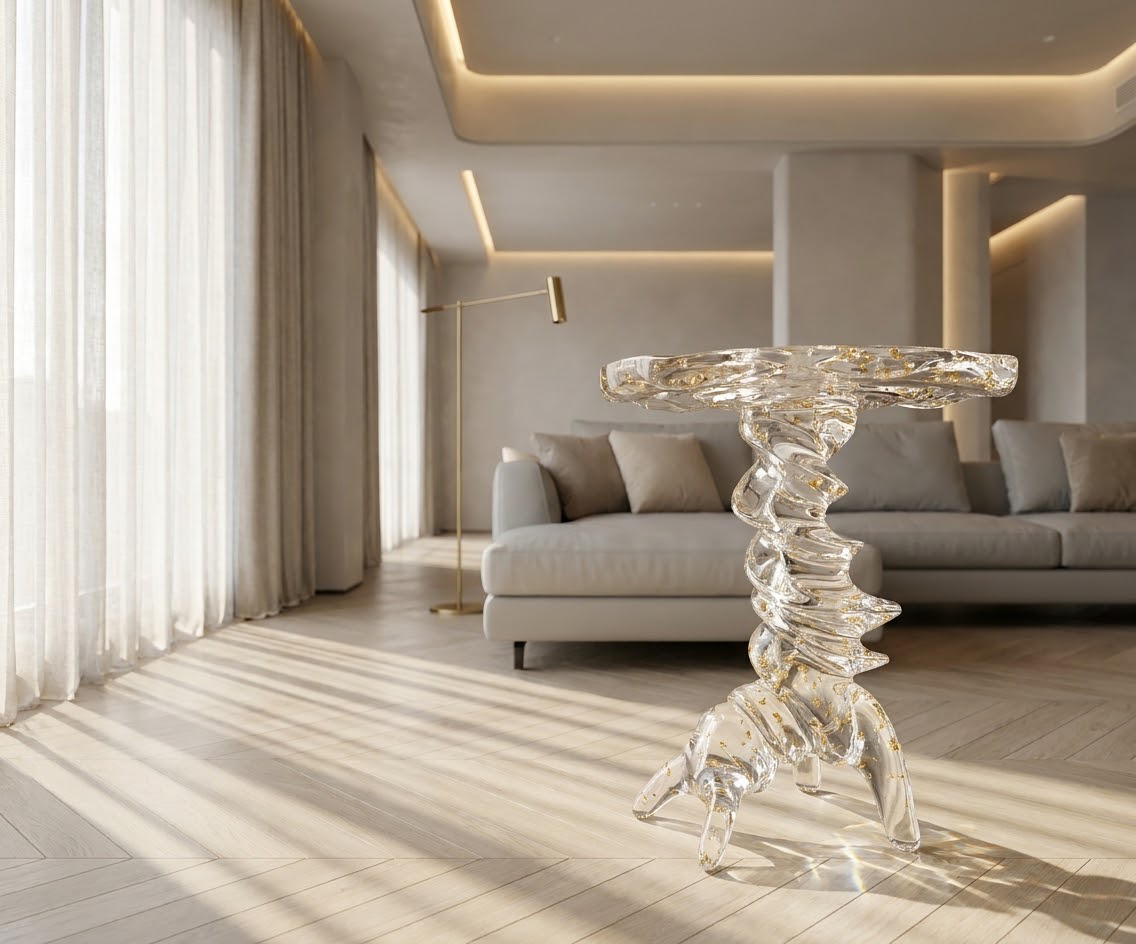
The hotel’s design concept centered on 12 lobby side tables with a sculptural, faceted form, intended to catch light from the adjacent floor-to-ceiling windows and create a subtle, jewel-like focal point. The initial supplier had proposed cast acrylic as the material, citing lower cost and faster production. But when the first prototype arrived, the design team immediately spotted three critical flaws.
First, the acrylic lacked the optical depth the render had depicted. Light passed through it too evenly, resulting in a flat, “plastic” appearance that felt out of place in a 5-star setting. Second, the faceted edges showed minor inconsistencies in polish, with some surfaces appearing hazy under direct light. Third, the structural base showed signs of flexing under weight, raising durability concerns for a high-traffic lobby area.
For designers, this scenario is all too familiar. Material selection is often treated as a secondary step in the design process, with decisions made based on aesthetic references rather than engineering feasibility. What looks like “transparent material” in a render can behave very differently in real life, depending on factors like refractive index, surface hardness, and load-bearing capacity. This is why synthetic crystal emerged as a viable alternative during the project’s value engineering review: its higher density and light-refractive properties closely matched the design team’s original vision, while its structural rigidity eliminated the flexing issue.
Why Single-Material Suppliers Often Miss the Mark
A key reason the project stalled initially was that the first supplier specialized exclusively in acrylic furniture. When the design team asked about adjusting the material to improve clarity, they were told the only options were thicker acrylic or a different grade of the same material—neither of which solved the core problem of visual flatness.
This is a common pain point in luxury FF&E procurement: many suppliers position themselves as “custom furniture manufacturers” but are limited to a single material system. When a design pushes beyond the capabilities of that material, they either force design compromises or deliver products that fall short of the brand’s quality standards. For high-end hotels, the cost of these compromises goes far beyond rework fees: a lobby that feels “cheap” can drag down perceived property value and guest satisfaction scores.
ZYRA’s review of the project started not with a quote, but with a design feasibility analysis. The team evaluated three material options—acrylic, architectural resin, and synthetic crystal—against four criteria: optical performance, structural stability, surface durability, and cost efficiency. For this specific application, where light interaction and premium feel were non-negotiable, synthetic crystal scored highest on optical and durability metrics, while still fitting within the project’s revised budget when paired with a streamlined manufacturing process. The analysis also identified that a hybrid base structure, combining the crystal top with a hidden metal support, would further reduce long-term wear without compromising the design’s minimalist silhouette.
Turning Design Concept into Repeatable Production
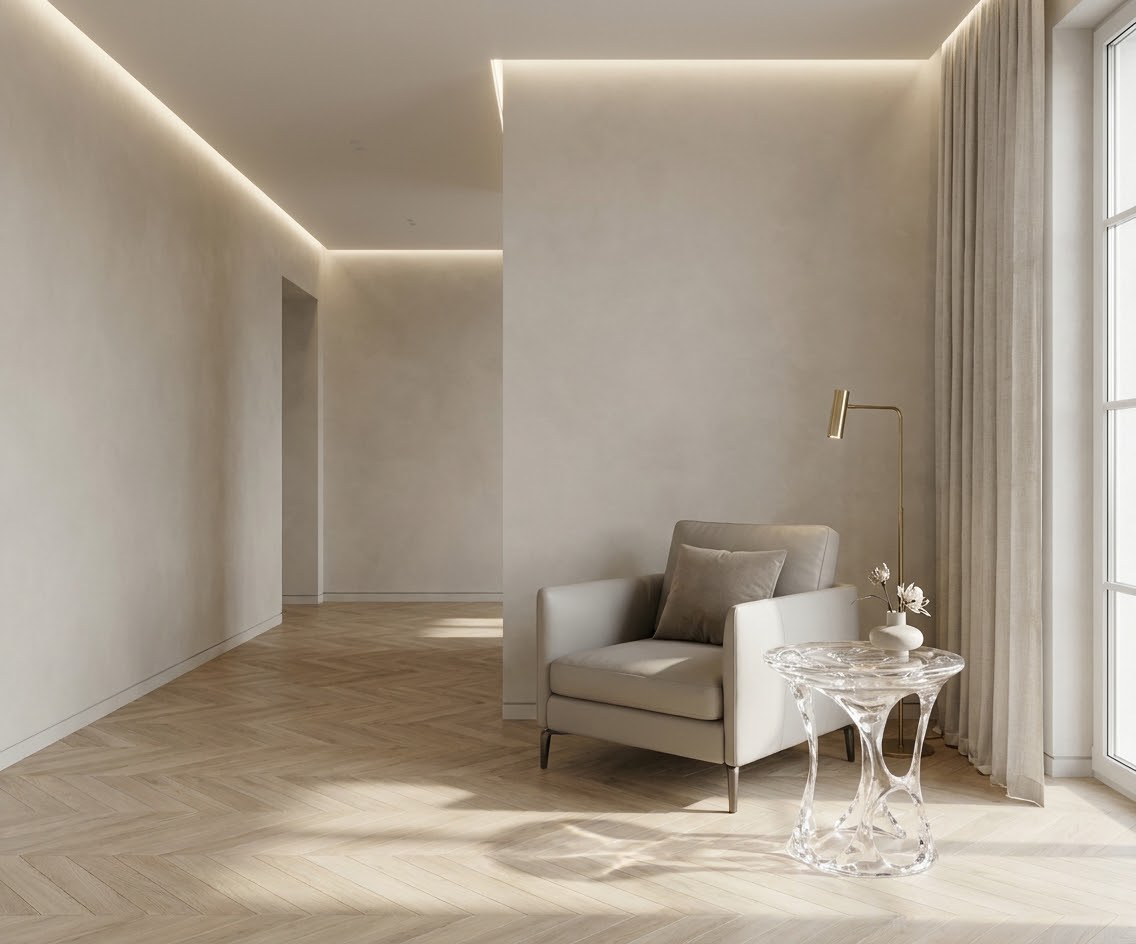
Once the material was selected, the next challenge was ensuring the 12 tables would be identical in finish and structure. For custom furniture projects, sample quality is rarely the bottleneck—consistency across mass production is. A single skilled artisan can hand-polish one perfect prototype, but scaling that quality to a full batch requires standardized processes, not just craftsmanship.
The ZYRA team established a seven-step quality control framework for the project, starting with material batch testing to ensure every sheet of synthetic crystal had consistent clarity and color. Next, they created a golden sample that was approved by both the design team and the hotel owner, with documented standards for edge polish, surface smoothness, and dimensional tolerance (set at ±0.5mm for all critical surfaces). During production, each table went through three inspection checkpoints: post-cutting, post-polishing, and post-assembly. A final pre-shipping inspection included simulated load testing and surface scratch resistance checks.
The result? All 12 tables were delivered on schedule, with zero rework required. The hotel’s design director noted in the final sign-off that the finished pieces “actually exceeded the render’s light effect, with a warmth that acrylic never could have achieved.” For the hotel owner, the project stayed within 2% of the revised budget, and the lobby’s signature furniture became a frequently mentioned detail in early guest reviews.
Lessons for Designers and Procurement Teams
This project highlights three actionable takeaways for anyone working on luxury hospitality or commercial space designs:
Involve material engineers early, not after the design is finalized. Bringing a multi-material specialist into the DD (Design Development) phase can identify feasibility issues before they become costly rework. For complex transparent pieces, even small adjustments to edge angle or thickness can drastically improve both aesthetics and structural performance.
Evaluate materials by total project cost, not unit price. A synthetic crystal piece may have a higher upfront material cost than acrylic, but if it reduces rework, extends product lifespan, and enhances the space’s perceived value, it often delivers a better return on investment. For hotel owners, a lobby piece that maintains its premium finish for 10+ years is far more cost-effective than one that needs replacement after 3–5 years due to scratching or yellowing.
Prioritize suppliers with engineering capabilities, not just production capacity. The ability to translate design intent into manufacturable processes—without diluting the original concept—is the biggest differentiator between a commodity supplier and a strategic project partner. Look for teams that offer design feasibility reviews, DFM (Design for Manufacturing) analysis, and clear quality documentation, not just product catalogs.
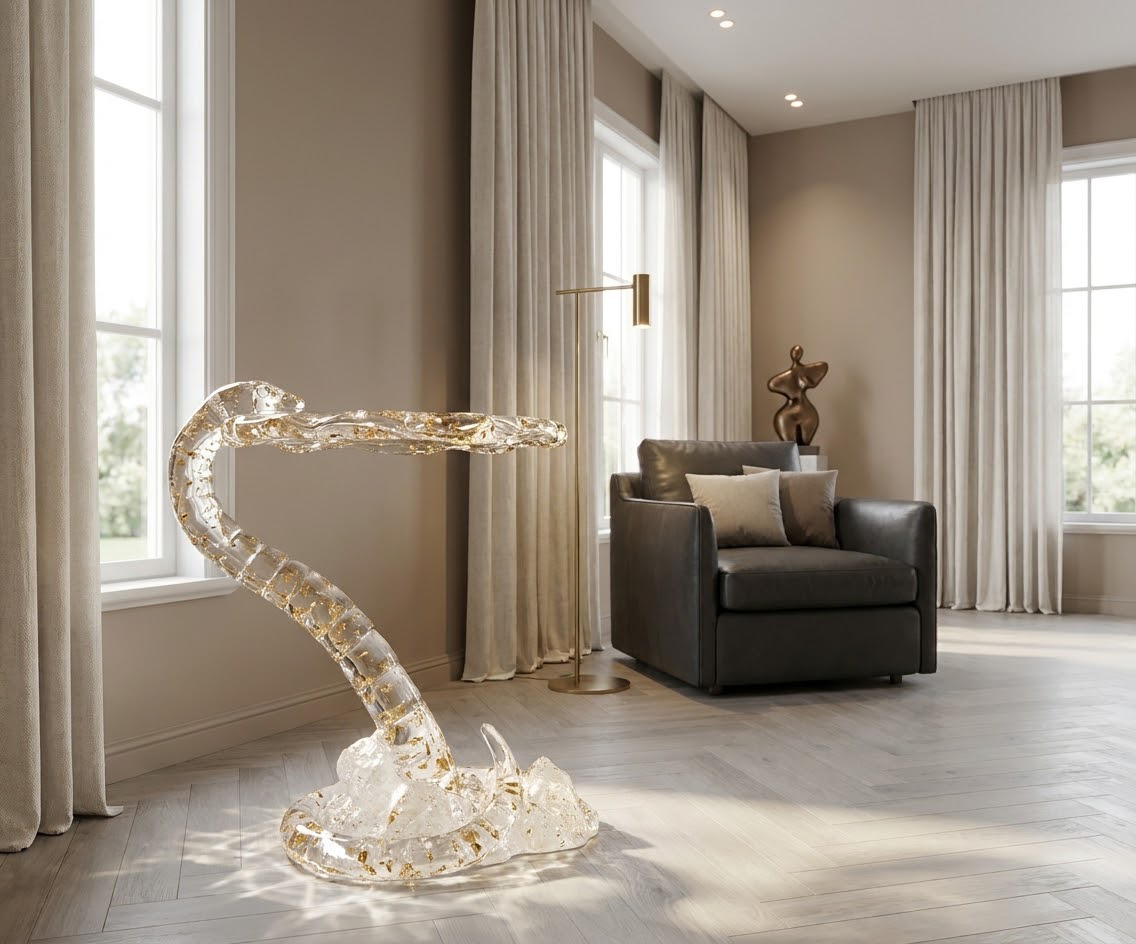
For interior designers working on their next luxury project, the takeaway is clear: the right material and manufacturing partner can turn a “nice idea” into a signature space element. If you’ve ever struggled with a transparent furniture or fixture design that wouldn’t land as intended, you’re not alone—and the solution often lies in looking beyond the default material specification.
What’s the biggest design-to-manufacturing challenge you’ve faced on a luxury hospitality project? Share your experience in the comments, or send a direct message to discuss how multi-material engineering could support your next concept. For more insights on material selection and custom furniture project risk management, download our free Design Feasibility Checklist via the link in our bio.
READ MORE:
- How Do You Guarantee Synthetic Crystal Mass Production Consistency?
- 7 Common Pitfalls When Specifying Synthetic Crystal for FF&E Projects
- Lowest Bid for Crystal Side Tables Often Costs More in Hotel Projects
- The Best Time to Involve a Material Partner Is Not During Tendering—It’s in DD Phase
- Mobilier in cristallo sintetico: punto focale visivo e identità di design unico negli interni
- Arredamento in cristallo sintetico: innovazione trasversale tra design del prodotto, estetica architettonica e creazione artistica
- Arredamento in cristallo sintetico: potenziale nell'arte interna contemporanea da funzionale a collezione
- Arredamento in cristallo sintetico: sinergia tra finitura superficiale e ambiente interno
- Arredamento in cristallo sintetico: come si integra nelle estetiche spaziali di nuova generazione?


