For decades, luxury furniture relied on solid wood, marble, and metal to signal exclusivity. Today, synthetic crystal furniture and related transparent designs are redefining what high-end pieces can be—blending art, function, and cutting-edge material science.
From sleek acrylic furniture and decor to statement-making high-end transparent furniture, these pieces appeal to residential buyers and B2B clients alike. This guide explores how advanced materials are reshaping luxury design, with insights for interior designers, architects, and commercial project leaders.
1. The Evolution of Luxury Furniture: From Traditional Craft to Material Innovation
Luxury furniture has always reflected the technologies and tastes of its era. Today, advanced polymers and composites are unlocking new possibilities for form, function, and visual lightness.
1.1 Why Transparent Materials Are Disrupting High-End Design
Transparent furniture challenges the idea that luxury must feel heavy or imposing. Instead, it creates visual space, reflects light, and complements a wide range of interior styles.
Key drivers of this shift include:
Growing demand for modern design furniture that feels airy and uncluttered
Advances in material durability that make organic glass furniture suitable for daily use
Rise of minimalist and contemporary design trends in residential and commercial spaces
Desire for statement pieces that double as functional art rather than purely utilitarian objects
1.2 Core Material Categories in Modern Transparent Furniture
Not all transparent furniture is created equal. Different materials offer unique benefits in terms of clarity, strength, and customization potential.
Common materials include:
Acrylic (PMMA): Known for high optical transparency of transparent materials and shatter resistance
Synthetic crystal: A high-performance polymer with exceptional mechanical strength of synthetic crystal materials
Transparent resin: Often used for artistic, sculptural pieces with embedded details
Polycarbonate: Valued for extreme impact resistance in high-traffic commercial settings
2. Key Advantages of Transparent Furniture in Interior Design
When designers choose transparent decorative furniture, they gain more than just a modern aesthetic. These pieces solve common design challenges in both residential and commercial spaces.
2.1 Visual and Spatial Benefits for Modern Interiors
One of the biggest advantages of transparent furniture in interior design is its ability to make small spaces feel larger. Unlike solid wood or stone, see-through pieces do not block sightlines.
Additional visual benefits include:
Creates a sense of openness even in compact rooms
Reflects natural and artificial light to brighten dark corners
Blends seamlessly with any color palette or design style
Draws attention to architectural features rather than overwhelming them
This makes synthetic crystal furniture for modern interior spaces especially popular in urban apartments, boutique hotels, and open-concept offices.
2.2 Durability and Practical Advantages for B2B Use
High-end transparent furniture is not just about looks—it is engineered for performance. Modern materials offer practical benefits that traditional materials cannot match.
Key durability features:
Resistance to scratches, stains, and UV fading with proper coating
Lighter weight than glass or stone for easier installation and rearrangement
Non-porous surface that is easy to clean and sanitize
Consistent material quality for large-scale commercial orders
For hotel procurement managers and commercial space design and decoration companies, this combination of beauty and functionality is a major selling point.
3. Signature Product Categories in High-End Transparent Furniture
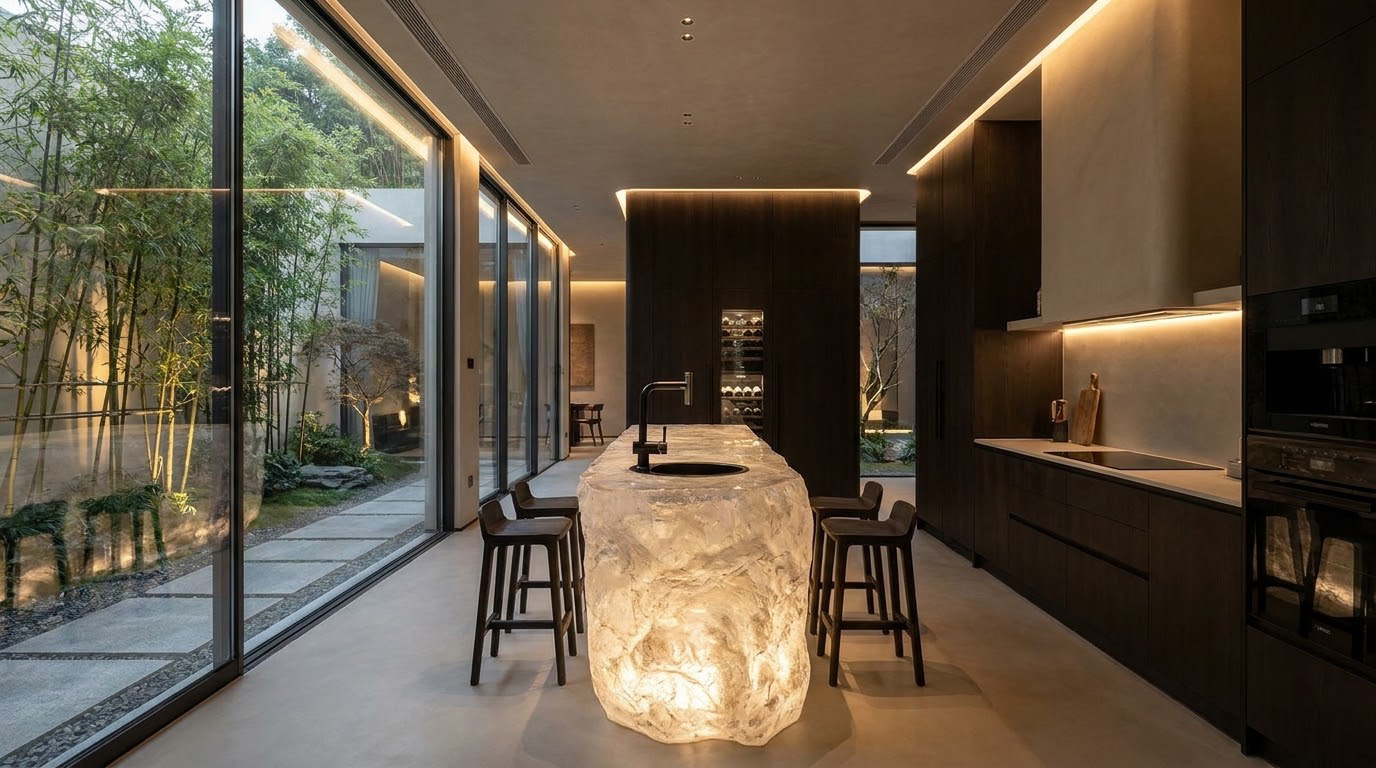
Today’s luxury transparent furniture market includes everything from small decorative accents to large statement pieces. Custom furniture designers work with clients to create pieces tailored to specific spaces and brands.
3.1 Seating, Tables, and Everyday Functional Pieces
Many of the most popular transparent furniture pieces are functional staples reimagined with modern materials. These pieces work in both residential and commercial settings.
Top-selling categories include:
Designer transparent coffee tables and decorative furniture: A centerpiece for living rooms and lobbies
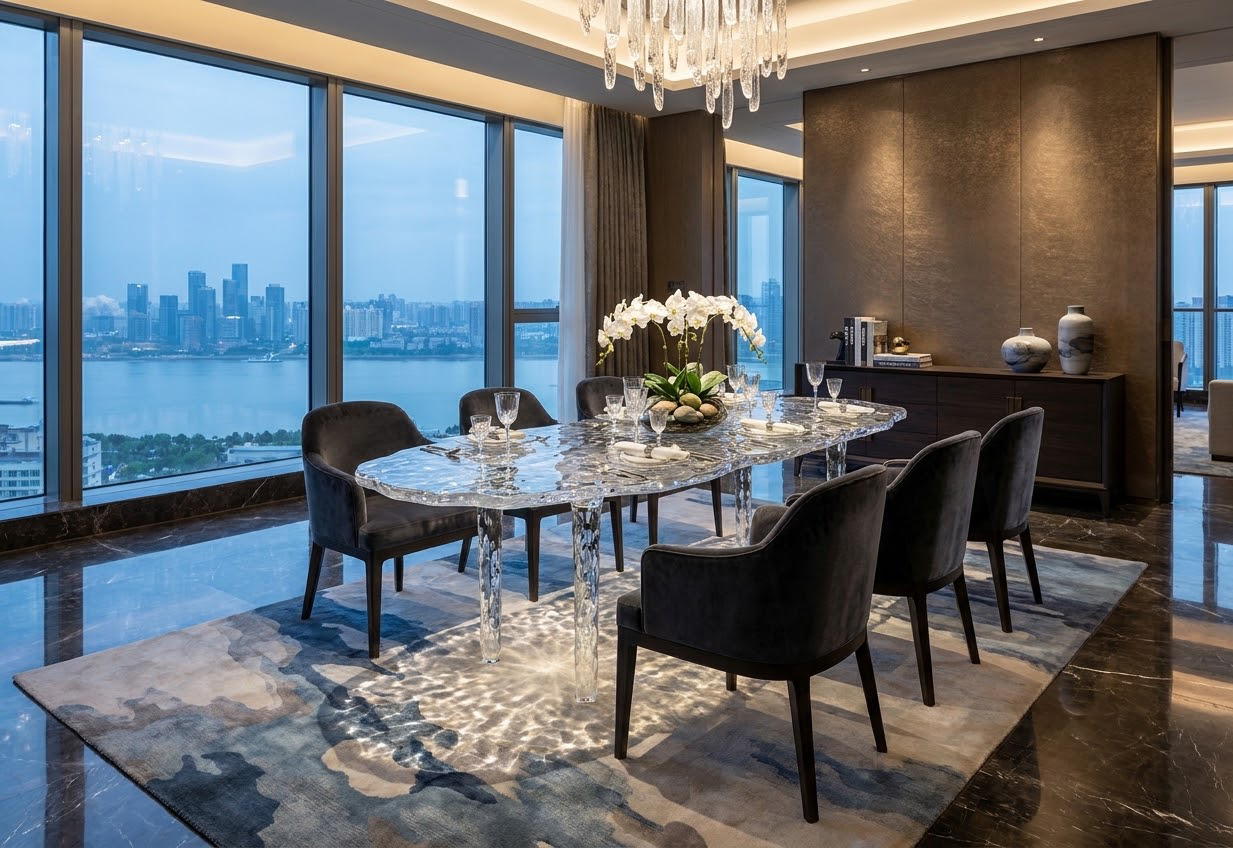
Transparent dining tables: Ideal for creating an open, social dining atmosphere
Acrylic chairs and stools: Lightweight seating that works with any table style
Transparent design console table: A sleek addition to entryways and hallways
Acrylic bar counter: A modern focal point for hotels, restaurants, and private residences
Each piece can be customized in terms of acrylic sheet thickness, color tint, and edge profile.
3.2 Statement and Specialty Pieces for Luxury Settings
For clients seeking truly one-of-a-kind pieces, custom synthetic crystal furniture offers nearly unlimited creative potential. These pieces are often commissioned for high-end hotels, luxury residences, and flagship retail spaces.
Notable specialty pieces include:
High-end crystal billiard table: A showstopper for game rooms and private clubs
Synthetic crystal chandelier: A sculptural lighting piece that doubles as furniture-adjacent art
Acrylic piano accessories: Transparent music stands, benches, and piano shells for concert spaces
Custom sculptural pieces: Bespoke designs created in collaboration with artists and architects
These pieces often feature high-thickness acrylic structure and hand-finished details.
4. Manufacturing Excellence: How Premium Transparent Furniture Is Made
The quality of transparent furniture depends heavily on manufacturing precision. Top custom furniture manufacturers combine advanced technology with hand craftsmanship to achieve flawless results.
4.1 Material Processing and Precision Engineering
Creating high-quality acrylic furniture requires strict control over every step of production. From raw material selection to final inspection, each phase impacts the final product’s clarity and strength.
Critical manufacturing steps include:
Material selection: Choosing virgin-grade acrylic for maximum optical clarity
Cutting and shaping: Using laser or CNC technology for precise dimensions
Edge processing: Furniture edge processing and polishing technology for smooth, glass-like edges
Bonding: Using chemical bonding techniques for seamless joints that are nearly invisible
Finishing: Applying high-gloss finish on transparent surfaces for a luxurious feel
Fine processing technology of acrylic materials is what separates premium pieces from mass-market alternatives.
4.2 Customization Capabilities for B2B and B2C Clients
One of the biggest advantages of working with specialized custom furniture manufacturers is the ability to tailor every detail. This is especially valuable for commercial projects with specific brand or space requirements.
Available customization options include:
Custom furniture size and shape to fit unique floor plans
Color tinting to match brand guidelines or interior palettes
Embedded elements such as metal accents, wood inlays, or decorative objects
Engraving or logo etching for brand identity
Custom furniture design and development from concept sketches to final production
For architects and interior designers, this level of flexibility makes acrylic furniture a versatile tool for bringing creative visions to life.
5. Commercial Applications: Transparent Furniture for Hospitality, Retail, and Office Spaces
Transparent furniture is especially popular in commercial settings where design impacts customer perception and brand value. High-end hotel groups, restaurant chains, and luxury retailers are among the biggest buyers.
5.1 Hospitality and Retail Use Cases
In the hospitality industry, furniture must balance aesthetics, durability, and guest comfort. Transparent furniture meets all three needs while creating a memorable visual experience.
Common hospitality applications include:
Luxury hotel custom furniture solutions: Lobby seating, dining room tables, and suite accents
Restaurant and bar furniture: Acrylic bar counters, dining chairs, and display shelves
Retail display fixtures: Transparent tables and pedestals for showcasing luxury products
Event and banquet furniture: Lightweight pieces that can be rearranged for different occasions
Commercial project furniture companies often work with synthetic crystal furniture for commercial engineering projects due to its durability and premium appearance.
5.2 Why B2B Buyers Choose Custom Transparent Furniture
For B2B buyers, the decision to invest in transparent furniture goes beyond aesthetics. It is a strategic choice that supports brand identity and long-term value.
Key reasons B2B clients choose custom transparent furniture:
Brand differentiation: Unique pieces that set a property apart from competitors
Space optimization: Transparent pieces make small commercial spaces feel larger
Durability: Materials engineered to withstand high-traffic commercial use
Consistency: Ability to produce matching pieces across multiple locations
Design flexibility: Custom shapes and sizes to fit architectural constraints
Hotel designers and restaurant enterprises and chain restaurant groups value this combination of style and practicality.
6. Future Trends: What’s Next for Advanced Material Furniture Design
The transparent furniture market continues to evolve as new materials and technologies emerge. For architecture and interior design firms, staying ahead of these trends is key to delivering innovative client solutions.
6.1 Emerging Material and Technology Trends
Researchers and manufacturers are constantly developing new ways to improve transparent furniture performance and sustainability.
Key trends to watch:
Sustainable acrylic: Recycled and bio-based acrylic materials for eco-conscious clients
Smart integration: Built-in LED lighting, wireless charging, and sensor technology
Nanocoatings: Advanced surface treatments for enhanced scratch resistance and self-cleaning properties
3D printing: Additive manufacturing for complex geometric designs that were previously impossible
These innovations will expand the application of transparent materials in furniture design even further.
6.2 Market Opportunities for Industry Professionals
For high-end furniture brands and enterprises, custom furniture designers, and design professionals, the growing demand for transparent furniture represents a significant business opportunity.
Ways to capitalize on this trend:
Partner with specialized manufacturers to offer custom transparent furniture lines
Educate clients on the benefits of synthetic crystal and acrylic materials
Create curated collections for specific industries such as hospitality or retail
Invest in design tools that help clients visualize transparent pieces in their spaces
As the market matures, brands that combine material expertise with design innovation will lead the industry.


