Synthetic crystal furniture, designer transparent furniture, acrylic furniture and decor, and high-end transparent furniture are reshaping luxury commercial and residential spaces. For large-scale custom furniture projects, coordinating complex dimensions, material consistency, and manufacturing precision is the biggest barrier to on-time, high-quality delivery. This guide breaks down core challenges and actionable solutions for B2B stakeholders from custom furniture manufacturers to hotel procurement managers.
1. Dimensional Coordination: Aligning Custom Sizes with Site Requirements
Large-scale custom furniture projects fail most often due to misaligned dimensions between design intent and on-site conditions. For custom synthetic crystal furniture and acrylic pieces, even 1mm of error can ruin the seamless, premium look clients expect.
1.1 Site Measurement and Design Validation
Accurate site surveys are the foundation of successful dimensional coordination, especially for synthetic crystal furniture for modern interior spaces where open layouts demand perfect fit.
Common dimensional pain points: uneven floor levels, non-standard wall angles, and mismatched utility outlet positions
Validation steps: 3D laser scanning of sites, BIM model integration, and 1:1 prototype testing for high-traffic pieces
Interior designers and architects often rely on custom furniture manufacturer for large projects to handle cross-team dimensional alignment, reducing rework risks.
1.2 Batch Consistency for Multi-Unit Orders
For commercial projects like hotel chains or restaurant franchises, 100+ identical transparent dining tables or acrylic chairs and stools must match perfectly in size.
Key factors affecting batch dimensional consistency:
Thermal expansion of acrylic sheets (acrylic sheet thickness impacts expansion rate by 0.07mm per meter per °C)
Cutting tool wear during long production runs
Manual assembly deviations for large pieces like high-end crystal billiard tables
Leading custom furniture design and development teams use CNC cutting with ±0.1mm precision to ensure batch consistency for commercial engineering furniture project companies.
2. Material Selection and Consistency: Balancing Aesthetics and Performance
Transparent furniture materials—from synthetic crystal to acrylic resin—offer unique visual appeal but come with strict performance requirements for high-traffic commercial spaces. Choosing the right material and maintaining batch consistency is critical for long-term durability.
2.1 Material Property Matching for Different Scenarios
Different use cases demand different transparent material properties, and custom acrylic furniture for architects and interior designers must balance beauty and function.
Common material options and their use cases:
Synthetic crystal resin: High optical clarity of transparent materials (92% light transmittance), high mechanical strength of synthetic crystal materials—ideal for luxury hotel lobbies and high-end retail spaces
Cast acrylic: Fine processing technology of acrylic materials allows for complex shapes—perfect for designer transparent coffee tables and decorative furniture and acrylic bar counters
Extruded acrylic: Lower cost, consistent thickness—suitable for large-volume acrylic chairs and stools in co-working spaces
Hotel designers and commercial space design and decoration companies often prioritize scratch resistance and UV stability for outdoor or high-traffic pieces.
2.2 Batch Material Quality Control
For large orders, material color and clarity variation between batches can make a set of synthetic crystal tables look mismatched. This is a top complaint from high-end furniture brands and enterprises.
Critical quality control checks for material batches:
Light transmittance testing (must be within ±0.5% of the sample for high-end transparent furniture)
Yellowing resistance testing (UV exposure for 500 hours with ΔE < 1.5)
Impact resistance testing (meets ANSI/BIFMA X5.1 standards for commercial use)
Reputable custom furniture manufacturer for large projects source materials from ISO-certified suppliers and retain batch samples for post-delivery comparison.
3. Manufacturing Precision: Ensuring High-End Finishes for Transparent Pieces
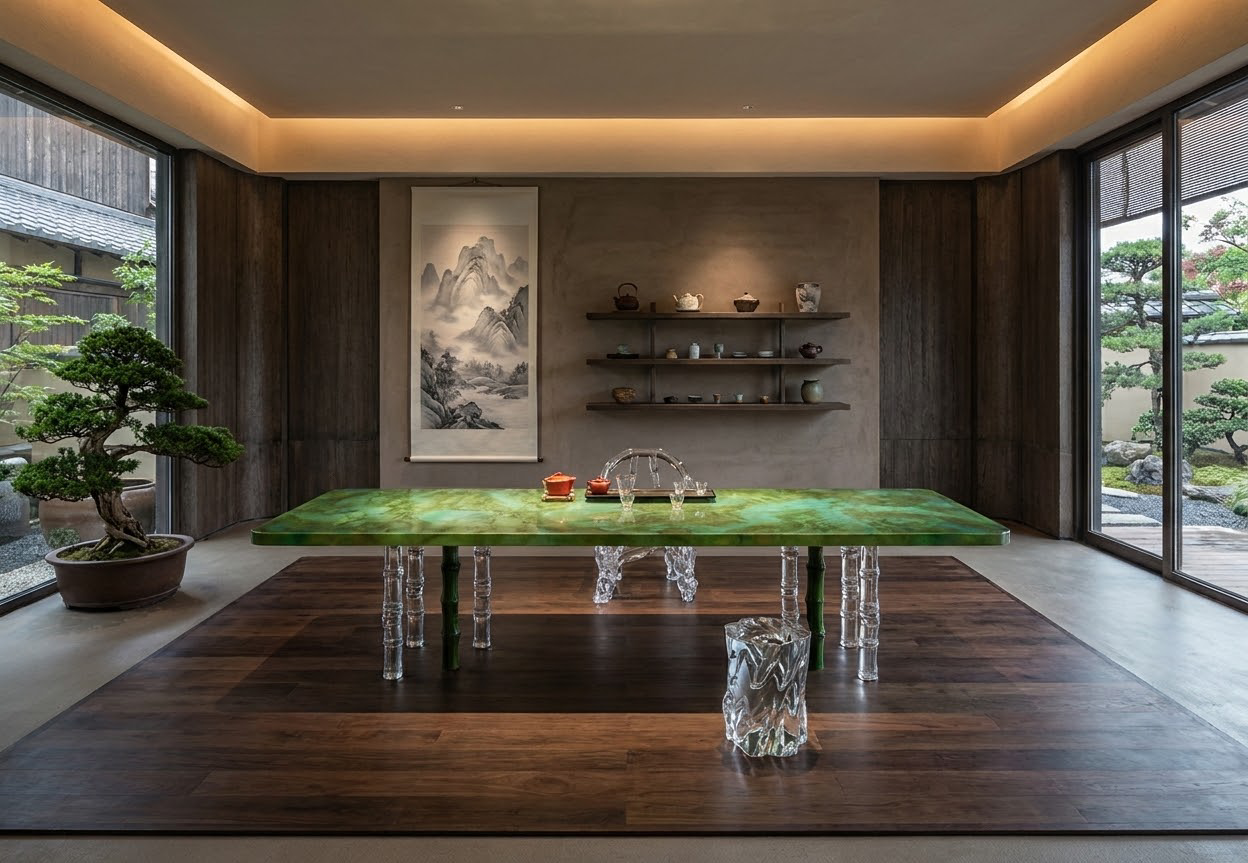
Transparent furniture shows every flaw—scratches, uneven edges, or air bubbles instantly reduce the perceived value of luxury pieces. Manufacturing precision is non-negotiable for high-end transparent furniture and decor.
3.1 Edge Processing and Surface Finishing
The quality of furniture edge processing and polishing technology is the most visible marker of premium transparent furniture.
Key finishing processes for luxury pieces:
Diamond polishing for edge clarity (achieves 99% light transmittance on cut edges, vs 80% for standard sanding)
Flame polishing for curved acrylic pieces like acrylic piano accessories
High-gloss finish on transparent surfaces with scratch-resistant coating (increases surface hardness by 2H)
For custom design furniture like transparent design console tables, hand-finishing is often required for complex curved edges that CNC machines cannot reach.
3.2 Structural Integrity for Large Transparent Pieces
Large-scale pieces like synthetic crystal chandeliers or high-thickness acrylic structure dining tables face unique structural challenges. Transparent materials cannot hide internal supports, so engineering must be both functional and invisible.
Critical structural considerations:
Load-bearing capacity: A 2m transparent dining table must support 100kg evenly distributed without bending
Joint technology: UV-bonded joints for acrylic are 90% as strong as the base material when done correctly
Weight distribution: High-end crystal billiard tables can weigh 500kg+, requiring reinforced floor support planning
Custom furniture designers work closely with structural engineers to ensure safety while preserving the minimalist, floating look that makes modern design furniture popular.
4. Project Coordination: Aligning Stakeholders Across the Supply Chain
Large-scale custom furniture projects involve 5+ stakeholder teams, from architecture and interior design firms to manufacturing teams and on-site installers. Miscommunication leads to delays, rework, and budget overruns.
4.1 Cross-Team Communication Workflows
Clear communication workflows prevent costly mistakes, especially for luxury hotel custom furniture solutions with tight opening deadlines.
Essential coordination checkpoints:
Pre-production design review: Sign-off from interior designers, hotel procurement managers, and manufacturing leads
Mid-production sample approval: 1 full-size prototype for material and dimensional validation
Pre-delivery quality inspection: Third-party testing for commercial projects
Synthetic crystal furniture for commercial engineering projects often requires weekly progress meetings to align on timeline changes.
4.2 Timeline and Risk Management
Large projects face constant risks: material shipping delays, equipment breakdowns, or site construction hold-ups. Transparent resin furniture production has unique lead times for custom material casting.
Common risk mitigation strategies:
15-20% buffer time built into production schedules for custom orders
Backup material suppliers for high-volume projects
Phased delivery to align with site construction milestones
Catering enterprises and chain catering groups benefit most from phased delivery, as it allows them to open floors incrementally instead of waiting for full completion.
5. Cost Control: Balancing Customization and Budget for B2B Clients
Customization always comes at a premium, but large-scale projects can reduce costs through smart design and production optimization. For B2B buyers, balancing the luxury of plexiglass furniture with budget limits is a constant challenge.
5.1 Design Optimization for Cost Efficiency
Small design changes can cut costs by 20-30% without sacrificing the premium look of transparent decorative furniture.
Cost-saving design adjustments:
Standardizing acrylic sheet thickness across multiple pieces to reduce material waste
Using modular designs for acrylic chairs and stools to simplify production and replacement
Limiting custom shape cuts to visible surfaces only
High-end hotel groups often work with designers early in the process to optimize designs for manufacturing, reducing overall project costs.
5.2 Total Cost of Ownership Calculation
For commercial clients, the upfront cost of furniture is only part of the equation. Durability, maintenance, and replacement costs matter more for long-term use.
Key TCO factors for transparent furniture:
Scratch resistance: High-gloss coated acrylic reduces maintenance costs by 40% vs uncoated pieces
Repairability: Acrylic can be buffed to remove scratches, unlike glass which requires full replacement
Lifespan: High-quality synthetic crystal furniture lasts 15+ years with proper care, vs 5-7 years for low-grade acrylic
Hotel and commercial space designers often present TCO data to stakeholders to justify higher upfront investment in premium pieces.
6. Future Trends: Innovation in Large-Scale Transparent Furniture Production
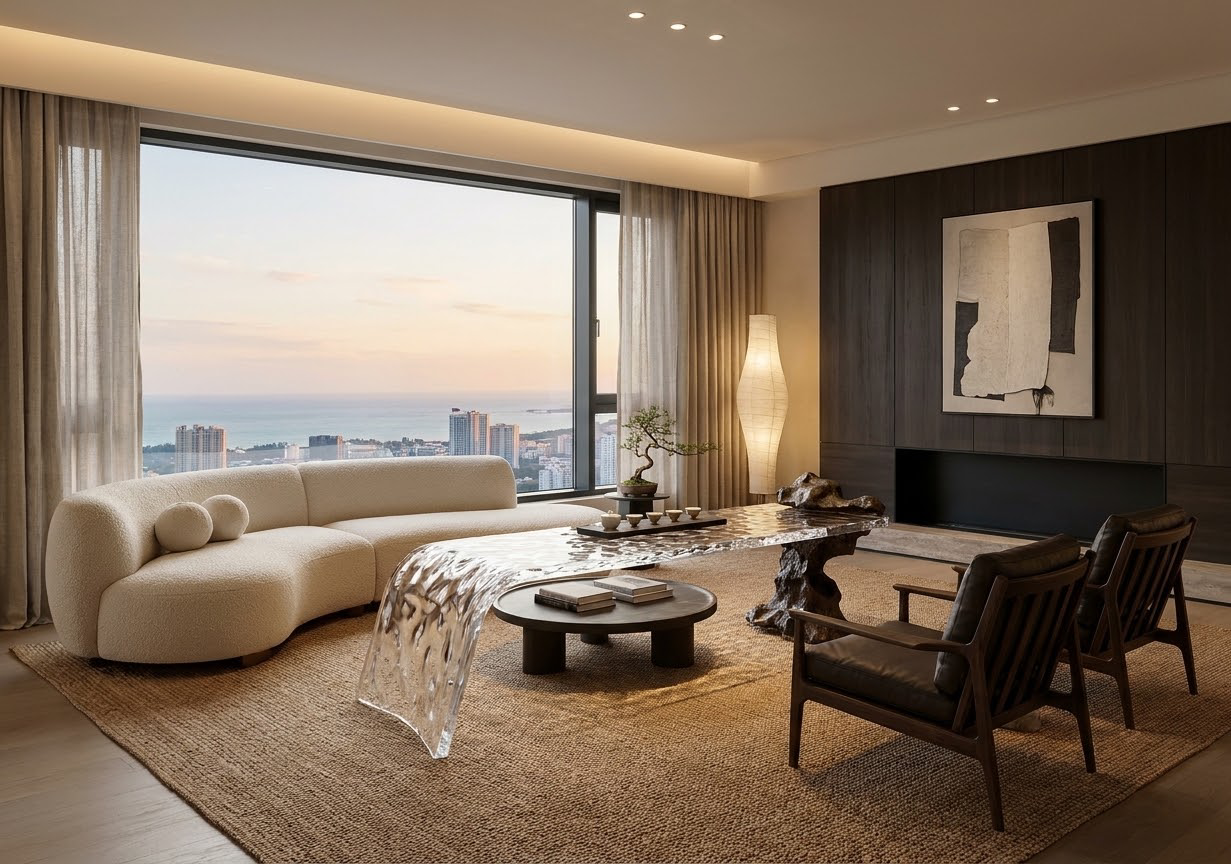
The transparent furniture industry is evolving fast, with new technologies making large-scale custom production faster, more precise, and more affordable.
6.1 Digital Manufacturing Advancements
New technologies are reducing production time and error rates for custom synthetic crystal furniture.
Key innovations driving change:
AI-powered CNC cutting that optimizes material layout to reduce waste by 18%
3D-printed molds for custom resin furniture, cutting lead times from 4 weeks to 1 week
Automated optical inspection that detects 99% of surface flaws, vs 85% for manual inspection
These advancements make custom furniture size and shape customization accessible for smaller commercial projects, not just luxury developments.
6.2 Sustainable Transparent Furniture Solutions
Sustainability is a top priority for modern clients, and the application of transparent materials in furniture design is shifting toward eco-friendly options.
Emerging sustainable trends:
Recycled acrylic sheets made from post-consumer waste, with 95% of the optical clarity of virgin acrylic
Bio-based resin made from plant-derived materials for synthetic crystal pieces
Circular take-back programs where manufacturers recycle old transparent furniture into new pieces
Architecture and interior design firms are increasingly specifying sustainable transparent furniture to meet green building certification requirements.


