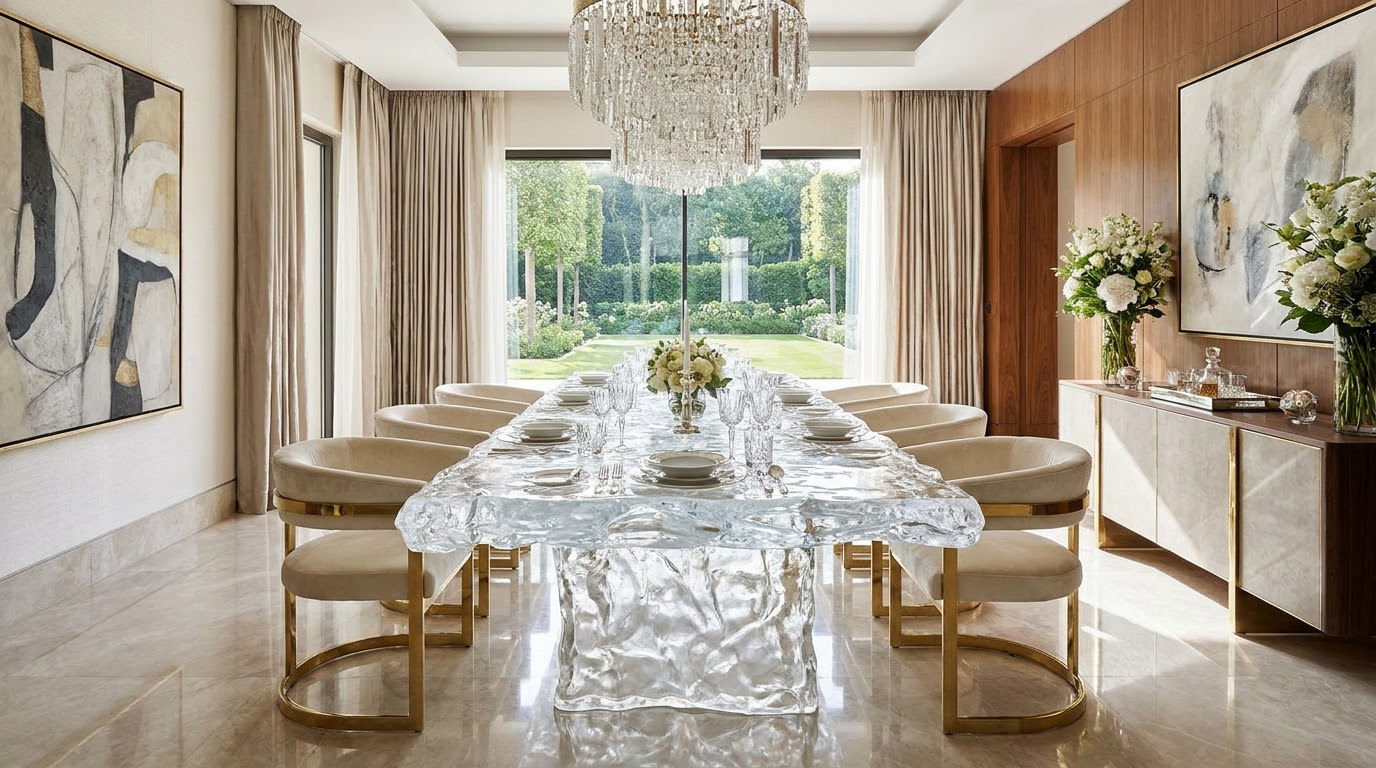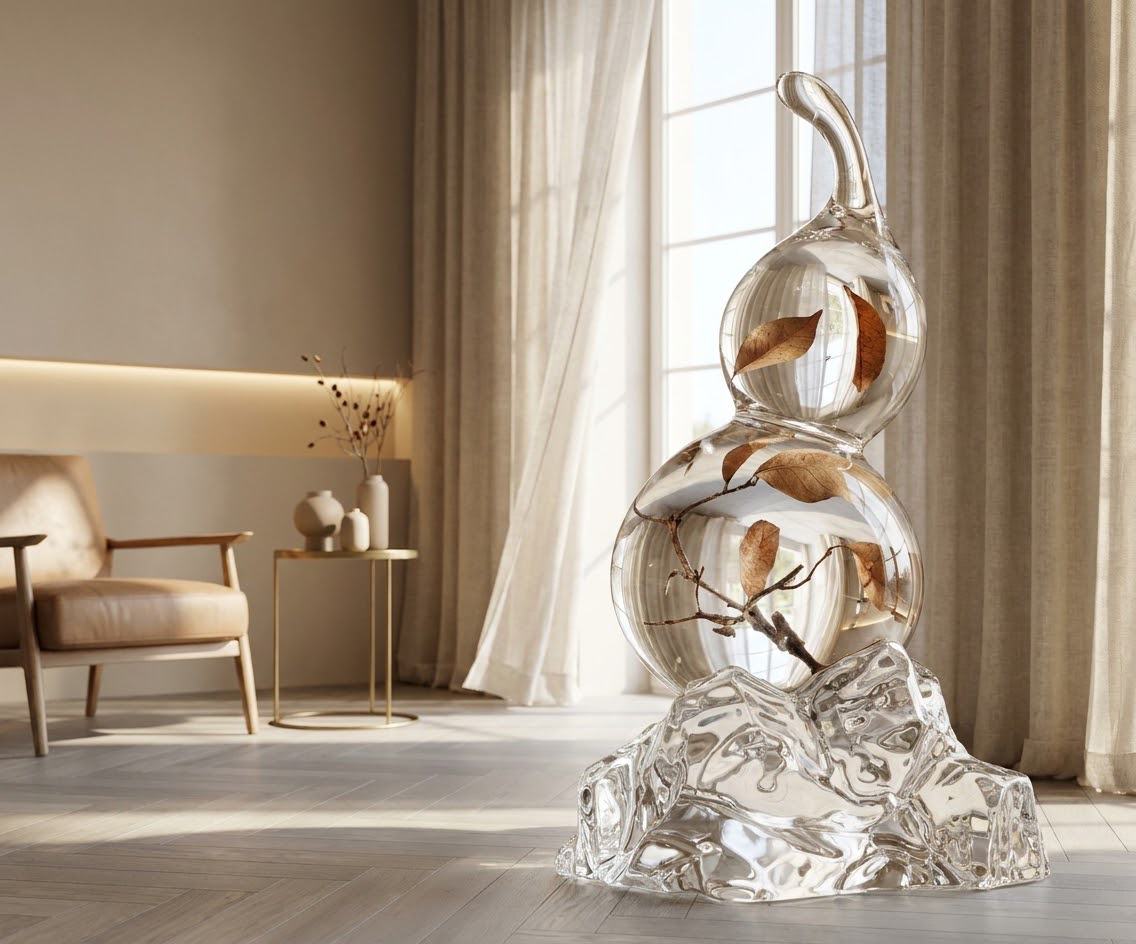
For interior designers working on luxury residential and hospitality projects, material selection directly defines a space’s perceived value and functional longevity. Synthetic crystal furniture has emerged as a bold, modern alternative to natural stone, glass, and solid wood, offering unique aesthetic flexibility without compromising on performance. This guide breaks down how to evaluate both the design value and implementation feasibility of these pieces for high-end commissions.
Many firms are now prioritizing translucent, light-refractive materials to create focal points in open-concept spaces. Artificial crystal furniture fits perfectly into this design narrative, with options ranging from statement dining tables to accent seating.
1. Core Material Properties of Synthetic Crystal Furniture
Understanding the base material composition is the first step to making informed specification decisions for high-end projects. Unlike mass-produced acrylic or standard glass, premium synthetic crystal pieces are engineered for optical clarity and structural stability.
1.1 High-Purity Optical-Grade Material Composition
Top-tier synthetic crystal furniture is manufactured using high-purity optical-grade material, typically a form of lead-free crystal polymer or fused silica composite. This material is formulated to match the light refraction properties of natural rock crystal, while eliminating natural inclusions and structural inconsistencies.
Key material composition details include:
99.9% pure base resin or silica feedstock for maximum light transmission
UV-stabilized additives to prevent yellowing over 10+ years of indoor use
Customizable tint formulations for bespoke color matching to project palettes
Non-porous surface structure that resists staining from food, beverages, and cleaning products
Third-party testing data shows that high-purity optical-grade material has a light transmittance rate of 92-94%, compared to 80-85% for standard acrylic and 87-90% for tempered glass. This makes it ideal for spaces designed to maximize natural light.
1.2 Key Performance Metrics for Design Specification
Beyond aesthetics, synthetic crystal furniture delivers measurable performance benefits that make it suitable for high-traffic luxury spaces. The most critical metric for long-term durability is high surface hardness, which prevents scratches and scuffs from daily use.
Core performance metrics to reference during specification:
Mohs hardness rating of 6.5-7, comparable to natural quartz and significantly harder than acrylic (2-3 Mohs)
Impact resistance 2-3 times higher than annealed glass, reducing breakage risk in residential and commercial settings
Temperature resistance up to 120°C (248°F), making it suitable for dining and bar applications
Weight 30-40% lighter than natural crystal of the same dimensions, simplifying installation and structural planning
For context, a standard synthetic crystal table with a 2cm thick top can support up to 150kg of evenly distributed weight, meeting all international furniture safety standards for residential and hospitality use.
2. Design Value Assessment for High-End Interior Projects
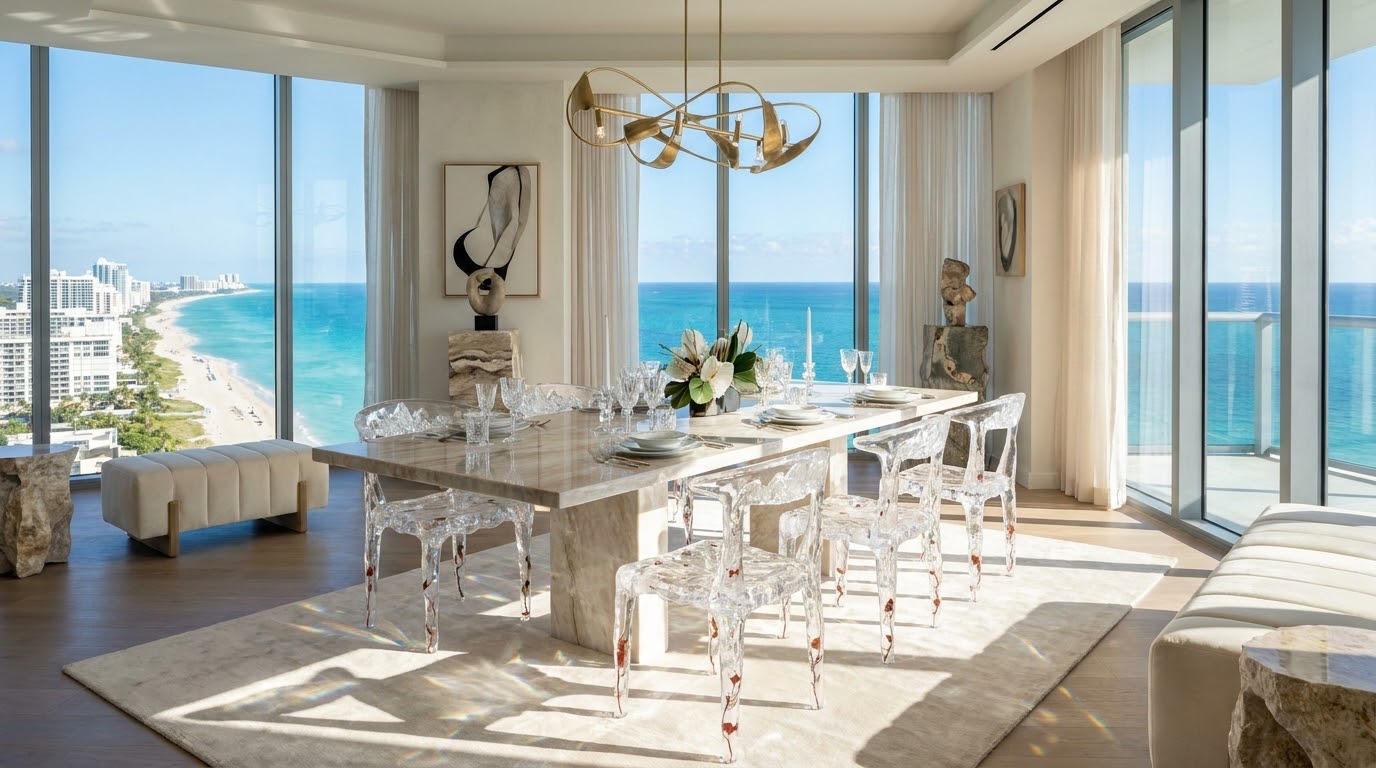
The decision to specify synthetic crystal furniture hinges on its ability to elevate a design concept while aligning with project goals. For interior designers, this means evaluating both visual impact and how the material integrates with broader design narratives.
2.1 Aesthetic Flexibility and Customization Potential
One of the biggest advantages of synthetic crystal over natural stone or crystal is its near-unlimited customization capacity. Unlike natural materials that are limited by quarry yields and natural veining, synthetic crystal can be molded, carved, and tinted to match exact design specifications.
Common custom design applications include:
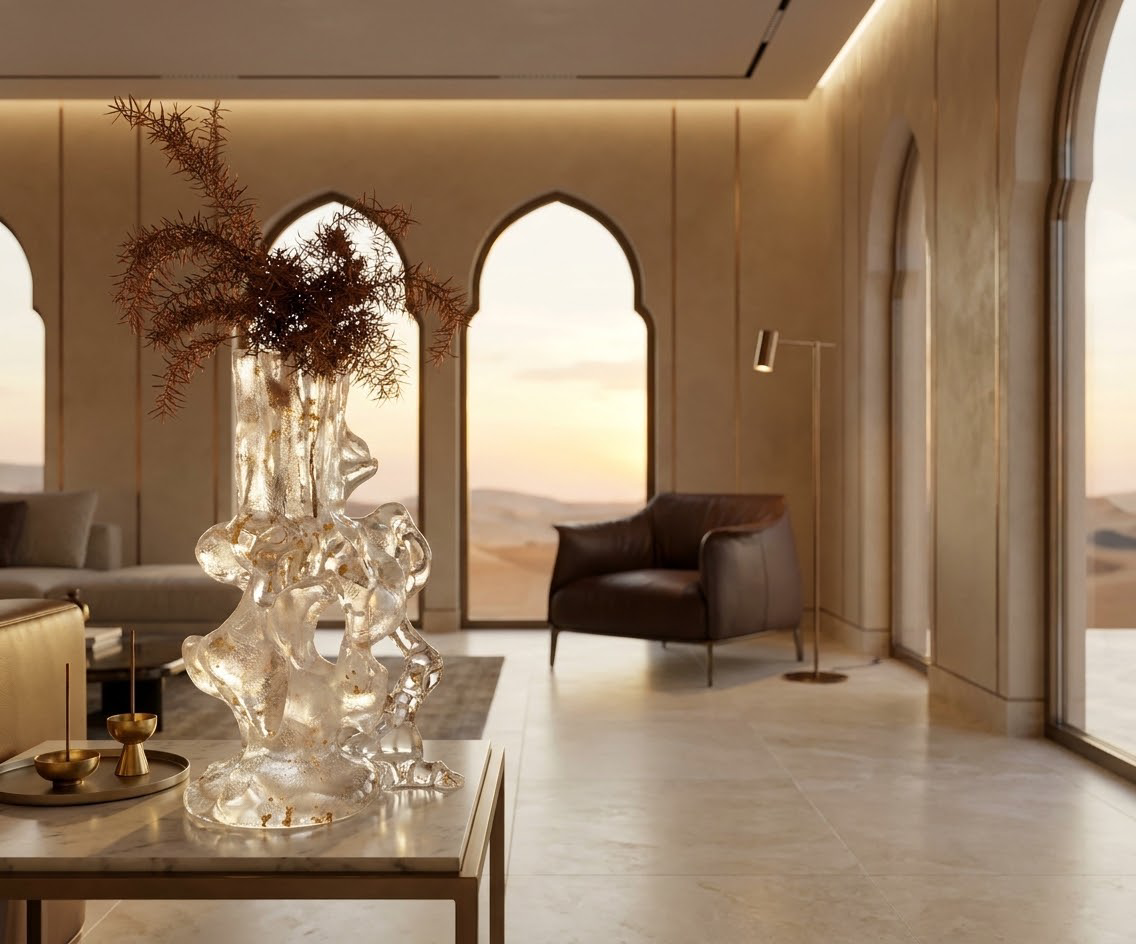
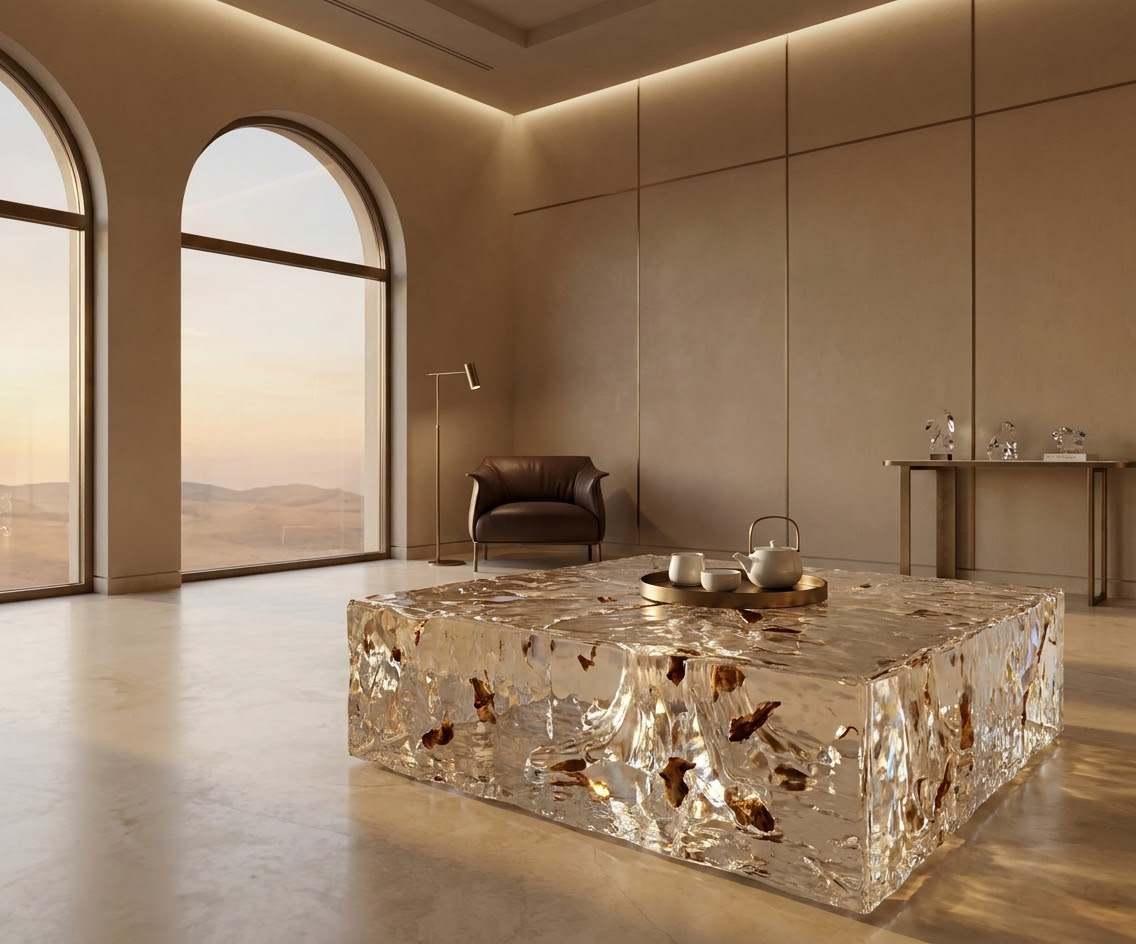
Bespoke synthetic crystal table bases with embedded metallic flakes, natural botanicals, or custom brand monograms
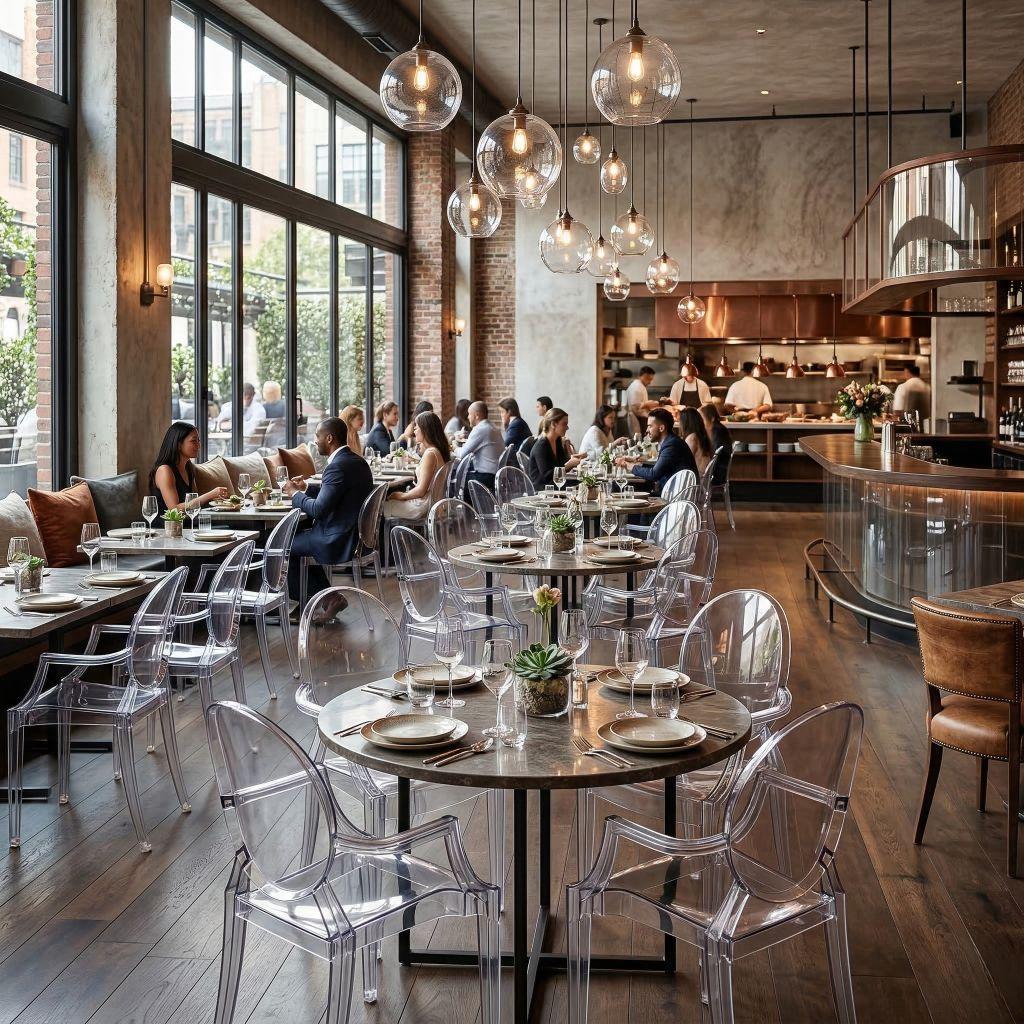
Sculptural synthetic crystal chair designs that would be impossible to carve from natural crystal due to structural constraints
Gradient tint effects that transition from clear to opaque, creating dynamic light interactions throughout the day
Backlit installations that turn furniture pieces into functional light fixtures for lobby or dining spaces
Many luxury design firms use custom synthetic crystal pieces as signature focal points. For example, a 2023 residential project in Beverly Hills featured a 3-meter backlit synthetic crystal dining table that became the central design element of the open-concept living space.
2.2 Alignment with Luxury Design Trends
Synthetic crystal furniture aligns with several key 2024-2025 luxury interior design trends, making it a forward-thinking specification choice for designers looking to deliver contemporary, on-trend spaces.
Trends that synthetic crystal pieces support:
Quiet luxury: The subtle, refined sparkle of high-quality synthetic crystal fits the understated luxury aesthetic that prioritizes material quality over overt branding
Biophilic design: Translucent crystal pieces allow natural light to flow freely, supporting the connection to outdoor environments that defines biophilic design
Maximalist minimalism: Sculptural crystal furniture serves as a single statement piece in otherwise minimalist spaces, balancing simplicity with visual interest
Sustainable luxury: Unlike natural crystal mining that has significant environmental impact, synthetic crystal can be produced with 30% recycled feedstock, supporting eco-conscious design goals
A 2024 luxury design survey found that 68% of high-net-worth homeowners prioritize materials that feel both modern and timeless, a sweet spot that synthetic crystal furniture hits perfectly.
3. Implementation Feasibility Analysis
Even the most visually striking material is only useful if it can be practically implemented within a project’s timeline, budget, and structural constraints. This section breaks down the key feasibility factors interior designers must evaluate before specifying synthetic crystal pieces.
3.1 Fabrication and Installation Considerations
The fabrication process for custom synthetic crystal furniture is more complex than standard wood or metal furniture, requiring specialized equipment and skilled craftspeople. Lead times and installation requirements are two of the most common pain points for design teams.
Key fabrication and installation factors to plan for:
Standard lead times of 8-12 weeks for custom pieces, compared to 4-6 weeks for standard wood furniture
On-site assembly requirements for large pieces (e.g., 3m+ synthetic crystal tables) due to weight and fragility during transport
Need for professional installation teams with experience handling high-end translucent materials to avoid surface damage
Structural support requirements for floor installation, especially for heavy statement pieces over 100kg
For multi-story projects, it’s critical to coordinate with structural engineers early in the design process. A 2022 hospitality project in New York had to revise its lobby design at the last minute because the original floor plan could not support the weight of a 180kg synthetic crystal reception desk.
3.2 Cost and Maintenance Feasibility
Cost is often the biggest barrier to specifying synthetic crystal furniture for high-end projects, though the long-term maintenance savings can offset the initial investment. For interior designers, it’s important to balance upfront costs with the material’s lifespan and durability.
Cost and maintenance breakdown for reference:
Initial cost: Synthetic crystal tables range from $8,000-$25,000 depending on size and customization, compared to $3,000-$10,000 for high-end wood tables and $15,000-$40,000 for natural crystal tables
Daily maintenance: Wipe with a soft microfiber cloth and mild glass cleaner; no special sealing or polishing required, unlike natural stone
Long-term durability: With proper care, synthetic crystal furniture can last 20+ years without fading, scratching, or losing its optical clarity
Repair options: Minor scratches can be buffed out by professional technicians, and small chips can be repaired with color-matched resin
For high-traffic hospitality projects, the low maintenance requirements of synthetic crystal often make it more cost-effective than natural stone or wood over a 10-year lifecycle, as it does not require annual resealing or refinishing.
4. Comparative Analysis: Synthetic vs. Natural Crystal Furniture
To make an informed specification decision, interior designers need a clear side-by-side comparison of synthetic crystal furniture and its natural counterpart. While both offer a luxurious aesthetic, their practical differences make them suitable for different project types.
4.1 Aesthetic and Performance Comparison
At first glance, high-quality artificial crystal furniture can be nearly indistinguishable from natural crystal to the untrained eye. However, there are key visual and performance differences that impact design outcomes.
Core comparative factors:
Clarity: Synthetic crystal made with high-purity optical-grade material has zero natural inclusions, while natural crystal almost always has internal veining, bubbles, and mineral deposits
Color consistency: Synthetic crystal can be produced with perfectly uniform color across large pieces, while natural crystal color varies significantly from slab to slab
Durability: Synthetic crystal has higher surface hardness and impact resistance than natural crystal, making it more suitable for daily use
Weight: Synthetic crystal is 30-40% lighter than natural crystal of the same dimensions, reducing structural requirements
For projects that require perfect symmetry or custom color matching, synthetic crystal is almost always the better choice. Natural crystal is better suited for projects that prioritize organic, one-of-a-kind character.
4.2 Sustainability and Ethical Sourcing Comparison
Sustainability is an increasingly important factor for high-end clients, with 72% of luxury homeowners prioritizing ethically sourced materials according to a 2023 luxury design report. This is an area where synthetic and natural crystal differ significantly.
Sustainability comparison points:
Environmental impact: Natural crystal mining requires large-scale excavation, habitat disruption, and high water usage, while synthetic crystal production has a 40-50% lower carbon footprint per kilogram
Ethical sourcing: Natural crystal supply chains often lack transparency around labor practices, while synthetic crystal manufacturers can provide full supply chain documentation
Recyclability: High-quality synthetic crystal can be melted down and reused in new production, while natural crystal waste from fabrication is typically sent to landfills
Certification options: Synthetic crystal furniture can be produced with GREENGUARD and ISO 14001 certifications, verifying low VOC emissions and sustainable production practices
For clients focused on ESG goals or green building certifications like LEED, synthetic crystal is often the preferred choice over natural crystal due to its verifiable sustainability credentials.
5. Practical Specification Guide for Interior Designers
For interior designers ready to specify synthetic crystal furniture for their projects, following a structured specification process will help avoid common pitfalls and ensure the final product meets both design and functional requirements.
5.1 Step-by-Step Selection Process
A systematic approach to material selection ensures that all project constraints are addressed early, reducing the risk of delays or cost overruns during implementation.
Follow these steps when specifying synthetic crystal pieces:
Define functional requirements: First, determine how the piece will be used (e.g., dining, seating, decorative accent) to set performance requirements for hardness and impact resistance
Confirm material grade: Specify high-purity optical-grade material for all pieces where clarity and light refraction are key design goals
Request material samples: Always request physical samples to evaluate color, clarity, and surface finish under the project’s actual lighting conditions
Review fabrication capabilities: Vet manufacturers based on their experience with custom synthetic crystal furniture and request references from past luxury projects
Coordinate with engineering teams: Confirm structural support requirements and installation logistics before finalizing design plans
It’s also recommended to request a mock-up of custom details (e.g., embedded elements, edge profiles) before full production begins, to ensure the final product matches the design intent.
5.2 Common Pitfalls to Avoid
Even experienced designers can run into issues when working with synthetic crystal for the first time. Being aware of these common mistakes will help ensure a smooth project delivery.
Common pitfalls to avoid:
Underestimating lead times: Custom synthetic crystal pieces take longer to produce than standard furniture, so place orders early to avoid delaying project timelines
Ignoring lighting impact: The appearance of synthetic crystal changes dramatically under different lighting conditions, so always test samples with the project’s actual light fixtures
Overlooking cleaning access: For backlit or wall-mounted crystal pieces, make sure to plan for easy access for regular cleaning and maintenance
Skimping on installation: Never use general contractors to install high-end crystal furniture; always hire specialized teams with experience handling fragile, high-value pieces
By following these guidelines, interior designers can leverage the unique aesthetic and performance benefits of synthetic crystal furniture to create memorable, high-end spaces that exceed client expectations.