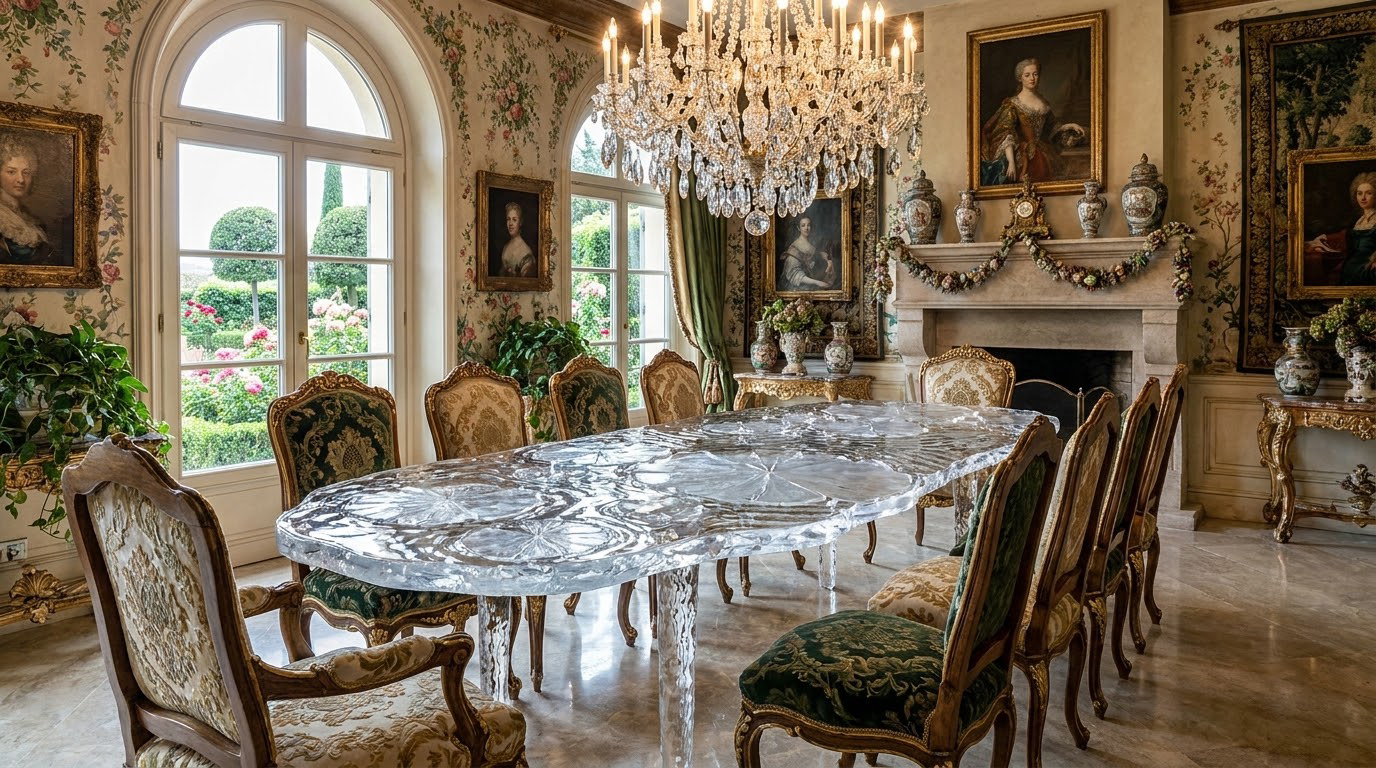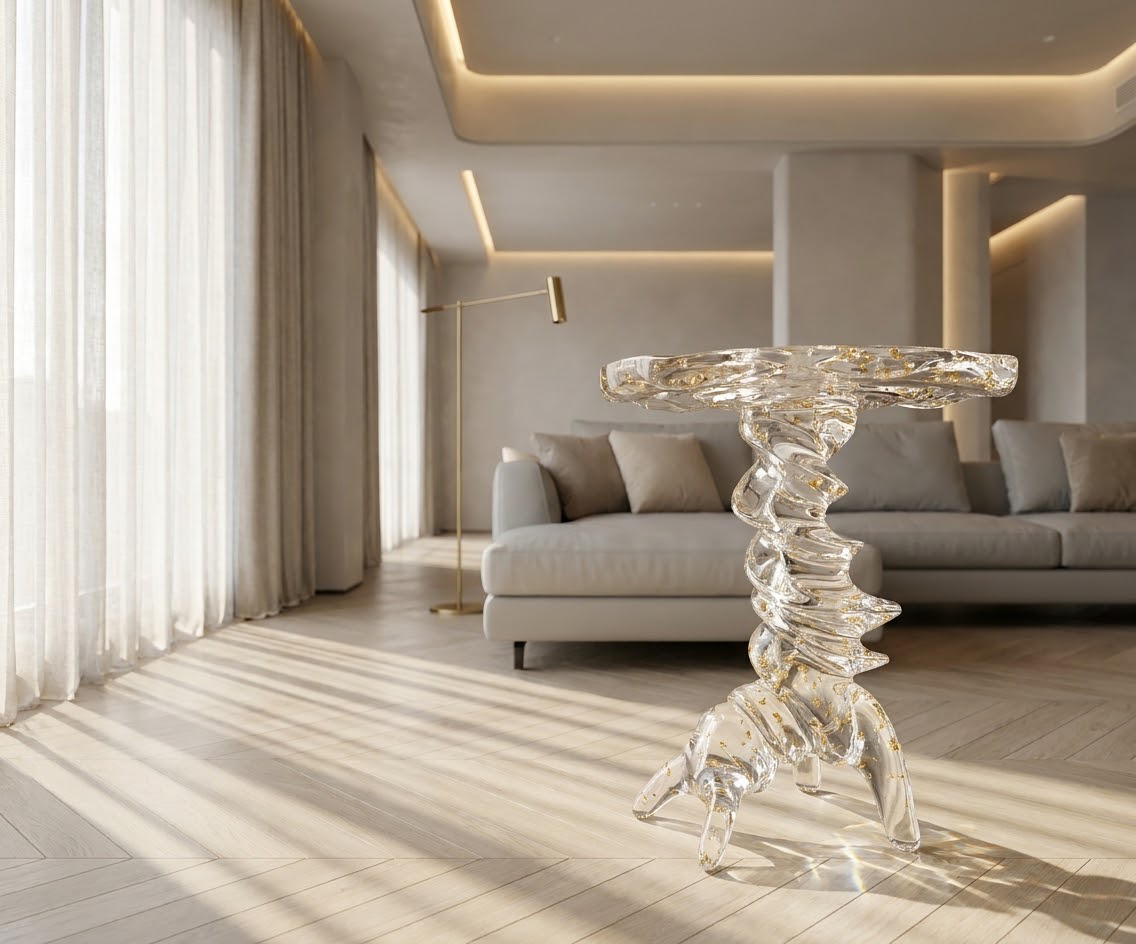
Synthetic crystal furniture is redefining modular design for flexible interior spaces, blending optical elegance with structural versatility. For interior designers seeking innovative, durable solutions that adapt to evolving spatial needs, these pieces offer a unique balance of form and function. This guide explores the material science, design applications, and practical benefits of integrating synthetic crystal pieces into modern modular interiors.
1. Material Foundations: What Makes Synthetic Crystal Furniture Unique
Synthetic crystal furniture (also called artificial crystal furniture) is crafted from engineered crystalline materials that mimic natural quartz’s optical properties while offering enhanced structural consistency. Unlike glass or acrylic, these materials are manufactured under controlled conditions to deliver uniform clarity and performance, making them ideal for high-end modular designs.
1.1 High-Purity Optical-Grade Materials: Core of Premium Performance
High-purity optical-grade materials form the base of top-tier synthetic crystal furniture, with purity levels exceeding 99.9% for leading manufacturers. This high purity eliminates internal imperfections, ensuring consistent light refraction and structural stability across large furniture panels.
Key purity metrics include minimal bubble content (<0.1 per cubic centimeter) and uniform refractive index (1.544–1.553, matching natural quartz)
Production processes use high-temperature sintering and precision cutting to maintain material integrity
1.2 High Surface Hardness: Durability for Long-Term Modular Use
High surface hardness is a defining performance feature of synthetic crystal furniture, with Mohs hardness ratings of 6.5–7, comparable to natural stone. This durability makes pieces resistant to scratches, abrasions, and wear from frequent reconfiguration—critical for modular furniture that is regularly disassembled and rearranged.
Scratch resistance is 3x higher than acrylic and 1.5x higher than tempered glass
Surface porosity is <0.01%, preventing staining from spills and easy cleaning with standard household products
2. Modular Design Synergy: How Synthetic Crystal Enhances Flexible Spaces
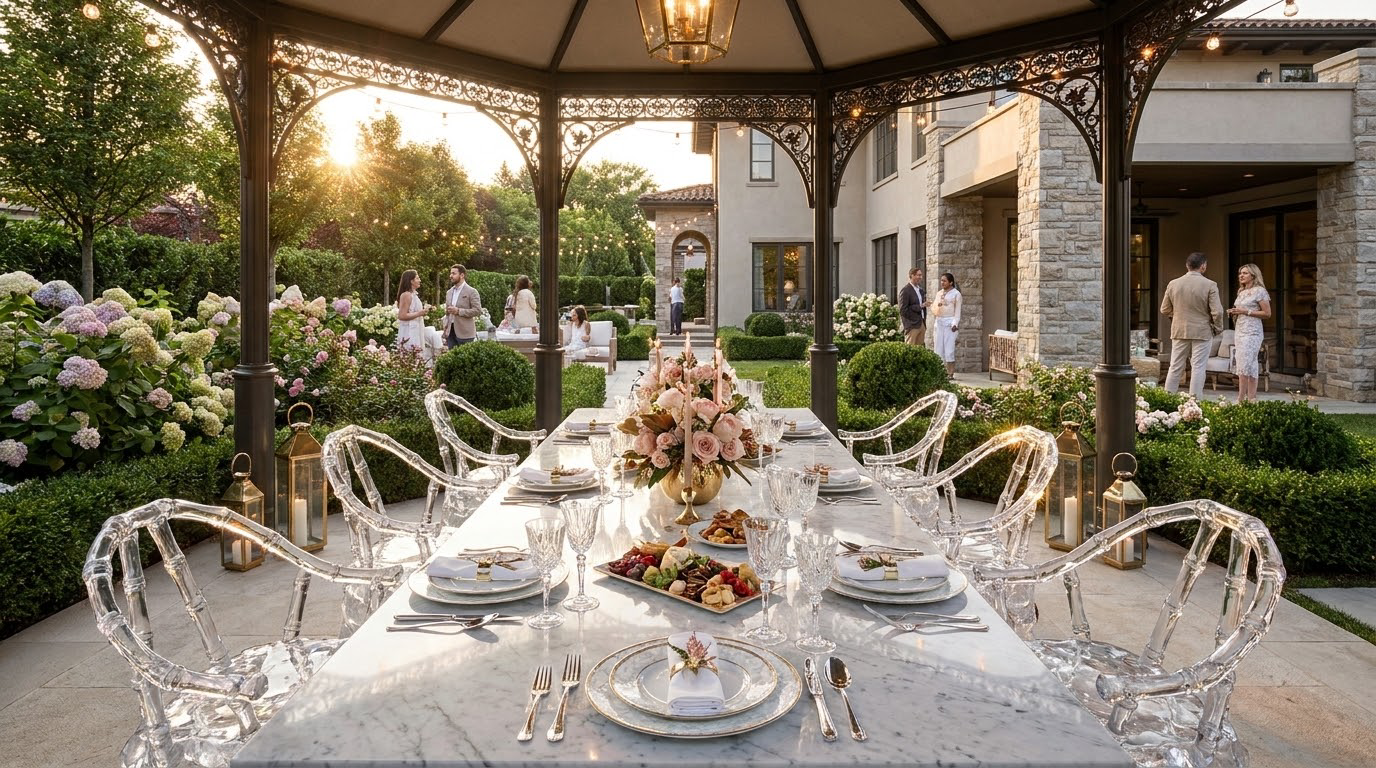
Modular furniture design relies on interchangeable components, easy assembly, and adaptive functionality. Synthetic crystal furniture aligns perfectly with these principles, offering lightweight yet sturdy components that can be reconfigured without compromising aesthetic cohesion.
2.1 Interchangeable Component Design for Custom Layouts
Synthetic crystal tables and chairs can be designed with modular connection systems, allowing interior designers to mix and match components for different spatial needs. For example, a single crystal table base can pair with round, rectangular, or oval tabletop sizes to accommodate dining, work, or event setups.
Common modular connection types include magnetic fasteners, mechanical locking pins, and adjustable height brackets
Components are weight-optimized: a 120cm synthetic crystal tabletop weighs 25% less than an equivalent glass top
2.2 Visual Lightness: Expanding Perceived Space in Compact Interiors
The optical clarity of synthetic crystal creates a visual "lightness" that makes small or crowded spaces feel larger and more open. Unlike solid wood or metal furniture, synthetic crystal pieces allow light to pass through, maintaining sightlines and preserving the flow of flexible multi-use spaces.
In 2023 studio apartment design studies, crystal furniture increased perceived space by 18% compared to opaque modular pieces
Transparent components blend seamlessly with any color palette, reducing the need for full furniture replacements during decor updates
Ideal for co-working spaces, pop-up retail, and residential multipurpose rooms
3. Practical Applications: Use Cases for Interior Designers
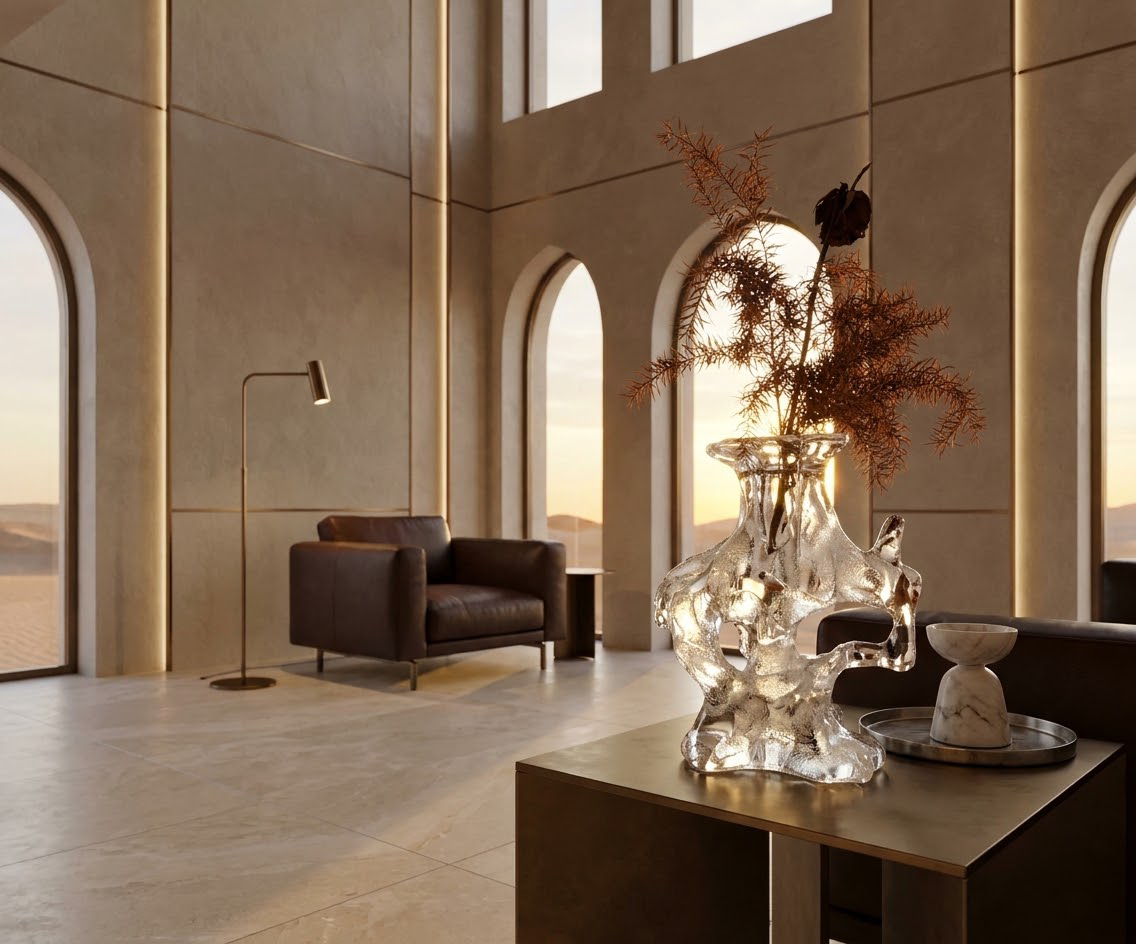
Interior designers across residential, commercial, and hospitality sectors are adopting synthetic crystal furniture to solve common modular design challenges. From compact urban apartments to flexible event spaces, these pieces deliver both style and functionality.
3.1 Residential Flexible Living Spaces
For urban homes where space is limited, synthetic crystal furniture offers adaptable solutions that transition between daily use and guest hosting. A synthetic crystal chair, for example, can be stacked or nested under a table when not in use, then pulled out for dining or work sessions.
Popular residential applications include:
Modular dining sets that expand from 2 to 6 seats
Nesting side tables that adjust to different room layouts
Transparent shelving units that display decor without visual clutter
3.2 Commercial and Hospitality Adaptive Spaces
Commercial spaces like co-working offices and boutique hotels require furniture that can shift between meetings, events, and daily operations. Synthetic crystal furniture’s durability and premium aesthetic make it a top choice for high-traffic flexible environments.
Key commercial use cases include:
Modular conference tables that reconfigure for team workshops or client presentations
Stackable synthetic crystal chairs for event spaces that host 50 to 200 guests
Retail display tables that adjust height for product launches or seasonal collections
4. Design Innovation: Emerging Trends in Synthetic Crystal Modular Pieces
As material technology advances, synthetic crystal furniture is evolving beyond basic tables and chairs to include smart, sustainable, and highly customized modular solutions. These trends are opening new creative possibilities for interior designers.
4.1 Integrated Smart Features for Modern Spaces
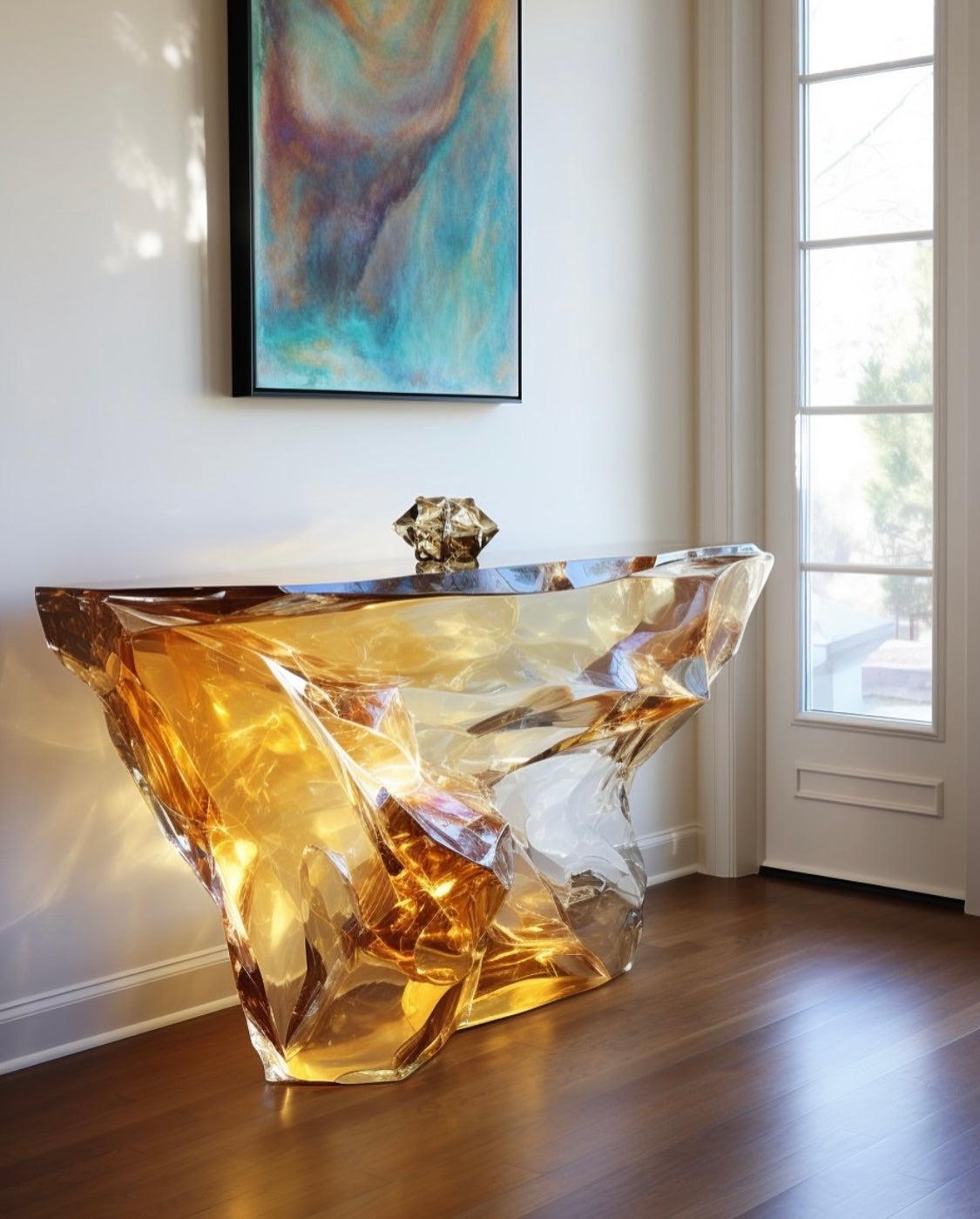
New synthetic crystal furniture designs incorporate embedded technology, such as LED lighting strips along table edges or wireless charging pads built into tabletops. The optical properties of the crystal enhance light diffusion, creating soft, ambient glow without harsh glare.
Smart modular features include:
Color-adjustable LED bases that sync with room lighting systems
Wireless charging zones that work through 2cm-thick crystal surfaces
Modular power outlets that clip onto table edges for flexible workspace setups
4.2 Sustainable Manufacturing and Circular Design
Leading manufacturers are adopting sustainable production methods for artificial crystal furniture, reducing energy use by 32% since 2020 through improved sintering processes. Many brands also offer take-back programs, where old crystal components are melted down and reformed into new modular pieces.
Sustainability metrics for top brands:
40% of raw materials come from post-industrial recycled crystal
Zero-waste cutting processes that reuse 95% of offcuts
10-year product warranties that support long-term use over fast replacement
5. Implementation Guide: Selecting and Specifying Synthetic Crystal Furniture
For interior designers looking to incorporate synthetic crystal furniture into modular projects, careful selection of materials, suppliers, and design configurations is key to long-term success. This guide outlines critical factors to consider during the specification process.
5.1 Key Specifications to Evaluate
When sourcing synthetic crystal tables, chairs, or modular systems, prioritize material quality and structural testing to ensure performance in high-use flexible spaces.
Critical specifications to review:
Mohs hardness rating (minimum 6.5 for commercial use)
Optical purity grade (optical-grade vs. commercial-grade crystal)
Weight load capacity (minimum 50kg for tabletops, 120kg for seating)
Connection system durability (tested for 5000+ assembly cycles)
5.2 Cost and Maintenance Considerations
While synthetic crystal furniture has a higher upfront cost than acrylic or basic wood modular pieces, its long lifespan and low maintenance needs deliver better value over time. For commercial projects, the 10–15 year service life reduces replacement costs significantly.
Cost and maintenance tips:
Budget 20–30% more than high-end glass furniture for premium optical-grade pieces
Clean with microfiber cloths and non-abrasive cleaners to preserve surface clarity
Use protective felt pads on modular connection points to prevent scratching during reconfiguration