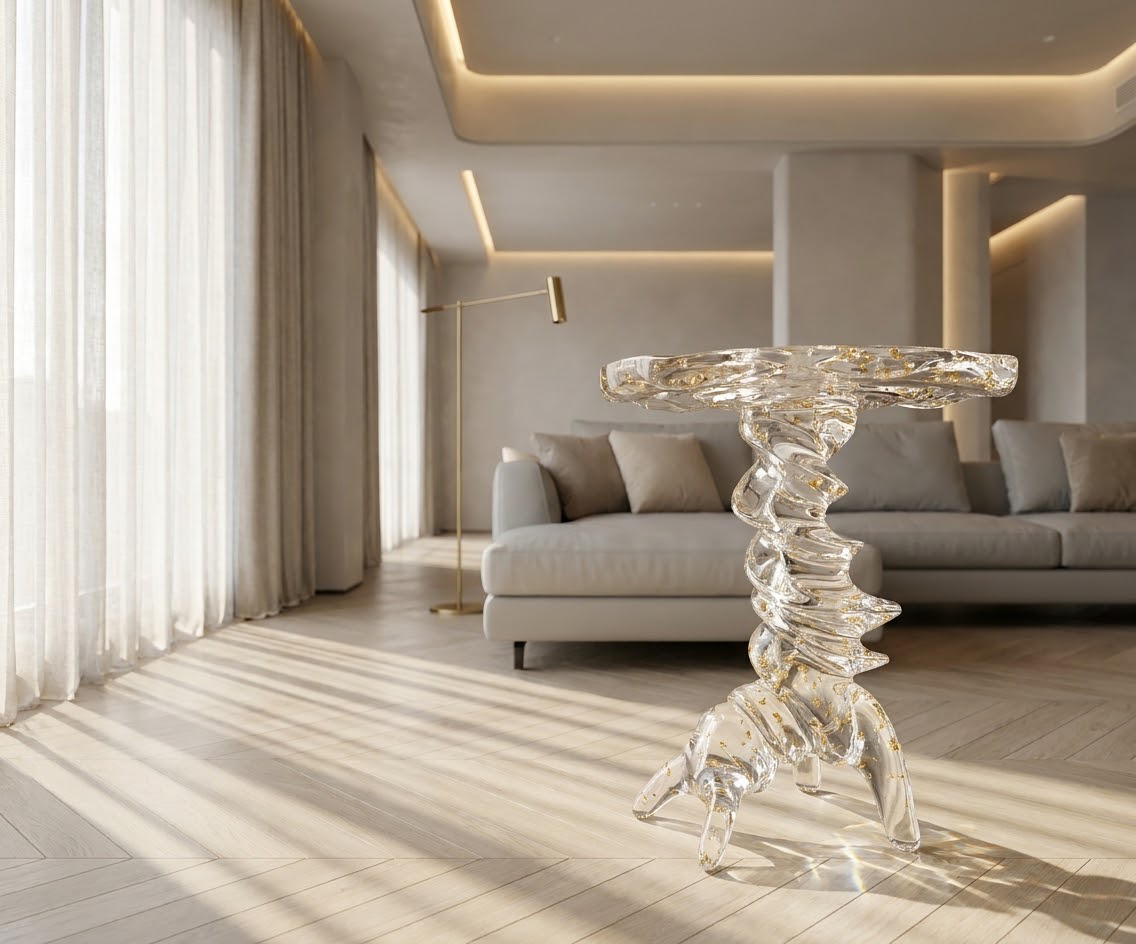
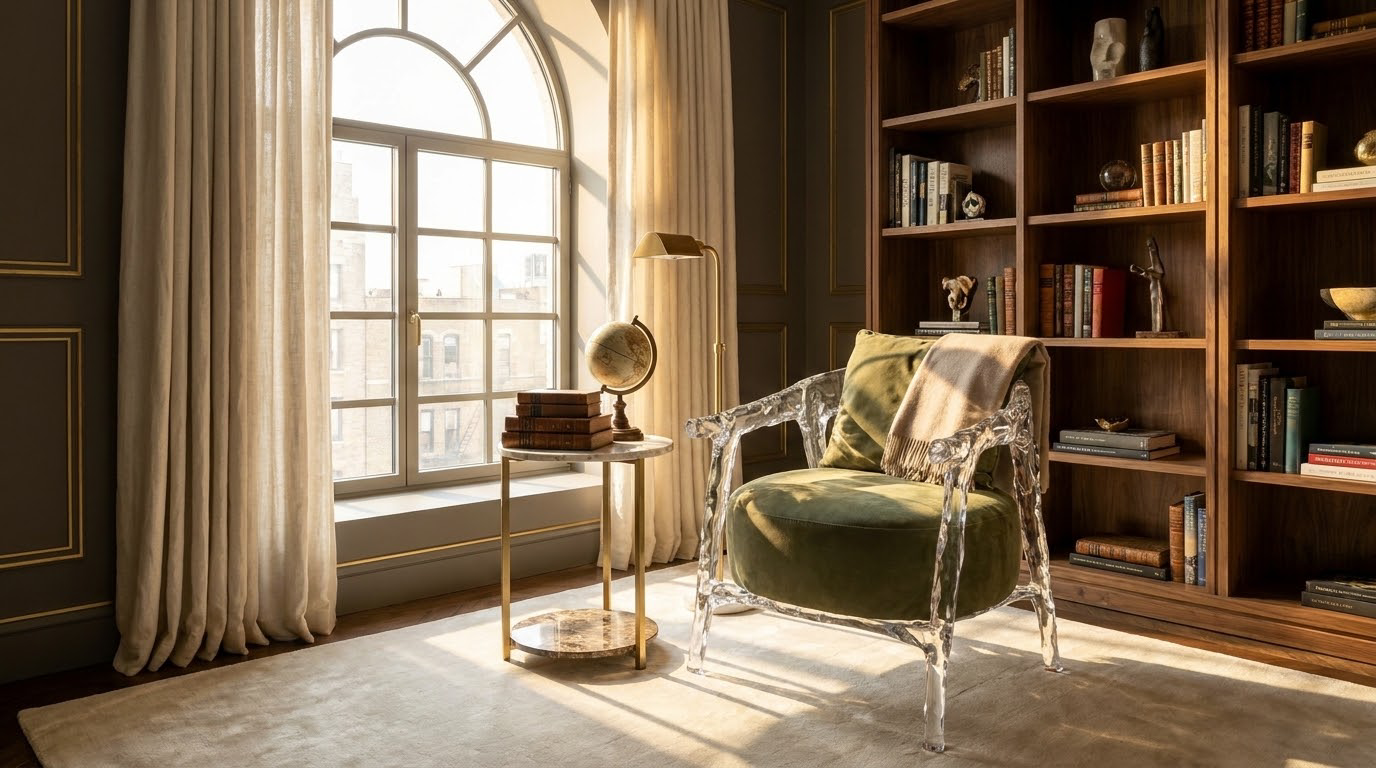
Synthetic crystal furniture is redefining the intersection of luxury interior design and advanced manufacturing, as interior designers increasingly seek innovative materials that balance aesthetic appeal with functional performance. This article explores how high-purity optical-grade materials are integrated into digital design visualization workflows, enabling more precise custom furniture development for high-end residential and commercial spaces.
The Rise of Synthetic Crystal Furniture in Modern Interior Design
Why Interior Designers Are Embracing Artificial Crystal Furniture
Interior designers are shifting toward artificial crystal furniture for its versatility, sustainability, and consistent quality compared to natural crystal.
Unlike natural stone, synthetic variants can be engineered to exact specifications, eliminating the unpredictability of natural veining or structural flaws.
This reliability makes it a top choice for high-end projects where design precision is non-negotiable.
Key benefits driving adoption include:
Customizable color, transparency, and texture to match any design concept
Lower environmental footprint compared to mining natural crystal
Consistent material properties across large-scale production runs
Compatibility with modern digital fabrication techniques like CNC cutting and 3D printing
Performance Advantages of High Surface Hardness in Crystal Furniture
One of the most critical technical benefits of synthetic crystal furniture is its high surface hardness, typically reaching 6-7 on the Mohs scale.
This durability makes it resistant to scratches, stains, and daily wear, outperforming many traditional furniture materials like glass or acrylic.
For high-traffic commercial spaces, this longevity translates to lower long-term maintenance costs.
Common applications where hardness is a key selling point:
Hotel lobby reception desks
Luxury retail display fixtures
Residential dining tables in family homes
Office conference room furniture
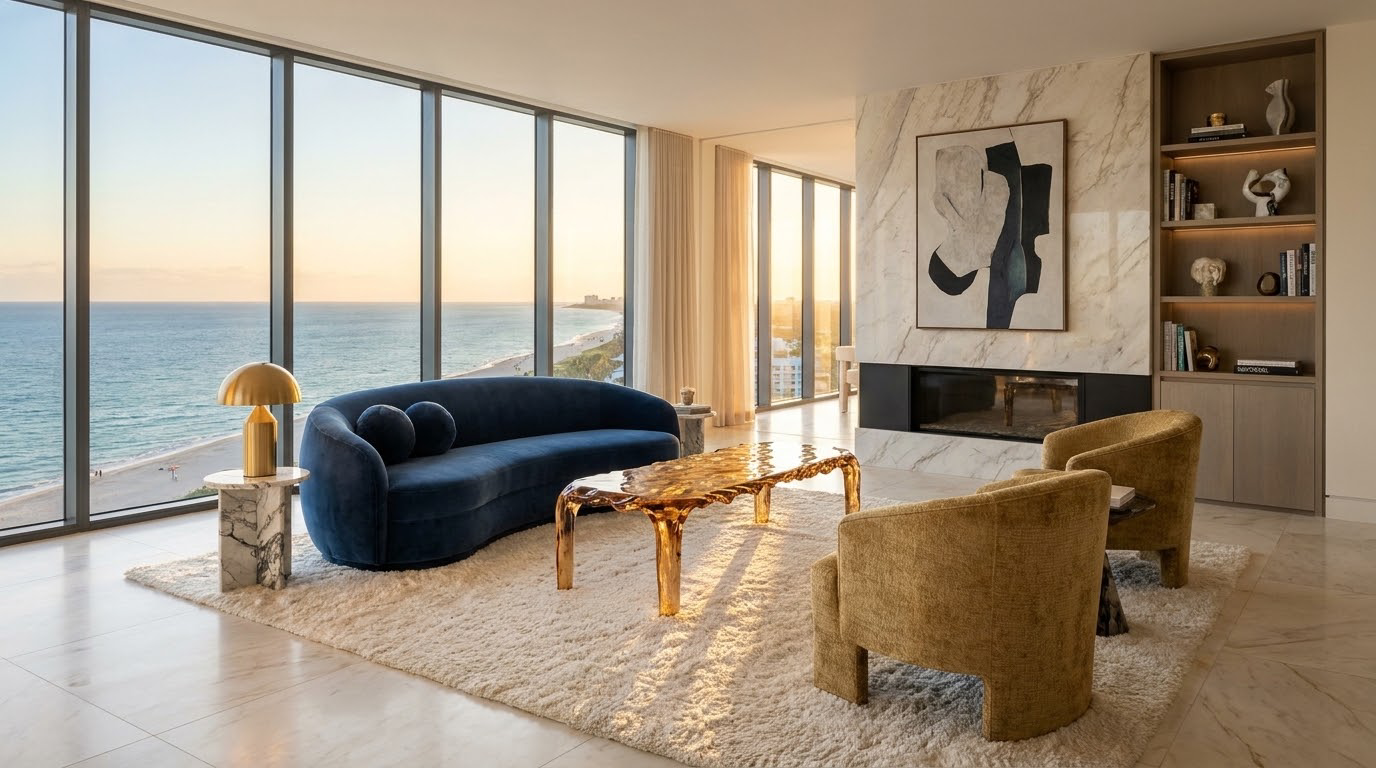
Digital Design Visualization Workflows for Custom Crystal Furniture
Integrating High-Purity Optical-Grade Materials into 3D Rendering Pipelines
High-purity optical-grade materials are the foundation of photorealistic synthetic crystal furniture renderings, as they allow designers to accurately simulate light refraction, reflection, and transparency.
Modern rendering engines like V-Ray and Corona have developed specialized material presets for these materials, reducing the time needed to create lifelike visualizations.
This precision helps clients visualize final products before manufacturing begins, reducing revision cycles.
Critical steps in material visualization setup:
Calibrate refractive index (RI) values to match real synthetic crystal properties
Add subtle internal texture layers to mimic natural crystal depth without inconsistencies
Test lighting scenarios to ensure the material responds realistically to different light sources
Export material libraries for cross-team collaboration on large projects
Parametric Design Tools for Custom Synthetic Crystal Tables and Chairs
Parametric design software has revolutionized the creation of custom synthetic crystal tables and chairs, allowing designers to generate complex geometric forms that would be impossible to create manually.
Tools like Grasshopper and Rhino enable teams to adjust dimensions, patterns, and structural supports in real time, with instant feedback on material usage and structural integrity.
This iterative process speeds up concept development by up to 40% compared to traditional design methods, according to 2024 furniture industry data.
Popular parametric design use cases for crystal furniture:
Lattice-structured table bases that reduce material weight while maintaining strength
Custom chair backrests with organic, flowing shapes
Tabletops with embedded LED lighting channels
Modular furniture systems that can be reconfigured for different spaces
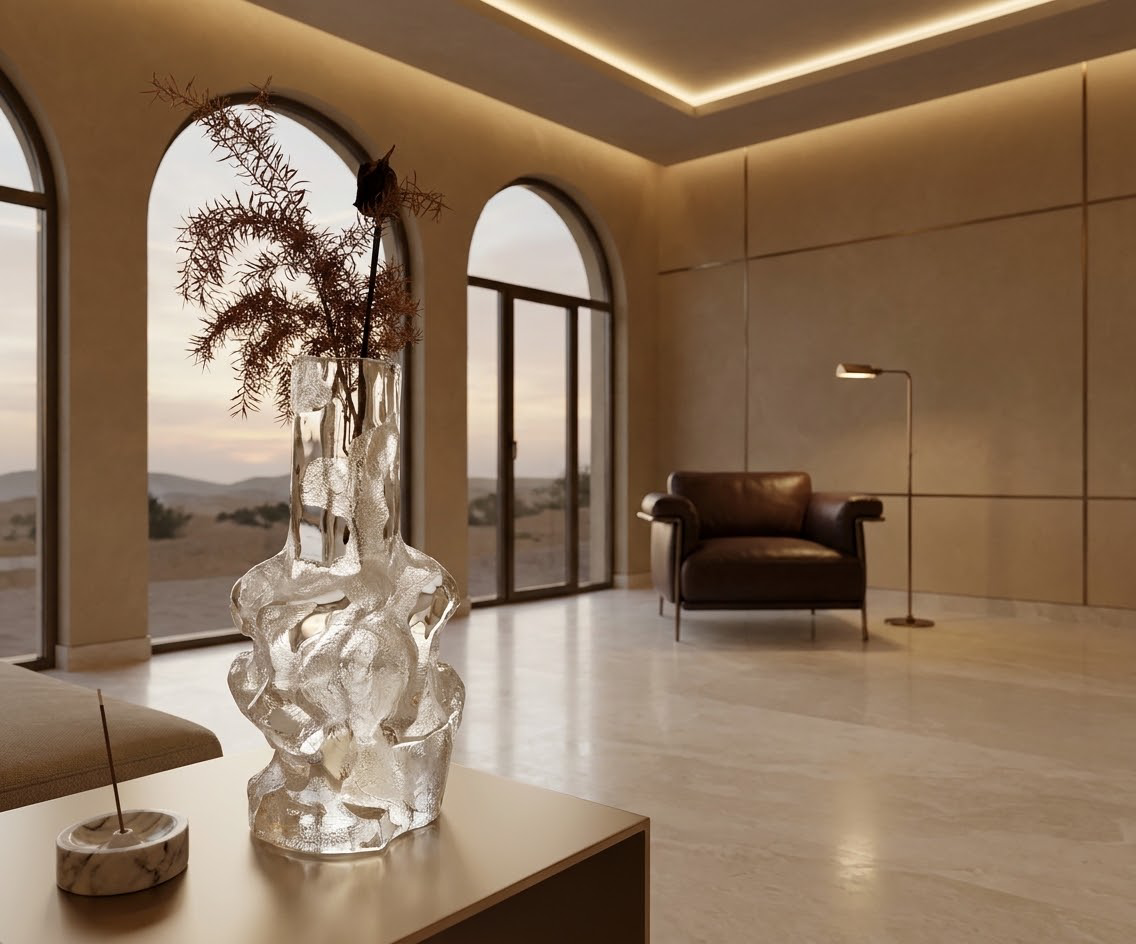
Prototyping and Manufacturing Translation from Digital Models
From 3D Renderings to Physical Synthetic Crystal Furniture Prototypes
The transition from digital models to physical synthetic crystal furniture prototypes requires careful coordination between design teams and manufacturing partners.
Advanced 3D scanning technology is used to verify that physical prototypes match digital specifications within 0.1mm tolerance, ensuring design intent is preserved throughout production.
This precision is especially critical for custom pieces where even minor deviations can impact overall aesthetic and functionality.
Key prototyping validation checks:
Material clarity and color consistency compared to renderings
Structural stability and load-bearing capacity testing
Edge finish and surface smoothness quality control
Light transmission performance verification
Cost and Lead Time Optimization in Custom Furniture Development
Digital design workflows significantly reduce costs and lead times for custom furniture development involving synthetic crystal materials.
By simulating material cutting patterns digitally, manufacturers can reduce material waste by up to 30%, lowering overall production costs.
Additionally, digital prototyping eliminates the need for multiple physical sample iterations, cutting lead times from 8-12 weeks to 3-5 weeks for standard custom pieces.
Factors that impact cost and lead time:
Size and complexity of the furniture piece
Level of customization required for shape or color
Quantity of units being produced
Additional features like lighting integration or metal framing
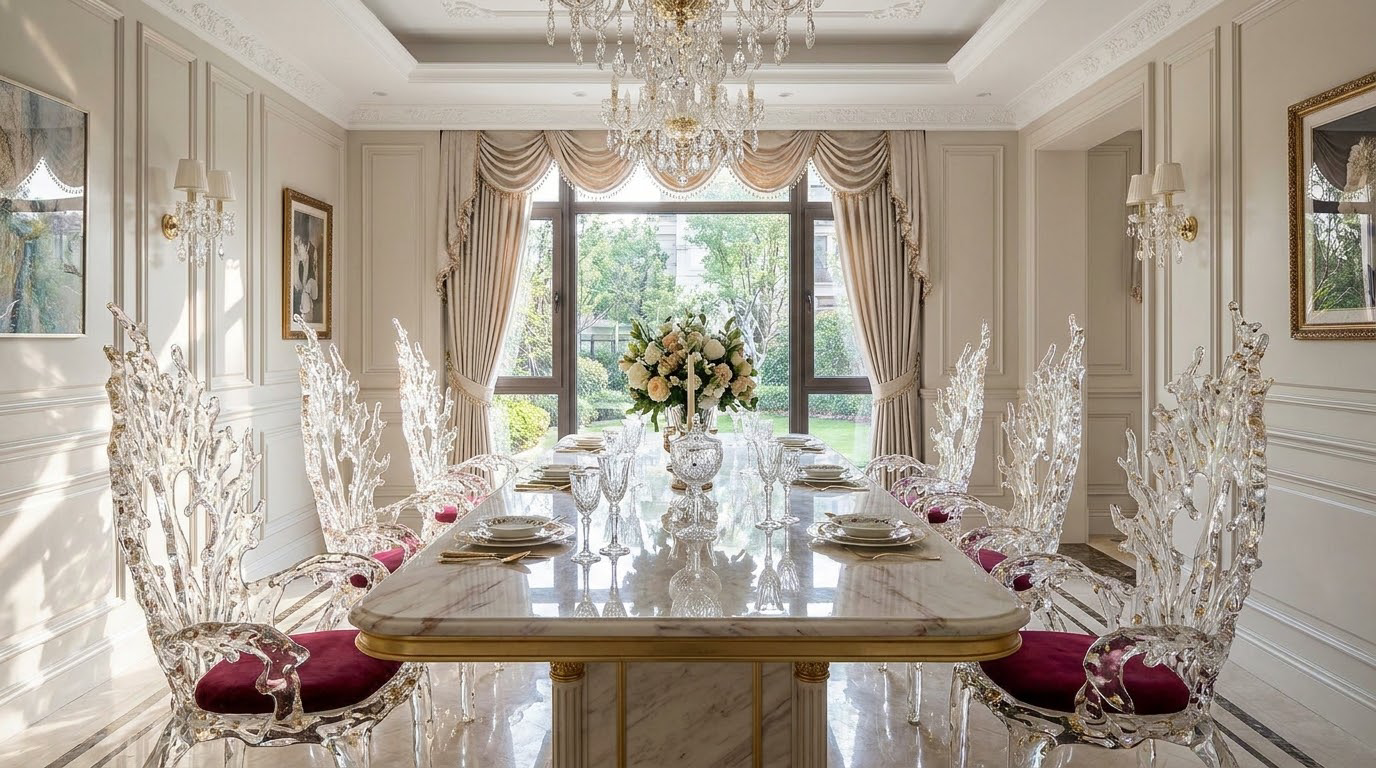
Real-World Applications and Case Studies
Luxury Residential Projects Featuring Synthetic Crystal Tables
Synthetic crystal tables have become a centerpiece in many luxury residential interior design projects, where they serve as both functional furniture and artistic statement pieces.
For example, a 2023 residential project in Beverly Hills featured a 12-foot custom synthetic crystal dining table with a gradient blue tint, designed to complement the home’s oceanfront views.
The piece was visualized in 3D before production, allowing the client to approve the exact color and transparency levels before manufacturing began.
Why synthetic crystal was chosen for this project:
Ability to match specific color palettes requested by the client
High surface hardness to resist damage from daily family use
Lighter weight than natural crystal, making installation easier
Consistent clarity across the entire 12-foot tabletop
Commercial Spaces Using Synthetic Crystal Chairs and Fixtures
Commercial spaces like luxury hotels and high-end retail stores are also adopting synthetic crystal chairs and fixtures to create memorable guest experiences.
A 2024 hotel lobby renovation in Dubai included 20 custom synthetic crystal chairs with gold-plated metal frames, designed to reflect the lobby’s dramatic chandelier lighting.
The chairs were engineered with reinforced internal structures to withstand heavy commercial use while maintaining a delicate, transparent appearance.
Commercial application benefits:
Scratch-resistant surface ideal for high-traffic areas
Easy to clean and maintain for hospitality staff
Customizable to match brand design guidelines
Creates a premium, modern aesthetic that elevates space perception
Future Trends in Digital Design and Crystal Furniture Innovation
Advancements in High-Purity Optical-Grade Material Technology
Ongoing advancements in high-purity optical-grade materials are expanding the possibilities for synthetic crystal furniture design.
New manufacturing techniques are producing materials with even higher clarity, improved UV resistance, and enhanced structural properties, opening up new outdoor and architectural applications.
Researchers are also developing self-healing crystal coatings that can repair minor surface scratches over time, further extending product lifespan.
Upcoming material innovations to watch:
Thermochromic synthetic crystal that changes color with temperature
Photoluminescent variants that glow in low-light conditions
Recyclable synthetic crystal made from 100% post-industrial waste
Ultra-lightweight crystal foam materials for large-scale installations
The Evolving Role of AI in Interior Design Visualization
AI is set to play an increasingly important role in interior design visualization for synthetic crystal furniture, with tools that can generate photorealistic renderings from simple text prompts in minutes.
AI-powered design assistants can also suggest material combinations, structural optimizations, and cost-saving modifications based on project requirements.
For interior designers, this means more time to focus on creative concept development rather than technical rendering work.
AI-driven design capabilities on the horizon:
Automatic material property adjustment based on real-world performance data
Generative design algorithms that optimize furniture shape for both aesthetics and function
Real-time AR visualization that lets clients place virtual crystal furniture in their spaces
Predictive cost estimation tools that provide instant quotes for custom designs
In conclusion, synthetic crystal furniture represents a powerful convergence of advanced materials science and digital design technology, offering interior designers unprecedented creative freedom and functional performance. As high-purity optical-grade materials continue to improve and design tools become more sophisticated, we can expect to see even more innovative applications of artificial crystal furniture in both residential and commercial spaces. For professionals in custom furniture development, embracing these digital workflows and material innovations will be key to staying competitive in the evolving luxury design market.