In the world of high-end furniture design, transparency is becoming an increasingly popular trend. Transparent materials, such as acrylic, glass, and synthetic crystal, offer a sleek and sophisticated look while enhancing the perception of space. Designers often face a challenge when selecting the right material for their projects—each has its own advantages and drawbacks, depending on the specific requirements of the design, functionality, and long-term sustainability.
This article dives deep into a comprehensive comparison between acrylic and other common transparent materials (glass and synthetic crystal), analyzing factors such as cost, performance, durability, and maintenance. Our goal is to help designers, interior decorators, and furniture manufacturers make informed decisions when selecting the most suitable material for their high-end projects.
1. The Growing Popularity of Transparent Furniture
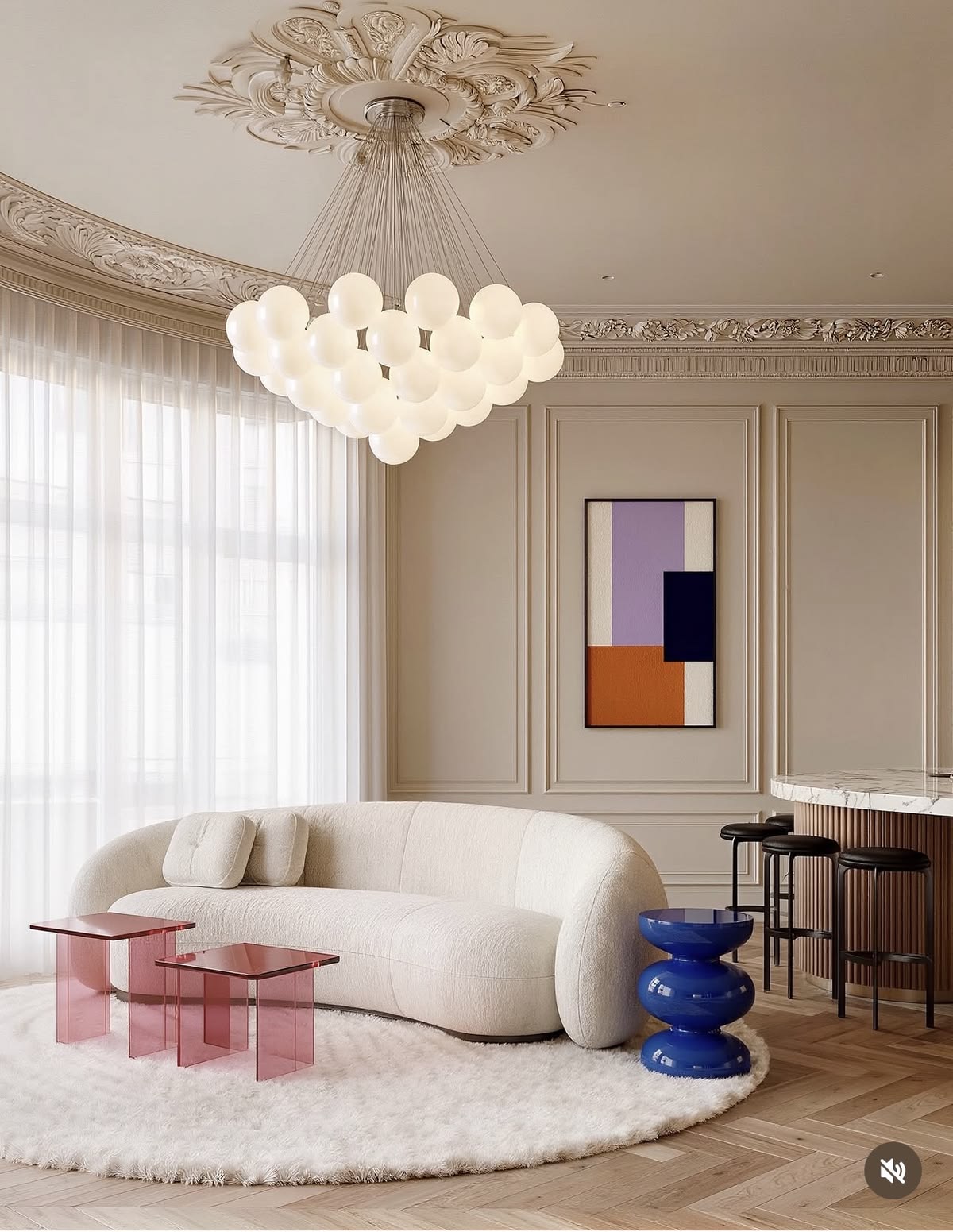
The desire for lightness, clarity, and a sense of openness in interior spaces has led to the rise of transparent furniture. Transparent materials visually open up a space, making it feel larger, brighter, and airier. This is especially important in urban environments or small spaces where maximizing perceived space is a key objective.
While glass has traditionally been the go-to material for transparent furniture, newer materials like acrylic and synthetic crystal are now making waves in the furniture design industry. These materials offer unique benefits that make them competitive alternatives to glass, especially for high-end furniture lines.
2. Acrylic: A Game-Changer in Transparent Materials
Acrylic, also known as PMMA (polymethyl methacrylate), is a synthetic polymer that is often used in place of glass due to its many benefits. Acrylic furniture has become popular in both residential and commercial interiors due to its sleek look, durability, and affordability. But, how does it compare to other transparent materials? Let’s break down the key factors.
Cost: Affordability with Quality
Acrylic is typically more cost-effective than glass and synthetic crystal, making it an attractive choice for designers looking to balance quality and budget. Acrylic can be produced in various forms and sizes with relative ease, making it a versatile material for custom designs.
Acrylic: Generally, acrylic is more affordable than glass and synthetic crystal. The production costs are lower due to its ease of manufacturing.
Glass: Glass is generally more expensive, especially when using thicker glass or tempered glass, which requires more complex production processes.
Synthetic Crystal: This is often the most expensive option, as it requires advanced manufacturing techniques and the use of high-quality materials to achieve its clarity and precision.
Performance: Strength and Resilience
Acrylic stands out for its impact resistance. While it has a reputation for being slightly softer than glass, it is significantly more durable and less prone to shattering. This makes it an excellent choice for high-traffic environments, where furniture might be exposed to wear and tear.
Acrylic: Known for being highly impact-resistant, acrylic is less likely to crack or break when dropped or exposed to force.
Glass: Glass is more fragile and can shatter when subjected to impact. While tempered glass is stronger than regular glass, it still poses a higher risk of breaking.
Synthetic Crystal: Synthetic crystal offers the highest level of clarity and scratch resistance, but it can be fragile, depending on the quality. However, it is more shatter-resistant than regular glass.
Clarity and Visual Aesthetics
When it comes to clarity, both acrylic and glass have their advantages. However, acrylic provides a slight edge in versatility and ease of customization.
Acrylic: Acrylic provides excellent clarity, though it may have a slight yellowing effect over time, especially with exposure to UV light. However, high-quality acrylics can maintain their clarity for years with proper care.
Glass: Glass provides pristine clarity and is often preferred for its pure, unaltered transparency. Glass has a timeless aesthetic, and it does not yellow over time.
Synthetic Crystal: Synthetic crystal offers superior clarity and is known for its brilliance and flawless transparency. It maintains its appearance better than acrylic and is much more scratch-resistant than glass or acrylic.
3. Maintenance and Care: Keeping Your Transparent Furniture Pristine
Maintenance is an essential aspect to consider when selecting materials for high-end furniture. Each material requires a different level of care and attention to ensure longevity and maintain visual appeal.
Cleaning and Upkeep: Simplicity vs. Complexity
One of the most attractive features of acrylic is its ease of maintenance. Unlike glass, acrylic does not require special cleaning solutions or procedures.
Acrylic: Acrylic furniture requires regular cleaning with a soft cloth and mild soap solution. Avoid using abrasive cleaners or harsh chemicals, as these can damage the surface. Acrylic is prone to scratching, so care should be taken to avoid contact with sharp objects.
Glass: Glass is relatively easy to clean, requiring just a glass cleaner and a lint-free cloth. However, glass is more susceptible to smudges and fingerprints, especially in high-traffic areas. Additionally, glass furniture must be handled carefully to prevent scratches and chips.
Synthetic Crystal: Synthetic crystal is the easiest to maintain in terms of scratch resistance, but it does require more careful attention to prevent water spots and smudges. It is more resistant to wear, but still needs to be cleaned regularly using gentle, non-abrasive cleaners.
UV Protection and Long-Term Durability
Acrylic and synthetic crystal are particularly susceptible to UV damage, causing them to yellow or lose clarity over time. However, both materials can be treated for UV protection, which extends their lifespan and helps maintain their aesthetic appeal.
Acrylic: Acrylic is sensitive to UV rays, leading to possible yellowing and surface degradation. However, UV-resistant acrylic is available, which minimizes this issue.
Glass: Glass is immune to UV degradation and retains its transparency without yellowing.
Synthetic Crystal: Synthetic crystal is highly resistant to UV damage and maintains its brilliance and clarity longer than acrylic or glass.
4. Sustainability: A Growing Concern for the Furniture Industry
As sustainability becomes increasingly important in the design world, the environmental impact of materials plays a significant role in the selection process.
Acrylic: Acrylic can be recycled, but it is not biodegradable, and its production process can have an environmental impact due to the use of chemicals. However, as a durable material, it may last longer than other options, reducing waste.
Glass: Glass is 100% recyclable and has minimal environmental impact during the manufacturing process. It is a more sustainable option in terms of raw materials.
Synthetic Crystal: Like glass, synthetic crystal can be recyclable, but its production is energy-intensive, and it is a more resource-heavy material compared to acrylic.
5. Conclusion: Choosing the Right Transparent Material for Your Designs
When selecting the best transparent material for your high-end furniture designs, it’s important to consider the specific needs of the project. Each material—whether acrylic, glass, or synthetic crystal—has its advantages and trade-offs in terms of cost, performance, clarity, maintenance, and sustainability.
Acrylic is an excellent option for designers seeking a balance between affordability, impact resistance, and versatility, especially in applications where the furniture might face heavy use.
Glass provides superior clarity and a timeless aesthetic, making it ideal for minimalist, high-end designs where purity of material is key.
Synthetic Crystal offers the highest clarity and scratch resistance, along with a luxurious look that is perfect for exclusive pieces.
Ultimately, the decision comes down to project requirements, budget, and the desired visual effect. Whether you’re creating sleek, modern furniture for a luxury apartment or designing timeless pieces for a commercial space, understanding the properties of each material will ensure that you make the best choice for your design.
The real question is: Are you ready to push the boundaries of your designs and explore how transparent materials like acrylic and synthetic crystal can elevate your next project to new heights of elegance and functionality?
This comprehensive guide to transparent materials will help you not only choose the right material for your designs but also understand how each material fits into the bigger picture of your brand’s values, your design philosophy, and the expectations of your customers.