In the world of high-end furniture design, transparent materials are becoming increasingly popular due to their sleek, modern look and ability to enhance spatial aesthetics. Whether you are designing luxurious residential spaces or commercial environments, understanding the characteristics of various transparent materials—such as acrylic, glass, and synthetic crystal—can make a significant impact on the success of your design project.
This article aims to provide a detailed performance comparison of these materials, helping high-end furniture designers and interior designers navigate their options. Through this guide, you will gain a clear understanding of each material's strengths, weaknesses, and best-use cases, allowing you to make informed decisions when choosing the right transparent material for your next design project.
Let’s dive into the key performance metrics for acrylic, glass, and synthetic crystal, and visualize how these materials compare in terms of cost, clarity, impact resistance, maintenance, sustainability, and aesthetic appeal.
1. Transparent Materials Overview
Before jumping into the comparison, let’s briefly discuss the most common transparent materials used in high-end furniture design.
Acrylic
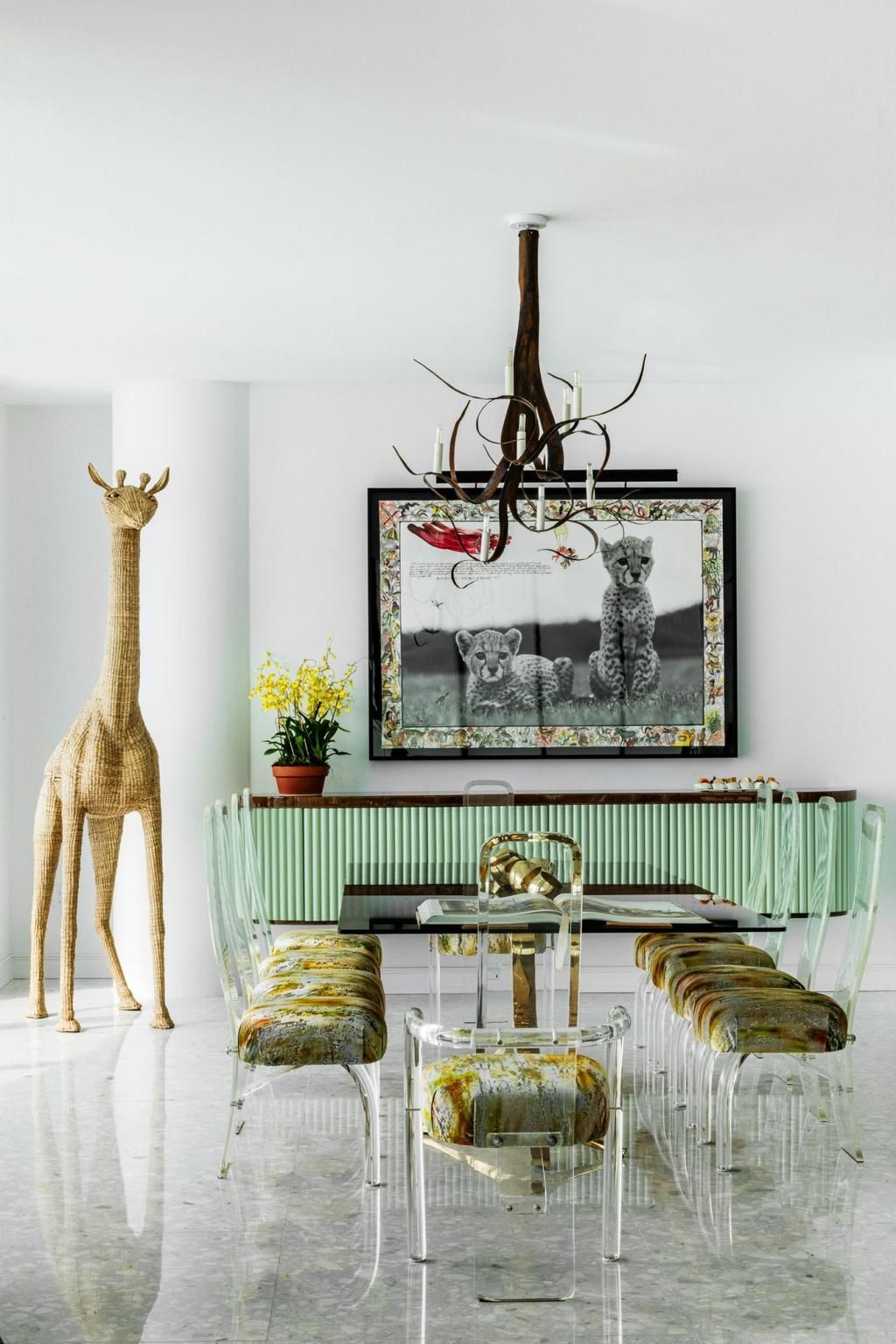
Acrylic, also known as PMMA (Polymethyl Methacrylate), is a synthetic polymer that is commonly used in furniture for its affordability, clarity, and durability. Acrylic can be molded into various shapes and sizes, making it a versatile choice for a wide range of furniture designs.
Key Benefits: Cost-effective, lightweight, impact-resistant, easy to mold
Key Drawback: Prone to scratching, can yellow over time if exposed to UV light
Glass
Glass has been a staple material in interior design for centuries due to its timeless aesthetic and excellent clarity. While heavy, it is often used in luxury designs for its sophisticated look and ability to reflect light.
Key Benefits: Superior clarity, premium look, timeless aesthetic
Key Drawback: Fragile, heavy, prone to smudges and fingerprints
Synthetic Crystal
Synthetic crystal, often referred to as engineered crystal, is a premium material used in high-end furniture. It provides exceptional clarity, scratch resistance, and a luxurious, high-quality appearance. It is more expensive than acrylic and glass but is highly valued for its elegance.
Key Benefits: High clarity, scratch-resistant, luxurious aesthetic
Key Drawback: Expensive, can be more fragile than acrylic
2. Key Performance Metrics for Transparent Materials
Now let’s take a closer look at the key factors to consider when choosing between acrylic, glass, and synthetic crystal for your designs.
Cost
Cost is always a critical factor when choosing materials for high-end furniture. Each material offers different price points based on its production process, availability, and market demand.
| Material | Cost | Explanation |
|---|---|---|
| Acrylic | Low | Acrylic is the most affordable option due to its relatively simple production process and lower material costs. |
| Glass | Medium | Glass is more expensive than acrylic, especially for thicker or tempered glass. The cost varies depending on thickness and quality. |
| Synthetic Crystal | High | Synthetic crystal is the most expensive of the three, due to its high-quality manufacturing process and superior clarity. |
Clarity and Aesthetic Appeal
Clarity is often the most important factor when choosing transparent materials, especially for luxury furniture. It impacts how light interacts with the piece, the sense of openness it creates in the space, and how other design elements are perceived.
| Material | Clarity | Explanation |
|---|---|---|
| Acrylic | Good | Acrylic provides good clarity but can yellow or degrade over time, especially with prolonged exposure to UV light. |
| Glass | Excellent | Glass offers the highest clarity, providing a pristine, pure, and unaltered transparent appearance. It remains clear for years without yellowing. |
| Synthetic Crystal | Excellent | Synthetic crystal offers superior clarity, often surpassing glass in brilliance, and does not yellow or degrade over time. |
Impact Resistance and Durability
When designing furniture, durability is key—especially for high-end pieces that are intended to last for many years. Impact resistance and overall durability will determine how well the material holds up in high-traffic areas and how prone it is to damage.
| Material | Impact Resistance | Explanation |
|---|---|---|
| Acrylic | High | Acrylic is known for its high impact resistance. It is less likely to break or shatter compared to glass. |
| Glass | Low to Medium | Glass is more fragile and can easily shatter under impact. However, tempered glass is more durable and resistant to breakage. |
| Synthetic Crystal | Medium to High | Synthetic crystal is more durable than regular glass but can be fragile, especially with heavier impacts. It is more resistant to scratches compared to acrylic and glass. |
Maintenance and Care
Maintenance is essential for keeping furniture looking pristine over time. Transparent materials can attract smudges, fingerprints, and dirt, which can diminish the aesthetic quality. Understanding the cleaning and maintenance needs of each material is essential to ensure long-term durability.
| Material | Maintenance | Explanation |
|---|---|---|
| Acrylic | Moderate | Acrylic requires regular cleaning with non-abrasive cleaners to prevent scratches. It can yellow over time, especially with UV exposure. |
| Glass | High | Glass requires frequent cleaning to remove fingerprints and smudges. It’s also more prone to scratching and breaking, making it more high-maintenance. |
| Synthetic Crystal | Low to Moderate | Synthetic crystal is easy to maintain and requires minimal cleaning. It is highly resistant to scratches, but may show smudges or water spots, especially in high-traffic areas. |
Sustainability
Sustainability is a growing concern in the furniture industry. The environmental impact of materials, including production, longevity, and recyclability, is becoming increasingly important for consumers and manufacturers alike.
| Material | Sustainability | Explanation |
|---|---|---|
| Acrylic | Low to Medium | Acrylic is not biodegradable and can be difficult to recycle. However, it is lightweight, which can reduce energy use during transport. |
| Glass | High | Glass is 100% recyclable and has minimal environmental impact during production, making it one of the more sustainable transparent materials. |
| Synthetic Crystal | Medium to High | Synthetic crystal is not biodegradable, but it is recyclable. Its manufacturing process can be energy-intensive, but it is more durable, meaning fewer replacements are needed over time. |
3. Summary: Choosing the Right Transparent Material
When deciding between acrylic, glass, and synthetic crystal for your high-end furniture designs, the key factors to consider include cost, clarity, impact resistance, maintenance, and sustainability. Here's a quick recap of each material’s strengths and weaknesses:
Acrylic: The most affordable and versatile option with high impact resistance, but may yellow over time and require more maintenance.
Glass: Offers superior clarity and a timeless aesthetic but is more fragile and higher maintenance.
Synthetic Crystal: The highest in terms of clarity, scratch resistance, and luxury, but it comes at a higher cost and can be fragile.
Each of these materials can be the perfect choice depending on your project’s needs. If you are looking for a budget-friendly option with durability, acrylic is ideal. If clarity and timeless design are a priority, glass is the best choice. And if you want premium quality and elegance, synthetic crystal will provide the level of luxury you need.
4. Conclusion: The Future of Transparent Furniture
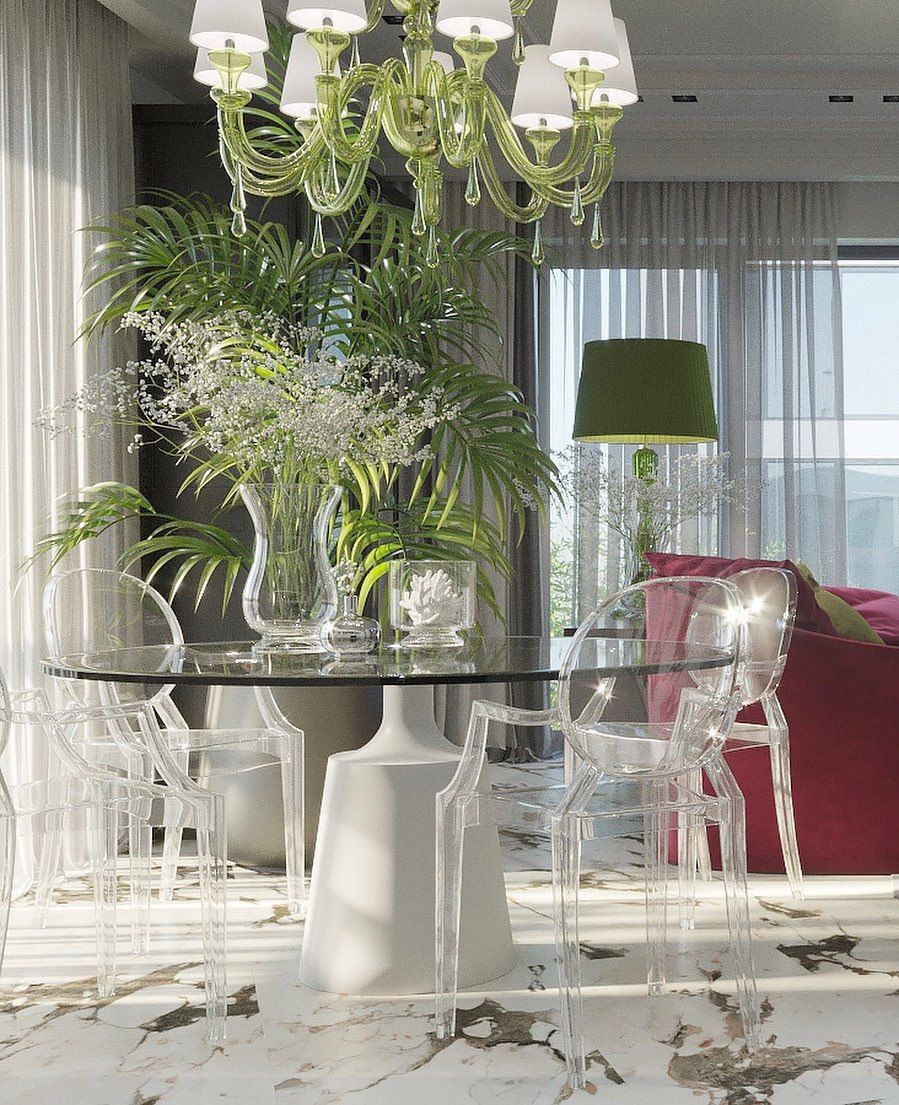
The demand for transparent furniture is on the rise as consumers seek materials that offer both beauty and functionality. Acrylic, glass, and synthetic crystal each have unique properties that make them suitable for different design needs. By understanding the strengths and limitations of each, designers can make more informed choices and deliver exceptional pieces that align with both aesthetic and practical considerations.
As the market for high-end furniture continues to evolve, understanding transparent materials will give designers an edge in creating functional, elegant, and timeless pieces. Transparent materials are here to stay, and the future of furniture design will undoubtedly benefit from the innovation and versatility they offer.
The final question is: Are you ready to elevate your next design project with the perfect transparent material? Understanding the materials’ strengths and weaknesses will allow you to make the best decision for your clients and create lasting pieces that stand the test of time.