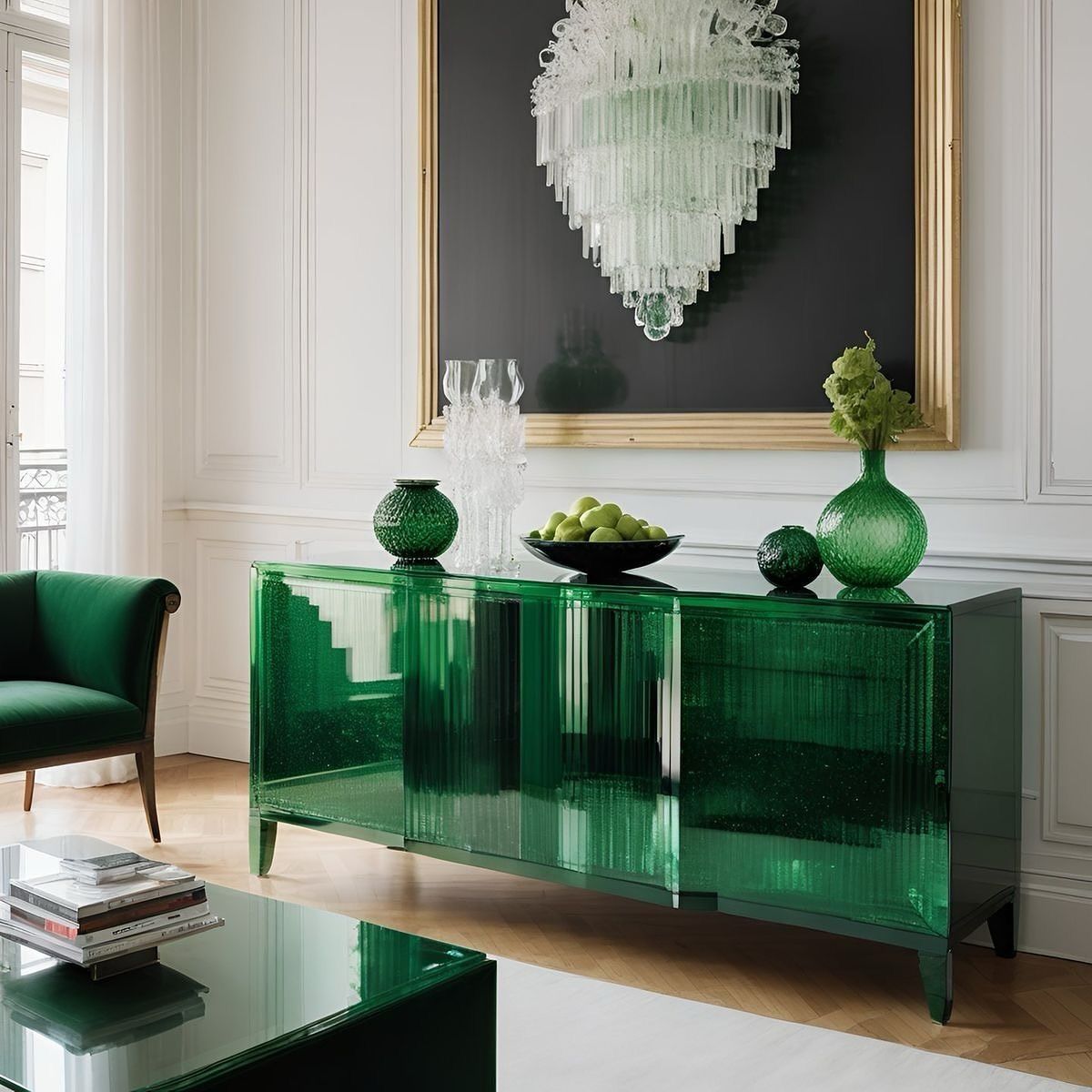
In the world of high-end furniture design, the materials you choose not only define the aesthetics but also significantly influence the functionality and longevity of your pieces. Among the most sought-after materials today are transparent materials—acrylic, glass, and synthetic crystal—which are favored for their sleek, modern appearance and ability to open up spaces. As designers, creating a compelling visual representation of these materials is key to educating clients and consumers about the benefits of each option, as well as their suitability for various design projects.
This article will explore how to effectively use visual comparisons to showcase the differences between transparent materials, guiding designers and interior decorators through the process of material selection. By understanding the visual properties, aesthetic effects, and applications of acrylic, glass, and synthetic crystal, you can elevate your designs and create an experience for your clients that resonates with both functionality and elegance.
1. Why Visual Education Matters in Material Selection
In interior design, materials do more than fulfill a functional need; they also communicate quality, style, and brand identity. Transparent materials—acrylic, glass, and synthetic crystal—each possess unique qualities that contribute to the overall mood, lightness, and perception of space. Visual displays allow you to demonstrate the impact of each material in a more immediate, understandable way than text-based comparisons alone.
For designers, clients, and stakeholders, understanding how each material behaves in different lighting conditions and spaces is crucial. The right material can make a design pop, create focal points, and even influence the size perception of a room. Using interactive visual tools to compare materials lets clients experience their properties in real time, guiding them toward more informed decisions.
2. Key Visual Differences Between Acrylic, Glass, and Synthetic Crystal
Before diving into specific display techniques, it’s essential to understand the visual characteristics of acrylic, glass, and synthetic crystal. Each material, though transparent, has distinct qualities that affect how light interacts with it.
Acrylic: Versatile, Lightweight, and Impact-Resistant
Acrylic is a synthetic polymer known for its versatility and durability. It’s lighter than glass, easier to mold, and more resistant to shattering. Acrylic is commonly used in furniture because it offers high impact resistance, making it a practical choice for high-traffic environments.
Visual Effect: Acrylic, while clear, has a slight softness to its transparency. It can be molded into complex shapes with ease, which makes it popular for modern designs.
Aesthetic Consideration: Acrylic tends to have a more plastic-like finish, which may appear less “premium” compared to glass or synthetic crystal but can still have a high-end, sleek appearance in the right context.
Lighting Interaction: Acrylic, due to its light weight and flexibility, can be used in backlit designs to create unique lighting effects, making it a popular material for modern, illuminated furniture.
Glass: Timeless, Elegant, and Pure
Glass has been the material of choice for high-end furniture for centuries, particularly in the form of glass tabletops, shelves, and display cases. Its clarity and premium feel make it a favorite for luxury designs.
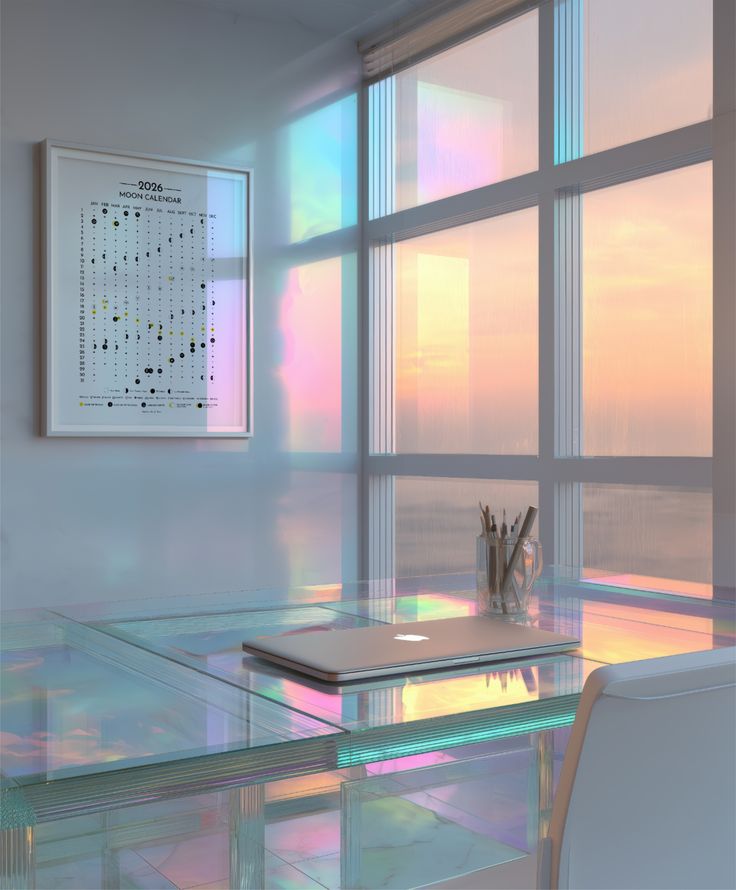
Visual Effect: Glass is crystal clear and offers the highest level of optical clarity among transparent materials. It does not distort or soften light, creating a sharp, unblemished view.
Aesthetic Consideration: Glass has a premium, timeless appeal. It’s often used for pieces where the visual impact is critical—whether in high-end office environments or luxurious residential interiors.
Lighting Interaction: Glass reflects light more than acrylic, creating beautiful reflections and subtle diffusions. However, it is also prone to fingerprints and smudges, which can disrupt its pristine look.
Synthetic Crystal: Luxurious, High Clarity, and Durable
Synthetic crystal is a premium material designed to emulate the best qualities of glass while offering more resistance to scratches and impacts. It provides an exceptionally clear, brilliant finish that can elevate the aesthetic of any piece of furniture.
Visual Effect: Synthetic crystal offers the highest level of clarity and brilliance, often outperforming glass in terms of optical quality. Its high refractive index creates an almost diamond-like shine.
Aesthetic Consideration: As the most luxurious of the three materials, synthetic crystal provides a high-end, refined look that is perfect for exclusive, high-value furniture pieces.
Lighting Interaction: The reflective properties of synthetic crystal make it an excellent material for luxury furniture where light interaction can enhance its visual appeal, making it shimmer in high-end settings.
3. Creating Effective Visual Displays for Material Comparison
Now that we understand the distinct visual characteristics of each material, let’s look at how to create interactive and educational visual displays that help clients understand the key differences. The following methods can be particularly effective in showcasing transparent materials in real-world applications.
3.1. Side-by-Side Physical Comparisons
One of the simplest yet most effective ways to compare materials is through side-by-side physical displays in your showroom or virtual environment. Place samples of acrylic, glass, and synthetic crystal next to one another so clients can immediately observe the differences in clarity, thickness, and light interaction.
Lighting Setup: Use adjustable lighting (e.g., overhead, direct, or backlighting) to show how each material interacts with light. Acrylic might glow under backlighting, while glass may reflect light more strongly.
Texture and Finish: Allow clients to touch and feel the materials (if possible), as the texture of acrylic, for example, can feel smoother or more polished than glass.
3.2. High-Quality Renderings and 3D Models
In the digital age, high-quality 3D visualizations and renderings allow designers to showcase how materials behave in real-world settings. For transparent materials, this can help highlight how light and shadows play off surfaces.
Interactive 3D Models: Provide clients with interactive models that allow them to change the lighting angle or material of a piece to see how acrylic, glass, and synthetic crystal perform in different environments.
Realistic Textures: Use realistic textures and lighting in your renders to simulate the way each material looks in different spaces, such as living rooms, offices, or showrooms.
3.3. Augmented Reality (AR) and Virtual Reality (VR)
For a truly immersive experience, consider using AR and VR technologies to let clients “experience” transparent furniture designs. Clients can use their smartphones or VR headsets to place virtual furniture pieces in their space and visualize how different transparent materials will look.
AR Apps: These apps can let clients superimpose virtual furniture into their existing space, helping them see how acrylic, glass, and synthetic crystal fit in with their color schemes, lighting, and room size.
VR Showrooms: VR showrooms allow clients to explore entire collections of transparent furniture, providing them with an immersive environment to compare materials interactively.
3.4. Detailed Visual Comparison Charts
Sometimes, a simple yet effective visual chart or infographic can break down the pros and cons of each material in a way that’s easy for clients to digest.
Clarity Comparison: Create a side-by-side comparison of the clarity of each material by showing how light passes through and reflects off the surface.
Durability and Maintenance: Provide a visual representation of how each material reacts to wear and tear, such as how easily they scratch, maintain their clarity, or respond to exposure to UV light.
4. Practical Applications of Transparent Materials in Design
When considering transparent materials for furniture design, it's essential to match the material to the functional needs of the space as well as the aesthetic vision. Here are some key considerations for each material:
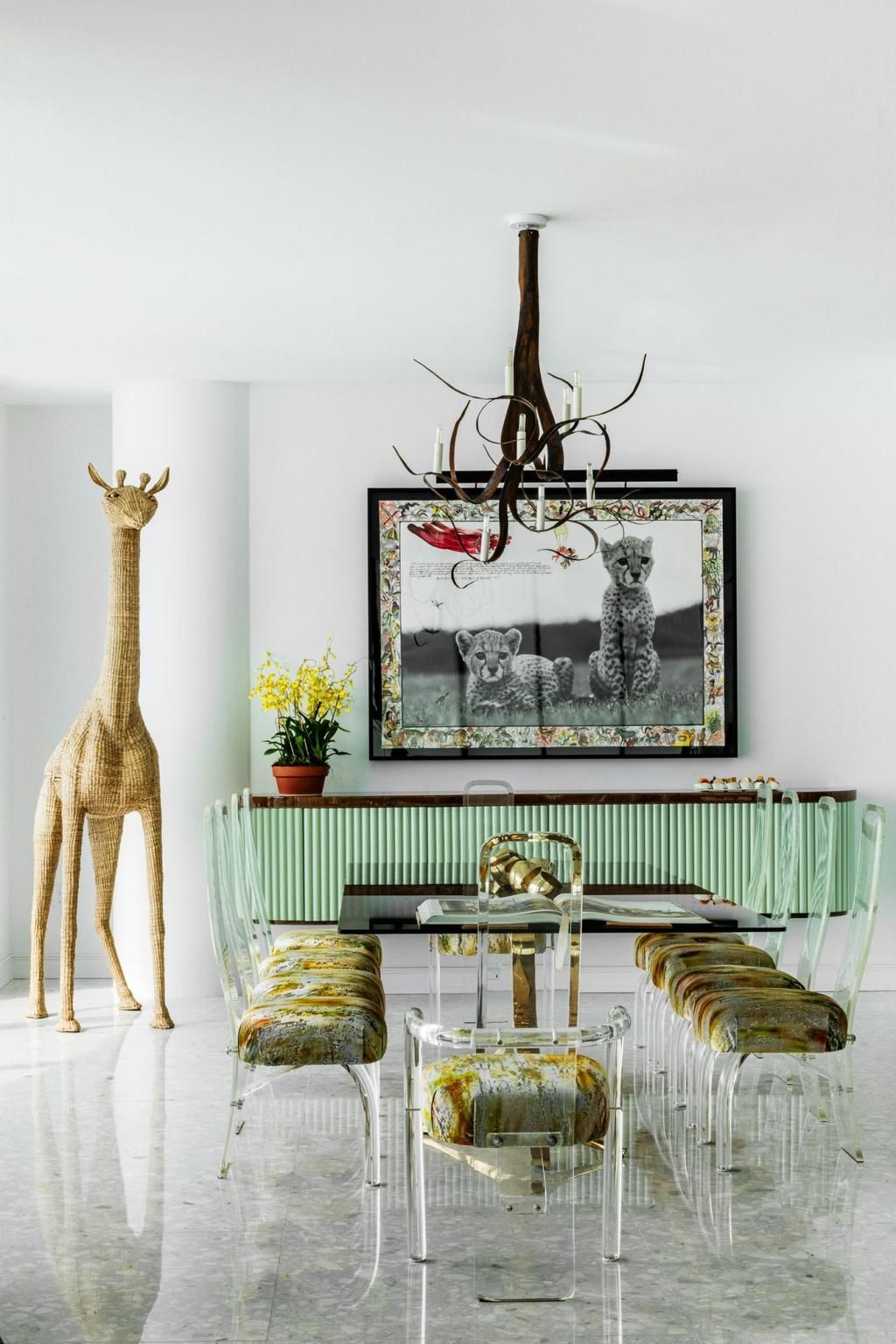
Acrylic: Ideal for modern and budget-conscious projects. It's perfect for contemporary furniture, shelving, and home décor pieces. Acrylic’s versatility makes it suitable for interactive and customizable designs.
Glass: Best suited for luxury, traditional, and timeless designs. Glass is perfect for high-end furniture pieces that require a high level of clarity and elegance, such as dining tables, display cases, and premium shelving.
Synthetic Crystal: The go-to material for exclusive and premium furniture. Synthetic crystal works well in high-end design projects that demand superior clarity, durability, and aesthetic appeal, such as luxurious coffee tables, light fixtures, and art pieces.
5. Conclusion: The Power of Visual Education in Material Selection
Selecting the right transparent material for furniture design involves understanding the unique characteristics of each material—whether it's acrylic, glass, or synthetic crystal. However, presenting these materials through interactive visual displays gives clients a deeper understanding of how these materials will perform in their spaces.
Using tools like side-by-side comparisons, realistic 3D renderings, and immersive AR and VR experiences, designers can showcase the benefits and drawbacks of each material, enabling clients to make informed decisions that align with their needs and design goals.
The final question is: Are you ready to incorporate visual education into your material selection process and create truly interactive experiences for your clients? Embrace the power of visuals, and elevate your next project with the perfect transparent material.