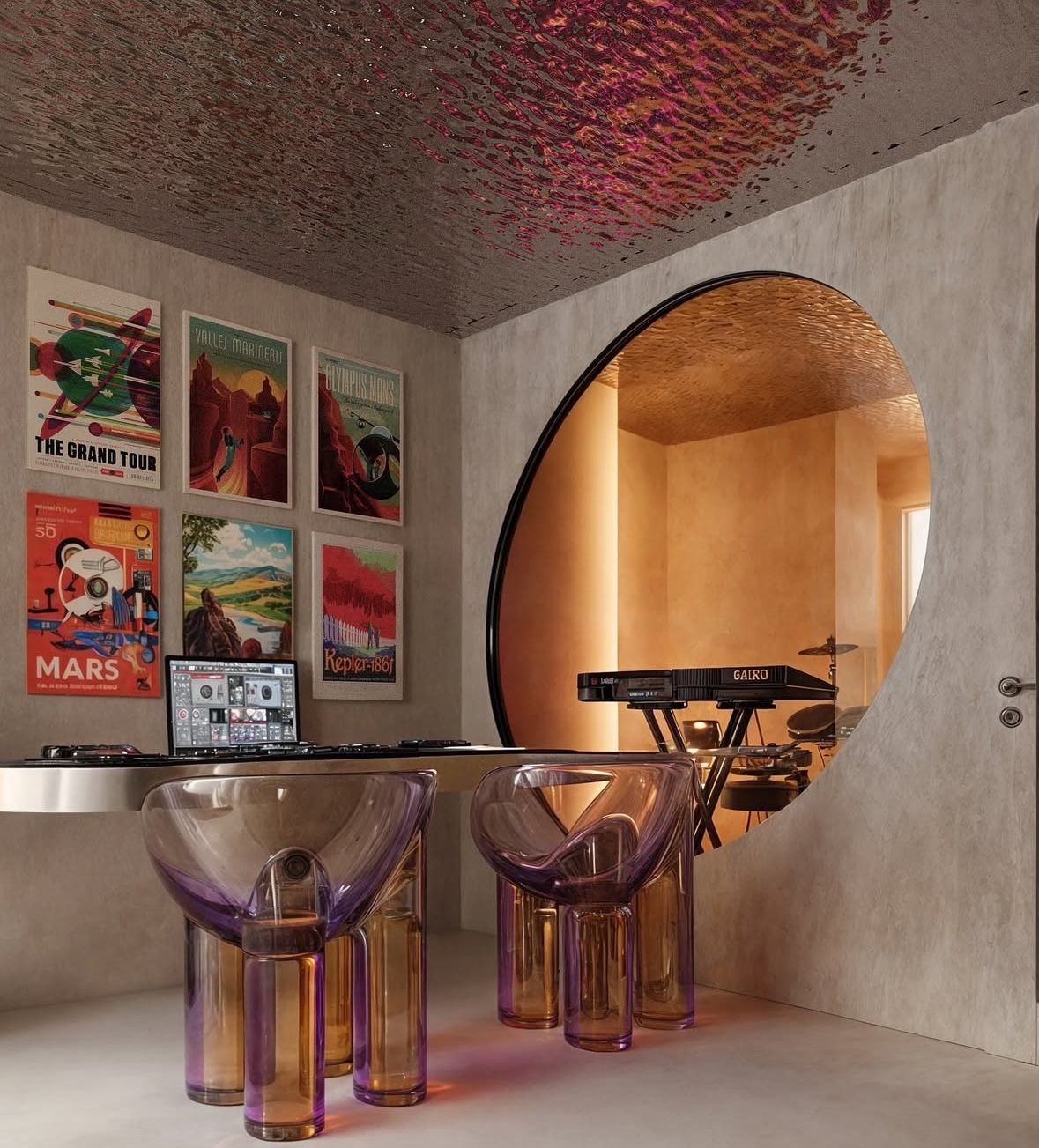
In high-end furniture design, the choice of materials is more than just an aesthetic decision—it's a reflection of the functionality, sustainability, and long-term value of a piece. Transparent materials such as acrylic, glass, and synthetic crystal have become increasingly popular in contemporary designs for their ability to add a sleek, modern touch and create a sense of spaciousness. However, the key challenge for designers and interior architects lies in clearly communicating the advantages and limitations of each material to clients.
While traditional material descriptions and technical specifications can help, visual comparisons offer a more engaging and informative way to convey these concepts. Through the power of visual representation, designers can allow their clients to better understand the performance, aesthetics, and maintenance of different materials, ultimately guiding them towards making more informed design choices.
This article explores how visual displays can be used to teach clients about the differences between transparent materials, helping them understand how each material behaves in various real-world applications. Through the lens of acrylic, glass, and synthetic crystal, we will analyze how these materials perform in terms of cost, clarity, durability, ease of maintenance, and their environmental impact.
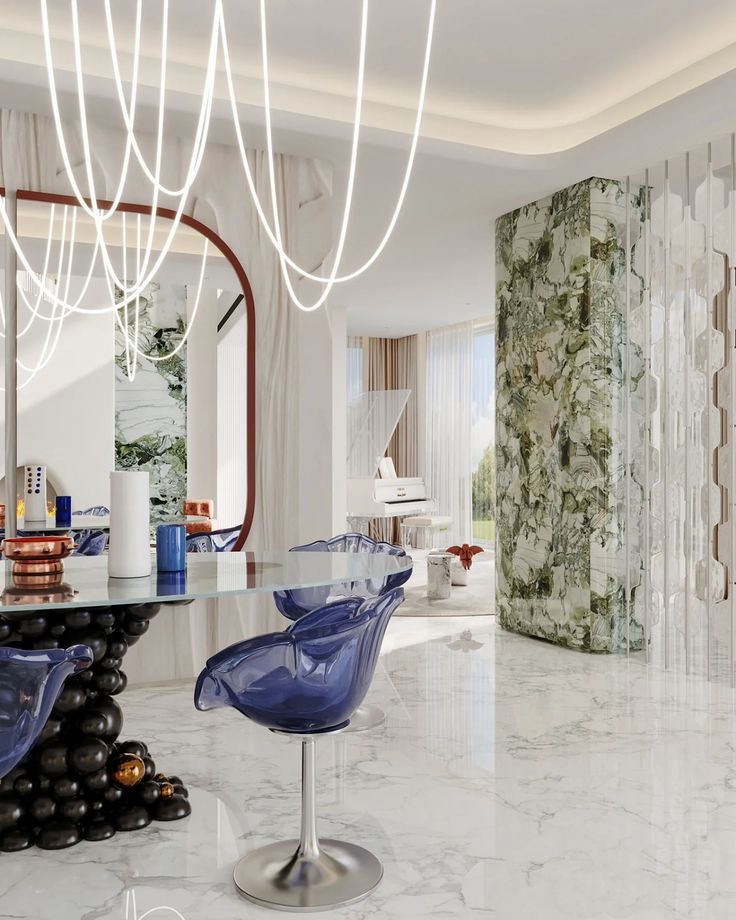
1. Why Visualizing Material Comparisons Matters in Design
As interior designers and furniture manufacturers, one of the most important tasks is to help clients make informed decisions about the materials that will go into their designs. Transparent materials, like acrylic, glass, and synthetic crystal, offer different visual effects and benefits depending on the lighting, placement, and overall design of the space.
For designers, visual education is crucial in the selection process. It goes beyond merely presenting materials and finishes to clients; it’s about creating immersive experiences that allow clients to understand how materials interact with light, space, and texture.
The key question is: How can we use visual tools to help users comprehend material properties and make better decisions?
Visualizing transparent material comparisons helps achieve two goals:
Educational Value: Clients gain a deeper understanding of how different materials perform in real-world settings.
Enhanced User Experience: Clients can see and interact with material samples and renderings, leading to more confident decisions.
2. Key Performance Factors for Transparent Materials
When selecting transparent materials for high-end furniture, designers need to consider several performance factors, including cost, clarity, durability, maintenance, and environmental impact. Below is a breakdown of the key factors that influence material choice and how they visually manifest:
Acrylic: Cost-Effective and Impact-Resistant
Acrylic is a versatile synthetic material that is often used as a cost-effective alternative to glass. It is known for its light weight, impact resistance, and versatility.
Clarity: Acrylic provides excellent transparency, though it is not as clear as glass or synthetic crystal. It can become cloudy or yellow over time if exposed to UV light.
Cost: Acrylic is relatively inexpensive, making it an ideal choice for designers working with tighter budgets or large quantities of furniture.
Durability: Acrylic is highly resistant to impacts, making it more durable than glass in environments with high traffic or exposure to accidents.
Maintenance: Acrylic is more susceptible to scratching and requires careful cleaning to maintain its appearance. It can be polished, but it is more prone to damage from harsh cleaners.
Glass: Timeless, Classic, and Clear
Glass has been a staple in high-end furniture design for centuries. Its clarity, purity, and luxurious appeal make it a popular choice for those seeking a timeless, high-end aesthetic.
Clarity: Glass is the gold standard for transparency. It provides unparalleled clarity and does not yellow over time, making it the go-to material for designers who need pristine visual effects.
Cost: Glass is more expensive than acrylic but remains an accessible option for many high-end designs.
Durability: Glass is much more fragile than acrylic and synthetic crystal, making it prone to breaking or shattering. However, tempered glass is stronger and more resistant to impacts.
Maintenance: Glass requires regular cleaning to remove fingerprints, smudges, and dust. While it does not scratch easily, it can show water spots and smudges more clearly than acrylic or synthetic crystal.
Synthetic Crystal: Luxury and Durability
Synthetic crystal is a premium material that offers the highest clarity and resistance to scratches. It is commonly used in luxury furniture and high-end design pieces.
Clarity: Synthetic crystal provides exceptional clarity and brilliance, often surpassing glass in terms of visual performance. It has a high refractive index that enhances the shimmer and brilliance of any design.
Cost: Synthetic crystal is the most expensive of the three materials. Its high cost is a result of the advanced manufacturing process and superior quality of the material.
Durability: Synthetic crystal is durable and scratch-resistant, making it an ideal choice for high-end furniture that will be used for many years.
Maintenance: Synthetic crystal is easy to maintain and clean. It resists staining and scratching better than glass or acrylic but still requires regular care to maintain its pristine appearance.
3. Visualizing Material Comparisons: Methods and Tools
Now that we’ve outlined the key performance factors of each material, let’s look at the different ways to visualize these comparisons. As designers, you can use a variety of tools and techniques to demonstrate the differences in clarity, durability, and performance between acrylic, glass, and synthetic crystal.
3.1. Side-by-Side Comparisons: The Power of Direct Visuals
One of the simplest yet most effective ways to help clients understand the differences between materials is through side-by-side comparisons. This can be done physically in your showroom or digitally via 3D renderings.
Example: Display samples of acrylic, glass, and synthetic crystal in the same lighting conditions and allow clients to see the differences in clarity, light interaction, and visual texture.
Key Insight: Clients can immediately observe how the materials interact with light, how reflections and refractions vary, and how each material’s transparency changes in different environments.
3.2. 3D Renderings and Visual Simulations
In the digital age, high-quality 3D renderings provide a powerful tool to showcase materials and their performance in real-world settings. Using advanced rendering software, designers can create interactive simulations of how different materials will look in a space.
Interactive 3D Models: Allow clients to explore the design from multiple angles, change lighting conditions, and adjust room settings to see how acrylic, glass, and synthetic crystal perform under various circumstances.
Material Swatches: Incorporate virtual material swatches in your design software, where clients can interact with and switch between different materials to see how each one impacts the overall design.
3.3. Augmented Reality (AR) and Virtual Reality (VR) for Immersive Experiences
For an even more engaging experience, AR and VR technologies can be used to bring furniture designs to life. With AR, clients can use their smartphones or tablets to superimpose virtual pieces into their real-world environments.
AR Applications: Show clients how transparent furniture pieces will look in their spaces by allowing them to view the pieces in real-time through their phones or tablets.
VR Showrooms: Create a fully immersive experience where clients can walk through a virtual showroom and explore different material options, interact with furniture designs, and visualize their properties in various lighting and spatial contexts.
3.4. Comparison Charts and Infographics
For clients who need a quick, digestible overview of each material, comparison charts and infographics are highly effective tools.
Visual Breakdown: Create a clear, easy-to-understand visual that shows side-by-side comparisons of cost, durability, clarity, maintenance, and aesthetic appeal.
Benefits and Drawbacks: Use color-coding or icons to represent key benefits and potential drawbacks, helping clients quickly grasp the pros and cons of each material.
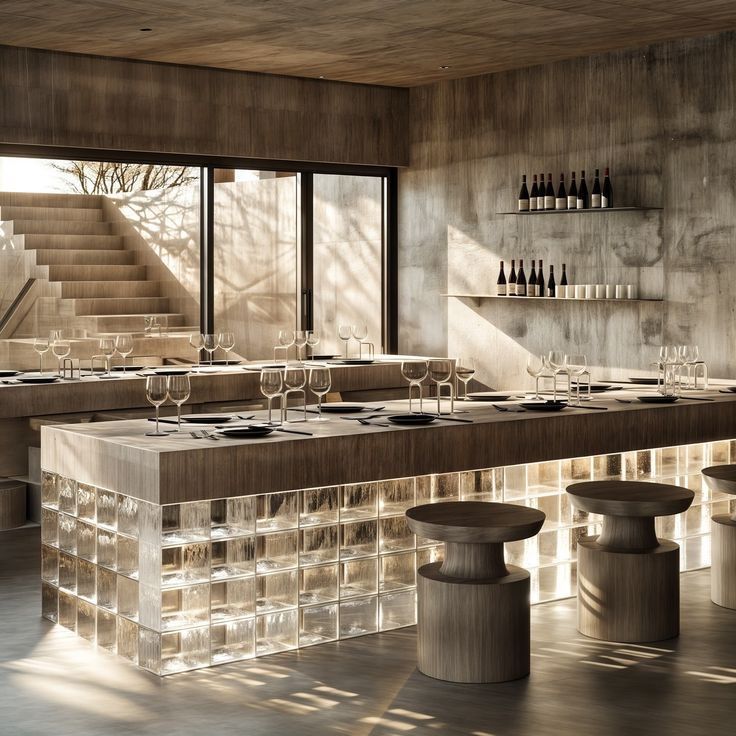
4. Practical Applications of Transparent Materials in Design
Transparent materials are not only chosen for their visual appeal but also for their functionality in various design contexts. When selecting materials for your designs, consider their role in the space.
Acrylic: Ideal for contemporary furniture where flexibility, durability, and cost-effectiveness are key. It’s also great for designs that require lightweight materials with high impact resistance, such as modern shelving and custom pieces.
Glass: Perfect for luxurious and timeless furniture. Glass works well in high-end coffee tables, display cabinets, and premium shelving where clarity and reflection are critical for the aesthetic.
Synthetic Crystal: Best suited for exclusive and high-end designs that demand premium quality. Synthetic crystal adds luxury and sophistication to dining tables, light fixtures, and artistic furniture pieces.
5. Conclusion: Visual Education as a Powerful Tool for Material Selection
The power of visual education in furniture design lies in its ability to demystify complex material properties and make the design process more engaging and transparent for clients. By leveraging side-by-side comparisons, 3D renderings, augmented reality, and comparison charts, designers can effectively guide clients through the decision-making process and help them choose the right transparent material for their projects.
Incorporating these visual tools into your design presentations not only helps clients better understand the nuances of materials like acrylic, glass, and synthetic crystal, but also sets you apart as a forward-thinking designer who values client engagement and education.
The real question is: Are you ready to incorporate interactive visual comparisons into your design process and elevate your client interactions to new heights of understanding and satisfaction?
By combining education, interactivity, and visual tools, you can transform the way your clients experience and select transparent materials, ensuring that your designs are not only beautiful but also based on informed, confident decisions.