
In the world of high-end furniture design, the choice of materials plays a crucial role in shaping the overall aesthetic, durability, and functionality of the product. Among the most popular material choices today are transparent materials—specifically acrylic, glass, and synthetic crystal. These materials not only bring a sense of lightness and elegance to designs but also offer a variety of benefits and challenges depending on their application. For designers and manufacturers, understanding the nuances of each material is essential to making the right selection for their projects.
This article provides a comprehensive comparison of acrylic, glass, and synthetic crystal, focusing on performance, cost, and maintenance. By the end, you'll gain a deeper understanding of how each material performs in different conditions, how to manage its upkeep, and how to make the best material choices based on your design goals and budget.
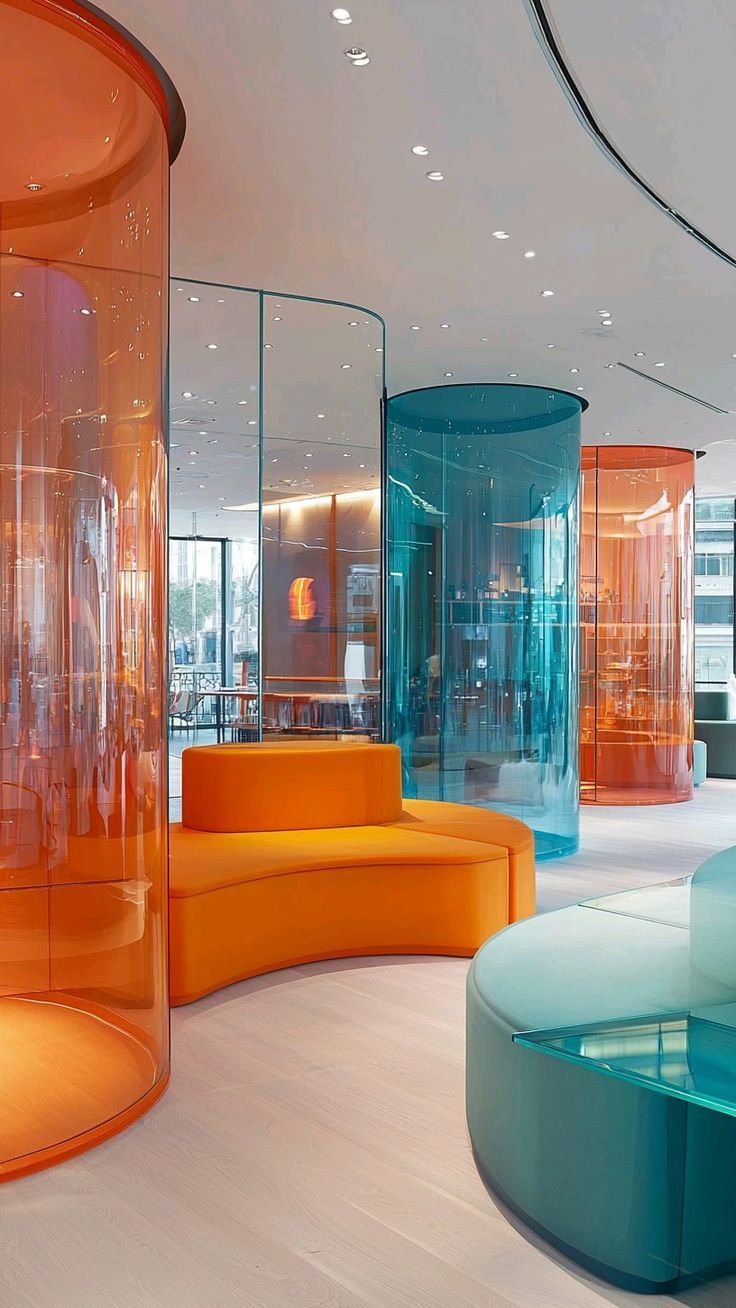
1. Introduction: The Rise of Transparent Materials in High-End Furniture Design
Transparent materials have been used in furniture design for decades, but their appeal has grown significantly in recent years, driven by the demand for modern, sleek, and minimalist interiors. Designers are increasingly turning to materials like acrylic, glass, and synthetic crystal for their ability to create open, airy spaces while adding luxury and elegance to any environment.
These materials have found their place not only in residential interiors but also in commercial spaces, luxury retail environments, and hotel lobbies, where the transparency effect adds both sophistication and functionality. However, despite their aesthetic appeal, these materials differ significantly in terms of cost, performance, and maintenance. Understanding these differences is key to selecting the right material for the job.
2. The Benefits of Transparent Materials: Aesthetics and Functionality
Transparent materials such as acrylic, glass, and synthetic crystal bring distinct advantages to furniture design:
Visual Lightness: Transparent materials visually lighten a space, making it feel larger and brighter. They allow light to pass through, creating a sense of openness and airiness.
Timeless Appeal: Transparent materials are versatile and complement virtually any design style, from modern and minimalist to classic and luxurious.
Enhanced Perception of Space: In smaller spaces or rooms with limited natural light, transparent furniture creates a sense of more room and depth, which is especially beneficial in urban environments.
However, it’s important to understand that these materials come with specific performance characteristics that can influence the overall success of a design. Let’s take a deeper dive into acrylic, glass, and synthetic crystal to see how they compare.
3. Performance Comparison: Acrylic, Glass, and Synthetic Crystal
Acrylic: Durability and Versatility
Acrylic is a popular choice for furniture designers due to its light weight, impact resistance, and versatility. Known for being easier to mold than glass, acrylic is commonly used in modern and contemporary furniture pieces.
Clarity: Acrylic is highly transparent but can sometimes have a slight softness in its transparency compared to glass. Over time, it may develop a yellowish tint if exposed to UV light, though UV-resistant acrylic options are available.
Impact Resistance: Acrylic is known for being highly impact-resistant. It’s less likely to crack or shatter upon impact compared to glass, making it a more durable option for furniture that will be used in high-traffic areas.
Cost: Acrylic is more affordable than both glass and synthetic crystal, which makes it a great option for designers looking to create stunning pieces on a budget.
Maintenance: Acrylic is prone to scratching more easily than glass and synthetic crystal, and it requires gentle cleaning to avoid damage. It can be polished to restore its appearance, but it requires ongoing maintenance to retain its clarity.
Glass: Clarity and Timeless Elegance
Glass has long been a staple in high-end furniture design due to its superior clarity and premium look. It’s used in a wide range of furniture pieces, from coffee tables to bookshelves to display cabinets.
Clarity: Glass offers unmatched clarity and provides a pristine, transparent effect. It’s ideal for designers who want to showcase the beauty of light reflections and provide a timeless visual appeal.
Impact Resistance: Glass, while elegant and clear, is fragile and can easily shatter when impacted. Tempered glass, however, offers better strength and resistance to breakage, making it a safer choice for furniture.
Cost: Glass is typically more expensive than acrylic, especially for thicker or tempered glass. It’s an investment material, often chosen for high-end designs that require premium finishes.
Maintenance: Glass furniture requires frequent cleaning to avoid fingerprints and smudges. Although it doesn’t scratch as easily as acrylic, it can still chip or crack if mishandled.
Synthetic Crystal: Luxury and Longevity
Synthetic crystal is often considered the premium choice among transparent materials, offering high clarity and scratch resistance. It is frequently used in high-end, exclusive furniture designs.
Clarity: Synthetic crystal offers exceptional clarity, often surpassing glass in brilliance and maintaining a flawless, diamond-like finish. It provides an ultra-luxurious look that works well for high-end furniture pieces.
Impact Resistance: While synthetic crystal is highly durable, it is still more fragile than acrylic and can crack under heavy impact. However, it’s much more scratch-resistant than both glass and acrylic.
Cost: Synthetic crystal is typically the most expensive of the three materials due to its advanced manufacturing process and high-quality finish.
Maintenance: Synthetic crystal is relatively low-maintenance. It is highly resistant to scratching and can maintain its brilliance with minimal cleaning. However, it still requires regular attention to avoid water stains or fingerprints.
4. Maintenance: How to Keep Transparent Furniture Looking Pristine
Transparent materials require different levels of care to maintain their aesthetic appeal over time. Let’s break down the maintenance needs for acrylic, glass, and synthetic crystal:
Acrylic Maintenance
Regular Cleaning: Clean acrylic furniture with a soft cloth and mild soap solution. Avoid abrasive cleaners or cloths, as these can cause scratches.
Polishing: Acrylic can be polished to restore its clarity, but it requires gentle care to avoid further damage.
Glass Maintenance
Frequent Cleaning: Glass furniture requires frequent cleaning with a glass cleaner or mild detergent to remove smudges and fingerprints. Use a microfiber cloth to avoid scratching the surface.
Handling with Care: Glass can be easily scratched or chipped, so it’s important to handle it gently, particularly in high-traffic areas.
Synthetic Crystal Maintenance
Easy to Clean: Synthetic crystal is easy to clean with a soft cloth and water. For deeper cleaning, use a gentle cleaner that won't damage the surface.
Scratch Resistance: Synthetic crystal is highly scratch-resistant, but it still requires occasional care to avoid watermarks or smudges.

5. Cost Comparison: Which Material Is Right for Your Budget?
When choosing between acrylic, glass, and synthetic crystal, cost is a major consideration. Here’s a quick breakdown of the price differences:
| Material | Price Range | Explanation |
|---|---|---|
| Acrylic | Low to Medium | Acrylic is the most affordable material due to its easier manufacturing process. Ideal for budget-conscious designs with excellent impact resistance. |
| Glass | Medium to High | Glass is more expensive, especially when using tempered glass or thicker pieces. It’s a premium material that enhances elegance and clarity. |
| Synthetic Crystal | High | Synthetic crystal is the most expensive option, but its luxurious appeal and scratch resistance make it ideal for exclusive, high-end designs. |
6. Conclusion: Making the Right Choice for Your Design
Choosing between acrylic, glass, and synthetic crystal depends on several factors: budget, aesthetic preferences, functionality, and maintenance requirements. Acrylic is the most cost-effective and impact-resistant, making it perfect for modern designs that require high durability. Glass provides superior clarity and timeless appeal, but it’s more fragile and requires regular maintenance. Synthetic crystal offers the highest quality and luxury but comes at a higher cost.
Ultimately, the right material choice depends on your specific project goals. Whether you’re designing sleek, modern furniture or crafting luxurious, timeless pieces, understanding the performance, cost, and maintenance needs of each material will help you make an informed decision.
The real question is: What material will you choose to elevate your next design project to the next level of elegance and functionality? Transparent materials are versatile, luxurious, and timeless, and the right choice can transform any space. So, are you ready to select the perfect material for your next high-end design?
READ MORE:
Fragile or Durable? Real-World Performance Comparison of Transparent Materials
More Than Transparency: Acrylic’s Advantages in Maintenance and User Experience
From Cost to Durability: Which Transparent Material Is Better for Long-Term Use?
Why More Businesses Choose Acrylic: A Real Comparison with Traditional Transparent Materials
Perché la fiera del design di Milano 2026 ha fatto del 'design ordinario' un successo di mercato?


