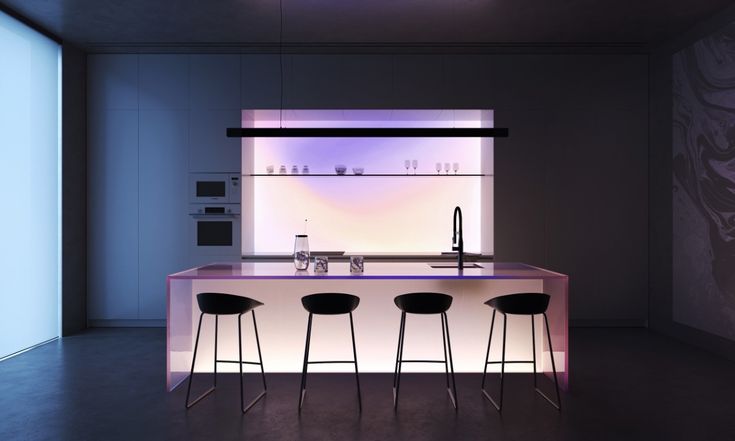
In today’s rapidly evolving business environment, material selection has shifted from being purely functional to balancing both experience and value. Especially in retail spaces, brand displays, commercial props, and interior design, transparent materials are no longer just structural elements—they play a key role in shaping visual identity and customer perception. Against this backdrop, acrylic is rapidly replacing traditional transparent materials and becoming the preferred choice for an increasing number of businesses.
1. Market Status and Commercial Trends of Transparent Materials
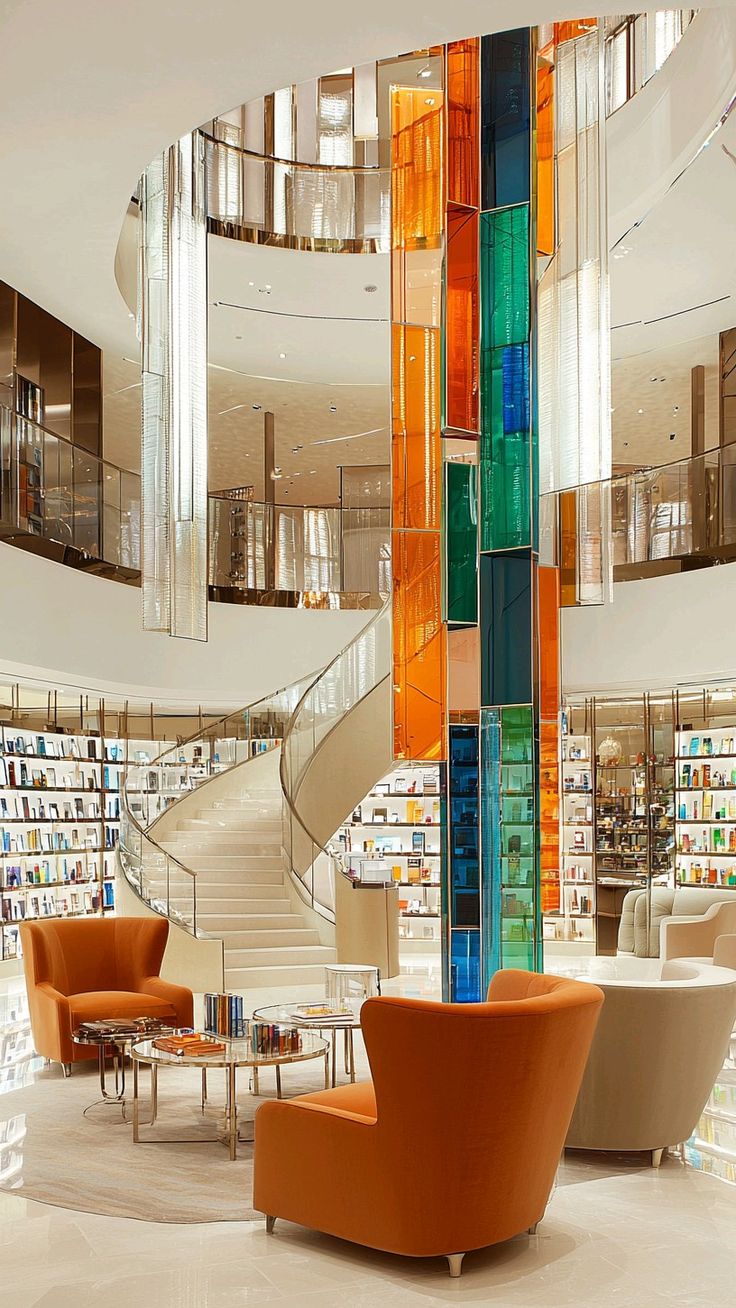
With the upgrading of consumer expectations and aesthetics, commercial space design is evolving from “information delivery” to “experience-driven environments.” Transparent materials are widely used in window displays, product showcases, spatial partitions, and branded installations due to their ability to create openness and visual continuity.
Traditionally, glass has dominated the transparent materials market. However, its disadvantages—such as heavy weight, fragility, and high transportation costs—are becoming more evident. Meanwhile, materials like PC and PET offer advantages in certain scenarios but fall short in high-end visual performance and long-term durability.
Driven by new retail formats, offline experience stores, and rapid expansion of chain brands, the market now demands materials that combine premium aesthetics, lightweight properties, safety, scalability, and fast production. Acrylic has emerged as a strong solution to meet these evolving needs.
2. Core Properties of Acrylic Materials
Acrylic (PMMA) is a high-performance transparent polymer known for its outstanding overall characteristics.
First, in terms of optical performance, acrylic offers a light transmission rate of up to 92%, sometimes even surpassing standard glass. This high clarity ensures that products are displayed in their most authentic and attractive form.
Second, from a physical perspective, acrylic weighs only about half as much as glass while offering significantly higher impact resistance. This makes it safer and more reliable during transportation, installation, and daily use—especially in high-traffic commercial environments.
In terms of fabrication, acrylic is highly versatile. It supports laser cutting, CNC machining, thermoforming, and seamless bonding, enabling the creation of complex designs and customized structures that are difficult to achieve with glass.
Additionally, acrylic provides excellent weather resistance and UV stability. Even after prolonged outdoor use, it resists yellowing, cracking, and performance degradation, making it ideal for signage and outdoor displays.
3. Advantages and Disadvantages of Traditional Transparent Materials
While acrylic is gaining popularity, traditional materials still hold a place in the market, each with its own strengths and weaknesses.
Glass, as the most established transparent material, offers good clarity and stability. However, its fragility is a major drawback. Once broken, it poses safety risks and increases replacement and maintenance costs. Its heavy weight also leads to higher transportation and installation expenses.
PC (polycarbonate) is known for its excellent impact resistance and is often used in protective applications. However, its surface is prone to scratches, and over time it may lose transparency, affecting visual appeal.
PET is valued for its low cost and is suitable for short-term or disposable applications. However, it lacks strength, durability, and premium aesthetics, making it less suitable for high-end commercial environments.
4. Real Comparison Between Acrylic and Traditional Materials
From a practical commercial perspective, acrylic outperforms traditional materials across several key dimensions.
In terms of visual performance, acrylic offers higher clarity and a cleaner optical effect, significantly enhancing product presentation. Glass may show green edges under certain lighting conditions, while PC and PET can become hazy over time.
From a cost perspective, although acrylic may have a slightly higher material cost than some plastics, its lightweight nature reduces transportation and installation expenses. Its durability also lowers replacement frequency, making it more cost-effective over its lifecycle.
In terms of safety, acrylic is shatter-resistant and does not produce sharp fragments upon impact, making it particularly suitable for public and high-traffic areas.
Regarding customization, acrylic allows for nearly unlimited design possibilities. From simple display stands to complex branded installations, it can be mass-produced efficiently using standardized processes, greatly improving commercial efficiency.
5. Why More Businesses Are Switching to Acrylic
The growing preference for acrylic is driven not only by its material advantages but also by evolving business strategies.
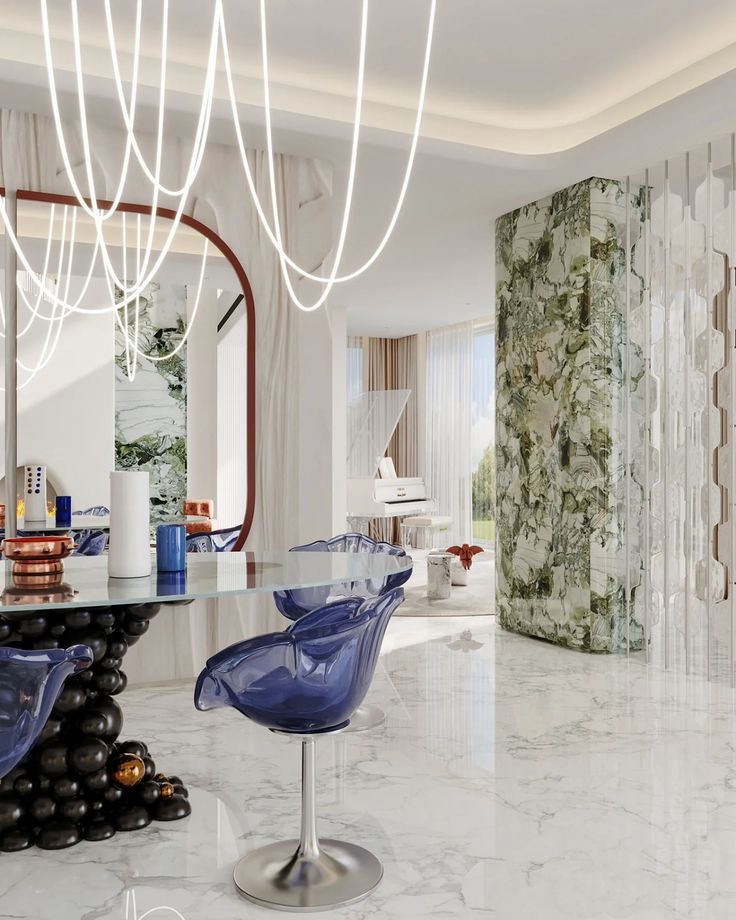
First, brand competition is increasingly focused on spatial experience. Acrylic delivers a modern, minimalist, and high-tech aesthetic that helps elevate brand image.
Second, in the context of rapid expansion of chain businesses, standardization and scalability are critical. Acrylic is easy to mass-produce, ensuring consistent visual identity across multiple locations.
Cost control is another key factor. Acrylic reduces expenses in logistics, installation, and maintenance, improving overall return on investment.
At the same time, sustainability is becoming a priority. Acrylic is recyclable, aligning with environmentally responsible business practices.
6. Future Trends and Industry Outlook
Looking ahead, acrylic applications will become more diverse and technologically advanced.
On the technical side, innovations such as anti-scratch coatings, anti-static treatments, and antibacterial surfaces will further enhance performance, expanding its use into medical and electronic fields.
From a design perspective, the integration of acrylic with LED lighting and digital display technologies will create more immersive and interactive commercial environments.
From a market standpoint, with the continuous upgrade of global retail and the growth of emerging markets, demand for acrylic will keep rising—especially in customized commercial displays and branded environments.
Acrylic is no longer just a material; it is becoming a key medium that connects design, branding, and user experience.
Contact
LinkedIn: https://www.linkedin.com/in/adtender-zyra/?locale=zh_CN
Facebook: https://www.facebook.com/profile.php?id=61586259131631
Instagram: https://www.instagram.com/zzzzyyrraa4/
YouTube: https://www.youtube.com/@ZZZZyra-k7w
Office: (904) 258-3290
WhatsApp/Wechat: +86 18923188839
READ MORE:
- Fragile or Durable? Real-World Performance Comparison of Transparent Materials
- More Than Transparency: Acrylic’s Advantages in Maintenance and User Experience
- From Cost to Durability: Which Transparent Material Is Better for Long-Term Use?
- Un avvertimento dalla fiera del design di Milano 2026: il design sta perdendo il 'legame emotivo' con i consumatori
- Uscire dalla 'bolla' del Salone del Mobile di Milano: il design del futuro non è per le esposizioni, ma per la vita quotidiana
- "La fiera del design di Milano 2026 dimostra: i consumatori non cercano più 'innovazione nel design', cosa vogliono veramente?"
- Perché la fiera del design di Milano 2026 ha fatto del 'design ordinario' un successo di mercato?
- Un dettaglio ignorato della fiera del design di Milano 2026: il design non è più al centro della competitività
- Material Comparison and Education: A Complete Guide to the Performance, Cost, and Maintenance of Transparent Materials


