
In modern commercial and industrial applications, selecting the right transparent material is no longer a simple decision based on upfront price. Instead, businesses are increasingly evaluating materials through a long-term lens—considering durability, maintenance, safety, and overall lifecycle cost. Among the most commonly used transparent materials—acrylic, glass, polycarbonate (PC), and PET—each offers distinct advantages. However, when it comes to long-term use, the differences become more pronounced. This article provides a comprehensive, professional analysis of which material performs best over time.
1. Defining Long-Term Use and Material Selection Criteria
“Long-term use” typically refers to applications where materials are expected to maintain performance and appearance over several years, often under varying environmental conditions. These may include retail displays, architectural elements, signage systems, and protective barriers.
In such contexts, material selection must go beyond initial cost. Businesses must consider lifecycle cost (LCC), which includes procurement, transportation, installation, maintenance, and replacement expenses. Key evaluation criteria include mechanical strength, environmental resistance, visual stability, ease of maintenance, and safety.
A material that appears cost-effective initially may become expensive over time due to frequent repairs or replacements. Therefore, durability and stability are central to long-term value.
2. Overview of Main Transparent Materials
Acrylic (PMMA) is a lightweight, highly transparent plastic known for its excellent optical clarity and weather resistance. It is widely used in retail displays, signage, and furniture.
Glass, a traditional material, offers high transparency and surface hardness. It is commonly used in architecture and high-end interiors but is limited by its fragility and weight.
Polycarbonate (PC) is known for its exceptional impact resistance, making it suitable for safety applications. However, it is more prone to scratching and UV degradation without coatings.
PET is an economical plastic often used in packaging and short-term applications. While cost-effective, it lacks the durability required for long-term structural or aesthetic use.
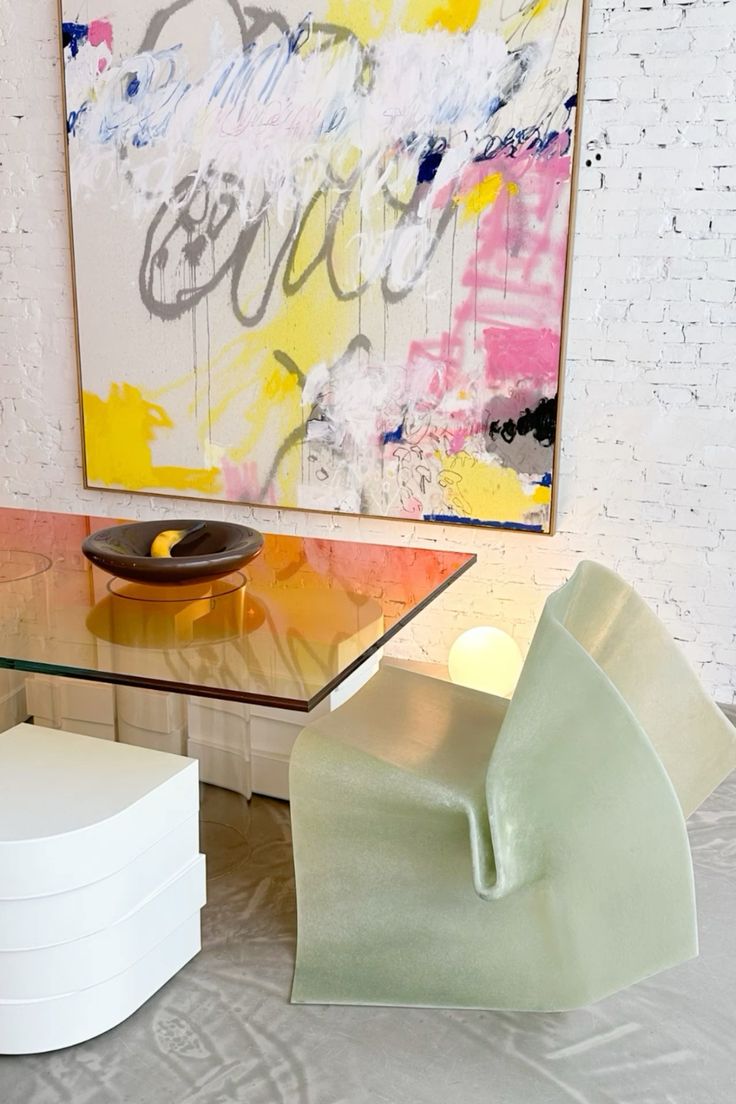
3. Cost Analysis Across the Lifecycle
From an initial cost perspective, PET is typically the cheapest, followed by acrylic and PC, while glass varies depending on thickness and treatment. However, initial material cost represents only a fraction of total expenditure.
Transportation and installation costs are significantly influenced by weight. Acrylic and PC, being lightweight, reduce logistics and labor costs, whereas glass increases both due to its heaviness and fragility.
Maintenance costs further differentiate these materials. Glass may require replacement after breakage, PC may need surface treatment due to scratches, and PET often requires frequent replacement. Acrylic, with its balance of durability and reparability, tends to have lower long-term maintenance costs.
When considering return on investment (ROI), acrylic often provides the best balance between performance and cost over time.
4. Durability and Performance Stability Comparison
Durability is where material differences become most critical.
Acrylic offers strong impact resistance compared to glass and maintains structural integrity under moderate stress. It also performs well under UV exposure, resisting yellowing and degradation.
Glass, while hard and scratch-resistant, is highly brittle. A single impact can lead to complete failure, making it less reliable in dynamic environments.
PC excels in impact resistance, outperforming all other materials. However, it is prone to surface scratches and may degrade under prolonged UV exposure unless specially treated.
PET performs poorly in long-term durability, as it is susceptible to deformation, discoloration, and mechanical wear.
In terms of environmental stability, acrylic demonstrates consistent performance across indoor and outdoor applications, making it a versatile long-term solution.
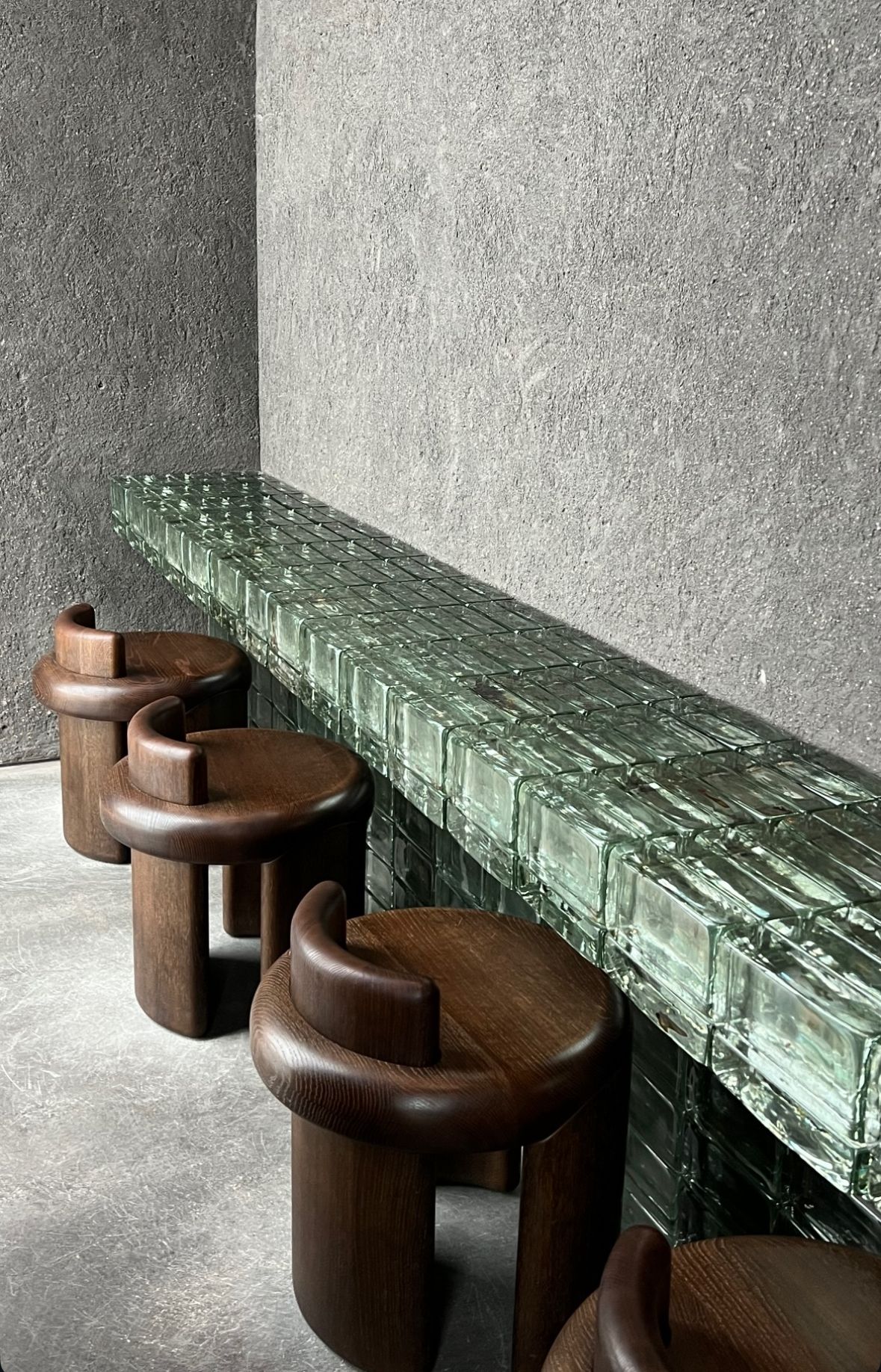
5. Real-World Application Performance
In retail environments, acrylic is widely used for display stands and showcases due to its clarity and durability. It maintains a premium appearance over time while minimizing replacement needs.
In commercial spaces and chain stores, acrylic supports standardized production and consistent branding, which is essential for scalability.
For outdoor signage, acrylic’s UV resistance gives it a clear advantage over PC and PET, while avoiding the safety risks associated with glass.
In home and office settings, acrylic furniture and partitions offer a balance of aesthetics and durability, making them suitable for long-term use without significant degradation.
Across industries, the trade-off between cost and durability increasingly favors acrylic, particularly in applications where both visual quality and longevity are required.
6. Conclusion and Future Outlook
When evaluating transparent materials for long-term use, acrylic emerges as the most balanced option. It offers a unique combination of optical clarity, durability, lightweight structure, and cost efficiency over its lifecycle.
Glass remains suitable for applications requiring high surface hardness and traditional aesthetics but falls short in safety and cost efficiency. PC is ideal for high-impact environments but requires additional maintenance. PET is best reserved for short-term or low-cost applications.
Looking ahead, advancements in coatings and composite materials will further enhance acrylic’s performance, including improved scratch resistance and functional properties such as anti-static and antibacterial surfaces.
For businesses seeking a reliable, cost-effective, and visually appealing material for long-term use, acrylic represents a forward-looking choice aligned with both economic and design trends.
Contact
LinkedIn: https://www.linkedin.com/in/adtender-zyra/?locale=zh_CN
Facebook: https://www.facebook.com/profile.php?id=61586259131631
Instagram: https://www.instagram.com/zzzzyyrraa4/
YouTube: https://www.youtube.com/@ZZZZyra-k7w
Office: (904) 258-3290
WhatsApp/Wechat: +86 18923188839
READ MORE:
- Fragile or Durable? Real-World Performance Comparison of Transparent Materials
- More Than Transparency: Acrylic’s Advantages in Maintenance and User Experience
- Why More Businesses Choose Acrylic: A Real Comparison with Traditional Transparent Materials
- Un avvertimento dalla fiera del design di Milano 2026: il design sta perdendo il 'legame emotivo' con i consumatori
- Uscire dalla 'bolla' del Salone del Mobile di Milano: il design del futuro non è per le esposizioni, ma per la vita quotidiana
- "La fiera del design di Milano 2026 dimostra: i consumatori non cercano più 'innovazione nel design', cosa vogliono veramente?"
- Perché la fiera del design di Milano 2026 ha fatto del 'design ordinario' un successo di mercato?
- Un dettaglio ignorato della fiera del design di Milano 2026: il design non è più al centro della competitività
- Material Comparison and Education: A Complete Guide to the Performance, Cost, and Maintenance of Transparent Materials


