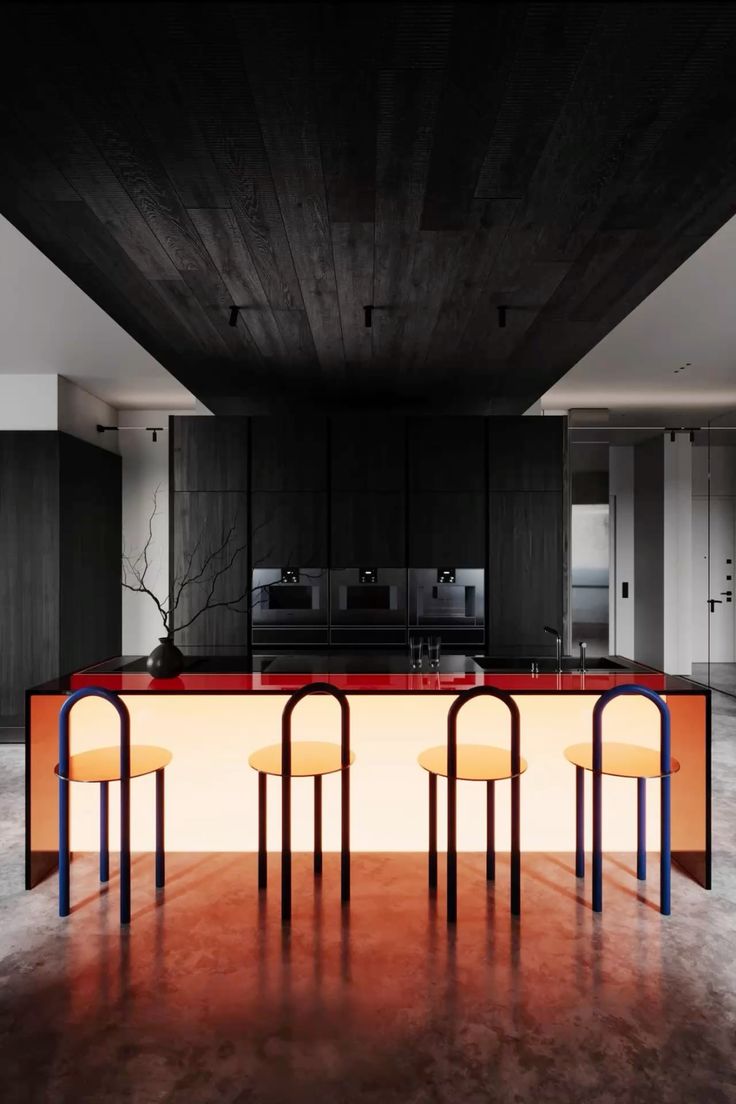
In today’s commercial and design landscape, transparent materials are no longer valued solely for their ability to “be seen through.” Instead, they have become essential elements that shape brand experience, spatial atmosphere, and user perception. As consumer expectations rise and market competition intensifies, businesses are shifting from focusing only on transparency to a more comprehensive evaluation system—where maintenance cost and user experience play decisive roles. Among various transparent materials, acrylic is emerging as an ideal solution that balances cost efficiency with superior user experience.
1. Redefining the Value of Transparent Materials: From Visibility to Experience
Traditionally, the primary function of transparent materials was visibility—allowing products or structures to be clearly displayed. However, in today’s commercial environments, transparency alone is no longer sufficient. Consumers now care more about the overall experience, including visual comfort, tactile sensation, safety, and long-term performance.
At the same time, businesses are paying closer attention to maintenance costs. Frequent cleaning, repairs, or replacements not only increase operational expenses but can also negatively impact brand image. As a result, material selection is shifting from an “initial cost-driven” approach to a “lifecycle experience-driven” strategy.
Within this context, acrylic stands out due to its balanced performance in both usability and maintenance.
2. Core Properties of Acrylic and Its Experience Advantages
Acrylic (PMMA) is a highly transparent polymer material with a light transmission rate exceeding 92%, offering clarity comparable to or even better than glass. Unlike traditional glass, acrylic provides a purer visual effect without the greenish tint or optical distortion, enhancing the perceived quality of a space.
From a usability perspective, acrylic’s lightweight nature significantly improves installation and handling efficiency. In commercial settings, this translates into faster construction and reduced labor costs. Its lower density also contributes to a lighter visual and psychological experience for users.
In addition, acrylic features a smooth and refined surface that aligns well with modern minimalist and high-tech design aesthetics. Through processes such as thermoforming and engraving, it can achieve diverse shapes and customized designs, increasing flexibility and creativity in spatial applications.
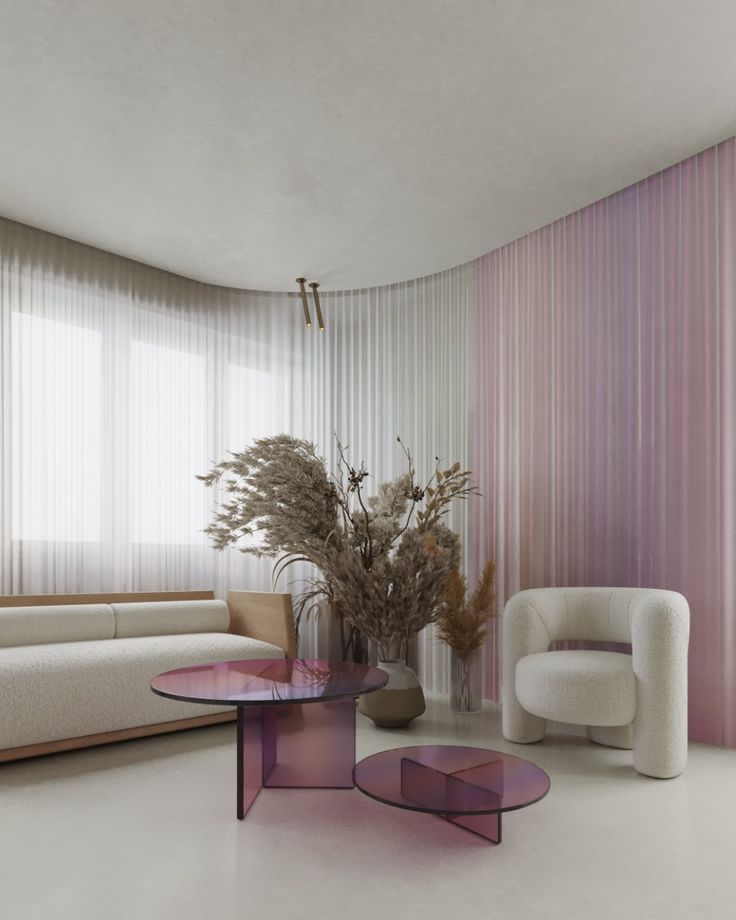
3. In-Depth Analysis of Maintenance Costs
Over long-term use, maintenance cost becomes one of the most critical hidden expenses. Acrylic performs particularly well in this regard.
For daily cleaning, acrylic surfaces are less prone to stubborn stains. Typically, a soft cloth and mild detergent are sufficient for maintenance. In contrast, glass often requires frequent cleaning due to fingerprints and water marks, increasing time and labor costs.
In terms of chemical resistance, high-quality acrylic can withstand most common cleaning agents without corrosion or discoloration, while some plastics may degrade when exposed to chemicals.
Regarding repairs, acrylic offers a unique advantage: it is repairable. Minor scratches can be polished out to restore clarity, whereas damaged glass usually requires full replacement, which is more costly.
Overall, acrylic has a lower wear rate and requires less frequent maintenance, resulting in significantly reduced lifecycle costs.
4. Multi-Dimensional Comparison of User Experience
User experience is a key factor in evaluating material performance.
In terms of safety, acrylic is impact-resistant and does not shatter easily. Even when damaged, it does not produce sharp fragments, greatly reducing the risk of injury. Glass, by contrast, poses higher safety risks due to its fragility.
From a tactile perspective, acrylic offers a more comfortable touch. Unlike glass, which can feel cold in low temperatures, acrylic maintains a relatively neutral surface temperature, making it more suitable for high-contact applications such as tabletops and display areas.
Visually, acrylic maintains its clarity over time and resists yellowing or hazing (when high-quality material is used), ensuring long-term aesthetic consistency.
In addition, acrylic produces softer sounds upon impact compared to glass, which can create sharp, unpleasant noises. This contributes to a more comfortable and quieter environment.
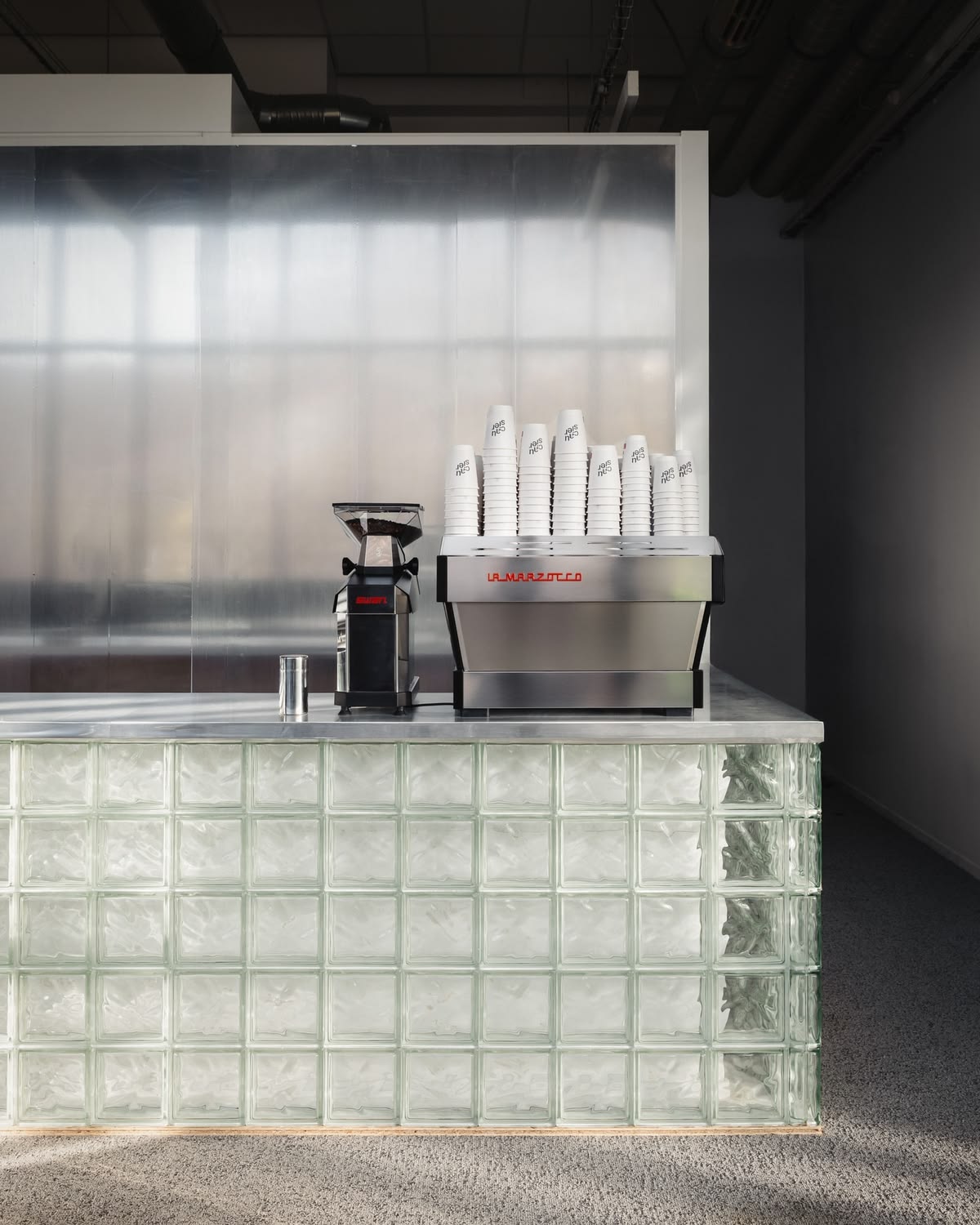
5. Performance Differences in Real-World Applications
In retail environments, acrylic display fixtures maintain a clean and polished appearance over time while reducing cleaning frequency, which helps lower operational costs. This is particularly beneficial for stores with frequently updated merchandise.
In restaurants and public spaces, safety and durability are critical. Acrylic’s impact resistance makes it widely used for partitions and protective barriers, effectively minimizing accident risks.
In office and residential settings, acrylic furniture combines aesthetics with practicality. Its ease of maintenance reduces daily upkeep, enhancing user convenience.
For outdoor applications, acrylic demonstrates strong weather resistance and anti-pollution properties, making it more durable than many other plastics and extending its service life.
Real-world cases show that more businesses are choosing acrylic after evaluating both maintenance costs and user experience.
6. Conclusion and Future Trends
Overall, acrylic achieves an excellent balance between low maintenance cost and high user experience. Compared to traditional transparent materials such as glass, PC, and PET, it reduces operational burdens while enhancing overall usability and aesthetics.
Although each material still has its place depending on the application, acrylic demonstrates stronger overall competitiveness in retail, commercial spaces, home environments, and outdoor displays.
Looking ahead, advancements such as anti-scratch coatings, anti-fouling treatments, and functional composites will further improve acrylic’s performance and user experience.
For businesses, material selection should be based on both long-term cost and user experience. Acrylic clearly stands out as one of the most forward-thinking and practical choices available today.
Contact
LinkedIn: https://www.linkedin.com/in/adtender-zyra/?locale=zh_CN
Facebook: https://www.facebook.com/profile.php?id=61586259131631
Instagram: https://www.instagram.com/zzzzyyrraa4/
YouTube: https://www.youtube.com/@ZZZZyra-k7w
Office: (904) 258-3290
WhatsApp/Wechat: +86 18923188839
READ MORE:
- Fragile or Durable? Real-World Performance Comparison of Transparent Materials
- From Cost to Durability: Which Transparent Material Is Better for Long-Term Use?
- Why More Businesses Choose Acrylic: A Real Comparison with Traditional Transparent Materials
- Un avvertimento dalla fiera del design di Milano 2026: il design sta perdendo il 'legame emotivo' con i consumatori
- Uscire dalla 'bolla' del Salone del Mobile di Milano: il design del futuro non è per le esposizioni, ma per la vita quotidiana
- "La fiera del design di Milano 2026 dimostra: i consumatori non cercano più 'innovazione nel design', cosa vogliono veramente?"
- Perché la fiera del design di Milano 2026 ha fatto del 'design ordinario' un successo di mercato?
- Un dettaglio ignorato della fiera del design di Milano 2026: il design non è più al centro della competitività
- Material Comparison and Education: A Complete Guide to the Performance, Cost, and Maintenance of Transparent Materials


