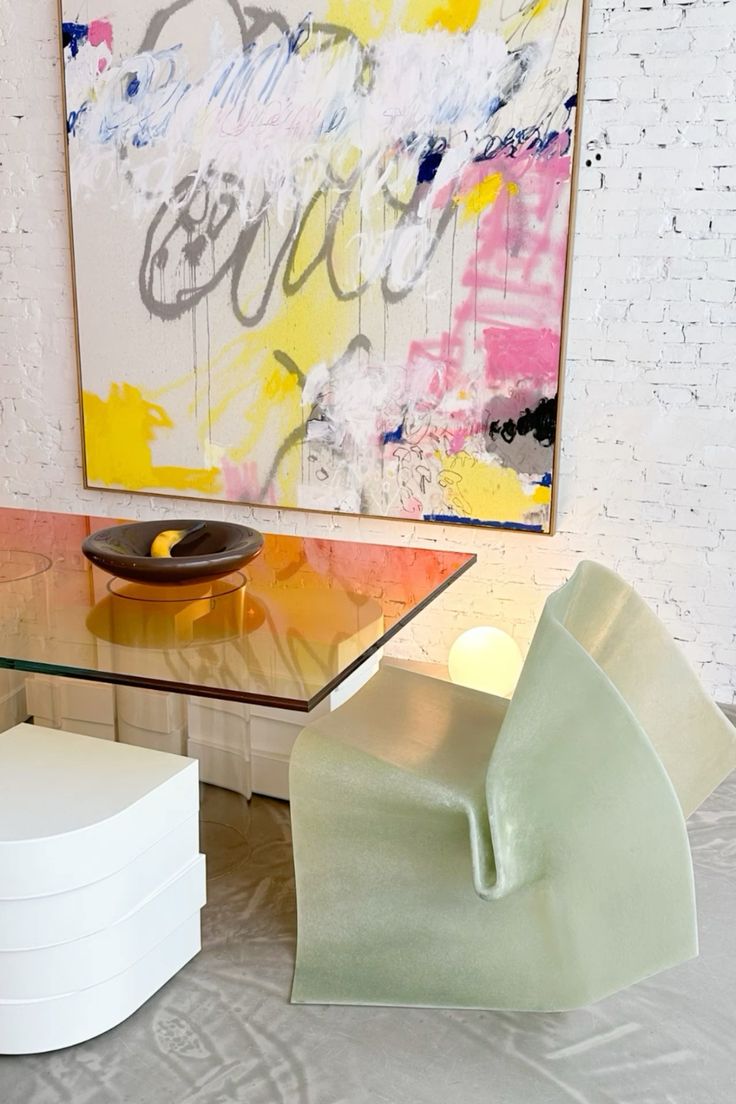
In modern commercial and industrial applications, the choice of transparent materials is no longer just about visual appeal—it directly impacts safety, durability, and long-term operational costs. For a long time, “transparency” has often been associated with “fragility,” especially due to the widespread use of glass. However, with the advancement of material technology, alternatives such as acrylic, polycarbonate (PC), and PET have entered the market, making the question of “fragile or durable” a critical consideration for businesses. This article provides a systematic comparison of these materials based on real-world performance.
1. The Core Conflict: Balancing Fragility and Durability
In material science, “fragility” refers to the tendency of a material to fracture suddenly under stress, while “durability” describes its ability to maintain structural integrity and performance over time. For transparent materials, these two characteristics often exist in tension.
In commercial environments, this balance is especially important. For example, retail spaces require high transparency to enhance product display while also ensuring safety and stability in high-traffic areas. Therefore, real-world performance is often more valuable than theoretical laboratory data.
Different application scenarios also impose different requirements. Outdoor advertising emphasizes weather resistance, while public spaces prioritize impact resistance and safety, making material selection more complex.
2. Overview of Main Transparent Materials
The most commonly used transparent materials today include glass, acrylic (PMMA), polycarbonate (PC), and PET.
Glass, as a traditional material, offers high hardness and excellent optical clarity. However, it is inherently brittle and prone to sudden breakage upon impact.
Acrylic achieves a balance between transparency and toughness. It provides glass-like clarity while offering better impact resistance.
Polycarbonate is known for its extremely high impact resistance and is even used in bullet-resistant applications. However, its surface is relatively soft and prone to scratching.
PET is a cost-effective material suitable for short-term or light-duty applications, but it lacks strength and long-term durability.
It is important to note that laboratory performance data does not always reflect behavior in complex real-world environments.
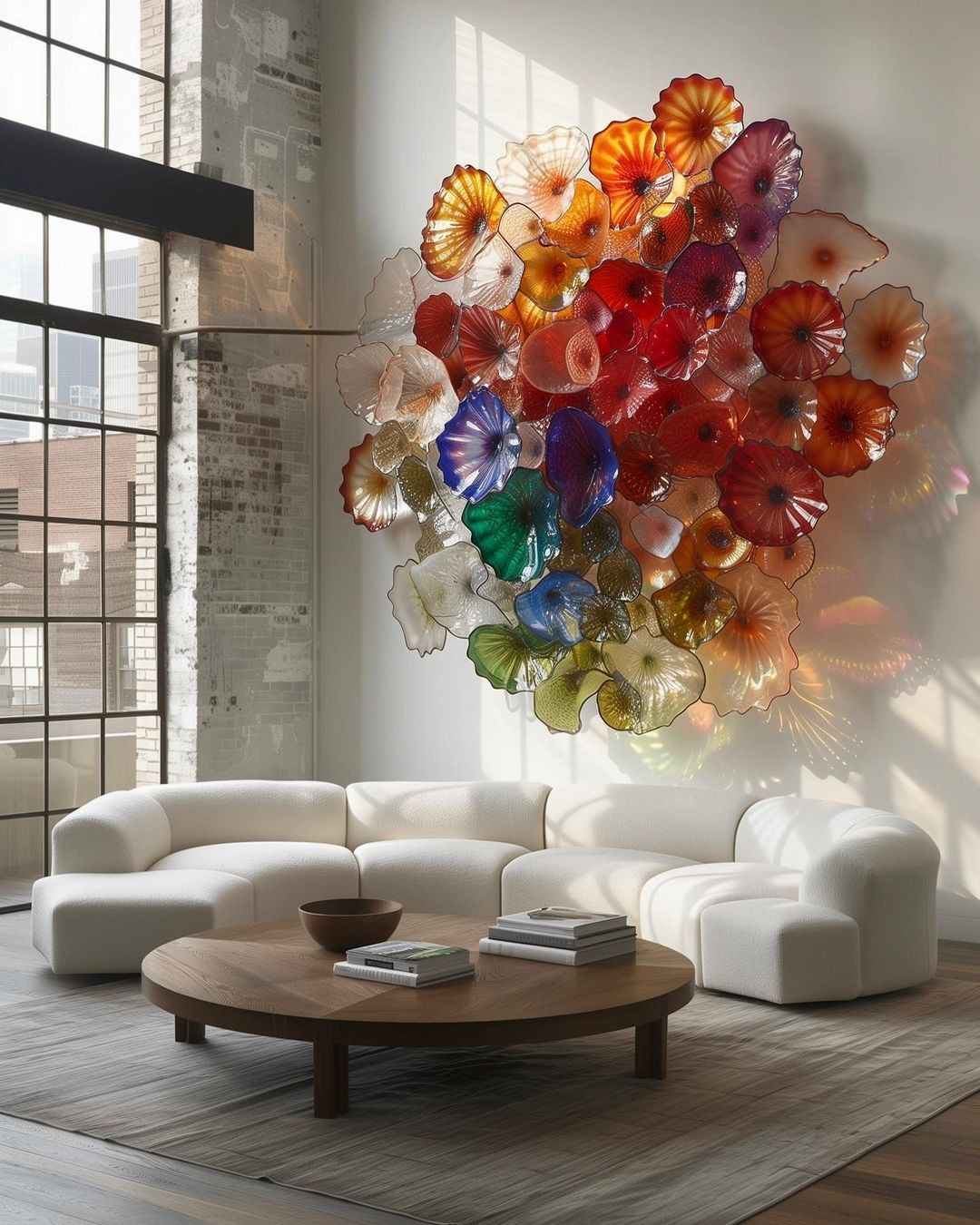
3. Impact Resistance and Breakage Behavior
Under external force, different materials respond in fundamentally different ways.
Glass typically exhibits “instant fracture” behavior. Once stress exceeds its limit, cracks propagate rapidly, leading to complete breakage. This unpredictability creates significant safety risks.
Acrylic, on the other hand, absorbs impact energy due to its toughness. Even if cracks occur, they tend to spread more slowly, reducing the likelihood of sudden failure and improving safety.
Polycarbonate demonstrates the highest impact resistance among these materials. It can withstand extreme forces without breaking, although repeated impacts may degrade its performance over time.
PET performs poorly under impact, often deforming or breaking easily, making it unsuitable for high-stress applications.
Over time, repeated impacts and material fatigue further amplify these differences.
4. Durability and Long-Term Performance
Durability extends beyond impact resistance to include how materials respond to environmental and temporal factors.
In terms of aging resistance, acrylic performs well under UV exposure and is less prone to yellowing or degradation. Many plastics, however, deteriorate significantly under prolonged sunlight.
Regarding surface performance, glass is highly scratch-resistant but difficult to repair if damaged. Acrylic is more susceptible to minor scratches but can be polished to restore clarity. Polycarbonate scratches more easily, which can affect long-term appearance.
In terms of structural stability, high-quality acrylic maintains its shape under normal conditions, while some plastics may warp due to temperature fluctuations.
Overall, acrylic demonstrates stable long-term performance across a wide range of environments.
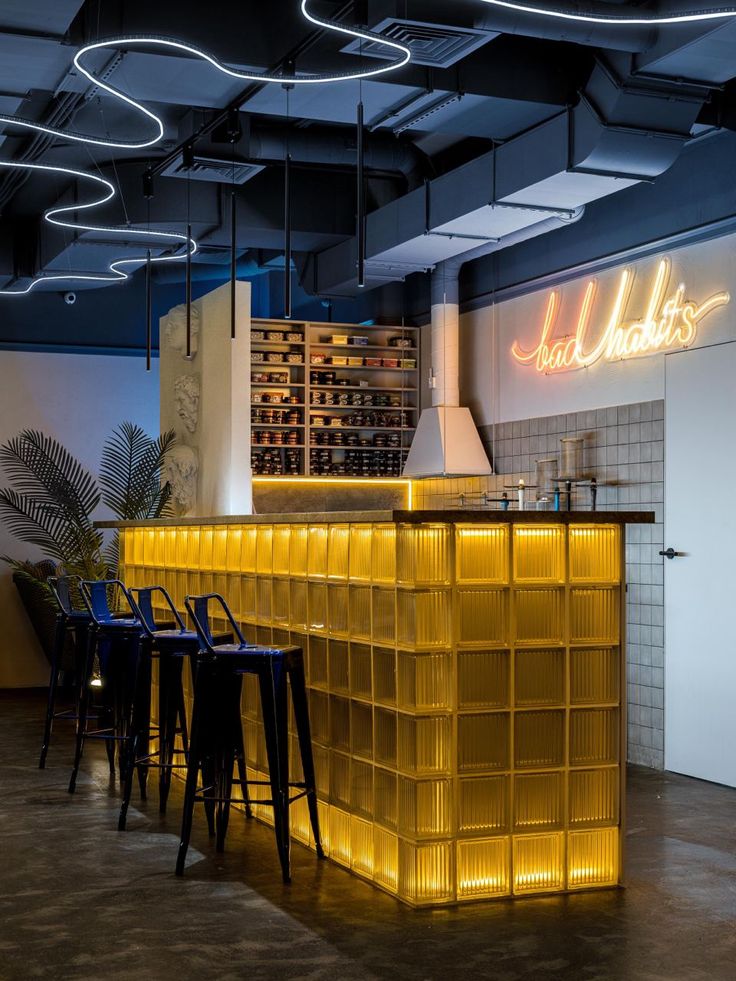
5. Performance in Real-World Applications
In retail display environments, materials must maintain clarity while withstanding frequent cleaning and handling. Acrylic performs well by retaining its appearance and reducing breakage risks, whereas glass may pose safety concerns.
In public spaces such as malls, transit stations, and hospitals, safety is critical. Acrylic and polycarbonate are widely used for barriers and partitions due to their impact resistance, while glass usage is increasingly limited.
For outdoor advertising, materials must resist weathering and pollution. Acrylic offers reliable performance, while some plastics degrade more quickly.
In home and office environments, users prioritize comfort and safety. Acrylic’s non-fragile nature and pleasant tactile properties make it a preferred alternative to glass.
Real-world case studies show clear differences in damage rates and replacement cycles among materials, directly influencing long-term costs.
6. Conclusion and Material Selection Recommendations
When evaluating “fragility vs durability,” acrylic stands out as a well-balanced material. It combines glass-like transparency with superior impact resistance and long-term stability.
Glass remains suitable for applications requiring high surface hardness and stable environments. Polycarbonate is ideal for extreme impact resistance needs, while PET is best for low-cost, short-term use.
Looking ahead, advancements in coatings and composite technologies will further enhance the durability of transparent materials. However, at present, acrylic remains one of the most versatile and cost-effective options.
For businesses, material selection should be based on a comprehensive evaluation of safety, usage frequency, and lifecycle cost rather than relying on a single performance metric.
Contact
LinkedIn: https://www.linkedin.com/in/adtender-zyra/?locale=zh_CN
Facebook: https://www.facebook.com/profile.php?id=61586259131631
Instagram: https://www.instagram.com/zzzzyyrraa4/
YouTube: https://www.youtube.com/@ZZZZyra-k7w
Office: (904) 258-3290
WhatsApp/Wechat: +86 18923188839
READ MORE:
- More Than Transparency: Acrylic’s Advantages in Maintenance and User Experience
- From Cost to Durability: Which Transparent Material Is Better for Long-Term Use?
- Why More Businesses Choose Acrylic: A Real Comparison with Traditional Transparent Materials
- Un avvertimento dalla fiera del design di Milano 2026: il design sta perdendo il 'legame emotivo' con i consumatori
- Uscire dalla 'bolla' del Salone del Mobile di Milano: il design del futuro non è per le esposizioni, ma per la vita quotidiana
- "La fiera del design di Milano 2026 dimostra: i consumatori non cercano più 'innovazione nel design', cosa vogliono veramente?"
- Perché la fiera del design di Milano 2026 ha fatto del 'design ordinario' un successo di mercato?
- Un dettaglio ignorato della fiera del design di Milano 2026: il design non è più al centro della competitività
- Material Comparison and Education: A Complete Guide to the Performance, Cost, and Maintenance of Transparent Materials


