
In today’s highly competitive business environment, cost control has become a core strategy for improving profitability and maintaining competitive advantage. Among the many cost components, material selection is often underestimated, yet it has a profound impact on overall operational expenses. Especially in retail displays, commercial space design, advertising production, and home applications, the choice of transparent materials not only affects initial investment but also directly influences maintenance, replacement, and brand-related costs. This article provides an in-depth analysis of the cost control differences between acrylic and other common transparent materials from a full lifecycle perspective.
1. Restructuring Business Cost Models: The Strategic Importance of Material Selection
Traditionally, companies have made material decisions primarily based on purchase price. However, with the advancement of business models and refined management practices, companies are increasingly recognizing that material costs extend far beyond initial procurement.
The concept of lifecycle cost (LCC) has shifted focus toward evaluating the entire process—from sourcing and transportation to installation, usage, maintenance, and eventual replacement. Within this framework, durability, safety, and ease of maintenance become critical factors.
Transparent materials, widely used in display and spatial design, have become a key entry point for optimizing cost structures. Choosing the right material not only reduces direct expenses but also minimizes hidden costs, ultimately improving operational efficiency.
2. Cost Structure Analysis of Main Transparent Materials
Different transparent materials have significantly different cost compositions.
Acrylic (PMMA) primarily involves raw material and processing costs. Thanks to its excellent machinability, it supports standardized mass production, which helps reduce unit costs over time.
Glass costs include manufacturing, transportation, and installation. Its heavy weight and fragility significantly increase logistics and handling expenses.
Polycarbonate (PC), while offering high performance, comes with higher raw material costs. Additionally, it often requires extra treatments such as anti-scratch or UV coatings, further increasing overall costs.
PET is known for its low price and is suitable for budget-limited projects. However, its lower durability often leads to higher long-term replacement costs.
Therefore, evaluating materials solely based on upfront pricing can be misleading, as cost distribution varies significantly depending on the application.
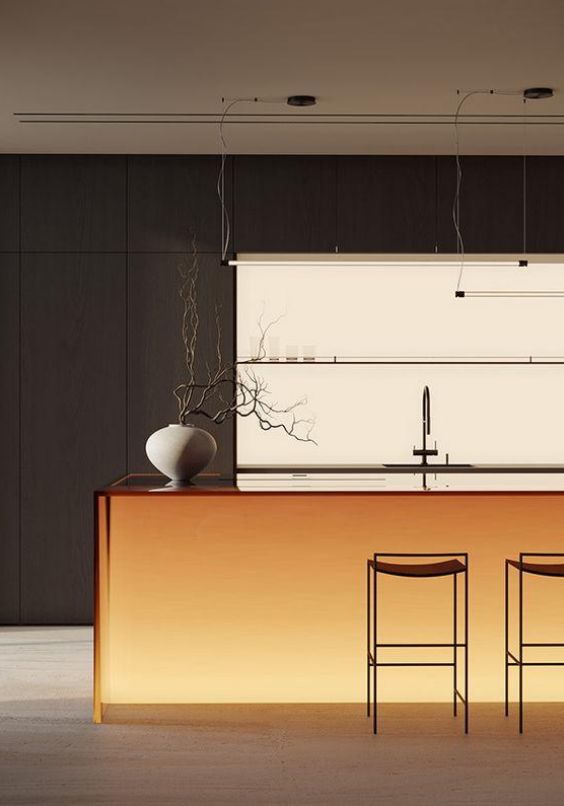
3. Initial Investment Cost Comparison
At the early stage of a project, material costs usually account for a large portion of the budget.
In terms of raw material pricing, PET is generally the lowest, followed by acrylic and PC, while glass varies depending on specifications. However, material price alone does not reflect the true total investment.
From a processing standpoint, acrylic is easier to cut and shape, resulting in higher production efficiency and making it ideal for large-scale customization. Glass, on the other hand, requires more complex processing and specialized equipment, increasing costs.
Transportation and installation further highlight the differences. Acrylic’s lightweight nature significantly reduces logistics expenses and simplifies installation. Glass, by contrast, requires additional safety measures, increasing both cost and complexity.
For small and medium-sized businesses, initial investment sensitivity is higher, and acrylic provides a balanced solution between performance and cost.
4. Hidden Costs and Long-Term Expenses
Over time, hidden costs often determine the true value of a material.
Maintenance cost is a key factor. Acrylic is easy to clean and repair, reducing daily upkeep expenses. While glass is scratch-resistant, it typically requires full replacement once damaged, leading to higher costs.
Damage rates also play a major role. In high-frequency usage environments, glass is more prone to breakage than acrylic. PC, although resistant to impact, may require replacement due to surface wear affecting appearance.
Safety-related costs must also be considered. Material failure can lead to injuries, compensation claims, and damage to brand reputation.
Additionally, downtime caused by repairs or replacements can indirectly increase operational costs.
Overall, acrylic demonstrates a clear advantage in terms of long-term return on investment (ROI).
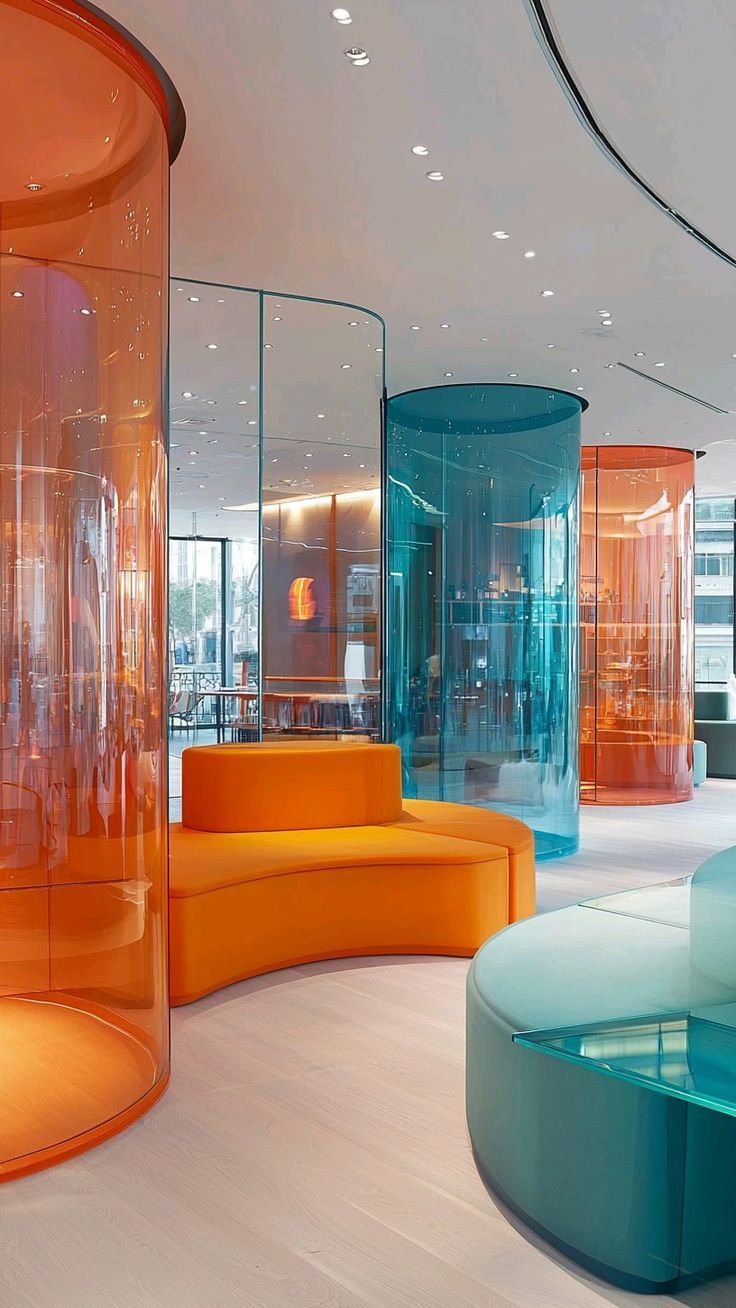
5. Cost Performance in Real-World Business Scenarios
In retail chain operations, standardization and scalability are key to cost control. Acrylic’s ease of fabrication and lightweight properties support rapid replication and consistent branding, reducing overall costs.
In commercial space design, installation efficiency directly impacts project timelines. Acrylic’s ease of installation helps shorten construction periods and reduce labor expenses.
In outdoor advertising, material durability determines replacement frequency. Acrylic’s strong UV resistance and weather stability reduce long-term maintenance and replacement costs.
In office and home environments, users prioritize ease of maintenance and comfort. Acrylic’s advantages in these areas help lower long-term ownership costs.
Real-world cases show that replacing traditional materials with acrylic often results in overall cost reductions, particularly during long-term operation.
6. Conclusion and Business Decision Recommendations
Comprehensive analysis shows that acrylic offers significant advantages in cost control. Although its initial material cost may not always be the lowest, its benefits in transportation, installation, maintenance, and replacement make it more cost-effective overall.
Different materials still have their specific applications. Glass is suitable for fixed, high-end structures; PC is ideal for extreme impact resistance scenarios; and PET is appropriate for short-term, low-cost projects. However, in most commercial applications, acrylic provides the most balanced solution.
Businesses should establish a systematic material evaluation model based on lifecycle cost rather than focusing solely on short-term expenses.
Looking ahead, advancements in coatings and composite materials will further optimize the cost structure of transparent materials. However, at present, acrylic remains one of the most effective choices for balancing cost control and performance.
From short-term savings to long-term value, material selection is becoming a strategic decision, and acrylic is clearly a key material in this transition.
Contact
LinkedIn: https://www.linkedin.com/in/adtender-zyra/?locale=zh_CN
Facebook: https://www.facebook.com/profile.php?id=61586259131631
Instagram: https://www.instagram.com/zzzzyyrraa4/
YouTube: https://www.youtube.com/@ZZZZyra-k7w
Office: (904) 258-3290
WhatsApp/Wechat: +86 18923188839
READ MORE:
- The Biggest Challenge the 2026 Milan Expo Brings to the Design World: How to Balance Aesthetics and Functionality
- Design Has No Ultimate Answer: What the 2026 Milan Expo Tells Us About the Future of Products
- Why 'Minimalism' is the Design Trend with the Most Market Potential at the Milan Expo
- 2026 Milan Expo Proves: Product Innovation is No Longer the Only Competitive Edge
- Visual Summary + Data Insights: Reviewing This Month’s Content and Engagement Growth Path
- How to Improve Content Performance Through Data Review? In-Depth Case Analysis of This Month
- Understanding Monthly Performance at a Glance: Engagement Trends and Viral Content Summary
- From Data to Strategy: სრული Analysis of This Month’s Top Content and Engagement Highlights
- Monthly Engagement Data Review: What Content Truly Captured User Attention?


