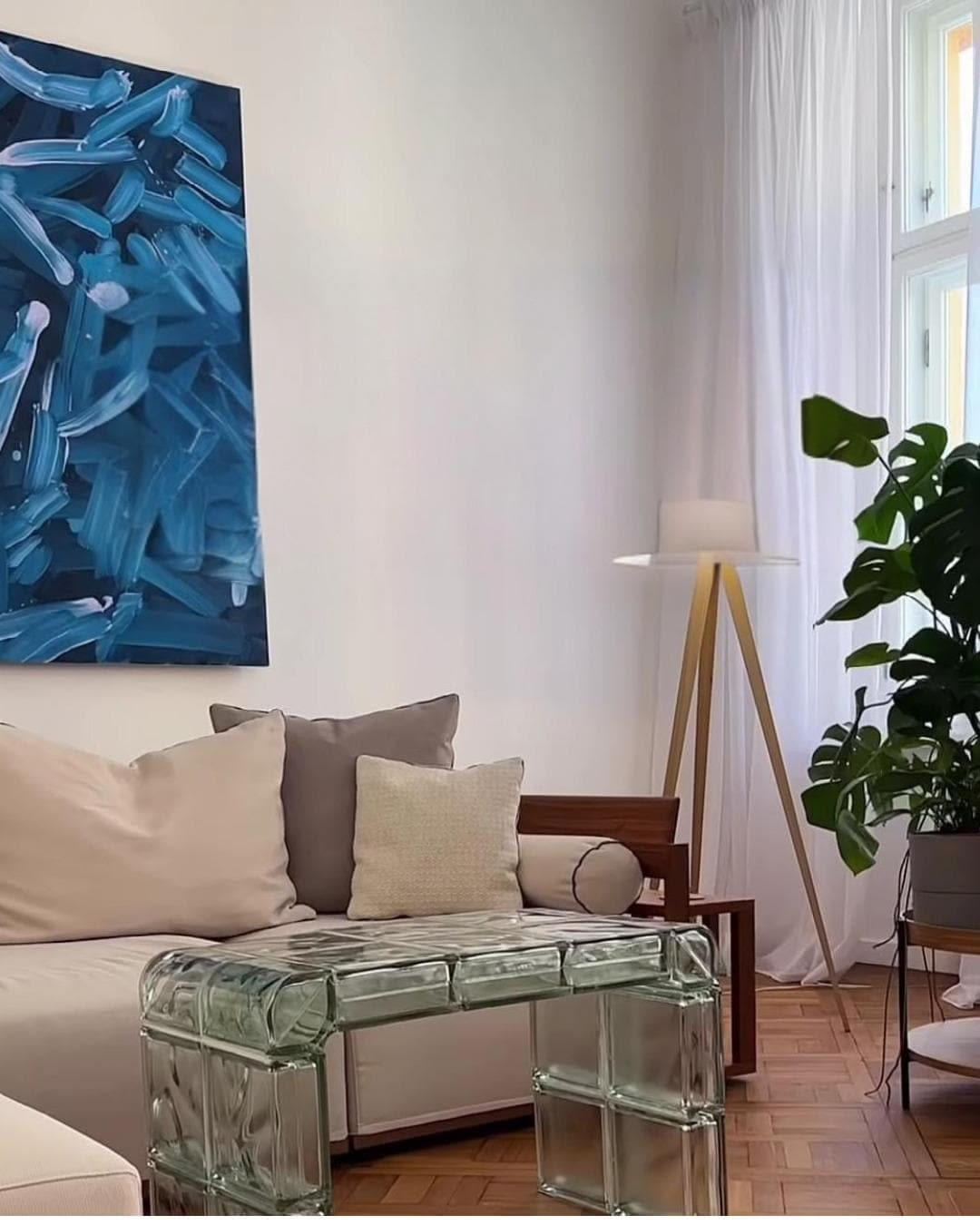
The Milan Expo, one of the most influential global design showcases, offers a unique perspective on the future of design. As companies and designers from around the world present their latest creations, certain design trends rise to the forefront, gaining attention for their ability to resonate with changing consumer values. One of the most prominent trends in recent years has been minimalism—a design philosophy that emphasizes simplicity, functionality, and elegance.
At the Milan Expo, minimalism is not just a passing fad; it is a movement that has gained significant traction across industries. From furniture to architecture, product design to fashion, minimalism is making its mark. This article explores why minimalism is the design trend with the most market potential, particularly at the Milan Expo, where global trends take shape.
1. The Essence of Minimalism in Design
Minimalism, at its core, is about reducing design to its most essential elements. Its principles are rooted in simplicity, clean lines, neutral colors, and functionality. In a minimalist design, every element serves a purpose, and superfluous decoration is eliminated.
The origins of minimalism can be traced back to the Bauhaus movement in the early 20th century, which sought to combine art with industrial design. Minimalism gained momentum in the post-World War II era, influenced by movements in architecture, graphic design, and furniture design. Iconic examples, such as the sleek designs of Dieter Rams for Braun and Mies van der Rohe's architecture, laid the foundation for modern minimalist aesthetics.
Minimalism is more than just a visual style; it is a design philosophy that emphasizes function over form. In today’s fast-paced world, where consumers are bombarded with information and choices, minimalist design offers a breath of fresh air—creating spaces, products, and experiences that feel open, unencumbered, and intuitive.
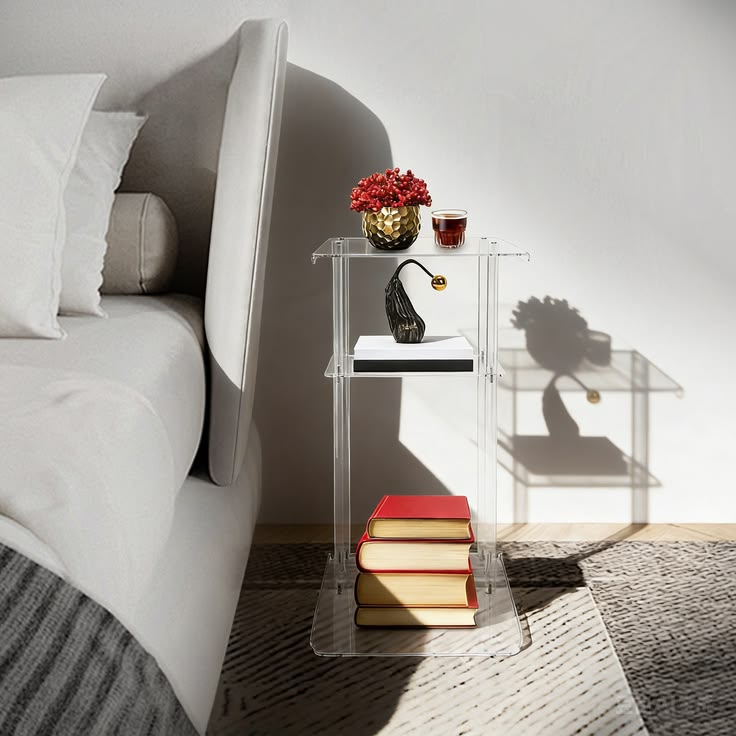
2. The Shift in Consumer Preferences Toward Simplicity
In recent years, there has been a noticeable shift in consumer preferences towards simplicity. As modern life becomes increasingly complex, consumers are seeking products and environments that offer clarity, ease, and a sense of calm. Minimalism responds directly to these desires, offering a design language that aligns with contemporary needs.
Minimalist design isn’t just about aesthetics; it also speaks to psychological needs. In a cluttered world, people are craving clarity and order. Studies have shown that simple, clean environments can lead to reduced stress and improved well-being. For many consumers, owning fewer but better things has become a way to achieve greater peace of mind and focus.
Brands like Apple have capitalized on this desire for simplicity, creating products that are sleek, intuitive, and easy to use. Apple’s minimalist approach to product design has become synonymous with quality and innovation, making it one of the most valuable companies in the world. Similarly, IKEA has made minimalism accessible to millions, offering functional, stylish, and affordable furniture that complements the minimalist lifestyle.
3. Minimalism in Architecture and Interior Design
Minimalism has had a profound influence on both architecture and interior design. In architecture, minimalism emphasizes the use of clean lines, open spaces, and natural materials. The goal is to create environments that are not only aesthetically pleasing but also functional and efficient.
At the Milan Expo, minimalist architecture was prominently featured, with several pavilions embracing open floor plans, natural lighting, and neutral palettes. This design approach isn’t just about aesthetics; it also addresses the growing need for sustainable living spaces in urban environments. With the rise of small apartments and the need for more efficient use of space, minimalist design offers a solution to these challenges.
Interior design, too, has been heavily influenced by minimalism. The use of light colors, simple furniture, and multifunctional spaces has become a hallmark of modern homes. Minimalist interior design not only enhances the aesthetic appeal of a space but also promotes a sense of tranquility and order. It’s an approach that reflects a modern lifestyle that values functionality over excess.
4. Sustainability and Minimalism: A Perfect Match
Minimalism and sustainability are natural allies. As the world becomes more environmentally conscious, consumers are seeking designs that are not only aesthetically pleasing but also eco-friendly. Minimalist design aligns perfectly with sustainability, as it promotes the use of fewer resources, longer-lasting products, and a reduction in waste.
The Milan Expo 2026 highlights how minimalist design can contribute to sustainable innovation. From zero-waste packaging to energy-efficient products, minimalist designs often prioritize durability and functionality over excess. Companies are now focusing on creating products that are built to last, with fewer parts and more sustainable materials.
Examples of minimalist designs that prioritize sustainability include recycled materials, eco-friendly production processes, and modular designs that allow products to be repaired or reconfigured instead of discarded. This approach appeals to the growing number of consumers who are looking to reduce their environmental impact and invest in products that are both beautiful and responsible.
5. The Market Potential of Minimalism: Consumer Trends and Future Prospects
The market potential for minimalist design is vast. As consumer demand for simplicity, sustainability, and efficiency continues to rise, minimalist designs are becoming more prevalent in various sectors, from technology and fashion to home goods and furniture.
One of the reasons minimalism has such market potential is its appeal to a wide demographic. Younger consumers, especially millennials and Gen Z, are drawn to minimalist products that align with their values of sustainability, quality, and simplicity. At the same time, minimalist designs have a timeless quality that appeals to more mature consumers, who are often looking for understated elegance and functionality.
Minimalism also provides a pathway to premium markets. Many minimalist designs are associated with luxury, where quality and exclusivity take precedence over abundance. High-end brands like Muji and Aesop have successfully integrated minimalist design into their product offerings, attracting consumers who value simplicity as a mark of sophistication.
As the world moves towards more sustainable and mindful consumption, minimalist design offers a perfect balance of aesthetic appeal, practicality, and eco-consciousness, making it a trend with enormous market potential.
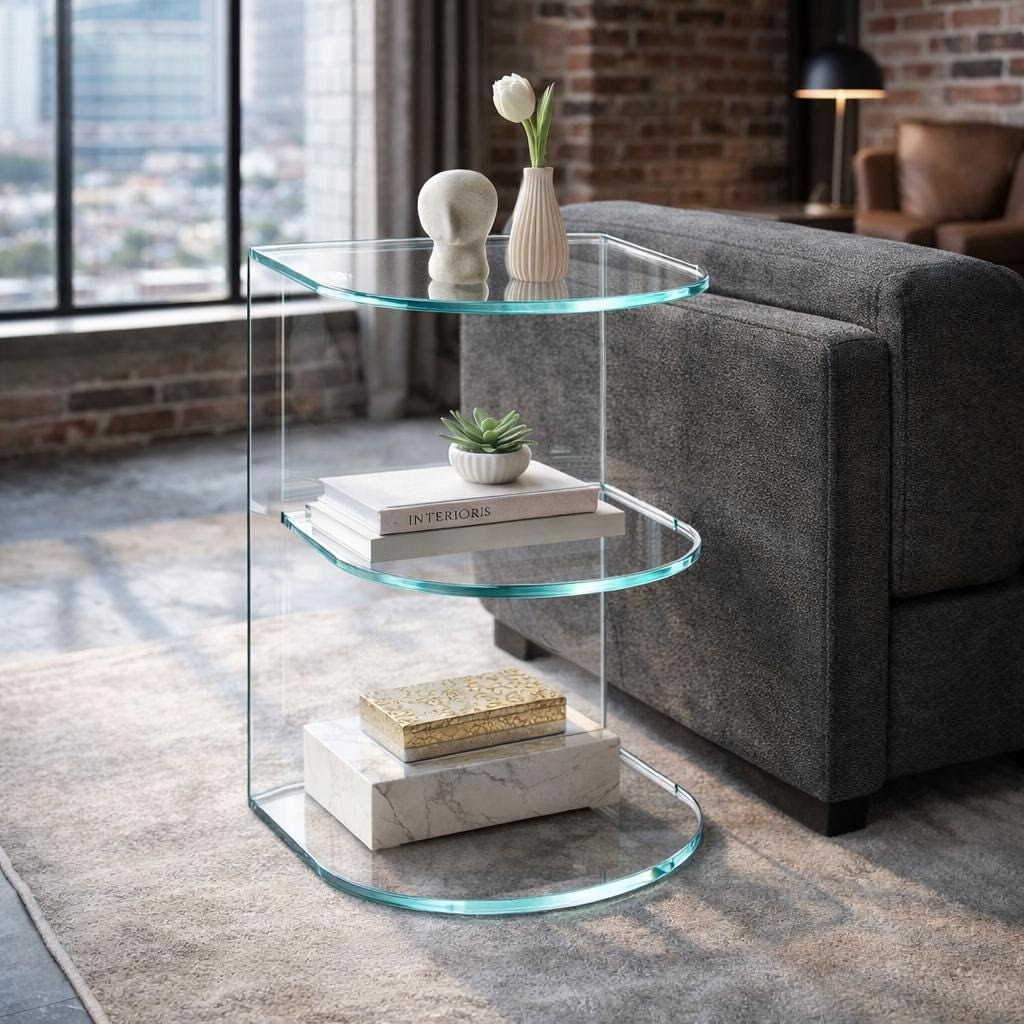
6. Conclusion
Minimalism is no longer just a fleeting design trend—it has become a movement that reflects broader shifts in consumer behavior, environmental consciousness, and cultural values. The Milan Expo 2026 has showcased how minimalism’s emphasis on simplicity, sustainability, and functionality aligns perfectly with modern consumer needs.
As the market continues to evolve, minimalist design is set to remain at the forefront of innovation, offering products and experiences that meet the demands of a more conscious, design-savvy consumer base. Whether in architecture, product design, or fashion, minimalism is the trend with the most market potential in the years to come.
READ MORE:
- The Biggest Challenge the 2026 Milan Expo Brings to the Design World: How to Balance Aesthetics and Functionality
- Design Has No Ultimate Answer: What the 2026 Milan Expo Tells Us About the Future of Products
- 2026 Milan Expo Proves: Product Innovation is No Longer the Only Competitive Edge
- Visual Summary + Data Insights: Reviewing This Month’s Content and Engagement Growth Path
- How to Improve Content Performance Through Data Review? In-Depth Case Analysis of This Month
- Understanding Monthly Performance at a Glance: Engagement Trends and Viral Content Summary
- From Data to Strategy: სრული Analysis of This Month’s Top Content and Engagement Highlights
- Monthly Engagement Data Review: What Content Truly Captured User Attention?
- Must-Read for Business: Cost Control Differences Between Acrylic and Alternatives


