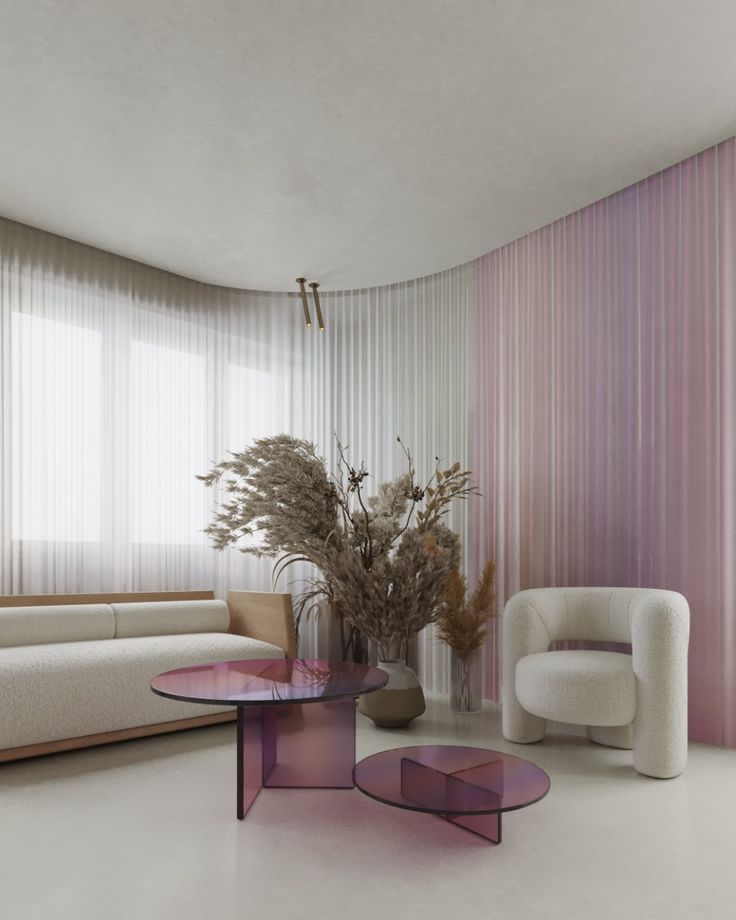
The Milan Expo 2026 stands as a global stage where the future of design is not just imagined but realized. It serves as a melting pot for innovation, creativity, and experimentation, drawing designers, manufacturers, and thought leaders from all over the world. One central takeaway from the Expo is that design has no ultimate answer. It is an ever-evolving process that continuously adapts to meet the shifting needs and aspirations of society.
As we look to the future, the Expo offers a glimpse into the kinds of products that will define the coming decades—products that will be smarter, more sustainable, and more deeply integrated into our daily lives. What will the future of design look like? Milan Expo 2026 suggests that the answers are fluid, dynamic, and shaped by a variety of forces, from technological advancements to consumer demands for sustainability. This article will explore the key insights from Milan Expo 2026 and how they point to the future of product design.
1. The Fluid Nature of Design: Why There’s No Ultimate Answer
The very essence of design is that it has no ultimate answer. Design is not a static concept; rather, it is a continuous evolution that responds to cultural, technological, and environmental shifts. Whether it is product design, architectural design, or fashion design, the process is always adapting to new demands and possibilities.
Historically, the role of design has evolved significantly. In the early 20th century, design was largely focused on functionality—designers sought to make products that were practical and useful. As time passed, aesthetic design took center stage, driven by the desire for beauty and personal expression. In the last few decades, the focus has shifted to experiential design, where the user experience, rather than the product itself, became the priority.
At the Milan Expo, we can see this ongoing evolution in the products and installations on display. There is no singular “end goal” in design; instead, it is a fluid conversation between creators and the world around them. Products are continually redefined by changing societal values, technological breakthroughs, and the pressing challenges of the times.

2. The Impact of Technology on the Future of Products
One of the most prominent influences on the future of product design is technology. As we look ahead, the fusion of artificial intelligence (AI), robotics, and virtual reality (VR) will fundamentally change the way we design and interact with products. Technology is becoming an inseparable part of the design process, enabling products to be smarter, more efficient, and more personalized.
At the Milan Expo 2026, we saw an increasing number of products that leverage AI to adapt to users' needs. From smart home devices to wearables, the integration of AI allows products to learn from user behavior and anticipate needs. These products are no longer just tools; they are becoming companions, seamlessly integrating into the user’s life.
For example, 3D printing technology allows for customized design solutions, enabling consumers to create and modify products to suit their preferences. Similarly, robotics is transforming manufacturing processes, making it easier to produce highly tailored products at scale.
As products become more interconnected through IoT (Internet of Things), the lines between physical objects and digital experiences will blur. The future of design will be driven by the seamless integration of technology that anticipates and responds to user needs.
3. Sustainability: The Unavoidable Force in Future Design
Sustainability is no longer a trend but a fundamental expectation of future product design. At Milan Expo 2026, sustainability was a key theme, with designers and manufacturers focusing on eco-friendly materials, energy-efficient technologies, and circular economy models.
The consumer demand for sustainability is growing, driven by concerns over climate change and resource depletion. Consumers are increasingly looking for products that not only serve a functional purpose but also have a minimal environmental footprint. This demand is being reflected in the products displayed at the Milan Expo, where sustainable design is not just a consideration, but a central tenet.
From the use of recycled materials to the development of products that can be easily repaired or repurposed, the future of design will be inherently sustainable. Brands like Patagonia and Tesla are already leading the way in embedding sustainability into their design processes, and many others will follow suit.
In the future, product lifecycles will be reimagined, with an emphasis on durability, reuse, and recycling. As sustainability becomes a mainstream priority, products that are designed with environmental responsibility in mind will have a clear market advantage.
4. User-Centered Design: Products as Solutions to Real-Life Problems
Another key theme at Milan Expo 2026 is the emphasis on user-centered design. The future of product design will be deeply focused on human needs—designing products that not only solve problems but also improve the user experience.
As consumers become more empowered and informed, they demand products that are adaptable to their individual lifestyles. The future of design will prioritize creating solutions to real-world challenges, whether that means developing products that enhance health and wellness, or designing products that simplify everyday tasks.
For example, products that focus on accessibility—ensuring that all individuals, regardless of age or ability, can use them—will become increasingly important. Personalized design will also become more prevalent, with products tailored to individual preferences and needs. The future will be marked by a shift from one-size-fits-all to customizable, adaptable solutions.
At the Milan Expo, designers showcased innovative products that addressed specific user needs—whether it was assistive technologies for people with disabilities, ergonomically designed furniture, or smart healthcare products that track and improve health outcomes.
5. The Role of Aesthetics and Emotional Connection in Future Products
While functionality and sustainability are key, aesthetics and emotional connection are also crucial factors in the future of design. As products become more intuitive and functional, the emotional appeal and aesthetic value will increasingly define their market success.
The future of design will involve products that resonate emotionally with consumers. Whether it’s through the visual beauty of a product or the emotional satisfaction it provides, consumers will be looking for products that forge meaningful connections.
The Milan Expo 2026 showcased products that weren’t just functional but also emotionally engaging. Smart fashion, for instance, integrates personal style with technology, creating emotional resonance through design. Similarly, furniture brands are exploring how aesthetic simplicity can evoke emotional responses while maintaining functionality.
6. Conclusion
The Milan Expo 2026 provides a glimpse into a future where design is continually evolving, responding to technological advancements, sustainability demands, and user-centered needs. As we move forward, the future of product design will be shaped by interconnected technologies, sustainability, and emotional appeal.
There is no ultimate answer in design—only an ongoing dialogue between creators and consumers that will result in innovative, personalized, and responsible products. The Milan Expo reminds us that the future of design is dynamic, ever-evolving, and full of possibilities.
READ MORE:
- The Biggest Challenge the 2026 Milan Expo Brings to the Design World: How to Balance Aesthetics and Functionality
- Why 'Minimalism' is the Design Trend with the Most Market Potential at the Milan Expo
- 2026 Milan Expo Proves: Product Innovation is No Longer the Only Competitive Edge
- Visual Summary + Data Insights: Reviewing This Month’s Content and Engagement Growth Path
- How to Improve Content Performance Through Data Review? In-Depth Case Analysis of This Month
- Understanding Monthly Performance at a Glance: Engagement Trends and Viral Content Summary
- From Data to Strategy: სრული Analysis of This Month’s Top Content and Engagement Highlights
- Monthly Engagement Data Review: What Content Truly Captured User Attention?
- Must-Read for Business: Cost Control Differences Between Acrylic and Alternatives


