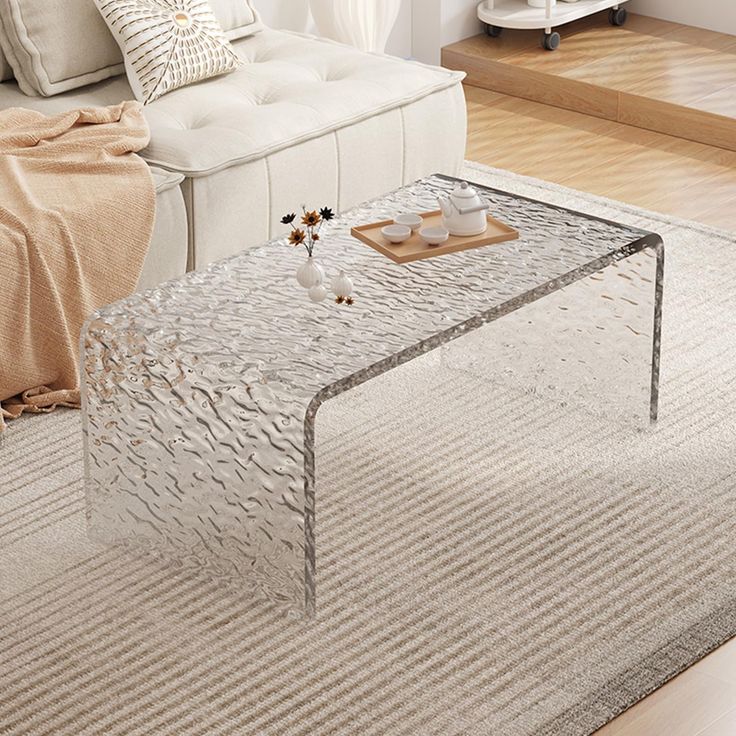
The Milan Expo 2026 will be a landmark event in the design world, showcasing the latest innovations and pushing the boundaries of creativity. As designers and brands gather to present their work, one question looms large: how do we balance aesthetics and functionality in design?
For centuries, design has been caught in a delicate balancing act between creating products that are beautiful and those that are useful. In today’s fast-paced, consumer-driven world, the line between aesthetics and function is increasingly blurred. Products need to look good, feel intuitive, and, most importantly, serve their intended purpose. At the Milan Expo 2026, designers are faced with the critical challenge of reconciling these two often-competing aspects of design. This article will explore the central challenge posed by the Expo: how to design products that are both aesthetically pleasing and functionally effective.
1. The Role of Aesthetics and Functionality in Design
At the heart of every design lies a push and pull between aesthetics and functionality. Aesthetics refers to the visual appeal of a product—the colors, shapes, and materials that attract the eye and spark emotion. Functionality, on the other hand, relates to how well a product serves its intended purpose, whether that’s a tool, a piece of furniture, or an electronic device.
Historically, the tension between form and function has been an ongoing debate in the design world. The Bauhaus movement, which emerged in the early 20th century, is often credited with uniting form and function by emphasizing the importance of simple, utilitarian designs that also embraced aesthetic beauty. The movement proved that elegance and practicality could go hand-in-hand, influencing a wide range of design disciplines, from architecture to industrial design.
In the modern world, the consumer’s desire for both beauty and utility has only grown. A product may be well-designed from a functional standpoint, but if it fails to captivate the user’s eye, it might never make it to the shopping cart. Similarly, a product that is visually stunning but doesn’t work well risks becoming a decorative object rather than a tool for everyday life. In this context, the Milan Expo 2026 serves as a reminder of the ongoing struggle to design products that balance both aesthetics and functionality.
2. The Growing Demand for Multi-Functional Products
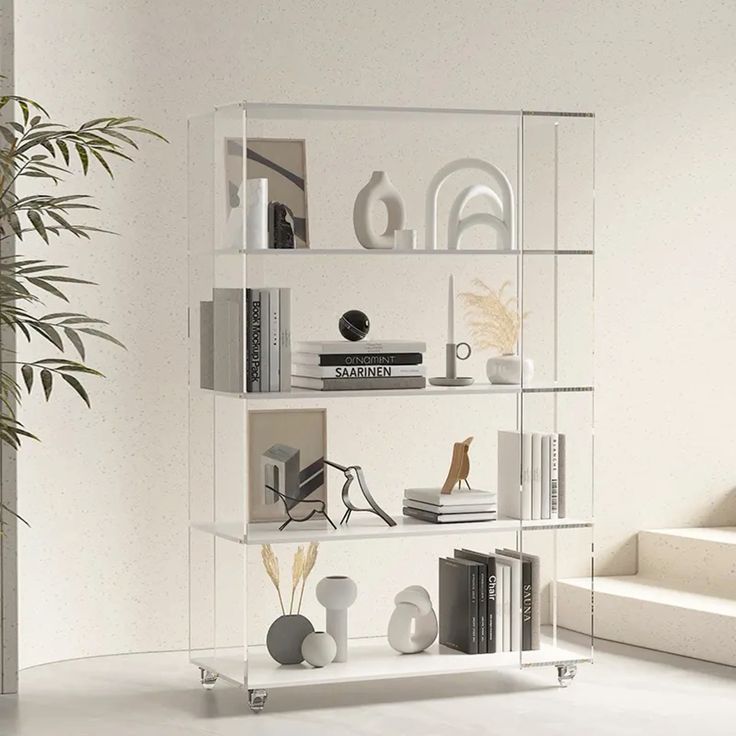
In recent years, there has been a growing demand for multi-functional products—items that combine multiple uses without compromising on their visual appeal. This trend is closely tied to minimalist design, where the goal is to create objects that do more with less.
At Milan Expo 2026, several products have embraced this approach by blending aesthetic elegance with functional versatility. Multi-functional furniture pieces, for instance, combine stylish design with practical features such as hidden storage or adjustable components. Similarly, in technology, smart home devices that blend sleek design with advanced functionality are becoming increasingly popular.
The modern consumer no longer wants to choose between a product that looks good and one that works well. They want both, and they want them in a single package. Products that are multi-functional can serve multiple purposes, saving space, resources, and cost. This growing consumer demand has challenged designers to think more creatively about how to combine beauty and utility.
3. Technology’s Impact on Aesthetics and Functionality
New technologies are revolutionizing product design, providing unprecedented opportunities to enhance both aesthetics and functionality. The integration of artificial intelligence (AI), smart technologies, and 3D printing into products is changing the way designers approach the aesthetic-functionality dilemma.
For example, the rise of smart technology has allowed designers to create sleek, intuitive products that serve practical purposes while also looking good. Smartphones, wearables, and home automation devices combine cutting-edge functionality with modern aesthetics, making them not only useful tools but also desirable objects.
AI and IoT (Internet of Things) integration have also contributed to smarter, more efficient products. These technologies allow for the creation of adaptive designs—products that change and evolve based on user input. Such designs prioritize the user’s needs, seamlessly blending function and beauty.
At Milan Expo 2026, we see products where technology enhances functionality without detracting from aesthetics. For example, 3D-printed products are both functional and visually striking, allowing for complex shapes and customized designs that were once impossible to achieve with traditional manufacturing methods.
4. The Challenges of Maintaining User-Centered Design
One of the biggest challenges in balancing aesthetics and functionality is maintaining a user-centered approach to design. The product must be intuitive and easy to use, while still being visually appealing. However, the more complex a product becomes in terms of functionality, the more difficult it is to keep its aesthetic appeal intact.
In some cases, the user-centered design focus can conflict with aesthetic choices. For example, a product that prioritizes accessibility—such as a wheelchair or a hearing aid—might not always be as visually striking as a designer item. On the other hand, a purely aesthetic design might overlook certain ergonomic principles, leading to a product that looks good but is uncomfortable or impractical to use.
At Milan Expo 2026, many designers showcased products that prioritized usability without sacrificing beauty. Ergonomic furniture, adaptive devices, and inclusive designs demonstrated how functionality can be seamlessly integrated into visually pleasing forms. The key challenge is designing products that cater to diverse user needs while ensuring that they remain appealing.
5. Sustainability and the Balance of Aesthetics and Functionality
In today’s design world, sustainability is an undeniable force that influences how products are made. The demand for eco-friendly materials, energy-efficient designs, and durable products adds another layer to the balance of aesthetics and functionality.
Designing sustainable products without sacrificing aesthetic appeal or utility is one of the greatest challenges faced by designers today. Many products at Milan Expo 2026 showcased sustainable materials—such as recycled plastics, natural fibers, and biodegradable components—without compromising on the product’s beauty or function.
For example, sustainable furniture designs at the Expo used wood and bamboo, offering elegant, minimalist aesthetics while ensuring that the materials were eco-friendly. Similarly, energy-efficient appliances were designed to look sleek and modern, proving that sustainability does not mean sacrificing style or function.
6. Conclusion
The challenge of balancing aesthetics and functionality in design is one that has existed for centuries and continues to be a central theme at the 2026 Milan Expo. As technology evolves, sustainability becomes more urgent, and consumers demand both beauty and utility, designers must navigate the delicate interplay between these elements.
The Milan Expo 2026 serves as a reminder that there is no one-size-fits-all solution to the aesthetics-functionality dilemma. Each product is unique, and the challenge lies in finding the perfect balance between form and function. As we look toward the future, the integration of smart technology, sustainability, and user-centered design will continue to shape the next generation of products, offering exciting possibilities for the design world.
READ MORE:
- Design Has No Ultimate Answer: What the 2026 Milan Expo Tells Us About the Future of Products
- Why 'Minimalism' is the Design Trend with the Most Market Potential at the Milan Expo
- 2026 Milan Expo Proves: Product Innovation is No Longer the Only Competitive Edge
- Visual Summary + Data Insights: Reviewing This Month’s Content and Engagement Growth Path
- How to Improve Content Performance Through Data Review? In-Depth Case Analysis of This Month
- Understanding Monthly Performance at a Glance: Engagement Trends and Viral Content Summary
- From Data to Strategy: სრული Analysis of This Month’s Top Content and Engagement Highlights
- Monthly Engagement Data Review: What Content Truly Captured User Attention?
- Must-Read for Business: Cost Control Differences Between Acrylic and Alternatives


