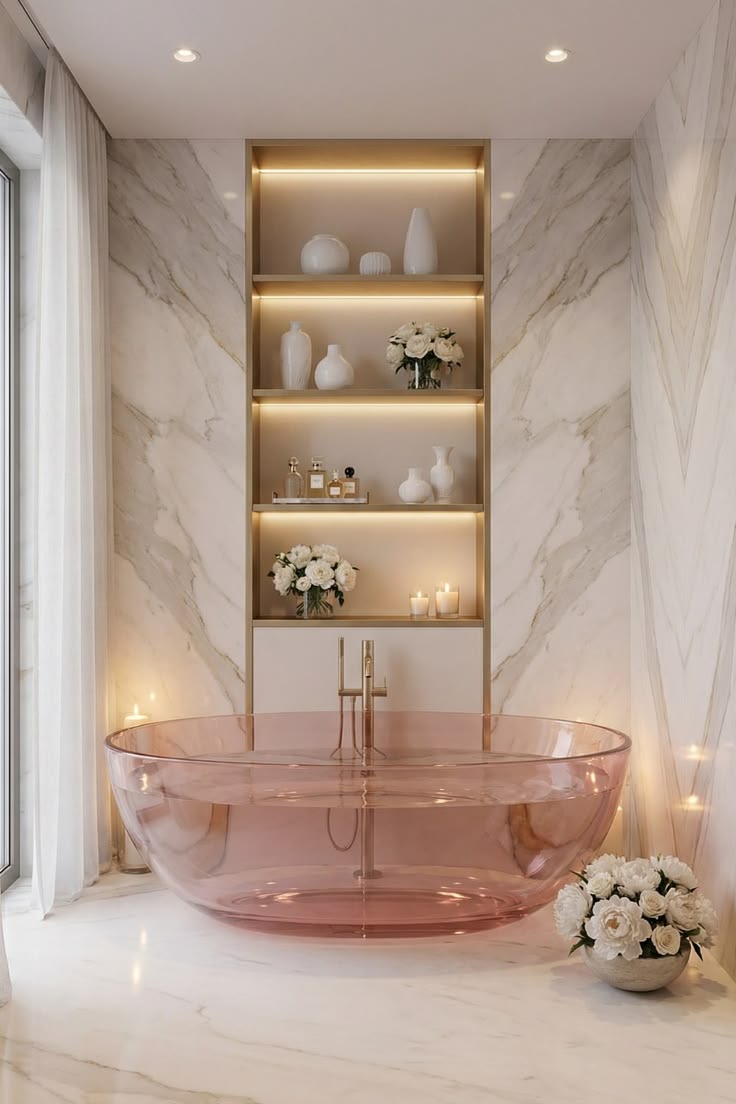
The Milan Expo 2026 has always been a stage for global design innovation, where the latest trends and technologies are showcased to the world. However, one of the most profound insights emerging from the Expo is not just about new products or technologies—it’s about a deeper shift in consumer behavior. The 2026 Milan Expo reveals a transformative change in the way people approach consumption: consumers are no longer just buying "things." Instead, they are purchasing feelings, experiences, and emotional connections.
Gone are the days when consumers simply evaluated products based on functionality or price. Today, emotions play a crucial role in shaping purchasing decisions. The Expo serves as a powerful reminder of how products and brands are not only seen as functional objects but also as vessels that deliver personal connections and emotional fulfillment. This article explores the shift in consumer behavior from material purchases to emotional experiences, highlighting key trends and lessons that the Milan Expo 2026 offers to the design and business worlds.
1. The Evolution of Consumer Behavior
Over the past few decades, consumer behavior has undergone a profound transformation. Traditionally, consumers made purchasing decisions based on practical needs, with functionality and price being the primary drivers. The rise of mass production in the mid-20th century made products more accessible, and consumers began purchasing based on utility—the tangible, functional benefits of an item.
However, this approach to consumption began to change in the late 20th and early 21st centuries. As globalization and technology revolutionized the market, a shift occurred where consumers began valuing experiences over material possessions. The emergence of social media, online reviews, and influencer culture reshaped the way consumers perceived products, emphasizing their emotional and experiential value.
Today, consumers are not just buying products; they are buying lifestyle and emotions. A great example of this is the rise of premium brands like Apple, which sell not just phones, but a sense of status, innovation, and exclusivity. The brand has created an emotional connection with its customers, where buying an iPhone is not merely about owning a phone; it’s about embracing a certain lifestyle and emotional identity.
2. The Role of Experiences in Modern Consumption
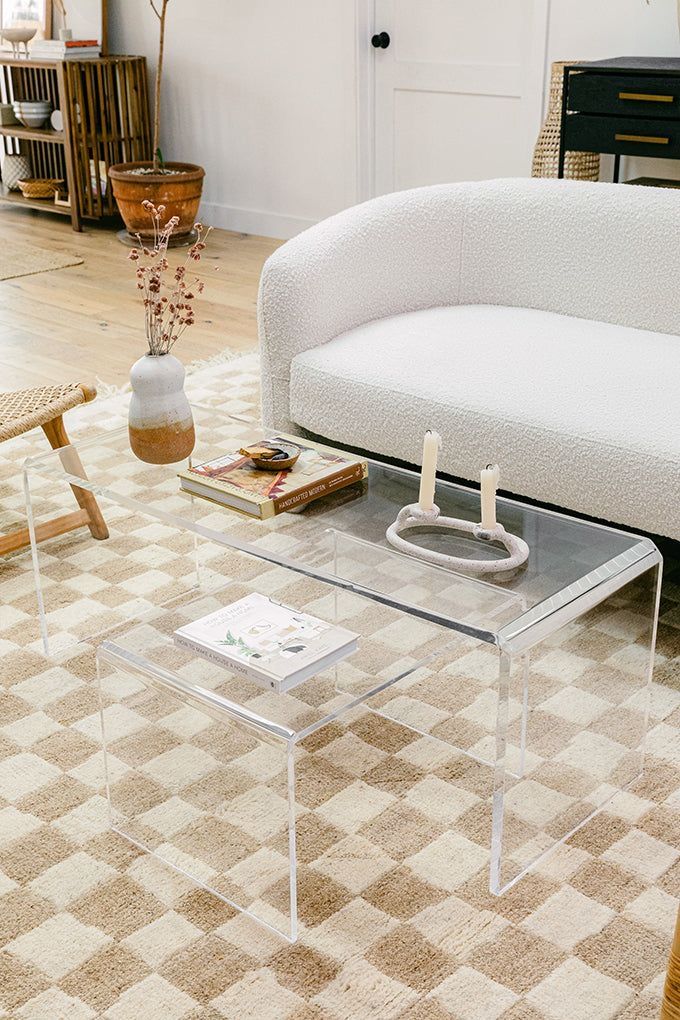
In the world of modern consumption, experiences are becoming the currency of value. Consumers are increasingly seeking products and services that offer them more than just physical goods—they want memorable experiences that resonate emotionally. Experiential marketing has become a dominant force, with brands seeking to create immersive and engaging environments that go beyond the product itself.
At Milan Expo 2026, this trend was evident in how many brands designed their exhibits. Rather than simply showcasing products, many designers created experiential zones that allowed visitors to interact with products in ways that evoked emotions—whether through sensory engagement (touch, sound, smell) or through stories that connected with the visitor on a deeper, personal level.
For example, many brands focused on creating interactive experiences, where consumers could engage with the product in an emotional and tangible way. Whether it was through virtual reality (VR) or augmented reality (AR), the experience was designed to make the consumer feel something beyond the product’s utility. Consumers are now gravitating toward brands that provide memorable moments that align with their personal values, which leads them to become more emotionally invested in the product or brand.
3. Designing for Emotional Impact
As the demand for emotional experiences grows, emotional design has become a crucial aspect of modern product development. Emotional design refers to creating products that evoke specific feelings or memories, whether through aesthetic appeal, tactile sensations, or even the product’s ability to serve a deeper purpose in the user’s life.
At Milan Expo 2026, we saw numerous examples of products designed specifically to elicit emotional responses. These products were not just functional but were designed with human emotions in mind—whether it was through color psychology, material choices, or form. Designers are increasingly looking at how products can make people feel comfortable, safe, joyful, or even nostalgic.
For instance, products were created to evoke a sense of comfort or luxury, such as soft-textured furniture that made people feel at ease. Additionally, many products incorporated interactive elements that allowed users to forge an emotional connection with the product—whether through sound, touch, or even scent. In this way, design is not just about what a product does, but how it makes consumers feel when they interact with it.
4. The Power of Branding and Emotional Connections
Branding has always been important, but in today’s consumer-driven market, it has evolved beyond mere logos and marketing campaigns. Successful brands today are those that create strong emotional connections with their consumers. Modern branding is about cultivating a relationship—a bond—with the consumer that transcends the physical product.
At Milan Expo 2026, many of the most compelling exhibits were from brands that had mastered this emotional connection. These brands understood that today’s consumers are not just buying products—they are buying into a brand narrative that aligns with their values, aspirations, and emotions.
Take, for example, Patagonia, a brand that has positioned itself as more than just an outdoor clothing company. Through its commitment to environmental sustainability and ethical practices, Patagonia has created an emotional connection with its customers who value social responsibility. Consumers don’t just purchase Patagonia products for their functionality—they purchase them because they resonate with the brand’s values and mission.
Brands that successfully foster emotional connections can build a loyal following, as consumers feel that their personal identity is aligned with the company’s ethos. This creates a level of trust that leads to long-term customer loyalty, which goes far beyond just the transactional nature of traditional product purchases.
5. The Future of Consumption: How Feelings Will Shape the Marketplace
As we look to the future, emotions will continue to play a central role in shaping the marketplace. Consumers are increasingly seeking personalized experiences that reflect their emotional needs and align with their values. This trend is being driven by technology, personalization, and data analytics, which allow brands to create tailored experiences for their customers.
For instance, artificial intelligence (AI) and machine learning enable brands to offer products and services that are more personalized and emotionally relevant to each consumer. AI-driven customization allows for greater personalization of products, such as customized clothing, accessories, or even experiences, making the consumer feel that the product has been created just for them.
Additionally, sustainability and social impact will continue to be significant factors influencing emotional purchasing decisions. Consumers are increasingly drawn to brands that support social causes and sustainable practices, as these align with their emotional and ethical values.
The Milan Expo 2026 serves as a powerful reminder that the future of consumption will be driven by emotions, and brands must understand how to tap into these emotions to stay relevant.
6. Conclusion
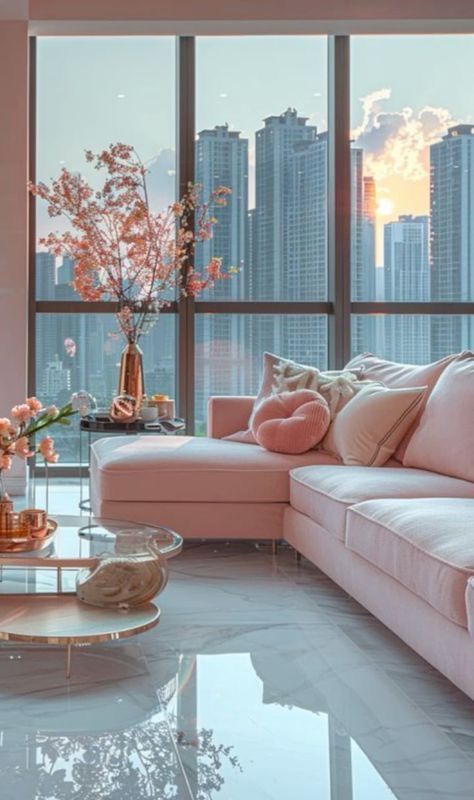
The Milan Expo 2026 has unveiled an important shift in consumer behavior: consumers are no longer just buying products; they are buying experiences, emotions, and connections. As the world moves further into an age of personalization and emotional design, brands and designers must recognize that the most successful products will be those that forge strong emotional bonds with their customers.
As we look to the future, the ability to connect with consumers on an emotional level will be the ultimate determinant of success in the marketplace. The Milan Expo 2026 signals a new era in design, where emotions take center stage in the products and services we choose, shaping a marketplace that is no longer just about things, but about how those things make us feel.
READ MORE:
- From Failed Execution to Flawless Result — A Crystal Sculpture Reimagined
- Can lighting be integrated into structural transparent elements?
- How do you achieve seamless joints in complex shapes?
- Can thick Synthetic Crystal maintain clarity without distortion?
- From Material Fatigue to Repeat Purchases: How Durability Drives Long-Term Value
- Furniture Industry Trends: Regional Demand Shifts & Product Opportunities
- Is Transparent Material Worth It? Acrylic vs Other Materials—Full Comparison
- No Inspiration for Color Matching? 5 Sources to Spark Best-Selling Designs
- How to Choose Furniture Colors? 3 Tips Combining Color & Transparency for a Premium Look


