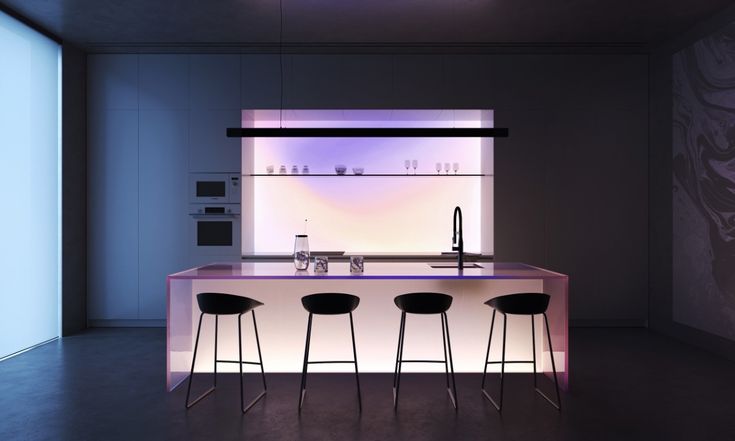
In the evolving global furniture market, one of the most significant transformations is the shift from standardized product offerings to region-specific demand strategies. As globalization matures and consumer awareness deepens, the “one-size-fits-all” approach is rapidly losing relevance. Instead, manufacturers, designers, and retailers are increasingly required to understand localized needs, cultural preferences, and economic realities.
Regional demand is no longer a secondary consideration—it is now a primary driver of product development, inventory planning, and market expansion. For businesses seeking growth, identifying and responding to these shifts presents not only a challenge but also a powerful opportunity to develop best-selling products tailored to specific markets.
1. The Reshaping of the Furniture Industry by Regional Demand
The global furniture industry is undergoing a structural shift. Historically, companies focused on scaling production and distributing standardized designs across multiple markets. Today, that model is being replaced by a more nuanced, demand-driven approach.
Consumers in different regions exhibit distinct preferences shaped by culture, climate, living conditions, and lifestyle. For example, urban populations in Asia prioritize compact, multifunctional furniture due to limited space, while consumers in North America often favor larger, comfort-oriented pieces.
At the same time, digital commerce has amplified these differences. Online platforms allow consumers to access global products while still expecting localized relevance. As a result, businesses must balance global efficiency with local adaptability.
This shift marks a transition from product-centric thinking to demand-centric strategy, where understanding regional nuances becomes essential for success.
2. Key Drivers Behind Regional Demand Shifts
Several underlying factors are driving the diversification of furniture demand across regions.
Economic development plays a central role. Higher-income markets tend to prioritize design, quality, and brand identity, while emerging markets often emphasize affordability and functionality. This directly influences material selection, production techniques, and pricing strategies.
Living space is another critical factor. In densely populated cities, smaller apartments drive demand for modular, foldable, and space-saving furniture. In contrast, regions with larger homes allow for more expansive and decorative pieces.
Demographic changes also shape demand. The rise of single-person households increases the need for compact and versatile furniture. Aging populations require ergonomic and accessible designs, while younger consumers often seek trendy, customizable options.
Digitalization further accelerates change. Consumers are more informed and trend-aware, making purchasing decisions based on both functionality and aesthetics. Social media and e-commerce platforms play a major role in shaping preferences.
Sustainability is another growing influence, though its importance varies by region. European markets often lead in eco-conscious consumption, while other regions are gradually adopting similar values.
3. Regional Market Trends: A Comparative Overview
Different regions present distinct opportunities based on their unique demand patterns.
In North America, comfort and functionality dominate. Consumers prioritize ergonomic design, durability, and convenience. Upholstered furniture, recliners, and multifunctional storage solutions perform well in this market.
Europe emphasizes sustainability and design sophistication. Consumers are highly sensitive to materials, craftsmanship, and environmental impact. Minimalist styles, natural materials, and modular systems are particularly popular.
Southeast Asia represents a rapidly growing market driven by urbanization. Space efficiency and affordability are key considerations. Lightweight materials, compact designs, and cost-effective solutions are essential for success.
The Middle East market leans toward luxury and customization. Consumers often prefer bold designs, premium materials, and personalized furniture solutions that reflect status and identity.
China, as a dynamic and evolving market, is shaped by the rise of the middle class. Consumers increasingly demand a balance between aesthetics, quality, and price. There is also a strong trend toward personalization and modern design.
Understanding these regional differences is crucial for identifying where and how to position products effectively.
4. Product Selection Strategies Based on Regional Differences
Adapting product strategies to regional demand requires a multi-dimensional approach.
First, product positioning must align with local expectations. In premium markets, emphasizing design and brand value is essential, while in price-sensitive regions, functionality and affordability take precedence.
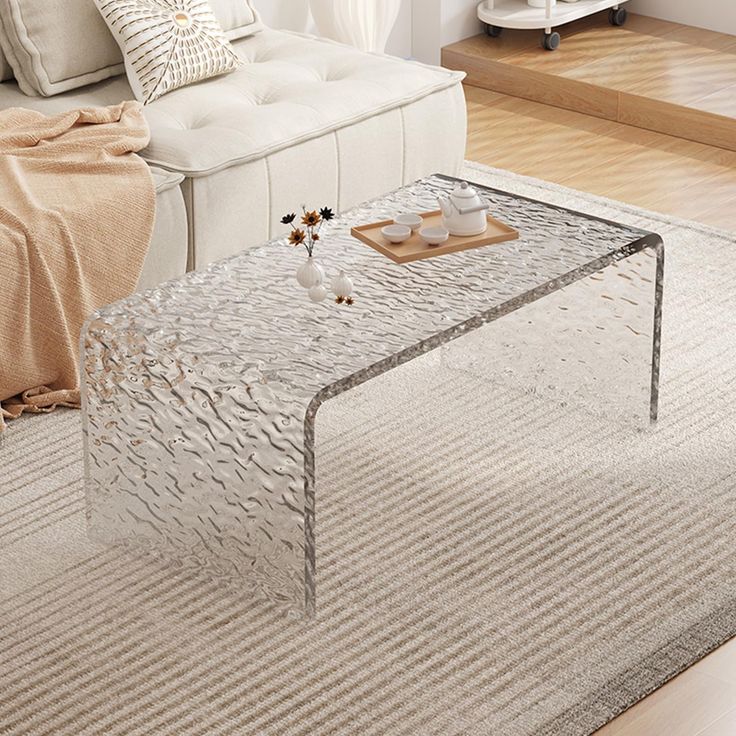
Material selection also varies significantly. Acrylic furniture, for example, is gaining popularity in modern, space-conscious markets due to its transparency and lightweight properties. In contrast, solid wood remains dominant in regions that value tradition and durability, while metal is often used in industrial or commercial contexts.
Style preferences differ as well. Minimalism is widely accepted in developed markets, while decorative and ornate styles may perform better in regions with strong cultural influences.
Functionality is another key differentiator. Storage solutions, modular systems, and multi-purpose designs are critical in small-space markets, whereas larger homes allow for more specialized furniture pieces.
Pricing strategy must also be tailored. Offering tiered product lines can help address different income segments within the same region.
5. From Trends to Best-Sellers: Identifying Product Opportunities
Recognizing trends is only the first step—transforming them into successful products requires strategic execution.
Data analysis plays a crucial role in identifying high-potential opportunities. Sales data, search trends, and customer feedback can reveal unmet needs and emerging preferences.
Cross-regional adaptation is another effective strategy. A successful product in one market can often be modified to suit another by adjusting size, materials, or features. For example, a large modular sofa designed for North America can be reconfigured into a compact version for Asian markets.
Niche markets also offer significant potential. Specialized needs—such as pet-friendly furniture, home office solutions, or eco-friendly products—can become high-growth segments when addressed effectively.
Speed is a competitive advantage. Companies that can quickly respond to demand shifts and bring products to market faster are more likely to capture emerging opportunities.
6. Future Outlook: Long-Term Trends and Strategic Opportunities
Looking ahead, several long-term trends will continue to shape the furniture industry.
Global supply chains are being restructured, with increased emphasis on flexibility and regional production. This shift allows companies to respond more quickly to local demand changes.
Sustainability will become increasingly important. Eco-friendly materials, recyclable designs, and responsible manufacturing processes are expected to gain wider adoption across all markets.
Technology integration is another major trend. Smart furniture, incorporating features such as charging ports, lighting, and connectivity, is becoming more relevant, especially among younger consumers.
Customization will continue to grow. Advances in manufacturing and digital tools make it easier to offer personalized products at scale, enhancing customer satisfaction and brand loyalty.
Ultimately, companies that succeed will be those that combine global vision with local execution. By aligning product strategies with regional demand, businesses can not only adapt to change but actively shape the future of the furniture industry.
Conclusion
The shift toward region-driven demand is redefining how furniture products are designed, produced, and marketed. It challenges traditional models while opening new pathways for innovation and growth.
For designers and businesses alike, the key lies in understanding that no single product can meet all needs. Success depends on the ability to interpret regional differences, adapt strategies accordingly, and execute with precision.
In this evolving landscape, those who embrace flexibility, data-driven decision-making, and localized thinking will be best positioned to identify product opportunities—and turn them into lasting success.
Contact
LinkedIn: https://www.linkedin.com/in/adtender-zyra/?locale=zh_CN
Facebook: https://www.facebook.com/profile.php?id=61586259131631
Instagram: https://www.instagram.com/zzzzyyrraa4/
YouTube: https://www.youtube.com/@ZZZZyra-k7w
Office: (904) 258-3290
WhatsApp/Wechat: +86 18923188839
READ MORE:
- From Failed Execution to Flawless Result — A Crystal Sculpture Reimagined
- Can lighting be integrated into structural transparent elements?
- How do you achieve seamless joints in complex shapes?
- Can thick Synthetic Crystal maintain clarity without distortion?
- From Material Fatigue to Repeat Purchases: How Durability Drives Long-Term Value
- Is Transparent Material Worth It? Acrylic vs Other Materials—Full Comparison
- No Inspiration for Color Matching? 5 Sources to Spark Best-Selling Designs
- How to Choose Furniture Colors? 3 Tips Combining Color & Transparency for a Premium Look
- The Deeper Insights from Milan Expo: Consumers Are No Longer Just Buying 'Things', They Are Buying 'Feelings'


