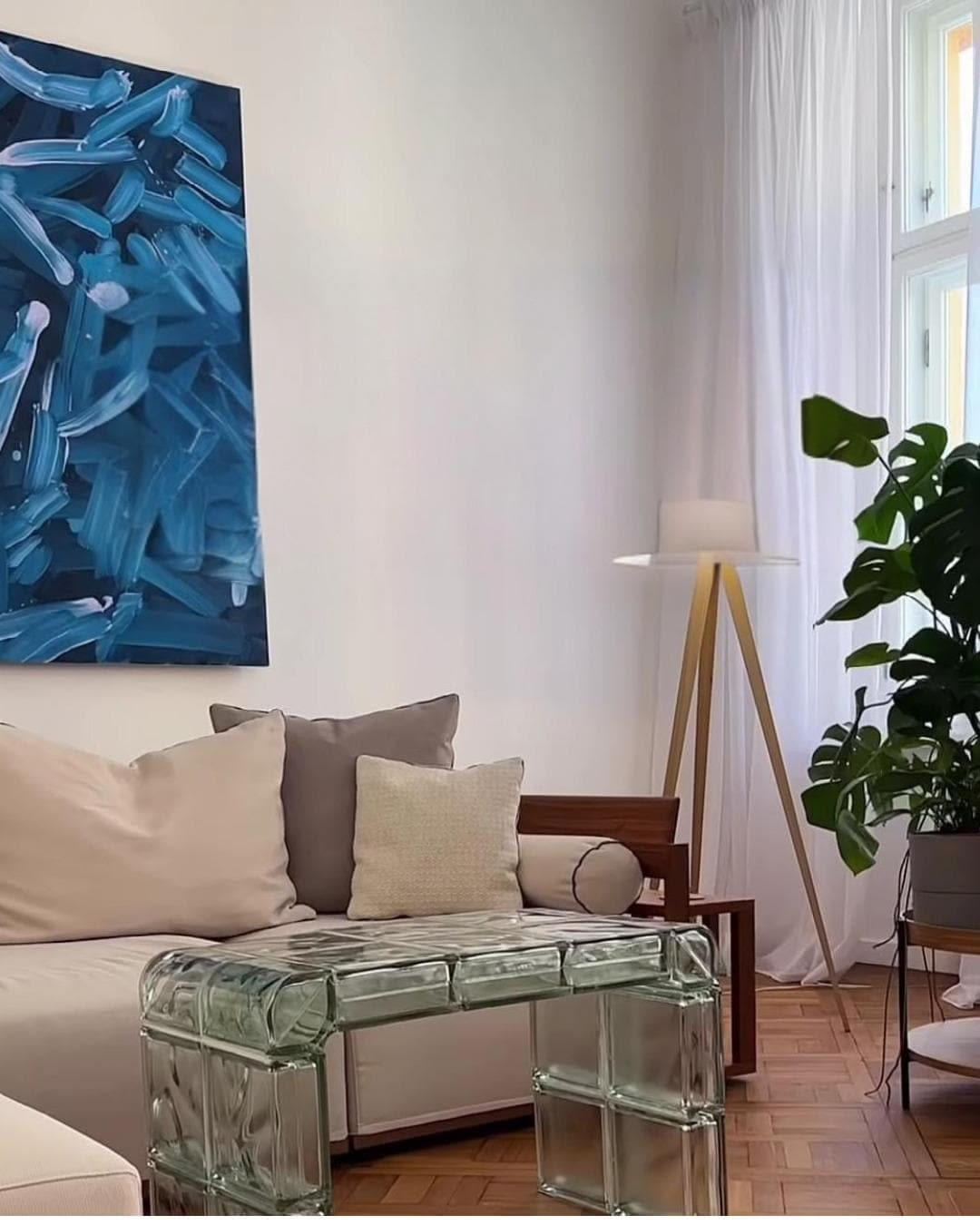
In contemporary design, materials are no longer just structural elements—they are strategic tools for shaping perception, enhancing user experience, and defining brand identity. Among emerging material trends, transparent materials have gained significant attention, especially in product design, retail display, and modern interiors. Acrylic furniture, clear display systems, and transparent product casings are increasingly visible across industries.
Yet a critical question remains: Is transparent material truly worth the investment? While visually striking, it comes with trade-offs in durability, cost, and usability. This article provides a comprehensive, professional evaluation of acrylic compared with other common materials, helping designers and manufacturers make informed decisions.
1. The Rise and Debate of Transparent Materials in Modern Design
Transparent materials have surged in popularity due to the growing demand for minimalism and spatial efficiency. In urban environments where space is limited, visual lightness becomes a design advantage. Transparent elements reduce visual clutter, making spaces appear larger and more open.
From a design language perspective, transparency aligns with modern aesthetics—clean, futuristic, and unobtrusive. It allows other elements such as color, lighting, and structure to stand out without interference.
However, the growing adoption of transparent materials has also sparked debate. Critics argue that while transparency enhances aesthetics, it may compromise durability and practicality. Issues such as scratching, maintenance, and long-term wear raise concerns, especially in high-use environments.
Thus, the question is not simply whether transparent materials are attractive, but whether they deliver sustainable value across performance, cost, and user experience.
2. Core Value of Transparent Materials: Beyond Aesthetics
Transparent materials are often misunderstood as purely decorative, but their value extends far beyond appearance.
Visually, transparency creates a sense of openness and continuity. It reduces visual barriers, allowing environments to feel less congested. This is particularly beneficial in retail spaces and small interiors where maximizing perceived space is critical.
Functionally, transparent materials enhance display effectiveness. Products remain fully visible from multiple angles, making them ideal for showcases, retail fixtures, and exhibition design. Light transmission also plays a key role, improving brightness without additional energy consumption.
From a commercial perspective, transparency offers differentiation. In saturated markets, unconventional materials can immediately capture attention and reinforce a brand’s innovative identity.
From the user experience standpoint, transparent materials evoke lightness and modernity. They align with contemporary consumer preferences for simplicity and sophistication.
3. Acrylic Material Analysis: Strengths and Limitations
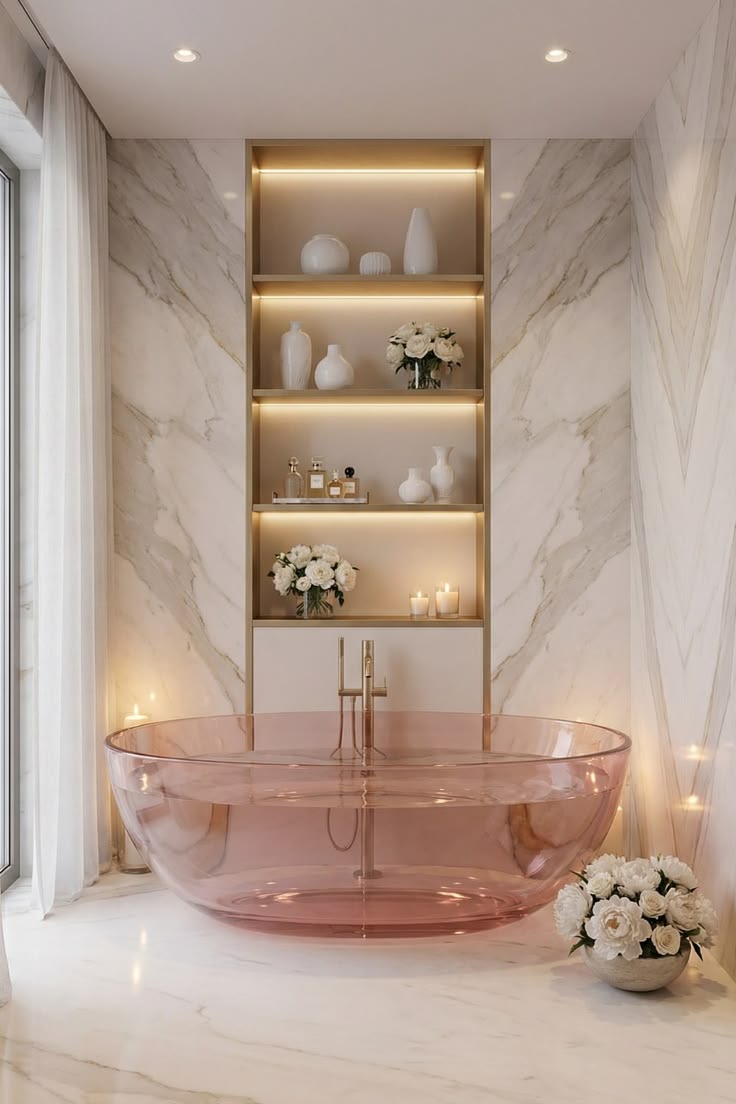
Acrylic, also known as PMMA (polymethyl methacrylate), is one of the most widely used transparent materials. It is often considered the primary alternative to glass due to its high clarity and versatility.
One of acrylic’s most notable advantages is its optical clarity. With a light transmission rate of up to 92%, it can even surpass standard glass in transparency. This makes it highly suitable for display and decorative applications.
Another key benefit is its lightweight nature. Acrylic is significantly lighter than glass, which reduces transportation costs and improves safety during handling and installation. Additionally, it is less prone to shattering, making it safer in residential and commercial environments.
Acrylic is also highly versatile in fabrication. It can be cut, bent, molded, and polished into complex shapes, enabling designers to explore creative forms that would be difficult with more rigid materials.
However, acrylic is not without drawbacks. Its surface is relatively soft, making it prone to scratches. Over time, improper maintenance can reduce its clarity. It also has lower heat resistance compared to materials like glass or metal, limiting its use in high-temperature environments.
Cost variability is another factor. While basic acrylic can be affordable, high-quality, scratch-resistant variants can become expensive, especially when precision fabrication is required.
4. Comparative Analysis: Acrylic vs Other Materials
To determine whether acrylic is the right choice, it must be evaluated against other commonly used materials.
Acrylic vs Glass
Glass offers superior scratch resistance and heat tolerance. It conveys a premium, solid feel that acrylic sometimes lacks. However, glass is heavier, more fragile, and more difficult to process. Acrylic provides similar visual clarity with better safety and flexibility, making it more suitable for dynamic or user-facing environments.
Acrylic vs Polycarbonate (PC)
Polycarbonate is significantly stronger and more impact-resistant than acrylic. It is often used in safety applications such as protective shields. However, PC has lower optical clarity and tends to yellow over time if not treated. Acrylic remains the preferred choice when visual quality is the priority.
Acrylic vs Wood
Wood offers warmth, texture, and a natural aesthetic that acrylic cannot replicate. It is ideal for traditional or cozy environments. In contrast, acrylic delivers a modern, clean look. The choice depends largely on brand positioning and design intent.
Acrylic vs Metal
Metal provides unmatched structural strength and durability. It is essential for load-bearing applications. However, it lacks transparency and can appear heavy or industrial. Acrylic complements metal well in hybrid designs, combining strength with visual lightness.
Increasingly, designers are not choosing one material over another, but integrating multiple materials to achieve both functional and aesthetic balance.
5. Application Scenarios: When Is Transparent Material Worth It?
Transparent materials are not universally suitable. Their value depends heavily on context.
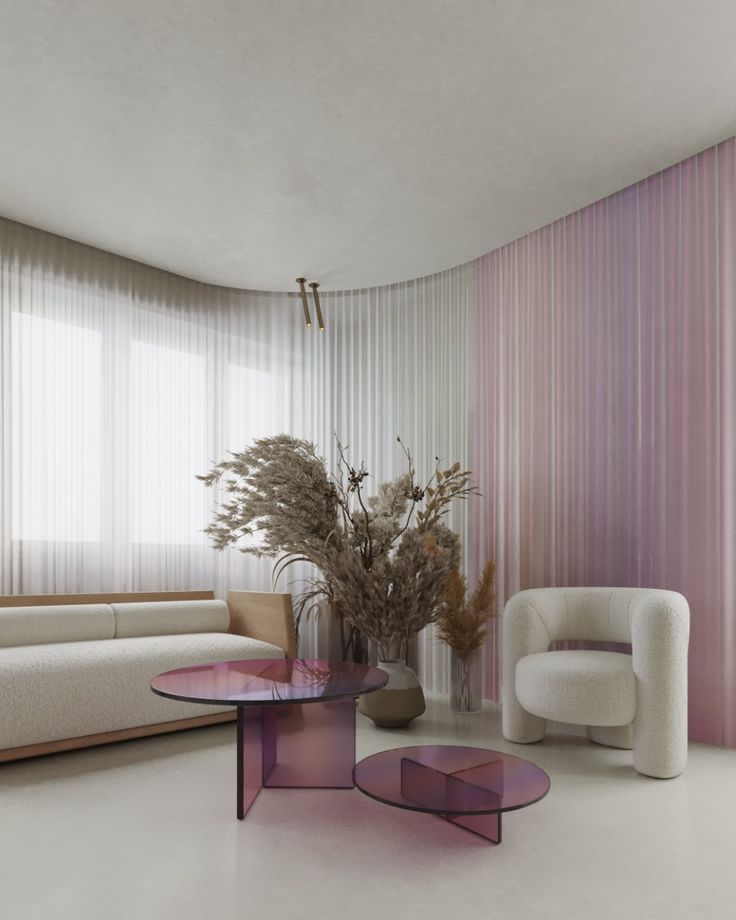
In home design, especially with acrylic furniture, transparency works well in small spaces or modern interiors where openness is desired. Items like chairs, tables, and shelving can maintain functionality without visually occupying space.
In commercial environments, transparency is highly effective for retail displays and exhibition systems. It enhances product visibility and creates a clean, professional presentation.
In product design, transparent casings can showcase internal structures, reinforcing a sense of innovation and engineering precision.
However, there are scenarios where transparent materials are less appropriate. High-traffic environments may accelerate wear and scratching. Applications requiring high heat resistance or heavy structural loads may also exceed acrylic’s capabilities.
The key is to evaluate functional requirements alongside aesthetic goals before making a decision.
6. Decision Guide: How to Choose the Right Material Strategy
Selecting the right material requires a balance between design intent, cost, and performance.
First, define the primary objective. If the goal is visual impact and modern appeal, acrylic is a strong candidate. If durability or structural strength is the priority, other materials may be more suitable.
Second, consider production and supply chain factors. Acrylic requires specialized processing, and quality can vary significantly between suppliers. Reliable sourcing is essential for consistent results.
Third, evaluate the user environment. Exposure to heat, friction, and cleaning frequency will affect material longevity. These factors should inform material selection early in the design process.
Finally, consider long-term brand value. Materials contribute to brand perception. Transparent materials often signal innovation and modernity, which can be a strategic advantage in competitive markets.
Looking ahead, advancements in coatings and composite materials are expected to address many of acrylic’s current limitations, making transparent materials even more viable in the future.
Conclusion
Transparent materials, particularly acrylic, offer a unique combination of visual appeal, versatility, and modern aesthetics. They are not universally superior, but when applied in the right context, they can significantly enhance both design quality and market performance.
The question is not whether transparent materials are “worth it” in general, but whether they are the right solution for a specific design challenge. By understanding their strengths, limitations, and appropriate applications, designers can make informed decisions that balance creativity with practicality.
Ultimately, the true value of any material lies not in its properties alone, but in how effectively it is used.
Contact
LinkedIn: https://www.linkedin.com/in/adtender-zyra/?locale=zh_CN
Facebook: https://www.facebook.com/profile.php?id=61586259131631
Instagram: https://www.instagram.com/zzzzyyrraa4/
YouTube: https://www.youtube.com/@ZZZZyra-k7w
Office: (904) 258-3290
WhatsApp/Wechat: +86 18923188839
READ MORE:
From Failed Execution to Flawless Result — A Crystal Sculpture Reimagined
Can lighting be integrated into structural transparent elements?
Can thick Synthetic Crystal maintain clarity without distortion?
From Material Fatigue to Repeat Purchases: How Durability Drives Long-Term Value
Furniture Industry Trends: Regional Demand Shifts & Product Opportunities
No Inspiration for Color Matching? 5 Sources to Spark Best-Selling Designs
How to Choose Furniture Colors? 3 Tips Combining Color & Transparency for a Premium Look


