
In the world of luxury design, one material consistently stands out for its ability to combine aesthetic brilliance with functional durability: crystal. From its origins as a symbol of opulence to its modern use as a medium for contemporary art, crystal has evolved into a cornerstone of sophisticated interior design. But the true magic happens when crystal transcends its traditional role in furniture and decor and becomes a form of art in its own right.
The marriage of art and luxury has never been more evident than in the creation of high-end synthetic crystal art pieces. Unlike natural crystal, which can be fragile and limited in its design potential, synthetic crystal opens up new avenues for creative expression while offering superior durability. Today, synthetic crystal is used not only for furniture and functional pieces but also as the canvas for exquisite sculptures, art installations, and bespoke designs that redefine the very concept of luxury.
In this article, we will explore the intersection of art and luxury through the creation of crystal art pieces. From the craftsmanship involved to the emotional and aesthetic impact these pieces have on their owners, we will delve into how crystal art is becoming a symbol of timeless elegance, innovation, and exclusivity.
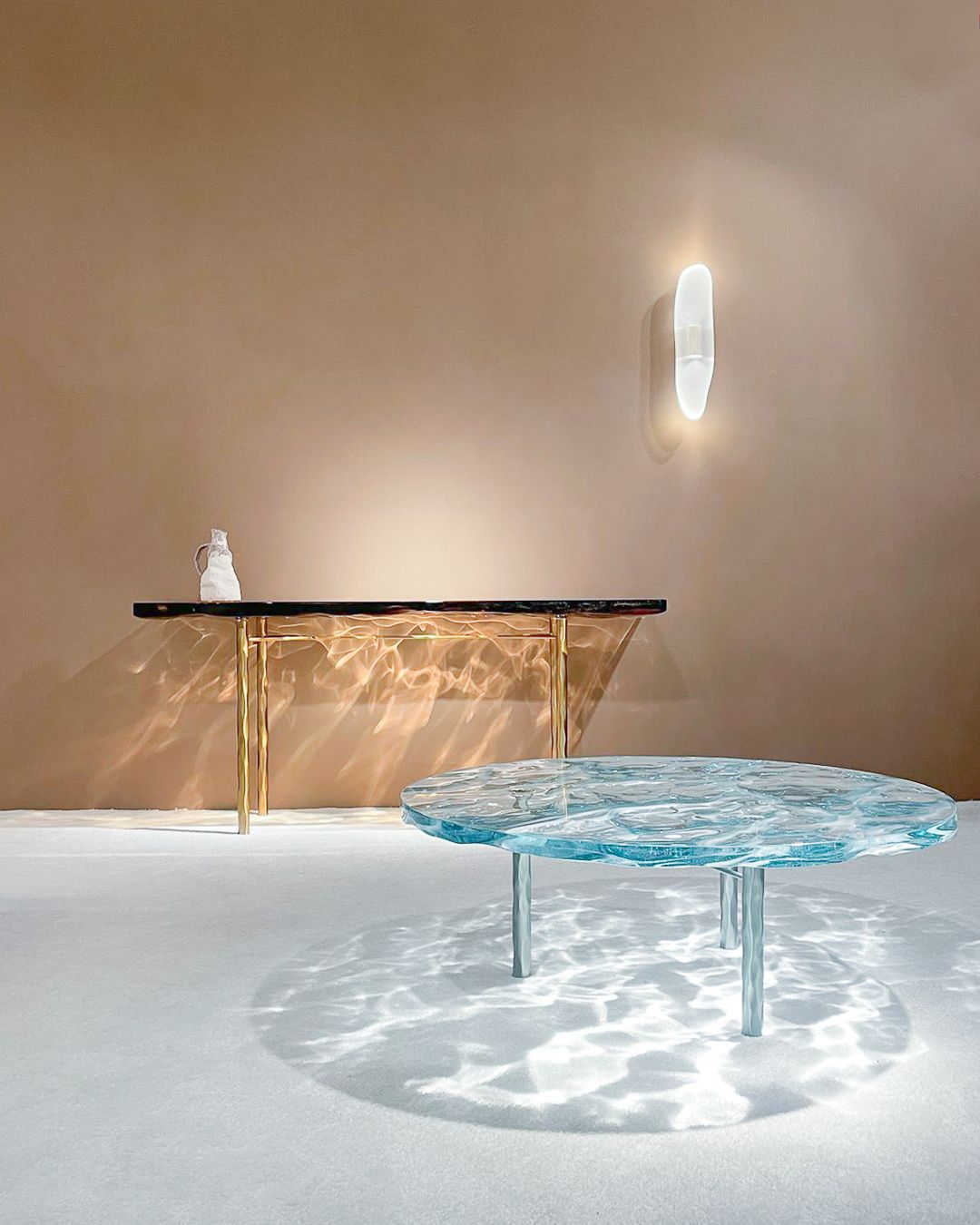
The Essence of Crystal Art: A Fusion of Elegance and Innovation
At its core, crystal is a material that evokes emotions. Its transparency, light-reflecting qualities, and smooth textures give it a mesmerizing, almost ethereal quality. Historically, crystal was reserved for the elite—used in chandeliers, fine glassware, and decorative objects. Today, the scope of crystal art has expanded, and its use is no longer limited to ornamental decor but also as a central artistic expression.
Synthetic crystal—crafted through advanced engineering processes—has revolutionized the art world, providing artists and designers with a more versatile, durable, and ethically sustainable alternative to traditional crystal. This synthetic material retains all the brilliance of natural crystal, but with added benefits: higher resistance to damage, more varied design possibilities, and a broader range of colors and finishes. As a result, synthetic crystal art pieces can be both delicate and striking, traditional and modern, transparent and translucent, creating an entirely new realm for artists to explore.
The Craftsmanship Behind Crystal Art Pieces
Creating synthetic crystal art is a highly skilled process that demands both technical expertise and a refined artistic sensibility. Unlike traditional crystal, which is typically hand-blown and shaped, synthetic crystal is molded, polished, and sometimes even sculpted with the help of advanced machinery to achieve precision. This process allows for intricate details that would be nearly impossible with natural materials.
The first step in crafting a crystal art piece is the molding process. Synthetic crystals are carefully heated and formed into the desired shape. Depending on the design, these pieces may then be carved, etched, or engraved with exceptional detail. The ability to precisely control the thickness and shape of the synthetic crystal ensures that each piece can achieve its unique aesthetic. Artists working with synthetic crystal can create everything from intricate geometric patterns to organic, flowing forms that mimic the beauty of nature.
The next stage involves polishing and finishing, which enhances the material's natural clarity and brilliance. This step is crucial in achieving the depth and reflective qualities that make crystal art pieces so captivating. Each surface is meticulously smoothed to create a flawless, mirror-like finish that maximizes light reflection and depth.
For designers and artists, the ability to experiment with synthetic crystal opens up limitless creative possibilities. The material can be molded into geometric sculptures, abstract forms, or even life-like replicas, all of which can then be illuminated to highlight the piece’s natural beauty. The addition of color is another area of exploration, with synthetic crystal available in various hues, from soft pastels to bold, vibrant shades that add another layer of artistry to each piece.
The Emotional and Aesthetic Impact of Crystal Art
The power of crystal art pieces lies in their ability to evoke emotion. The way light interacts with the crystal—through refraction and reflection—creates a dynamic visual experience that changes as you move around the piece. This ever-shifting interaction with light gives crystal art a life of its own, making it a conversation starter, an emotional focal point, and a powerful statement piece within any space.
When placed in a room, crystal art pieces have the ability to transform the atmosphere. They add not only visual beauty but also a sense of tranquility and sophistication. In addition, because crystal is inherently a luxury material, it imbues any space it inhabits with an unmistakable aura of exclusivity.
Many collectors of fine art and luxury design see crystal art as more than just a decorative object; it’s an investment, a symbol of refined taste, and an object that tells a story. The process of owning and displaying crystal art goes beyond aesthetics—it becomes a celebration of craftsmanship, creativity, and the enduring power of art to evoke deep, personal connections.
The Role of Synthetic Crystal in Modern Luxury Interiors
As the design world continues to evolve, synthetic crystal art has found its place not only in galleries and museums but also in high-end interior design. In luxury homes, offices, and public spaces, crystal art pieces are becoming focal points that redefine the space they occupy. Designers use crystal art pieces to elevate the interiors, bringing a touch of modern sophistication to traditional settings or adding timeless elegance to contemporary spaces.
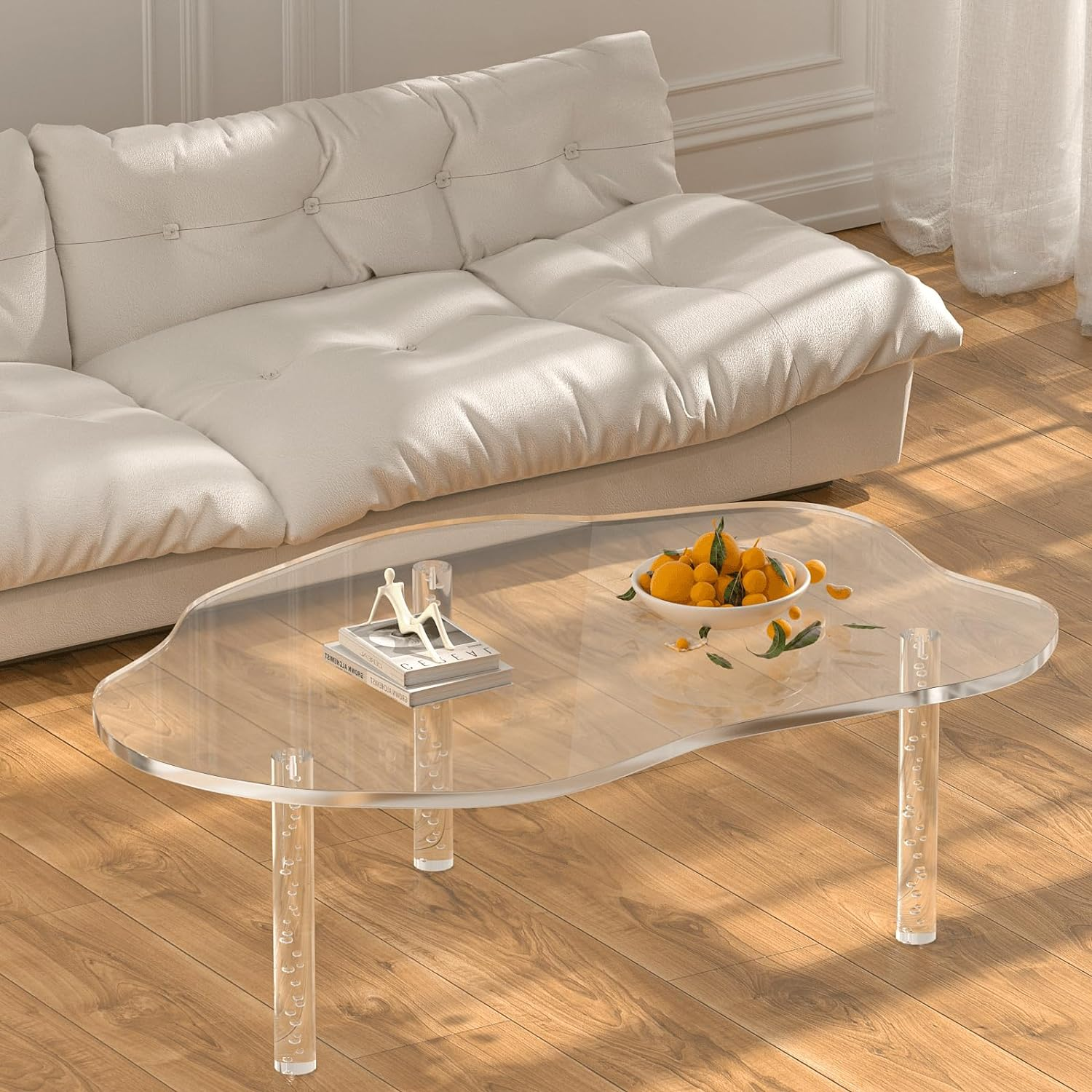
In luxury residences, synthetic crystal sculptures and installations are often used to enhance entryways, living rooms, and dining areas. They are often integrated into design schemes that feature other luxurious materials such as marble, gold leaf, or polished wood, creating a harmonious balance between texture, light, and form. The luminous quality of crystal makes it a perfect material for lighting installations, chandeliers, and table art pieces that not only illuminate the space but also serve as striking works of art.
The use of crystal art extends beyond the home into corporate spaces as well. In high-end offices, synthetic crystal pieces are employed to create a sense of prestige and professionalism. These pieces convey a message of success, sophistication, and attention to detail—qualities that are highly valued in the business world. Whether displayed in a boardroom, lobby, or executive office, crystal art pieces elevate the environment and create a lasting impression on clients and visitors.
Sustainability and Ethical Practices in Crystal Art
As with all luxury industries, sustainability is an increasingly important factor in the creation of crystal art. Traditional crystal production involves mining natural materials, a process that can be both environmentally taxing and ethically challenging. Synthetic crystal, however, provides a more sustainable alternative, as it can be produced using eco-friendly processes and raw materials. The ability to control the production process ensures that synthetic crystal art pieces are not only beautiful but also created with an eye toward reducing environmental impact.
Furthermore, synthetic crystal is more durable than natural crystal, meaning that the pieces last longer, reducing the need for replacements or repairs. This durability also contributes to the long-term value of the piece, making it a more sustainable investment in terms of both financial and environmental cost.
The Future of Crystal Art in Luxury Design
The future of crystal art is incredibly promising, especially with the continued advancement of materials and techniques that enhance the creative possibilities of synthetic crystal. As designers and artists push the boundaries of what’s possible, we are likely to see even more innovative uses of synthetic crystal in the creation of breathtaking art installations, sculptures, and functional art pieces.
Moreover, the growing demand for personalized luxury and bespoke designs in the art and interior design worlds means that crystal art will continue to play a pivotal role in high-end spaces. As technology allows for more intricate designs and new ways to manipulate light and color, the possibilities for crystal art will only expand, ensuring that its place in luxury design remains secure for years to come.
Conclusion: A Timeless Intersection of Art, Luxury, and Innovation
Crystal art pieces are more than just decorative objects—they are an embodiment of the timeless intersection between art, luxury, and innovation. Through the use of high-end synthetic crystal, designers and artists are creating pieces that not only push the boundaries of what is possible in terms of design but also capture the imagination and emotions of those who experience them.
From the creation of intricate sculptures to the development of breathtaking lighting installations, synthetic crystal offers unparalleled versatility, beauty, and durability. It allows artists to bring their visions to life in ways that natural materials simply cannot, opening the door to a new era in the world of luxury design.
As synthetic crystal art continues to evolve, it is clear that we are witnessing the rise of a new generation of luxury art pieces that will define the spaces of tomorrow. Will you be part of the movement that redefines what it means to create a truly luxurious interior?
READ MORE:
- Materiali Sintetici nel Design di Lusso: Confronto tra Cristallo e Altri Materiali
- Come i Designer di Interni Possono Utilizzare il Cristallo Sintetico per Spazi Esclusivi
- Sostenibilità nei Mobili di Lusso: I Benefici del Cristallo Sintetico
- L'Arte e il Lusso: Creazione di Opere d'Arte in Cristallo Sintetico
- Il Design di Interni con Mobili in Cristallo Sintetico di Alta Gamma
- Techniques for Evaluating Synthetic Materials in High-End Furniture
- Interior Designers'Guide to Using Synthetic Crystals in High-End Spaces
- Sustainability in High-End Furniture: The Benefits of Synthetic Crystals
- Elevating Interior Design with Premium Synthetic Crystal Furniture


