In the realm of high-end furniture design, luxury and sustainability are often seen as mutually exclusive. However, with growing concerns about the environmental impact of traditional furniture production, the industry is gradually evolving toward more eco-conscious solutions. One such solution that is gaining traction in the world of luxury furniture is the use of synthetic crystals. These advanced materials offer a remarkable combination of beauty, durability, and sustainability, providing a new way for designers to create stunning, high-end furniture without compromising on environmental values.
In this article, we will explore the role of synthetic crystals in sustainable furniture design, examining the environmental benefits, material properties, and design possibilities they offer. We will also discuss how synthetic crystal furniture is shaping the future of high-end interiors, offering a luxury experience that is both responsible and refined.
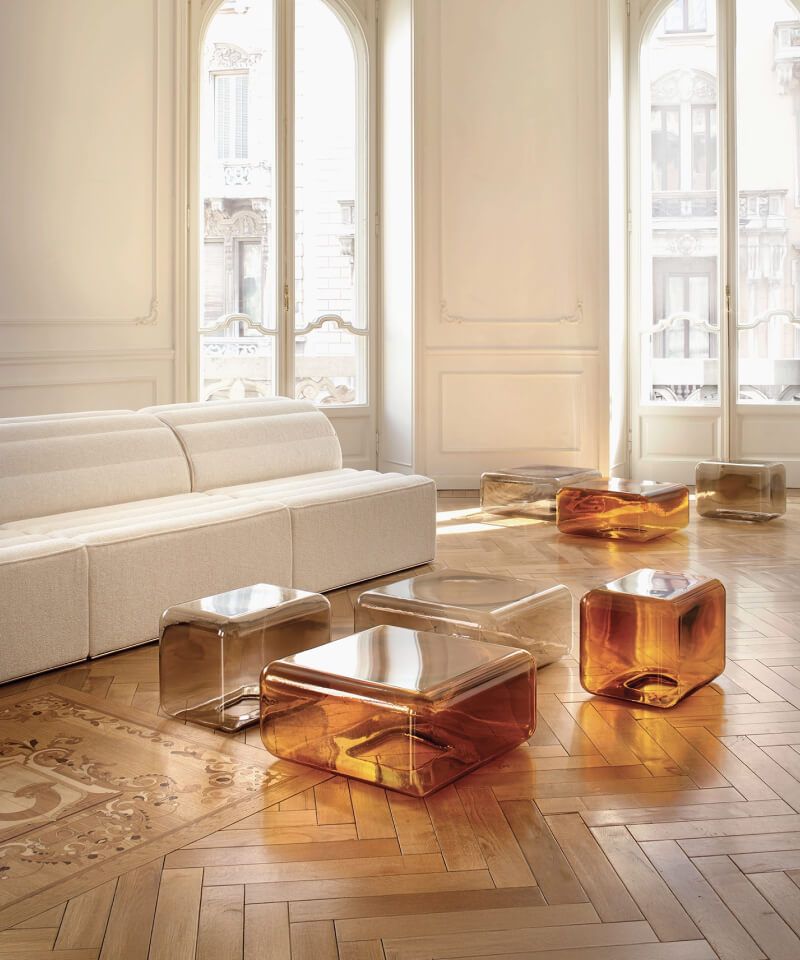
What Are Synthetic Crystals?
Before diving into the sustainability benefits, it’s important to first understand what synthetic crystals are and how they differ from traditional materials. Synthetic crystals are man-made materials that replicate the properties and appearance of natural crystals, but with enhanced performance and sustainability. These materials are engineered using advanced technology to mimic the optical clarity, brilliance, and strength of natural stones like quartz, crystal, and even diamonds, but with the added advantage of being customizable and eco-friendly.
Unlike natural crystal, which is extracted through mining—a process that can have significant environmental consequences—synthetic crystals are created in controlled environments. This allows manufacturers to produce these materials without the need for destructive mining practices, thus significantly reducing the carbon footprint of production.
The most notable synthetic crystals used in high-end furniture today are created using sophisticated manufacturing processes that result in a material with exceptional clarity, durability, and resilience. The result is a stunning piece of furniture that is not only visually captivating but also environmentally responsible.
The Environmental Impact of Traditional Furniture Materials
To truly appreciate the sustainability of synthetic crystal furniture, it is crucial to consider the environmental impact of traditional furniture materials. Many high-end furniture pieces are made from wood, metals, glass, and natural stones. While these materials can create luxurious designs, their production often involves resource extraction, energy-intensive processes, and waste generation. For example, the furniture industry’s reliance on wood can contribute to deforestation, especially when sourcing from non-sustainable forests. Similarly, metal production is associated with high energy consumption, and glass manufacturing can be wasteful, with a significant amount of raw materials discarded during the production process.
Moreover, many luxury furniture items are made with natural stone or marble, materials that are often mined in environmentally sensitive areas. The extraction and processing of these materials can result in significant ecological disruption, including habitat destruction, soil erosion, and pollution. These practices also often consume large amounts of water, energy, and chemicals, further exacerbating the environmental impact.
With sustainability becoming an increasingly important consideration for consumers and designers alike, the furniture industry is seeking alternatives that can provide luxury without contributing to environmental degradation. This is where synthetic crystals come into play.
Sustainability Benefits of Synthetic Crystals
Reduced Environmental Footprint
The primary environmental advantage of synthetic crystals is that they are produced without the need for traditional mining, which can be highly destructive to ecosystems. The manufacturing process for synthetic crystals is far less resource-intensive and generates less waste compared to the extraction and refinement of natural stones and minerals. This reduction in resource extraction means fewer harmful environmental effects such as deforestation, habitat destruction, and soil degradation.
Moreover, the controlled environments used to produce synthetic crystals allow for more efficient use of resources. The materials are created with precision, reducing waste and ensuring that only the necessary amount of raw material is used. This more efficient process makes synthetic crystals a much more sustainable option compared to traditional methods of sourcing natural stones.
Durability and Longevity
In addition to the environmental benefits of reduced resource extraction, synthetic crystals are known for their remarkable durability and longevity. Unlike natural stones that can be prone to scratching, chipping, or staining, synthetic crystals are engineered to be highly resistant to wear and tear, ensuring that the furniture made from them remains pristine for years to come. This durability reduces the need for frequent replacements, contributing to a longer lifespan for each piece of furniture.
By investing in synthetic crystal furniture, consumers are not only acquiring a luxurious product but also one that is built to last, which reduces the overall demand for new resources. This focus on long-lasting materials is a crucial element of sustainable design, as it promotes the idea of quality over quantity.
Lower Carbon Footprint
Manufacturing synthetic crystals also tends to result in a lower carbon footprint compared to natural crystal and stone extraction. The energy used to produce synthetic crystals is typically lower than the energy required for mining and processing natural materials. Additionally, synthetic crystals can be produced closer to where they will be used, reducing the need for long-distance transportation, which further lowers the carbon impact of the final product.
When combined with sustainable manufacturing practices, synthetic crystal furniture offers a compelling option for environmentally conscious consumers who want to make a positive impact without compromising on luxury.
Customization and Waste Reduction
One of the most exciting aspects of synthetic crystals is their ability to be customized to meet the unique design requirements of a project. Designers can select from a range of colors, textures, and finishes, allowing for the creation of bespoke furniture that perfectly suits a specific space. This level of customization means that there is less material waste, as the production process can be tailored to the exact specifications needed, ensuring that no excess material is left over.
Additionally, synthetic crystals can be recycled, reducing the need for new raw materials. The ability to recycle synthetic crystalshttp://www.livingetc.com/news/acrylic-furniture at the end of their life cycle further contributes to their sustainability by ensuring that the material can be reused rather than discarded, making them a more responsible choice compared to non-recyclable materials like natural stone and glass.
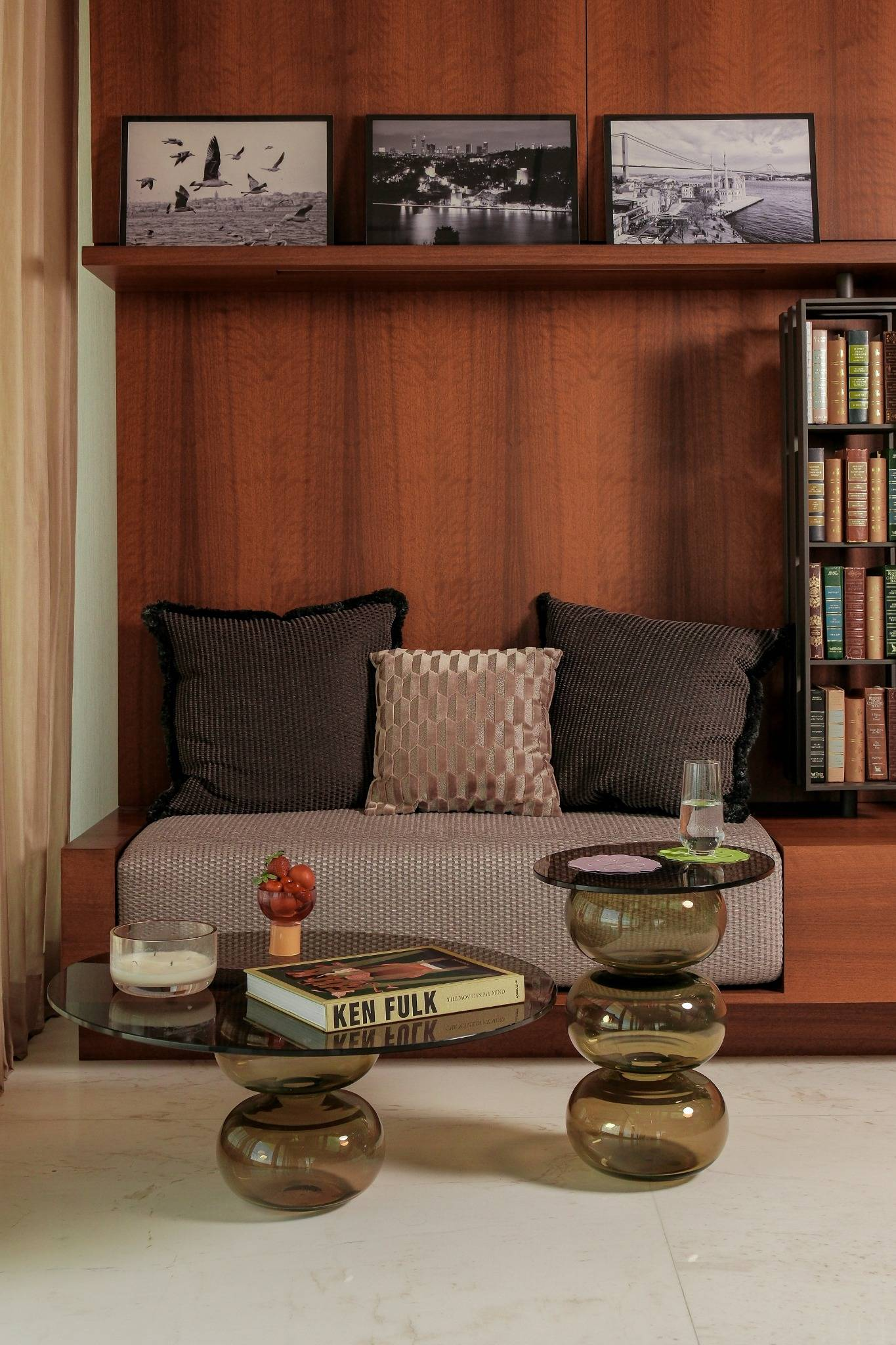
The Role of Synthetic Crystals in High-End Interior Design
While sustainability is a significant benefit of synthetic crystal furniture, it is important to recognize that aesthetic appeal and luxury are equally crucial factors in its success. Synthetic crystals offer the same high-end, dazzling appearance as natural crystals, making them perfect for luxury furniture and decor.
From sleek coffee tables and side tables to elegant dining tables, synthetic crystal furniture can transform any space into one of refined beauty. The unique transparency and luminosity of synthetic crystal create stunning visual effects, capturing and reflecting light in ways that other materials simply cannot. These pieces not only add a sense of sophistication and opulence to a room but also help create an atmosphere that feels fresh, modern, and inviting.
Furthermore, synthetic crystal can be molded into a wide variety of shapes and sizes, allowing designers to create bold, statement-making pieces that elevate the design of any interior. Whether incorporated into modern minimalist settings or used to complement more traditional decor, synthetic crystal fits seamlessly into a diverse range of design aesthetics.
The Growing Demand for Sustainable Luxury
As consumers become more aware of the environmental impact of their purchasing decisions, there is a growing demand for sustainable luxury products. This shift in consumer behavior is driving the luxury furniture industry to rethink traditional production methods and seek out more eco-friendly alternatives.
In this context, synthetic crystals represent a natural evolution of the luxury furniture market. They offer a way for consumers to indulge in high-end furniture while still supporting environmentally conscious practices. The growing acceptance of synthetic crystals in luxury interiors is a reflection of the broader trend towards sustainability in design and consumption.
The Future of Sustainable Furniture Design
Looking ahead, the future of high-end furniture is poised to embrace more sustainable materials like synthetic crystals. As technology continues to evolve, we can expect even more innovative uses for synthetic crystals in furniture design. From new manufacturing techniques to advances in material composition, the possibilities for creating luxurious, sustainable furniture are vast.
With the increasing focus on eco-conscious design, synthetic crystal furniture is not only the future of luxury but also the future of sustainable living. Designers, manufacturers, and consumers alike will continue to play a pivotal role in shaping a future where beauty and sustainability go hand in hand.
Conclusion: A Luxurious and Responsible Choice
In conclusion, synthetic crystal furniture is a prime example of how luxury and sustainability can coexist in the world of high-end design. With its reduced environmental impact, exceptional durability, and stunning aesthetic qualities, synthetic crystal is revolutionizing the way we think about sustainable furniture. As more people seek out eco-friendly alternatives without sacrificing luxury, synthetic crystal provides a perfect solution that meets the demands of modern design sensibilities and environmental responsibility.
The future of sustainable high-end furniture is here—are you ready to be a part of the movement?


