The article highlights the importance of transparency, simplifying decision-making, and integrating logistics early to avoid hidden costs. It also stresses that effective communication and strategic follow-up are critical to improving closing rates. The main takeaway: successful pricing is about helping clients clearly understand the value behind the cost, turning quotes into confident decisions and higher conversion outcomes.
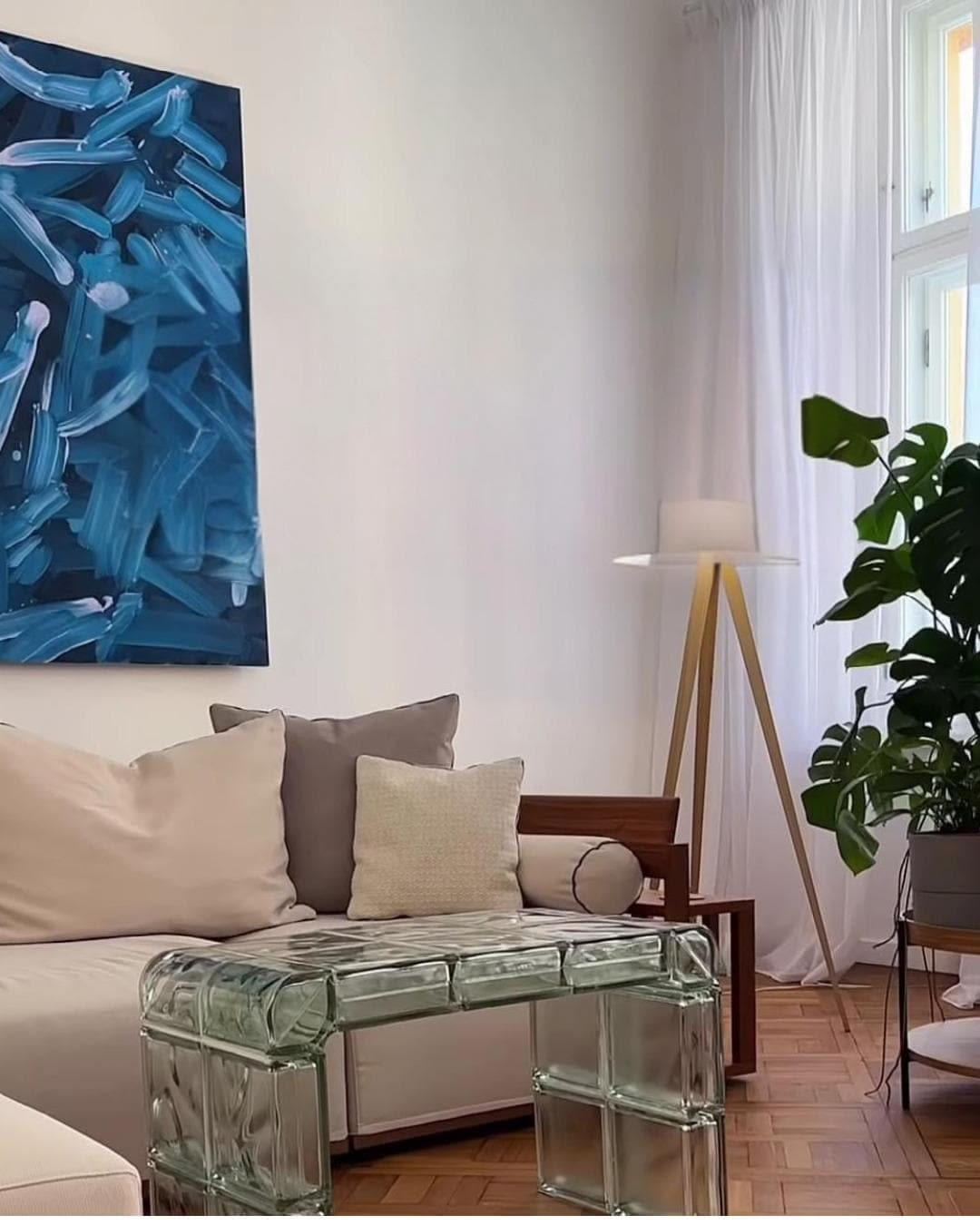
In the contract furniture world, design alone doesn’t close deals.
You can have a strong concept, premium materials, and a compelling visual story—but if your pricing structure is unclear, unrealistic, or misaligned with the client’s expectations, the project stalls.
For designers and suppliers working with high-end clients across Europe and North America, pricing is not just a number.
👉 It’s a strategy tool.
This article breaks down the full pricing workflow—from initial brief to final quote—and shows how to build a clear, competitive, and conversion-driven budget, especially when working with premium materials like synthetic crystal furniture.
1. Why pricing is more than just numbers
Many projects fail not because of design—but because of pricing misalignment.
Common issues:
Budget too high without clear justification
Budget too low, leading to compromises later
Lack of transparency
No flexibility in options
👉 The result?
Lost trust. Delayed decisions. Lower conversion rates.
2. Step 1: Understand the project context
Before quoting anything, you need clarity.
Key questions:
What type of project is it? (hotel, office, residential, retail)
What is the client’s positioning? (mid-range vs luxury)
What is the expected lifespan of the furniture?
What level of customization is required?
👉 Without this, pricing is guesswork.
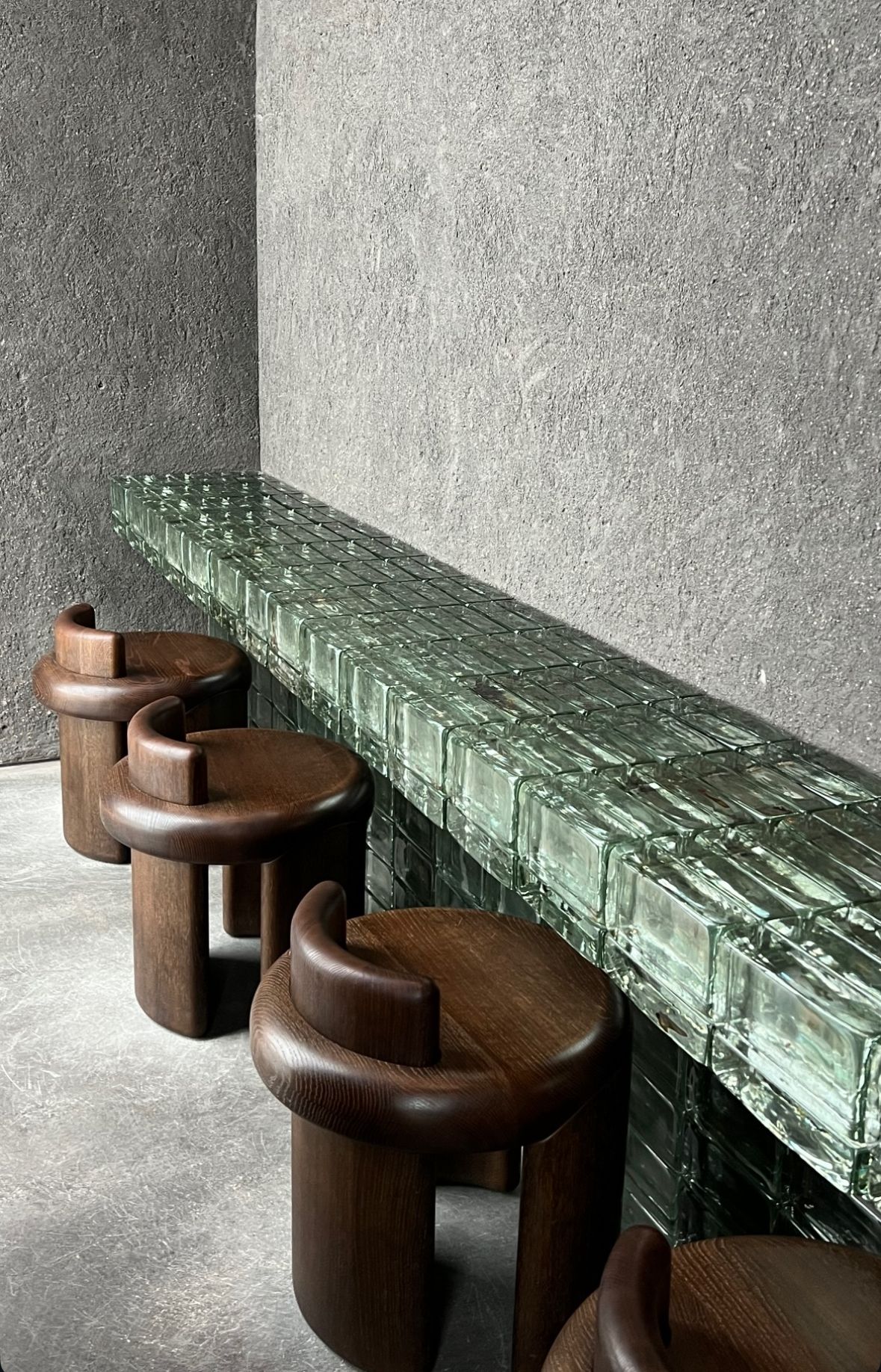
3. Step 2: Define material strategy early
Material selection directly impacts cost.
Transparent materials, for example:
Acrylic → cost-effective, flexible
Glass → classic, heavier, higher logistics cost
Synthetic crystal → premium, durable, high visual impact
👉 The key is not choosing the cheapest option,
but the most suitable one for the project goals.
Example:
In high-end hospitality:
Synthetic crystal can justify a higher price due to
visual clarity
durability
brand perception
4. Step 3: Break down the cost structure
A strong quote is always structured.
Core components:
Material cost
Production cost
Finishing & detailing
Packaging
Logistics
Installation (if applicable)
👉 Transparency builds trust.
5. Step 4: Build tiered pricing options
One of the most effective ways to increase conversion:
👉 Offer choices, not a single price.
Example:
Option A: Standard material (acrylic)
Option B: Premium mix (glass + metal)
Option C: High-end solution (synthetic crystal)
👉 This shifts the conversation from “too expensive”
to “which option fits best?”
6. Step 5: Visualize the value
Pricing without visualization is weak.
Clients need to see:
material differences
lighting effects
real applications
👉 Especially for transparent materials.
Synthetic crystal, for example, performs best when:
shown under light
compared visually with alternatives
placed in real design contexts
👉 This justifies the price.
7. Step 6: Align pricing with usage scenarios
Not all furniture is used the same way.
High-traffic areas:
require durability
justify higher material investment
Decorative areas:
allow more flexibility
👉 Pricing should reflect real usage, not just design.
8. Step 7: Consider logistics early
A common mistake:
👉 ignoring logistics until the end.
But logistics impacts:
cost
timeline
risk
Example:
Synthetic crystal offers:
lighter weight than glass
better impact resistance
lower breakage risk
👉 This reduces hidden costs.
9. Step 8: Communicate clearly
Even the best pricing fails if not explained properly.
Best practices:
use simple language
avoid technical overload
highlight key benefits
connect price to value
👉 Clients don’t buy numbers.
They buy understanding.
10. Step 9: Reduce friction in decision-making
To increase closing rate:
simplify options
avoid too many variables
guide the client
👉 A confused client doesn’t decide.
11. Step 10: Follow-up strategically
Many deals are lost after the quote.
Effective follow-up:
clarify doubts
reinforce value
provide additional visuals
adjust options if needed
👉 Pricing is a process, not a moment.
12. Common mistakes to avoid
quoting too early
ignoring client positioning
offering only one option
focusing only on cost, not value
overcomplicating the proposal
13. What this means for designers and suppliers
Designers:
integrate cost thinking into design
present materials strategically
guide the client
Suppliers:
structure pricing clearly
educate through content
support visual communication
14. The role of premium materials in closing deals
High-end materials like synthetic crystal are not just cost drivers.
They are decision drivers.
When positioned correctly, they:
elevate perceived value
differentiate the project
justify higher budgets
👉 But only if the client understands why.
Conclusion
Pricing in contract furniture is not about being cheaper.
It’s about being clear, relevant, and strategic.
A strong pricing process:
builds trust
reduces friction
increases conversion
And in a competitive market, this makes all the difference.
Because in the end, the real question is not:
👉 “Is your price competitive?”
But:
👉 “Does your client clearly understand what they’re paying for—and why it’s worth it?”
READ MORE:
- How to Strategically Price High-End Furniture Projects Without Losing Competitiveness
- Case Study: Using Statement Furniture Pieces to Boost Conversion in High-End Projects
- Why Premium Materials Are Winning in European Furniture Markets
- From Outdoor Living Trends to Luxury Interiors: Where Crystal Art Pieces Fit In
- How High-End Crystal Furniture Can Differentiate Your Showroom in a Saturated Market
- Lead Generation Through Smart Questions: Efficient Customer Acquisition in Furniture Pricing and Budgeting
- How to Price B2B Furniture Projects Competitively? Budget Planning and Client Communication Guide
- From Quotation to Deal: Pricing Strategies and Practical Tips for Project-Based Furniture
- What’s Your Procurement Budget? Using Interaction to Uncover Real B2B Customer Needs


