The article highlights the importance of shifting from price-focused conversations to value-driven discussions, especially when presenting premium materials like synthetic crystal. These approaches reduce friction, improve trust, and help align expectations early in the process. The key takeaway: instead of asking for a number, create an interactive experience that allows clients to discover and express their budget through informed choices.
In the world of contract furniture, one question is often avoided—but always decisive:
👉 “What’s your budget?”
For many designers and suppliers, asking this directly can feel uncomfortable.
For clients, answering it can feel restrictive.
And yet, without understanding the real budget range, projects often fall into a familiar trap:
proposals that miss expectations
endless revisions
delayed decisions
lost opportunities
So the real challenge isn’t whether to ask about budget.
👉 It’s how to uncover it—without friction.
In today’s B2B environment, especially when working with high-end clients in Europe and North America, the most effective approach is not direct questioning.
It’s interactive discovery.
1. Why clients don’t tell you their real budget
Before solving the problem, we need to understand it.
Clients often avoid sharing budgets because:
They don’t want to be “boxed in”
They fear overpaying
They are still exploring options
They don’t fully understand cost structures
👉 Result:
They give vague answers like:
“We’re flexible”
“We’re still evaluating”
“Depends on the proposal”
2. The cost of unclear budgets
When budget clarity is missing, everything slows down:
Designers over-design or under-design
Suppliers quote inaccurately
Clients hesitate
👉 And most importantly:
Trust decreases.
3. The shift: from asking to discovering
Instead of asking:
👉 “What’s your budget?”
Shift to:
👉 “Let me show you options—tell me what feels right.”
This changes everything.
It turns:
pressure → into exploration
negotiation → into collaboration
4. Interactive method #1: Tiered visual options
One of the most effective tools is tiered presentation.
Example:
Present three options:
Option A – Functional / cost-efficient
Option B – Balanced / design-focused
Option C – Premium / high-end (e.g. synthetic crystal furniture)
👉 Don’t ask for budget.
Ask:
👉 “Which direction aligns more with your project?”
Why this works:
Clients feel in control
You observe preferences
Budget reveals itself indirectly
5. Interactive method #2: Visual comparison
Instead of talking about price differences, show them.
Example:
Acrylic vs glass vs synthetic crystal
Different finishes under lighting
Real project applications
👉 Ask:
👉 “Which one fits your project vision?”
Insight:
Clients often choose higher-value options
when they see the difference clearly.
6. Interactive method #3: Scenario-based questions
Instead of abstract discussions, use real scenarios.
Example:
“This table will be used daily in a hotel lobby—what matters more: durability or cost?”
“For a luxury retail space, would you prioritize visual impact or maintenance simplicity?”
👉 These questions reveal priorities → which define budget.
7. Interactive method #4: Budget anchoring (subtle, not direct)
You can guide expectations without asking directly.
Example:
“Projects like this typically range between X and Y depending on materials and customization.”
👉 Then pause.
Let the client react.
Their response tells you:
too high → adjust
acceptable → continue
interested → upsell
8. The role of materials in budget discovery
Materials are one of the clearest budget indicators.
For example:
Acrylic → cost-efficient
Glass → mid-range
Synthetic crystal → premium
When clients consistently choose:
👉 higher-end materials
They are indirectly telling you:
👉 budget is not the main constraint.
9. Why synthetic crystal helps positioning
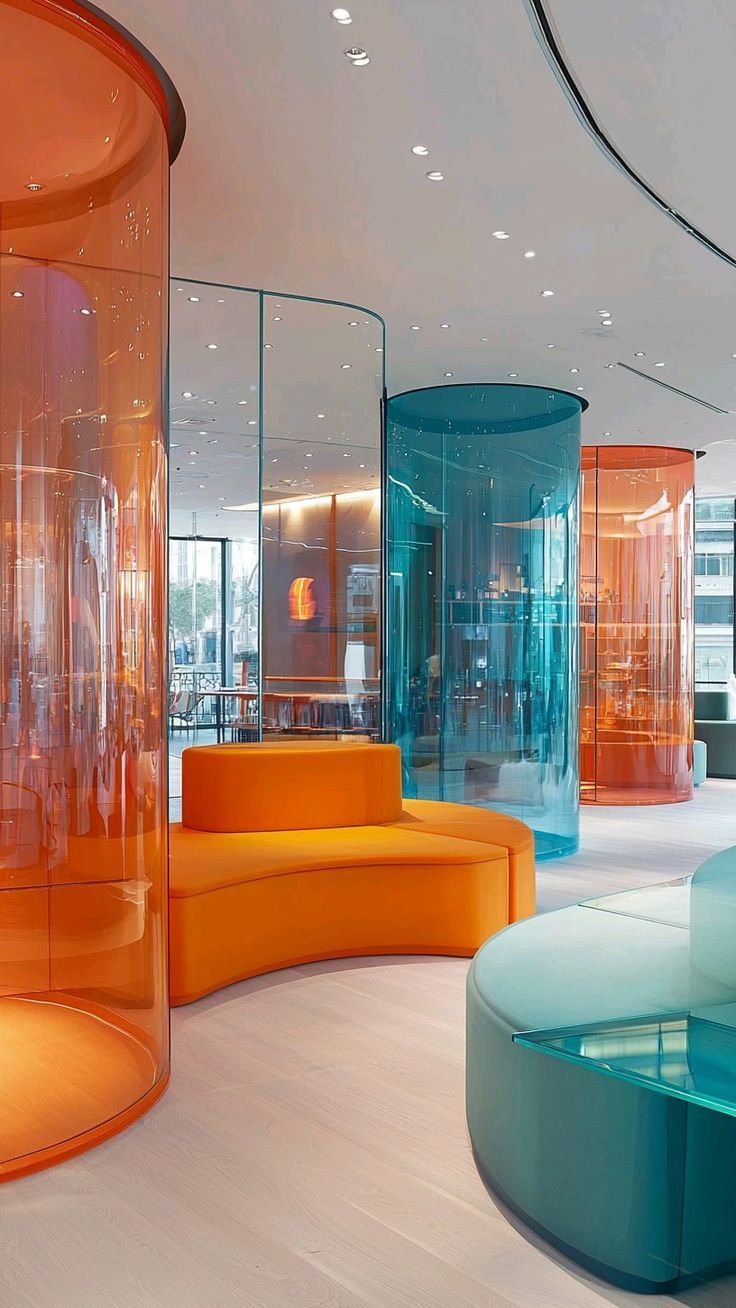
In high-end projects, materials like synthetic crystal do more than add cost.
They:
elevate perceived value
create visual differentiation
justify premium pricing
👉 And most importantly:
They help frame the budget conversation around value—not price.
10. Reducing friction in budget discussions
The goal is not to extract a number.
The goal is to:
👉 align expectations early.
Best practices:
use visuals instead of numbers first
guide, don’t pressure
simplify choices
focus on outcomes
11. Common mistakes to avoid
Asking budget too early
Presenting only one option
Overloading with technical details
Talking about cost before showing value
👉 These all create resistance.
12. From discovery to conversion
Once you understand the budget range, everything becomes easier:
proposals are more accurate
decisions are faster
trust is stronger
👉 And your closing rate improves.
13. What this means for designers and suppliers
Designers:
use visual storytelling
guide decisions through comparison
focus on user experience
Suppliers:
structure options clearly
support with visual tools
position materials strategically
14. The future: interactive selling in B2B
B2B is changing.
Clients expect:
clarity
guidance
interaction
Not:
pressure
complexity
uncertainty
👉 The brands that win are those who help clients understand themselves better.
Conclusion
In contract furniture, budget is not just a number.
It’s a reflection of:
priorities
expectations
vision
And uncovering it is not about asking the right question.
👉 It’s about creating the right experience.
Because at the end of the day, the real question isn’t:
👉 “What’s your client’s budget?”
But:
👉 “Have you created a process that helps them discover it with you?”
READ MORE:
- How to Strategically Price High-End Furniture Projects Without Losing Competitiveness
- Case Study: Using Statement Furniture Pieces to Boost Conversion in High-End Projects
- Why Premium Materials Are Winning in European Furniture Markets
- From Outdoor Living Trends to Luxury Interiors: Where Crystal Art Pieces Fit In
- How High-End Crystal Furniture Can Differentiate Your Showroom in a Saturated Market
- Lead Generation Through Smart Questions: Efficient Customer Acquisition in Furniture Pricing and Budgeting
- How to Price B2B Furniture Projects Competitively? Budget Planning and Client Communication Guide
- From Quotation to Deal: Pricing Strategies and Practical Tips for Project-Based Furniture
- Contract Furniture Pricing Guide: How to Set a Reasonable Budget and Increase Conversion Rates


