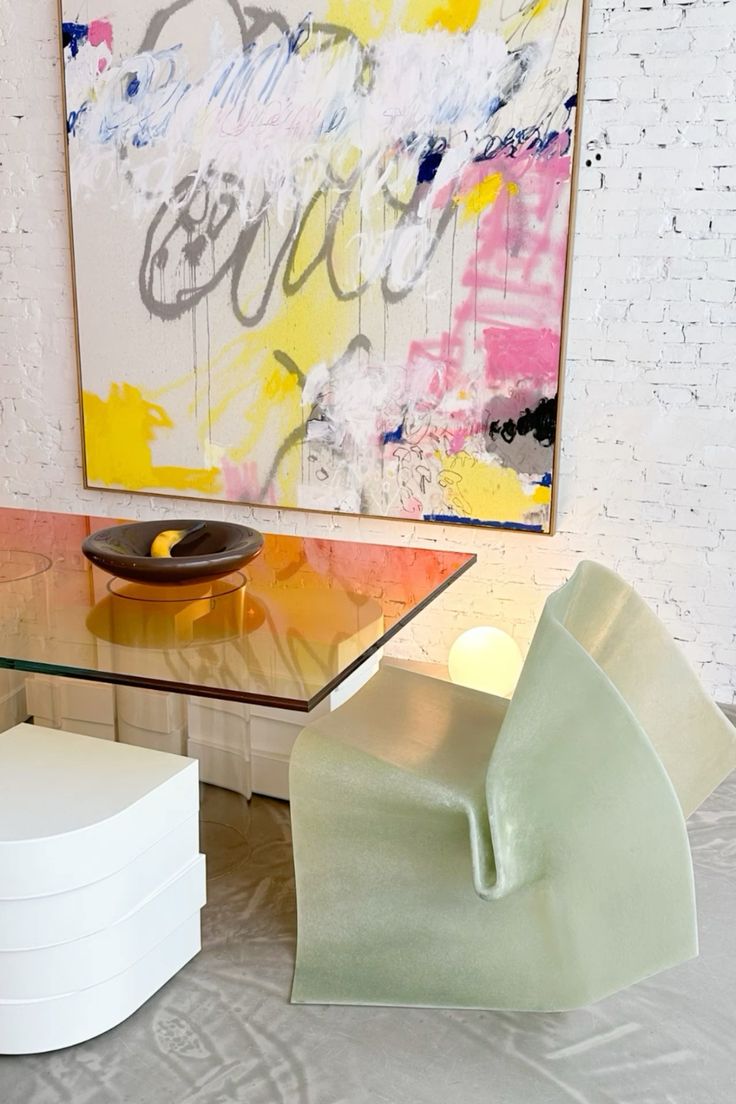
The article emphasizes the importance of visualizing value, simplifying decision-making, and integrating logistics early to avoid hidden costs. It also underlines how premium materials like synthetic furniture can enhance perceived value and accelerate decisions when presented correctly. The main takeaway: successful pricing is about clarity, structure, and trust—helping clients confidently understand what they are paying for and why it matters.
In the high-end contract furniture industry, there’s a critical gap that many professionals underestimate:
👉 The distance between a quote and a signed deal.
Designers and suppliers often invest significant time in concept development, material selection, and pricing—yet projects still stall at the quotation stage.
Why?
Because pricing is not just about numbers.
👉 It’s about strategy, communication, and alignment.
Especially when working with premium solutions like high-end synthetic furniture, the way you structure and present your pricing can directly determine whether a project moves forward—or stops completely.
1. Why quotes fail (even when the design is strong)
Let’s start with a reality check.
Most lost deals don’t fail because:
the design is weak
the materials are wrong
They fail because:
the value is not clearly communicated
the pricing feels unclear or rigid
the client cannot confidently decide
👉 In short: uncertainty kills momentum.
2. Step 1: Price with context, not assumptions
Before building any quote, you need to understand:
project type (hospitality, office, retail, residential)
client positioning (mid-range vs luxury)
usage intensity (high traffic vs decorative)
expected lifespan
👉 Without this, pricing becomes guesswork.
Example:
A lobby table in a luxury hotel:
requires durability
must deliver strong visual impact
justifies premium materials
3. Step 2: Build a structured pricing framework
A professional quote is not a single number.
It’s a clear breakdown.
Core structure:
Materials
Production
Finishing
Packaging
Logistics
Installation
👉 Transparency builds trust—and reduces negotiation friction.
4. Step 3: Use tiered pricing to guide decisions
One of the most powerful techniques:
👉 Never present only one option.
Instead, offer:
Option A – Functional / budget-friendly
Option B – Balanced solution
Option C – Premium (e.g. synthetic crystal furniture)
👉 This shifts the conversation from:
“Too expensive”
to
“Which option fits best?”
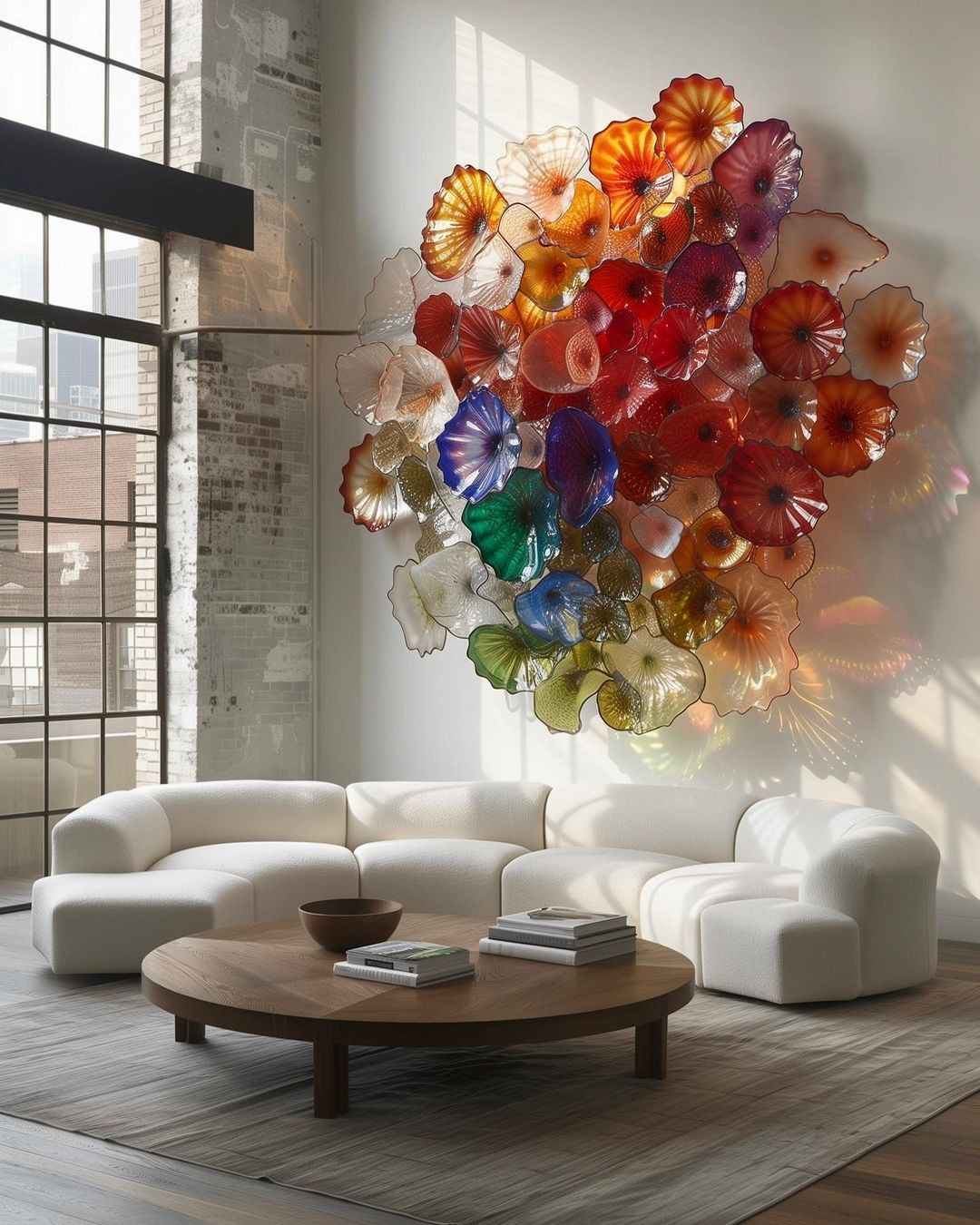
5. Step 4: Sell value visually, not verbally
In high-end furniture, value is visual.
Especially with transparent or premium materials.
Show:
real applications
lighting effects
side-by-side comparisons
👉 Clients don’t buy specifications.
They buy what they can see and understand.
6. Step 5: Align pricing with usage scenarios
Not all furniture needs the same investment.
High-traffic areas:
require durability
justify higher cost
Decorative areas:
allow flexibility
👉 Smart pricing = matching cost with real use.
7. Step 6: Integrate logistics early
A common mistake:
👉 pricing product first, logistics later.
But logistics affects:
cost
delivery time
risk
Example:
Synthetic materials often provide:
lighter weight
better impact resistance
lower breakage risk
👉 Which reduces hidden costs.
8. Step 7: Simplify decision-making
Too many options = no decision.
Best practice:
limit to 2–3 clear choices
highlight differences visually
guide the client
👉 A guided client decides faster.
9. Step 8: Communicate pricing with clarity
Even a perfect quote can fail if poorly presented.
Avoid:
overly technical language
long explanations
unclear structure
Focus on:
benefits
outcomes
real impact
👉 Pricing must be understandable at a glance.
10. Step 9: Use follow-up as a strategic tool
Many deals are lost after the quote is sent.
Effective follow-up:
clarify questions
reinforce value
adjust options if needed
provide additional visuals
👉 The quote is not the end.
It’s the start of negotiation.
11. Step 10: Reduce risk perception
Clients hesitate when they feel risk.
You can reduce this by:
explaining durability
showing real-case applications
highlighting long-term value
👉 Especially important for premium materials.
12. The role of synthetic high-end furniture
Premium materials like synthetic crystal or engineered transparent furniture are not just cost drivers.
They are:
differentiation tools
value amplifiers
decision accelerators
When positioned correctly, they help clients:
👉 justify higher budgets with confidence.
13. Common mistakes to avoid
quoting too early
focusing only on price
ignoring client priorities
offering one rigid solution
not visualizing the value
👉 These create resistance and delay.
14. What this means for designers and suppliers
Designers:
integrate pricing into design thinking
communicate choices clearly
guide clients, not overwhelm them
Suppliers:
structure quotes strategically
support with visuals
simplify the buying process
15. From quote to closing: the real shift
The difference between a quote and a deal is not luck.
It’s structure.
It’s clarity.
It’s alignment.
👉 And most importantly:
It’s how well the client understands what they are buying.
Conclusion
In project-based furniture, pricing is not a final step.
It’s a core part of the design and sales process.
A strong pricing strategy:
builds trust
reduces friction
accelerates decisions
increases closing rates
And in a competitive market, that’s everything.
Because at the end of the day, the real question is not:
👉 “Is your quote competitive?”
But:
👉 “Does your client feel confident enough to say yes?”