The article also emphasizes early integration of logistics, simplifying decision-making, and using effective communication and follow-up to increase conversion rates. The core insight is that a strong quotation is not the cheapest one, but the one that clients clearly understand and trust.
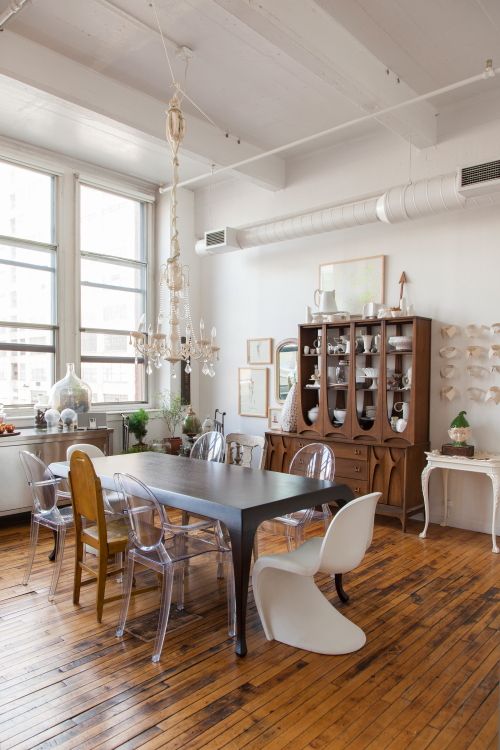
In the world of B2B furniture projects, especially in high-end markets across Europe and North America, pricing is never just about numbers.
It’s about positioning.
It’s about clarity.
And most importantly—it’s about confidence.
Many designers and suppliers face the same challenge:
👉 You’ve created a strong design, selected premium materials, built a detailed quote…
…but the client hesitates.
Why?
Because a competitive quotation is not simply “lower”—
👉 it’s better understood, better structured, and better aligned with client expectations.
This article breaks down how to build a competitive, strategic, and conversion-driven quotation, with a focus on premium solutions like high-end synthetic furniture.
1. What does “competitive pricing” really mean?
Let’s challenge a common misconception.
👉 Competitive does NOT mean cheapest.
In high-end projects, clients are not looking for the lowest price.
They are looking for:
clarity
reliability
value alignment
👉 A competitive quote is one that makes the client think:
“This makes sense.”
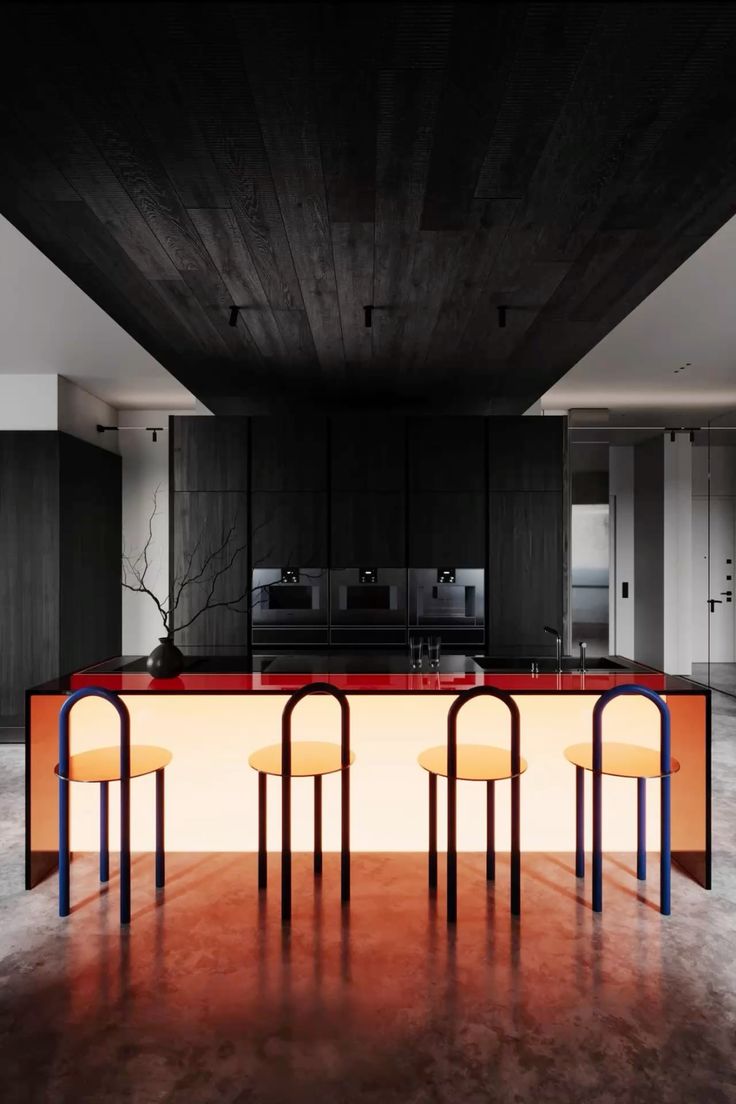
2. Step 1: Start with the right budget framework
Before quoting, you need to define a budget logic, not just a number.
Key considerations:
Project type (hospitality, office, retail, residential)
Brand positioning (premium vs mid-range)
Usage intensity (daily use vs decorative)
Expected lifecycle
👉 Without this, pricing becomes reactive instead of strategic.
3. Step 2: Understand the client’s real expectations
Clients rarely state their true priorities directly.
Instead of asking:
👉 “What’s your budget?”
Ask:
“What matters more: durability or visual impact?”
“Is this space high-traffic or design-focused?”
👉 These answers reveal budget direction indirectly.
4. Step 3: Build a clear and transparent cost structure
A competitive quote is always structured.
Break it down into:
Materials
Manufacturing
Finishing
Packaging
Logistics
Installation
👉 Transparency reduces negotiation pressure.
5. Step 4: Offer tiered pricing options
One of the most effective strategies:
👉 Never present a single solution.
Instead, offer:
Option A – Functional / cost-efficient
Option B – Balanced / recommended
Option C – Premium (e.g. synthetic crystal furniture)
👉 This shifts the conversation from price to choice.
6. Step 5: Use materials to position value
Materials are not just cost elements.
They are communication tools.
Example:
Acrylic → budget-friendly
Glass → classic mid-range
Synthetic crystal → high-end, durable, visually impactful
👉 When clients choose higher-end materials, they are signaling:
value matters more than cost.
7. Step 6: Visualize before you justify
In high-end furniture, visual impact is everything.
Instead of explaining:
show real applications
compare materials side-by-side
demonstrate lighting effects
👉 Especially for transparent materials.
Synthetic furniture performs best when:
placed in real environments
shown under different lighting
compared visually
👉 This makes pricing easier to accept.
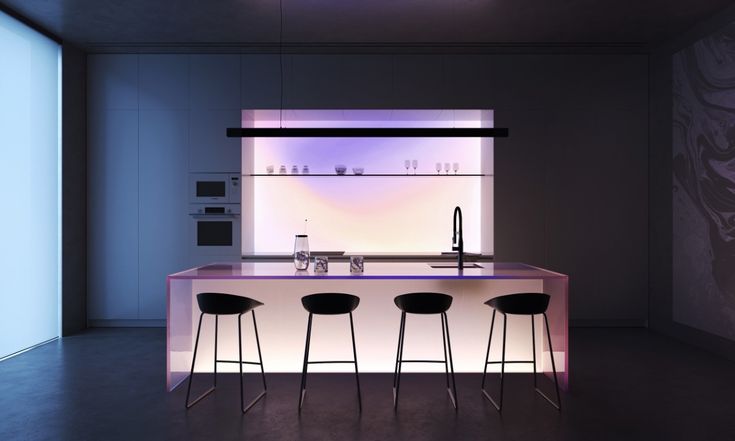
8. Step 7: Integrate logistics into pricing early
One of the biggest hidden cost factors:
👉 logistics.
Consider:
weight
fragility
transport efficiency
Advantage of synthetic materials:
lighter than glass
more impact-resistant
lower damage risk
👉 This reduces long-term cost—even if initial price is higher.
9. Step 8: Simplify the decision process
Too much complexity slows everything down.
Best practices:
limit options to 2–3
highlight key differences
guide the client clearly
👉 A guided client decides faster.
10. Step 9: Communicate pricing with confidence
How you present the quote matters as much as the quote itself.
Avoid:
overly technical language
long, complex explanations
Focus on:
benefits
use cases
long-term value
👉 Clients don’t buy numbers.
They buy understanding.
11. Step 10: Use follow-up strategically
Most deals are not won at the first quote.
Effective follow-up includes:
clarifying concerns
reinforcing value
adjusting options
providing additional visuals
👉 Follow-up = conversion opportunity.
12. Common mistakes to avoid
quoting too early
focusing only on price
ignoring client positioning
offering one rigid option
not visualizing value
👉 These reduce competitiveness instantly.
13. What this means for designers and suppliers
Designers:
integrate budget thinking into design
guide clients with clarity
communicate visually
Suppliers:
structure pricing strategically
support with materials knowledge
simplify the process
14. The strategic role of high-end synthetic furniture
Premium synthetic materials are not just about aesthetics.
They offer:
durability in high-traffic environments
strong visual differentiation
better logistics performance
👉 When positioned correctly, they help:
justify higher budgets
reduce long-term costs
increase perceived value
Conclusion
In B2B furniture projects, pricing is not the final step.
It’s a core part of the strategy.
A competitive quotation is one that:
aligns with client expectations
communicates value clearly
simplifies decision-making
builds trust
Because in the end, the real question isn’t:
👉 “Is your price lower than others?”
But:
👉 “Does your client feel confident enough to move forward with you?”
READ MORE:
- How to Strategically Price High-End Furniture Projects Without Losing Competitiveness
- Case Study: Using Statement Furniture Pieces to Boost Conversion in High-End Projects
- Why Premium Materials Are Winning in European Furniture Markets
- From Outdoor Living Trends to Luxury Interiors: Where Crystal Art Pieces Fit In
- How High-End Crystal Furniture Can Differentiate Your Showroom in a Saturated Market
- Lead Generation Through Smart Questions: Efficient Customer Acquisition in Furniture Pricing and Budgeting
- From Quotation to Deal: Pricing Strategies and Practical Tips for Project-Based Furniture
- What’s Your Procurement Budget? Using Interaction to Uncover Real B2B Customer Needs
- Contract Furniture Pricing Guide: How to Set a Reasonable Budget and Increase Conversion Rates


