The article highlights how questions can shift conversations from price-focused to value-driven, especially when presenting premium solutions like synthetic furniture. This method leads to more accurate quotations, fewer revisions, and faster decisions. The key takeaway: effective questioning turns the sales process into a collaborative journey, where clients feel confident, understood, and ready to move forward.
In the high-end furniture industry, especially in B2B projects across Europe and North America, there’s one moment that often determines everything:
👉 the conversation around budget and quotation.
Yet, most professionals approach it the wrong way.
They either:
ask too directly
avoid the topic completely
or present a quote too early
👉 And all three approaches create friction.
But what if the key to better leads, better pricing alignment, and higher conversion rates wasn’t about better answers—
👉 but better questions?
This article explores how to use strategic questioning as a powerful tool to guide clients, uncover real needs, and improve both budget alignment and closing rates, especially when working with premium solutions like high-end synthetic furniture.
1. Why questions are your strongest sales tool
In B2B furniture projects, clients rarely arrive with:
clear budgets
defined priorities
complete understanding of materials
👉 Which means:
If you only present solutions, you’re guessing.
But if you ask the right questions:
👉 you guide the client to clarity.
2. The problem with traditional quoting
Typical process:
client inquiry
quick proposal
long revision cycle
👉 Result:
misalignment
wasted time
lower conversion
The missing step?
👉 structured discovery through questions.
3. The shift: from selling to guiding
Instead of:
👉 “Here is our quote.”
Shift to:
👉 “Let’s define what matters most for your project.”
This transforms your role from supplier → to advisor.
4. Stage 1: Opening questions (understanding context)
Start broad.
Ask:
“What type of space are you designing?”
“What feeling do you want the furniture to create?”
“Is this a high-traffic or visual-focused area?”
👉 Goal:
Understand context before cost.
5. Stage 2: Priority questions (revealing value drivers)
Now go deeper.
Ask:
“What matters more: durability or visual impact?”
“Is long-term maintenance a concern?”
“How important is material uniqueness?”
👉 These answers define:
material selection
budget direction
6. Stage 3: Comparative questions (guiding decisions)
Instead of explaining everything, simplify choices.
Example:
“Would you prefer a lighter, more flexible material or a more premium, high-clarity finish?”
“Do you prioritize cost efficiency or long-term value?”
👉 This helps clients:
think clearly
decide faster
7. Stage 4: Budget discovery (without asking directly)
Avoid the uncomfortable question:
👉 “What’s your budget?”
Instead, guide indirectly.
Use:
“Projects like this usually range between X and Y depending on materials.”
“Would you like to explore a more premium direction or a balanced solution?”
👉 Clients will respond—and reveal their range.
8. Stage 5: Material-based questioning
Materials are powerful indicators.
Example:
“How important is transparency and light interaction in your design?”
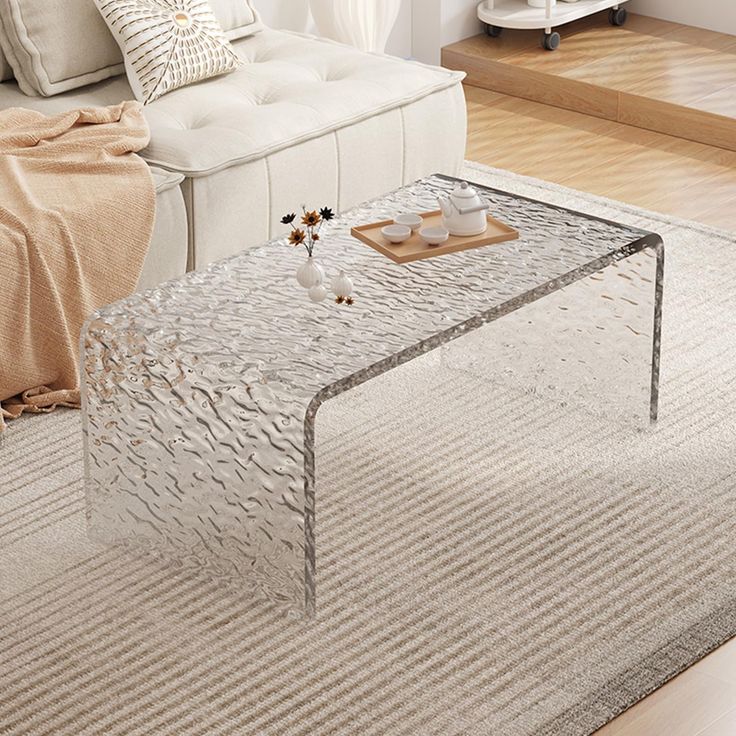
“Would you consider a premium material like synthetic crystal for a stronger visual effect?”
👉 If the answer is yes:
Budget is likely flexible.
9. Why synthetic materials change the conversation
High-end synthetic furniture (like synthetic crystal) does more than add cost.
It:
elevates visual impact
improves durability
reduces long-term maintenance issues
👉 When introduced through questions, not sales language,
it becomes a solution, not an upsell.
10. Turning answers into structured quotes
Once you have answers, your quote becomes:
more accurate
more relevant
easier to approve
👉 Because it reflects what the client already said.
11. Reducing resistance through involvement
Clients resist when they feel:
pushed
overwhelmed
uncertain
They engage when they feel:
👉 involved.
Questions create:
participation
ownership
confidence
12. Common mistakes to avoid
asking too many questions at once
using overly technical language
pushing for budget too early
ignoring client answers
👉 Questions must feel natural, not like an interrogation.
13. Practical framework: a simple questioning flow
You can structure your conversations like this:
Context → understand project
Priority → define value
Comparison → guide choices
Budget → reveal range
Material → position solution
👉 This creates a smooth, professional flow.
14. Impact on conversion rates
When done right, this approach leads to:
faster decision-making
fewer revisions
stronger trust
higher closing rates
👉 Because the client feels understood.
15. What this means for designers and suppliers
Designers:
guide clients through choices
translate needs into design
use questions as design tools
Suppliers:
structure conversations
support with visual examples
position materials strategically
16. The future of B2B furniture sales
The industry is shifting.
From:
👉 selling products
To:
👉 guiding decisions
The professionals who succeed will not be those who talk more—
👉 but those who ask better questions.
Conclusion
In furniture projects, pricing and budgeting are not just technical steps.
They are communication processes.
And the most effective way to improve them is not by giving better answers—
👉 but by asking better questions.
Because in the end, the real question isn’t:
👉 “Did you present the right quote?”
But:
👉 “Did you ask the right questions to make that quote inevitable?”
READ MORE:
- How to Strategically Price High-End Furniture Projects Without Losing Competitiveness
- Case Study: Using Statement Furniture Pieces to Boost Conversion in High-End Projects
- Why Premium Materials Are Winning in European Furniture Markets
- From Outdoor Living Trends to Luxury Interiors: Where Crystal Art Pieces Fit In
- How High-End Crystal Furniture Can Differentiate Your Showroom in a Saturated Market
- How to Price B2B Furniture Projects Competitively? Budget Planning and Client Communication Guide
- From Quotation to Deal: Pricing Strategies and Practical Tips for Project-Based Furniture
- What’s Your Procurement Budget? Using Interaction to Uncover Real B2B Customer Needs
- Contract Furniture Pricing Guide: How to Set a Reasonable Budget and Increase Conversion Rates


