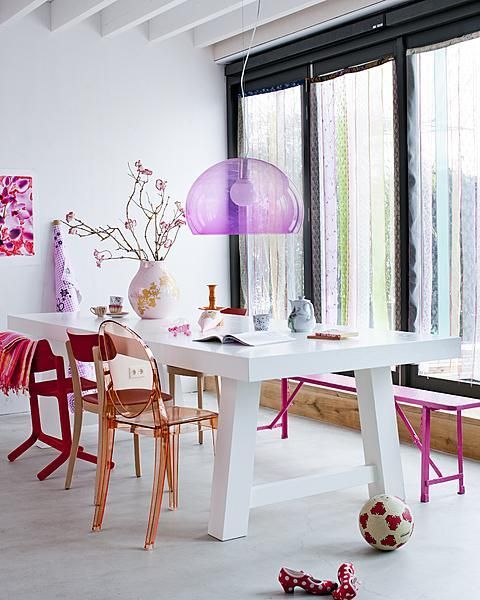
In today’s fiercely competitive furniture industry, differentiation is no longer optional—it is survival. Walk into any mid-to-high-end furniture district in major global cities, and a clear pattern emerges: similar silhouettes, repeated materials, predictable finishes, and incremental innovation. For showroom owners, distributors, and interior solution providers, the challenge is no longer about offering quality products—it is about creating distinction.
In this context, high-end synthetic crystal furniture is not just a material choice. It is a strategic tool for redefining how your showroom is perceived, experienced, and remembered.
The Challenge of Market Saturation
The global furniture market has reached a point where accessibility and mass production have created visual uniformity. Many showrooms unknowingly mirror each other, offering variations of the same themes in wood, metal, and upholstery. While these materials remain essential, they no longer provide a competitive edge on their own.
Customers today, especially in the premium segment, are exposed to countless options both online and offline. What they remember is not the quantity of products, but the uniqueness of the experience. If your showroom looks like ten others they visited the same day, price becomes the only differentiator—and that is a race few brands truly win.
The Power of Material Innovation
Material innovation is one of the most effective yet underleveraged strategies for differentiation. Unlike design trends that can be quickly replicated, advanced materials require technical expertise, specialized production, and a clear vision.
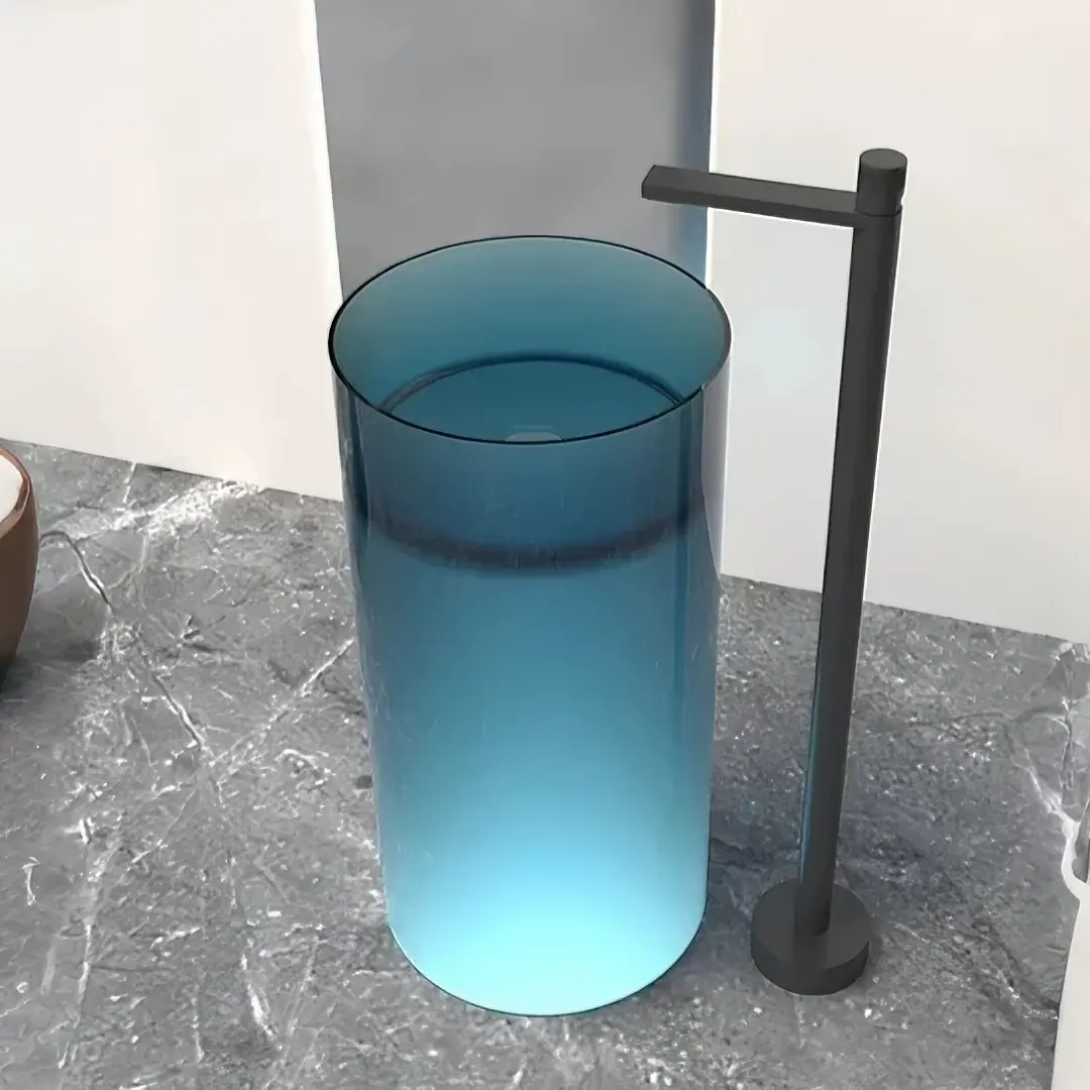
High-end synthetic crystal represents a new generation of materials engineered for both performance and aesthetics. Compared to traditional glass or acrylic, it offers superior clarity, higher durability, and greater flexibility in design. It allows for sculptural forms, embedded textures, and light-reactive surfaces that are simply not achievable with conventional materials.
This is where differentiation begins—not just in how furniture looks, but in how it behaves in space.
Creating Visual Impact That Stops Traffic
In a showroom environment, attention is currency. Crystal furniture naturally commands attention because it interacts with light in a dynamic way. It refracts, reflects, and transforms illumination, creating movement even in static objects.
A crystal dining table under focused lighting does not just sit in a room. It becomes a centerpiece. A console with embedded elements becomes a conversation starter. These pieces invite customers to pause, observe, and engage.
This moment of pause is critical. It is the difference between a customer walking through your showroom and a customer remembering it.
Elevating Perceived Value Instantly
Perception drives purchasing behavior, particularly in the high-end market. Crystal, as a material, carries long-standing associations with luxury, precision, and exclusivity. When integrated into furniture, it immediately elevates the perceived value of the entire space.
Even customers who may not initially intend to purchase crystal pieces begin to associate your brand with innovation and premium positioning. This halo effect extends to your entire product range, allowing you to command higher margins and attract more discerning clients.
Transforming Showrooms into Experiences
Retail is evolving from transactional to experiential. Customers no longer visit showrooms simply to buy furniture—they come for inspiration, validation, and emotional connection.
Crystal furniture plays a unique role in this transformation. It enables you to design spaces that feel closer to art galleries than traditional retail environments. Strategic lighting, spatial planning, and material contrast can turn a simple display into an immersive experience.
Customers are more likely to take photos, share their visit on social media, and spend more time exploring. Increased dwell time often translates directly into higher conversion rates.
Unlocking Customization Opportunities
One of the most compelling advantages of synthetic crystal is its adaptability. Unlike many traditional materials, it can be engineered to incorporate a wide range of visual and structural features.
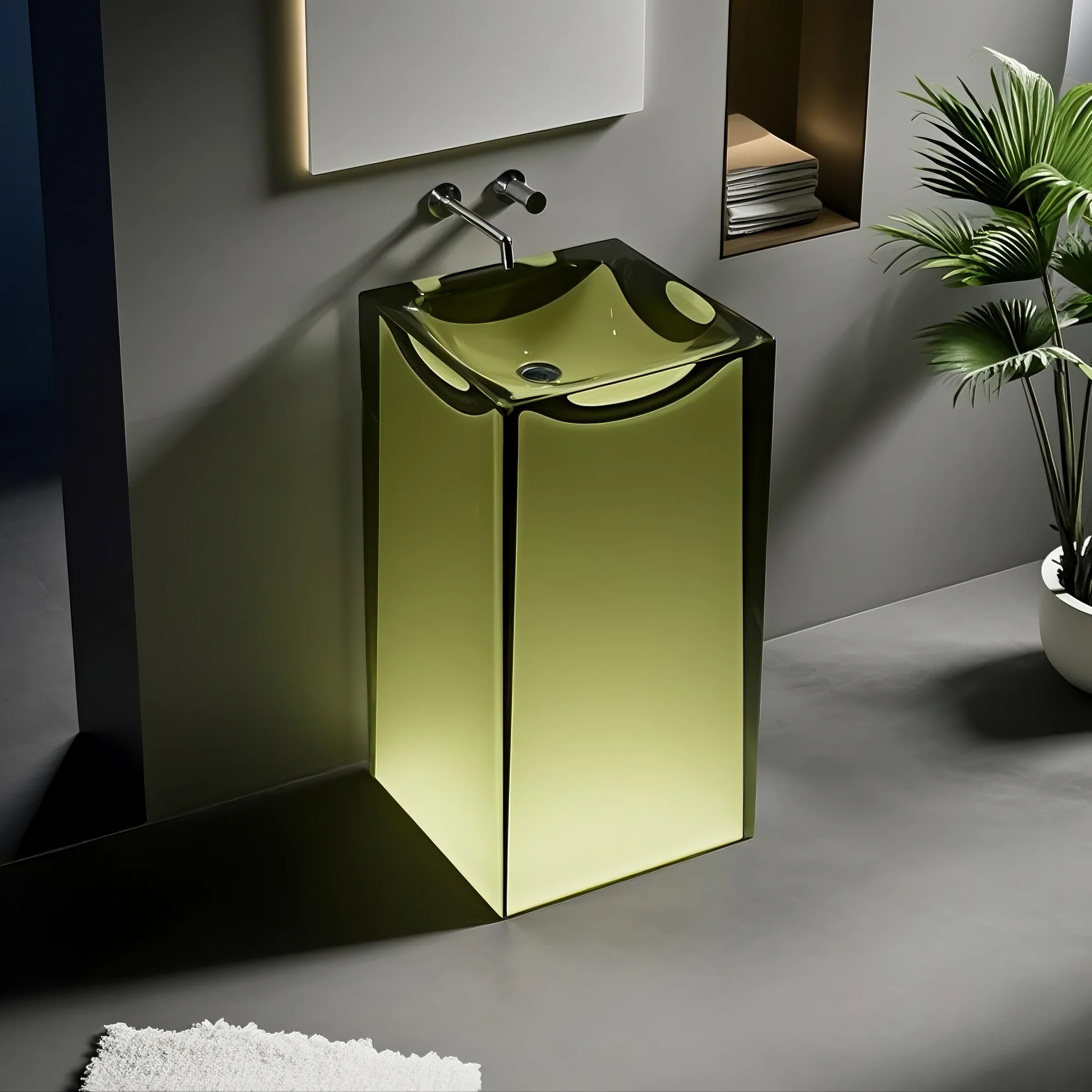
You can offer clients customized solutions such as unique color gradients, embedded metallic elements, personalized textures, or even branded designs. This level of customization is particularly appealing to interior designers, architects, and luxury homeowners who are looking for exclusivity.
By offering tailored crystal furniture, your showroom evolves from a product supplier into a creative partner.
Attracting High-Value Client Segments
Not every customer is your target customer, and that clarity is essential for growth. High-end crystal furniture naturally appeals to a more defined and valuable audience.
This includes luxury homeowners, boutique hospitality projects, premium commercial spaces, and design professionals seeking standout elements for their projects. These clients are less price-sensitive and more focused on uniqueness, quality, and impact.
By aligning your showroom with these segments, you move away from volume-based competition and toward value-driven business.
Strengthening Brand Identity
Introducing crystal furniture into your showroom is not just about expanding your product line. It is a statement about who you are as a brand.
It signals that you prioritize innovation over imitation, that you curate rather than simply sell, and that you are willing to lead rather than follow. Over time, this positioning strengthens brand recognition and builds trust among high-end clients.
A strong identity makes your showroom easier to remember, recommend, and return to.
Practical Integration Strategies
Adopting crystal furniture does not require a complete transformation overnight. Strategic placement can deliver immediate impact.
You can start by creating a dedicated display area that highlights crystal pieces with focused lighting. A single statement item, such as a dining table or feature console, can serve as the visual anchor of your showroom. Combining crystal with materials like metal, leather, or stone creates contrast and enhances overall design coherence.
Equally important is storytelling. Educating customers about the material, craftsmanship, and design philosophy behind each piece adds depth and reinforces its value.
Addressing Customer Concerns
Some customers may initially question the practicality of crystal furniture. These concerns are valid but can be effectively addressed.
Modern synthetic crystal is engineered for durability and impact resistance. It is designed to withstand daily use while maintaining its visual integrity. Surface treatments can enhance scratch resistance and simplify maintenance.
By clearly communicating these benefits, you can turn hesitation into confidence and curiosity into commitment.
Looking Ahead: The Future of Premium Materials
As the industry evolves, materials will play an increasingly central role in defining brand identity. Customers are seeking products that combine aesthetics, innovation, and longevity.
Synthetic crystal aligns with these expectations. It represents a shift toward materials that are not only functional but also expressive. It allows designers and brands to push boundaries and create pieces that stand out in meaningful ways.
For forward-thinking showrooms, this is an opportunity to stay ahead of the curve rather than react to it.
Conclusion
In a saturated market, sameness is the greatest risk. The showrooms that succeed are those that create clear, memorable differentiation through design, experience, and material innovation.
High-end crystal furniture offers a powerful way to achieve this. It transforms spaces, elevates perception, and attracts the kind of clients who value distinction over discount.
The question is no longer whether crystal furniture fits into your showroom, but whether your showroom can truly stand out without it—and when your competitors begin redefining their spaces with it, will you be leading the change or struggling to catch up?
READ MORE:
- How to Strategically Price High-End Furniture Projects Without Losing Competitiveness
- Case Study: Using Statement Furniture Pieces to Boost Conversion in High-End Projects
- Why Premium Materials Are Winning in European Furniture Markets
- From Outdoor Living Trends to Luxury Interiors: Where Crystal Art Pieces Fit In
- Lead Generation Through Smart Questions: Efficient Customer Acquisition in Furniture Pricing and Budgeting
- How to Price B2B Furniture Projects Competitively? Budget Planning and Client Communication Guide
- From Quotation to Deal: Pricing Strategies and Practical Tips for Project-Based Furniture
- What’s Your Procurement Budget? Using Interaction to Uncover Real B2B Customer Needs
- Contract Furniture Pricing Guide: How to Set a Reasonable Budget and Increase Conversion Rates


