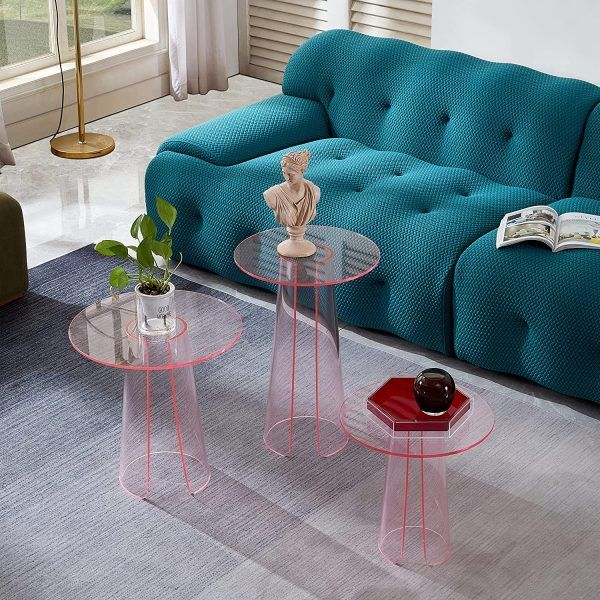
In recent years, the boundaries between outdoor and indoor living have begun to dissolve. What was once a clear distinction—functional exteriors versus curated interiors—has evolved into a more fluid design philosophy where continuity, experience, and material storytelling take center stage. From luxury patios that rival indoor lounges to interiors that echo natural environments, the modern design landscape is driven by one key idea: cohesion.
Amid this shift, a new category of materials and design elements is emerging to bridge these spaces seamlessly. High-end synthetic crystal furniture and art pieces are becoming a defining feature in this transition, offering a unique combination of durability, visual impact, and sculptural elegance. For designers, developers, and showroom curators, understanding where crystal fits into this evolving narrative is essential for staying ahead in a competitive market.
The Evolution of Outdoor Living
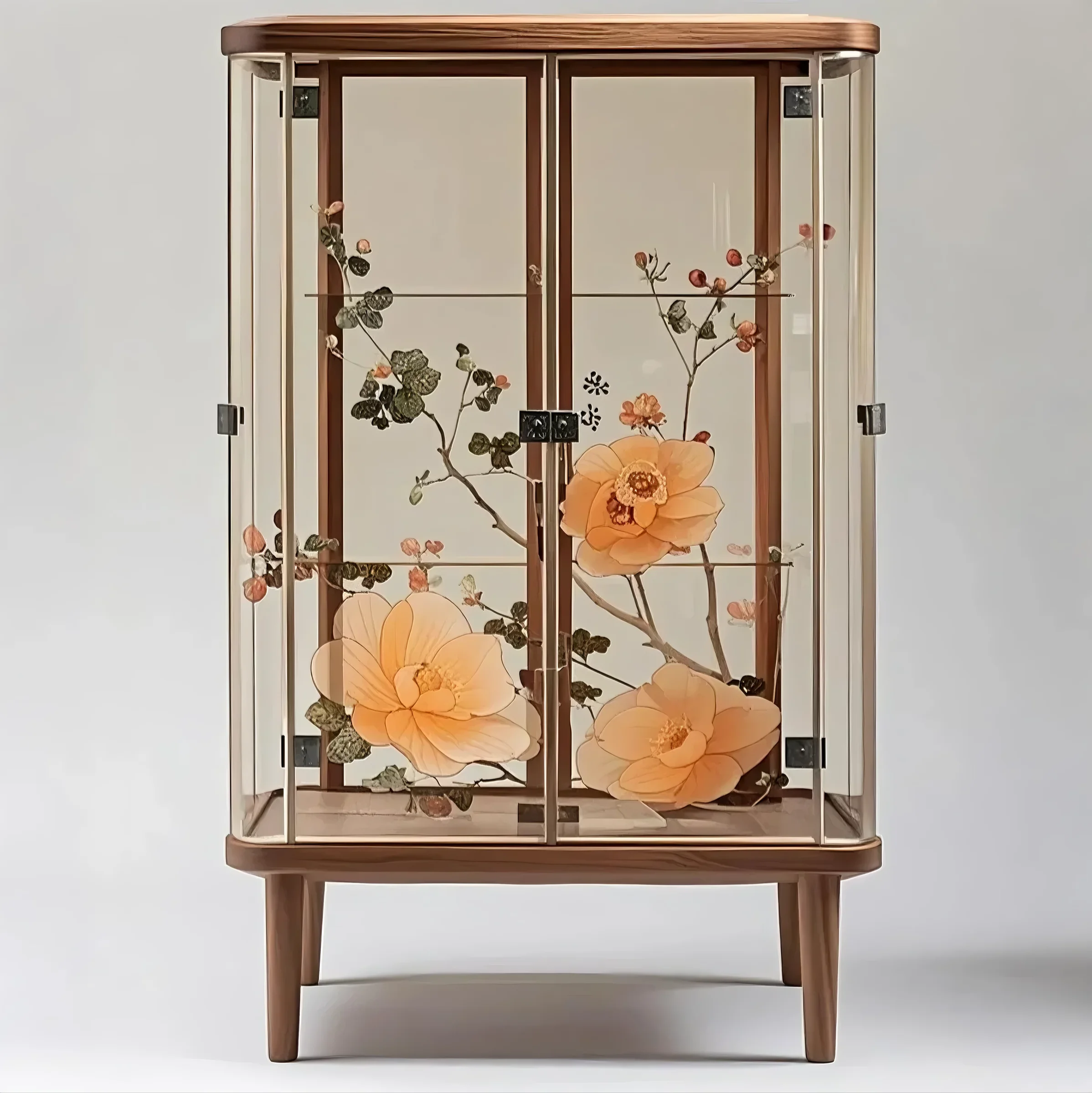
Outdoor spaces are no longer secondary considerations. They are now extensions of the home or commercial environment, designed with the same level of intention as interiors. High-end residential projects and luxury hospitality developments are investing heavily in outdoor living areas that include fully equipped kitchens, sophisticated lounge settings, and statement décor.
Several trends are driving this transformation. There is a growing demand for wellness-oriented environments, where fresh air, natural light, and open space contribute to physical and mental well-being. At the same time, social dynamics are shifting, with outdoor entertaining becoming more desirable in both private and commercial settings.
As a result, outdoor furniture is no longer purely functional. It must deliver comfort, durability, and aesthetic appeal at a level comparable to indoor furnishings.
The Blurring Line Between Exterior and Interior Design
As outdoor spaces become more refined, the visual and material gap between inside and outside is shrinking. Designers are increasingly adopting a holistic approach, ensuring that transitions between spaces feel natural rather than abrupt.
This has led to the use of consistent color palettes, complementary materials, and unified design languages across both environments. Flooring extends from living rooms to terraces, furniture styles echo each other across boundaries, and decorative elements reinforce a cohesive identity.
In this context, materials that can perform in both settings while maintaining a high-end appearance are particularly valuable. This is where synthetic crystal begins to stand out.
The Rise of Statement Materials
In a market saturated with conventional materials such as wood, metal, and stone, designers are seeking new ways to create distinction. Statement materials—those that immediately capture attention and convey a sense of innovation—are becoming increasingly important.
Synthetic crystal, engineered for strength and clarity, offers a compelling alternative. It combines the elegance traditionally associated with crystal with the performance required for modern applications. Unlike fragile decorative glass, advanced crystal composites can withstand environmental stress while maintaining their visual integrity.
This dual capability makes crystal suitable not only for interior focal points but also for carefully designed outdoor applications.
Crystal in Outdoor Settings
Introducing crystal into outdoor environments may seem unconventional at first, but it aligns perfectly with the direction of contemporary design. When used thoughtfully, crystal elements can elevate outdoor spaces from functional to extraordinary.
Crystal tables, sculptural seating, and decorative installations interact beautifully with natural light. Sunlight passing through crystal surfaces creates reflections and refractions that change throughout the day, adding a dynamic quality to the space. In the evening, integrated lighting can transform these pieces into luminous features that enhance ambiance.
Durability is a key factor. High-end synthetic crystal is engineered to resist impact, temperature variation, and environmental exposure, making it suitable for covered terraces, rooftop lounges, and luxury garden settings.
Transitioning Into Interior Spaces
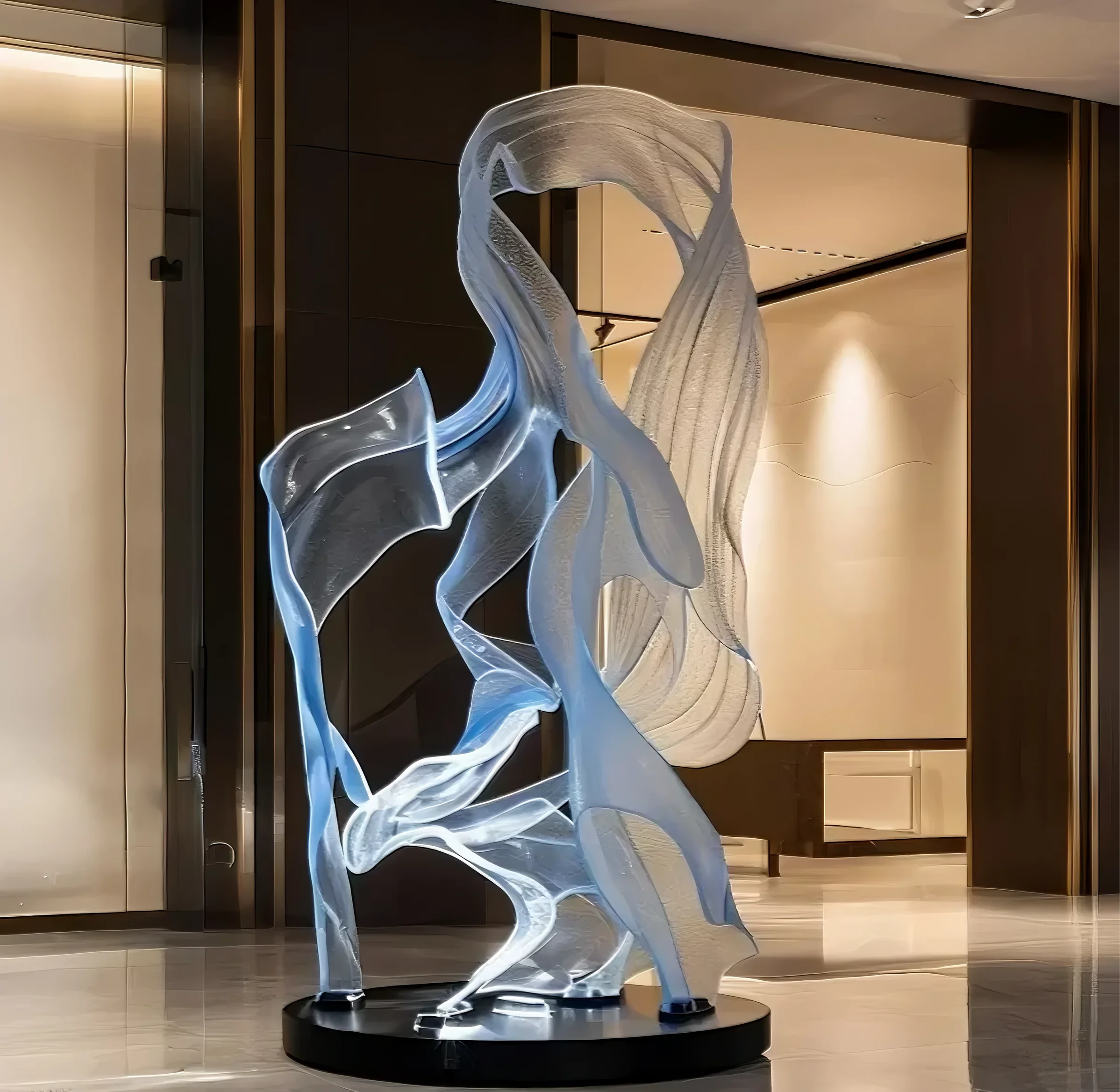
The real power of crystal lies in its ability to create continuity. A crystal feature introduced in an outdoor lounge can be echoed inside through complementary pieces such as consoles, dining tables, or art installations.
This repetition of material establishes a visual thread that connects different zones of a property. Instead of feeling like separate environments, the indoor and outdoor areas become part of a unified experience.
In luxury interiors, crystal serves as both a functional material and an artistic medium. It can be used to create statement furniture, feature walls, or bespoke installations that reflect the identity of the space.
The Artistic Dimension of Crystal
Beyond furniture, crystal is increasingly being used as an artistic element. Designers and brands are exploring its potential to create pieces that blur the line between art and function.
Crystal art pieces can incorporate textures, embedded elements, and customized finishes that make each item unique. These pieces often serve as focal points, drawing attention and sparking conversation.
For showrooms and design studios, showcasing crystal art alongside furniture creates a more layered and sophisticated presentation. It positions the brand not just as a supplier of products, but as a curator of design experiences.
Light as a Design Partner
One of the most distinctive qualities of crystal is its relationship with light. Unlike opaque materials, crystal interacts with illumination in complex ways, enhancing both natural and artificial lighting conditions.
In outdoor settings, sunlight becomes a design partner, creating shifting patterns and reflections. Indoors, carefully planned lighting can highlight the depth, clarity, and structure of crystal pieces.
This interplay adds a temporal dimension to design. Spaces feel different at various times of day, offering a richer and more engaging experience for occupants.
Customization and Design Flexibility
High-end synthetic crystal offers significant advantages in terms of customization. It can be engineered to achieve a wide range of visual effects, from subtle transparency to bold, sculptural forms.
Designers can specify colors, patterns, embedded materials, and finishes to align with the overall concept of a project. This flexibility is particularly valuable in luxury developments, where uniqueness is a key selling point.
Custom crystal pieces can be tailored to fit specific spatial requirements, ensuring that they integrate seamlessly into both outdoor and indoor environments.
Targeting High-End Markets
The integration of crystal into both outdoor and indoor spaces naturally aligns with premium market segments. Luxury homeowners, high-end hospitality brands, and upscale commercial projects are constantly seeking elements that differentiate their spaces.
Crystal furniture and art pieces offer a distinctive solution. They signal innovation, exclusivity, and attention to detail. For developers and designers, incorporating crystal can enhance the perceived value of a property and create memorable environments that stand out in a competitive landscape.
Sustainability and Longevity
As sustainability becomes an increasingly important consideration, material choices are being evaluated not only for their aesthetics but also for their lifecycle impact.
High-quality synthetic crystal is designed for longevity. Its durability reduces the need for frequent replacement, and advanced manufacturing processes can optimize material usage and minimize waste.
By investing in long-lasting, high-performance materials, designers can create spaces that are both visually compelling and environmentally responsible.
Strategic Applications for Showrooms and Designers
For showroom operators and design professionals, the integration of crystal does not require a complete transformation. Strategic placement can deliver significant impact.
Outdoor display areas can feature crystal elements to demonstrate durability and visual appeal in natural light. Interior zones can highlight the same material in more controlled lighting conditions, emphasizing its versatility.
Creating a narrative that connects these spaces helps customers understand how crystal can be used across different environments. This storytelling approach enhances engagement and supports higher-value sales.
Redefining Luxury Through Material Innovation
Luxury is no longer defined solely by price or brand recognition. It is increasingly about experience, originality, and emotional resonance. Materials play a central role in shaping these qualities.
Crystal, with its ability to transform light and space, offers a new language for expressing luxury. It moves beyond traditional expectations and introduces a sense of modern sophistication that resonates with today’s design-conscious audience.
For brands willing to embrace this shift, crystal becomes more than a material—it becomes a signature.
Conclusion
The convergence of outdoor living trends and luxury interior design is reshaping the way spaces are conceived and experienced. As boundaries fade, the demand for materials that can unify, elevate, and differentiate these environments continues to grow.
High-end synthetic crystal furniture and art pieces are uniquely positioned to meet this demand. They bring together durability, beauty, and innovation in a way that few materials can match.
For showrooms, designers, and developers, the opportunity lies not just in adopting a new material, but in redefining how spaces are experienced from the outside in—and as the line between exterior and interior continues to disappear, the real question becomes: will your designs simply follow the trend, or will they be the ones that redefine it?
READ MORE:
- How to Strategically Price High-End Furniture Projects Without Losing Competitiveness
- Case Study: Using Statement Furniture Pieces to Boost Conversion in High-End Projects
- Why Premium Materials Are Winning in European Furniture Markets
- How High-End Crystal Furniture Can Differentiate Your Showroom in a Saturated Market
- Lead Generation Through Smart Questions: Efficient Customer Acquisition in Furniture Pricing and Budgeting
- How to Price B2B Furniture Projects Competitively? Budget Planning and Client Communication Guide
- From Quotation to Deal: Pricing Strategies and Practical Tips for Project-Based Furniture
- What’s Your Procurement Budget? Using Interaction to Uncover Real B2B Customer Needs
- Contract Furniture Pricing Guide: How to Set a Reasonable Budget and Increase Conversion Rates


