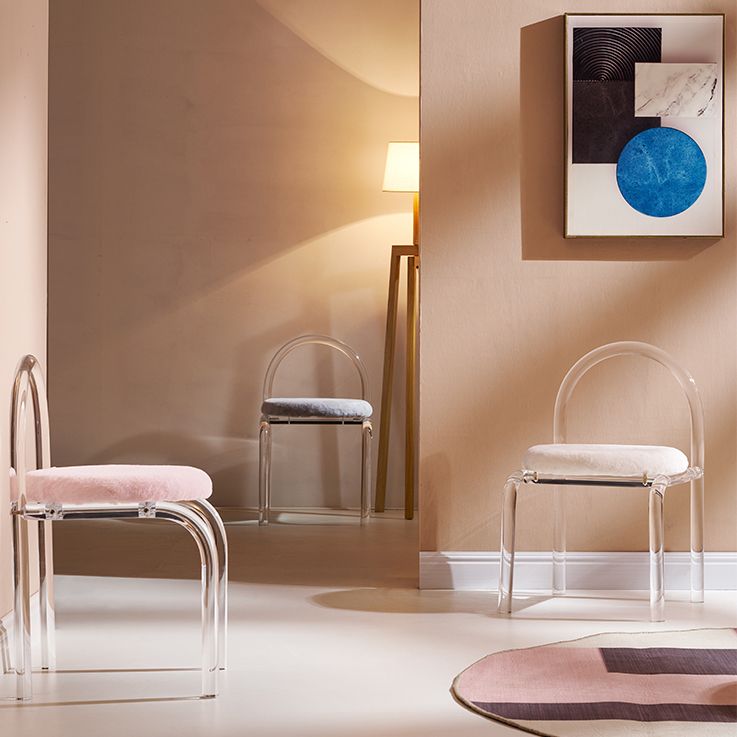
The European furniture market has long been regarded as one of the most sophisticated and design-driven in the world. From the minimalist precision of Scandinavian interiors to the bold artistic expressions of Italian design, Europe sets global benchmarks not only in aesthetics but also in material innovation. Yet in recent years, a noticeable shift has taken place—premium materials are no longer a niche preference reserved for elite projects. They are rapidly becoming a defining factor in purchasing decisions across multiple segments.
For manufacturers, distributors, and showroom operators, this shift presents both a challenge and a significant opportunity. The question is no longer whether premium materials matter, but how to strategically leverage them to capture value in an increasingly competitive landscape.
The Changing Dynamics of European Demand
European consumers are evolving. While price sensitivity still exists, particularly in mass-market segments, there is a clear and growing appetite for quality, longevity, and distinctiveness. This is especially evident in Western and Northern Europe, where buyers are placing greater emphasis on sustainability, craftsmanship, and design integrity.
Several macro trends are influencing this shift. First, the rise of conscious consumption has led customers to move away from disposable furniture toward long-lasting investments. Second, the influence of interior design media and social platforms has elevated consumer awareness, making them more discerning and informed. Third, the growth of high-end residential and boutique hospitality projects has increased demand for materials that deliver both performance and visual impact.
In this environment, standard materials often struggle to justify their value. Premium materials, on the other hand, align perfectly with these emerging expectations.
What Defines a Premium Material Today
The definition of “premium” has expanded beyond traditional notions of rarity or cost. In today’s European market, a premium material must deliver across multiple dimensions.
It must offer superior durability and performance, ensuring longevity in both residential and commercial applications. It must demonstrate aesthetic distinction, providing designers with the ability to create unique and memorable spaces. It must also align with sustainability principles, either through responsible sourcing, efficient production, or long lifecycle performance.
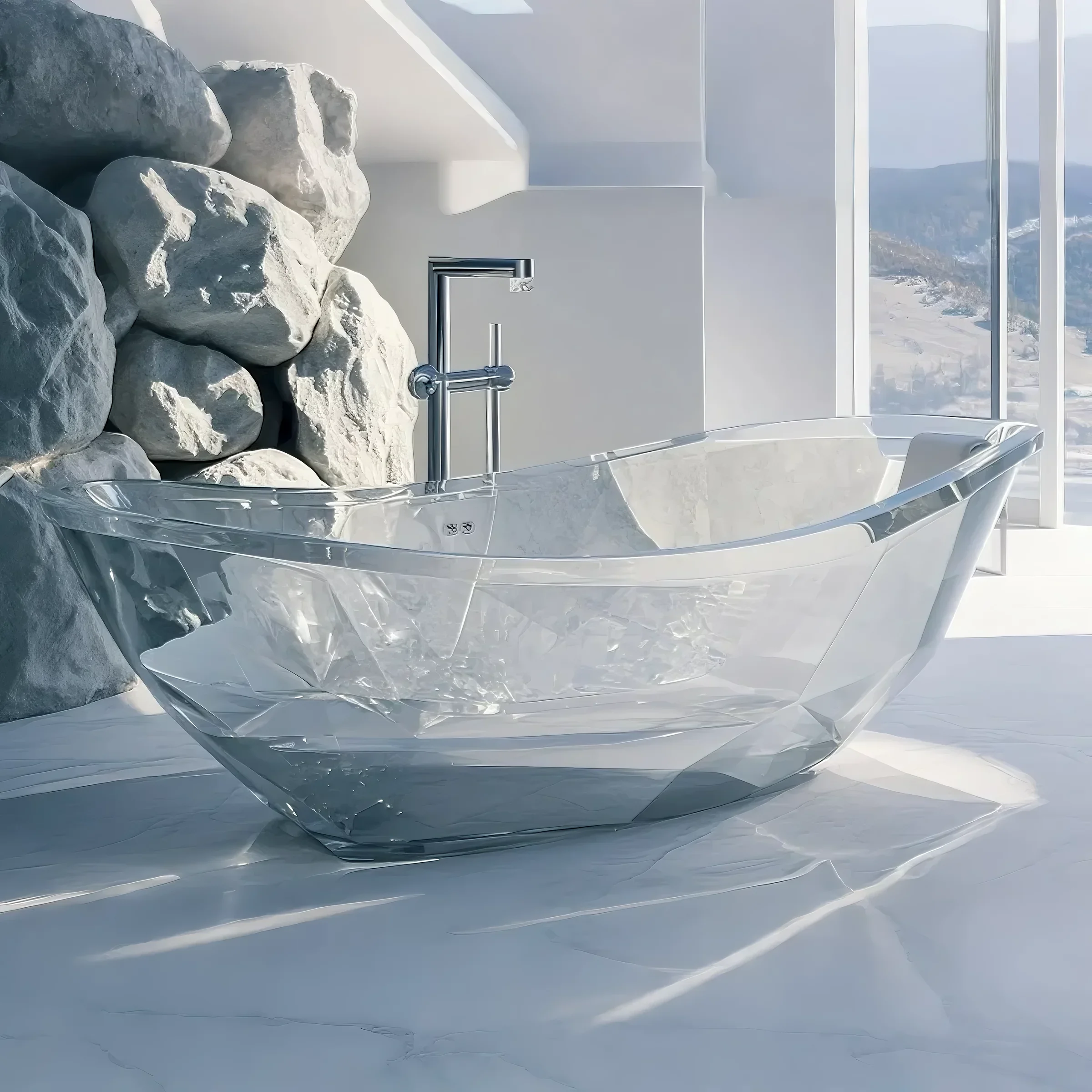
High-end synthetic crystal is a strong example of how modern materials meet these criteria. Engineered for clarity, strength, and adaptability, it combines visual elegance with practical resilience. Unlike traditional fragile crystal or standard glass, advanced composite crystal materials are designed to perform in demanding environments while maintaining their refined appearance.
The Role of Aesthetics in Value Creation
In European markets, aesthetics are not superficial—they are central to value perception. Customers are willing to invest in furniture that enhances their environment and reflects their personal or brand identity.
Premium materials play a critical role in this process. They allow designers to move beyond conventional forms and explore new visual languages. Crystal, for instance, introduces transparency, depth, and interaction with light that cannot be replicated by wood or metal alone.
This creates a powerful emotional response. A well-designed crystal piece does not simply occupy space; it transforms it. It becomes a focal point, a conversation piece, and a symbol of refined taste.
For showrooms, this translates into stronger customer engagement and higher perceived value across the entire product range.
Sustainability as a Driver of Premiumization
Sustainability is no longer optional in Europe—it is a baseline expectation. Regulations, consumer awareness, and industry standards are all pushing toward more responsible production and consumption.
Premium materials are increasingly being evaluated through this lens. Longevity is one of the most important factors. A material that lasts significantly longer reduces the need for replacement, lowering overall environmental impact.
High-quality synthetic crystal contributes to this narrative by offering durability and resistance to wear. Its long lifecycle makes it a viable alternative to materials that degrade more quickly. Additionally, advancements in manufacturing processes are improving efficiency and reducing waste, further strengthening its sustainability profile.
For brands, aligning premium materials with sustainability messaging is not just beneficial—it is essential.
The Influence of Hospitality and Contract Markets
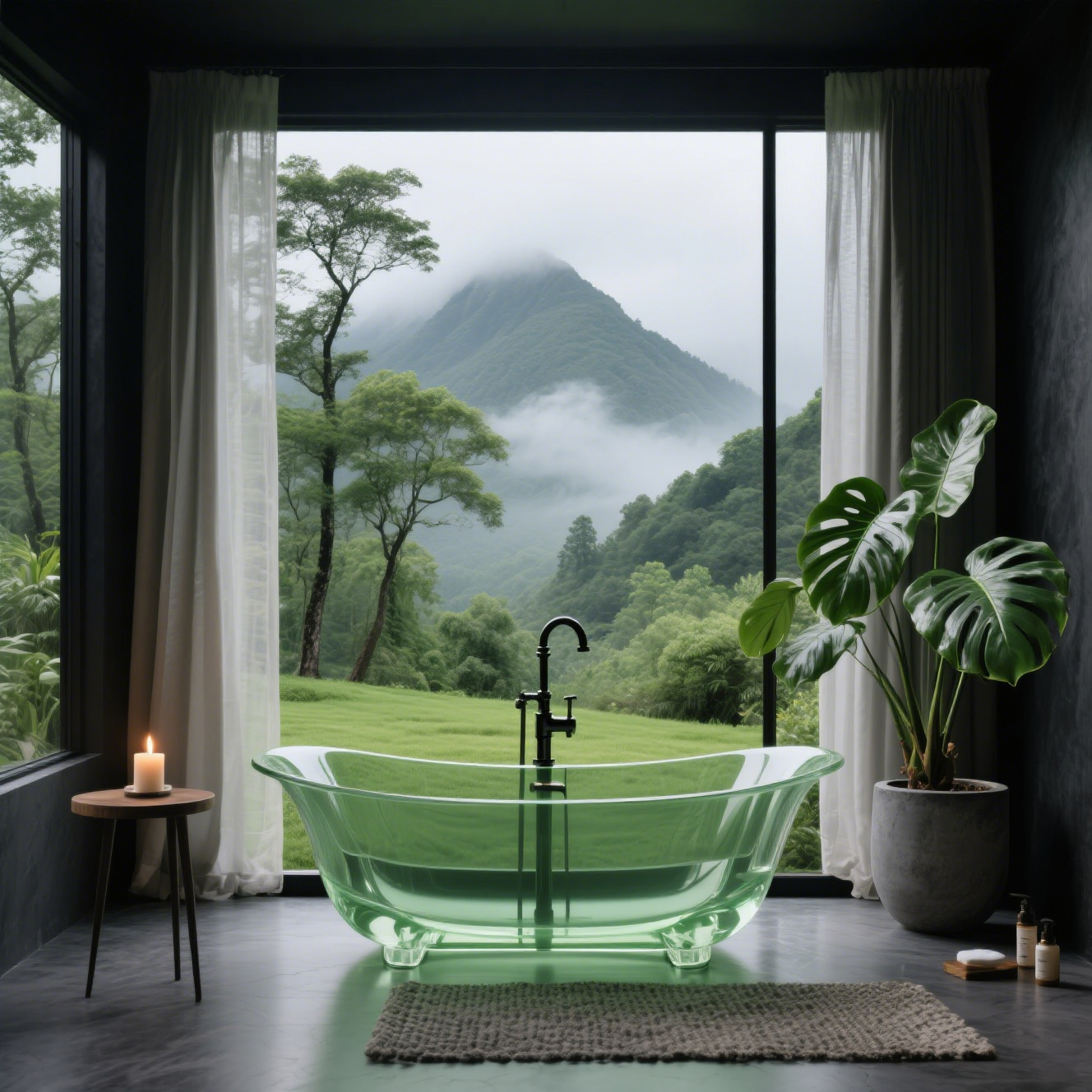
The European hospitality sector has been a major driver of premium material adoption. Boutique hotels, luxury resorts, and high-end restaurants are constantly seeking ways to differentiate themselves through design.
In these environments, furniture is not just functional—it is part of the brand experience. Materials must withstand heavy use while maintaining a high level of visual appeal. This combination of durability and aesthetics makes premium materials particularly attractive.
Crystal furniture and decorative elements are increasingly being used in lobbies, lounges, and dining areas to create memorable impressions. Their ability to interact with lighting and architecture adds a dynamic quality that enhances guest experience.
This trend often influences residential markets, as homeowners look to replicate the sophistication of hospitality spaces in their own environments.
Overcoming Price Resistance Through Value Communication
One of the main challenges in promoting premium materials is price perception. While European consumers are willing to pay for quality, they expect clear justification.
This is where strategic communication becomes critical. Instead of focusing solely on the material itself, brands must articulate the broader value proposition.
This includes durability, reduced long-term cost, design uniqueness, and the emotional impact of owning something distinctive. Demonstrating how a premium material enhances the overall space—and not just the individual product—helps shift the conversation from cost to value.
Showrooms that effectively tell this story are more likely to convert interest into sales.
How to Leverage Premium Materials in Your Strategy
Adopting premium materials is not simply about adding new products. It requires a thoughtful approach to positioning, presentation, and customer engagement.
First, curation is key. Rather than overwhelming customers with options, select pieces that clearly showcase the strengths of the material. A single well-placed crystal dining table or statement console can have a stronger impact than an entire collection displayed without context.
Second, invest in presentation. Lighting, spacing, and layout play a crucial role in highlighting premium materials. Crystal, in particular, benefits from carefully designed illumination that enhances its reflective and refractive qualities.
Third, integrate storytelling into the sales process. Educate customers about the material’s properties, production techniques, and design potential. This not only builds trust but also reinforces the perception of exclusivity.
Fourth, collaborate with designers and architects. Premium materials are often specified at the project level, so building relationships with design professionals can open new channels for growth.
Differentiation in a Competitive Market
The European furniture market is highly competitive, with both established brands and emerging players vying for attention. In such an environment, differentiation is essential.
Premium materials provide a clear pathway to standing out. They are more difficult to replicate, require specialized expertise, and offer a level of visual impact that standard materials cannot match.
For brands working with high-end synthetic crystal, this represents a unique opportunity. By positioning crystal not just as a material but as a design statement, you can create a distinct identity that resonates with both consumers and professionals.
The Future of Material-Led Design
Looking ahead, the importance of materials in furniture design will only increase. As technology advances, new materials will continue to emerge, offering enhanced performance and creative possibilities.
At the same time, consumer expectations will continue to evolve. Buyers will demand products that combine beauty, functionality, and responsibility. Premium materials that meet these criteria will dominate the market.
Crystal, with its combination of innovation and elegance, is well positioned to be part of this future. It represents a shift toward materials that do more than serve a purpose—they create experiences.
Conclusion
Premium materials are not just winning in European furniture markets—they are redefining the rules of competition. They enable brands to move beyond price-driven strategies and toward value-driven positioning.
For those in the business of high-end synthetic crystal furniture, the opportunity is clear. By leveraging the unique qualities of this material, you can elevate your offerings, attract more discerning clients, and build a stronger brand presence.
In a market where customers are constantly searching for something that feels new, meaningful, and lasting, the real question is not whether premium materials will shape the future—but whether your business will be among those leading the transformation or left trying to catch up when the standard has already changed?
READ MORE:
- How to Strategically Price High-End Furniture Projects Without Losing Competitiveness
- Case Study: Using Statement Furniture Pieces to Boost Conversion in High-End Projects
- From Outdoor Living Trends to Luxury Interiors: Where Crystal Art Pieces Fit In
- How High-End Crystal Furniture Can Differentiate Your Showroom in a Saturated Market
- Lead Generation Through Smart Questions: Efficient Customer Acquisition in Furniture Pricing and Budgeting
- How to Price B2B Furniture Projects Competitively? Budget Planning and Client Communication Guide
- From Quotation to Deal: Pricing Strategies and Practical Tips for Project-Based Furniture
- What’s Your Procurement Budget? Using Interaction to Uncover Real B2B Customer Needs
- Contract Furniture Pricing Guide: How to Set a Reasonable Budget and Increase Conversion Rates


